admin
admin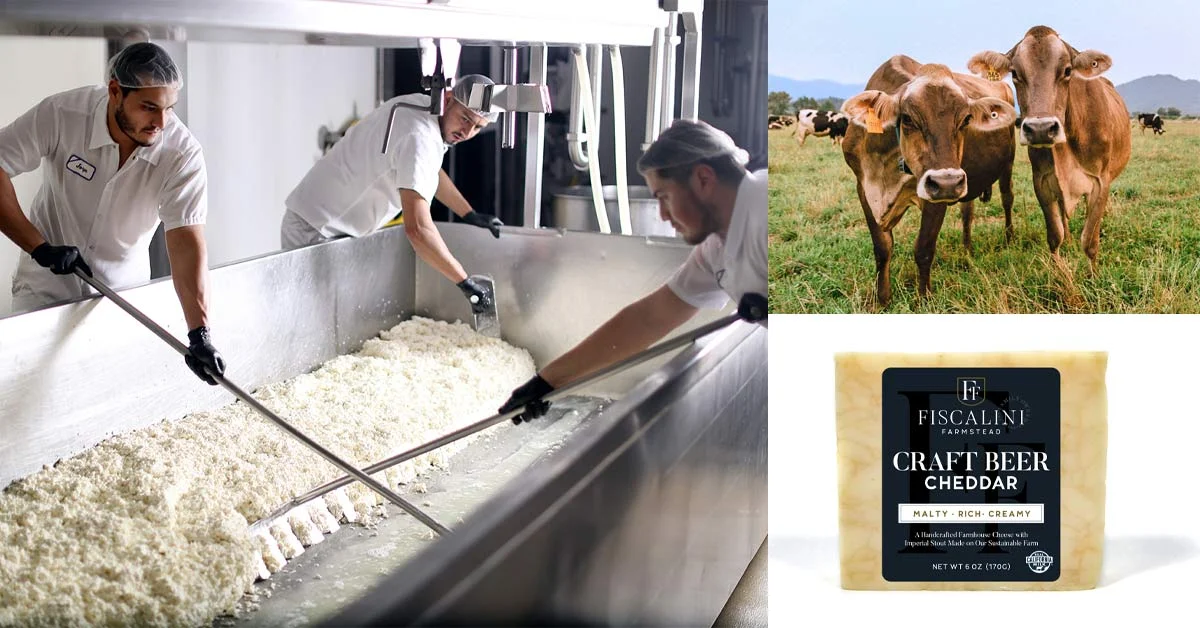
The American culinary landscape has long celebrated the marriage of fermentation and dairy, but the category of beer cheese is currently undergoing a significant transformation. Once defined almost exclusively as a spicy, orange-hued spread served in Kentucky taverns, beer cheese has evolved into a sophisticated arena of farmstead craftsmanship. Today, artisan cheesemakers across the United States are moving beyond using beer as a flavoring agent for leftovers, instead integrating craft brews into the very chemistry of the cheesemaking process. This shift represents a broader trend in the American "maker" economy, where hyper-local collaborations between independent breweries and traditional dairies are creating new flavor profiles and sustainable business models.
The Historical Foundations of a Kentucky Classic
The narrative of beer cheese begins in the 1940s in Clark County, Kentucky. While historical accounts vary, the most widely accepted origin points to Johnny Allman’s restaurant on the banks of the Kentucky River. Originally conceived as a "snappy" appetizer to encourage patrons to drink more beer, the recipe was a pragmatic solution to food waste. Leftover sharp cheddar, often nearing the end of its shelf life, was processed with flat beer, garlic, cayenne pepper, and a proprietary blend of spices.
In 2006, Kathy Gorman Archer, president of Howard’s Creek Authentic Beer Cheese, spearheaded a revival of the original Allman recipe. Archer’s efforts brought national attention to the spread, which was eventually recognized by the Kentucky Commonwealth. In 2013, the Kentucky State Legislature officially designated Clark County as the birthplace of beer cheese, leading to the establishment of the annual Beer Cheese Festival in Winchester, which now draws thousands of visitors and dozens of commercial competitors.
The traditional Kentucky style is defined by its texture—somewhere between a dip and a spread—and its bold, spicy finish. "Allman’s love of southwestern flare is probably why there’s cayenne pepper, as well as garlic and other spices, in the recipe to kick it up," Archer noted regarding the model that defined the category for over 60 years. However, as the craft beer revolution took hold in the 2010s, a new generation of cheesemakers began to question whether the beer should be an afterthought or a primary ingredient.
The Pacific Northwest and the Science of Infusion
In the Pacific Northwest, Rogue Creamery has spent decades bridging the gap between world-class blue cheeses and the region’s robust brewing culture. While Rogue Ales and Rogue Creamery are separate entities, their shared name and proximity in Oregon fostered a culture of collaboration. For years, the brewery produced anniversary ales designed specifically to pair with Rogue’s "Oregon Blue," the first cave-aged blue cheese produced west of the Mississippi.
The creamery’s foray into beer-infused cheese began in earnest with its Chocolate Stout Cheddar, a collaboration with Portland’s Hopworks Brewery. Unlike the Kentucky spread, this process involves adding the beer directly to the cheese vats. As the whey begins to separate from the curd, the beer is introduced, infusing the protein structures with malty sweetness and creating a distinctive marbled aesthetic.
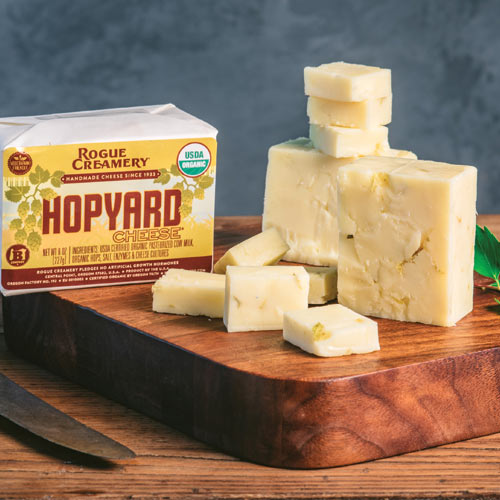
Marguerite Merritt, brand manager and certified sommelier for Rogue Creamery, explains that the goal is not to make the cheese taste exactly like the beer, but to utilize the beverage’s chemical properties to enhance the dairy. This experimentation led to "Hopyard," a cheddar where fresh, local hops are mixed with the curds during the setting process. By using the raw botanical components of beer, the creamery creates a floral bitterness that mirrors the profile of a West Coast IPA, reinforcing the citrus and pine notes common to the region’s agricultural output.
Farmstead Integrity and Microbial Synergy in California
Further south, in Modesto, California, Fiscalini Farmstead has operated since 1914. As a "farmstead" operation, Fiscalini only uses milk from its own cows, ensuring a closed-loop system of quality control. This dedication to traceability informed their "Craft Beer Cheddar," developed in partnership with Dust Bowl Brewing Company.
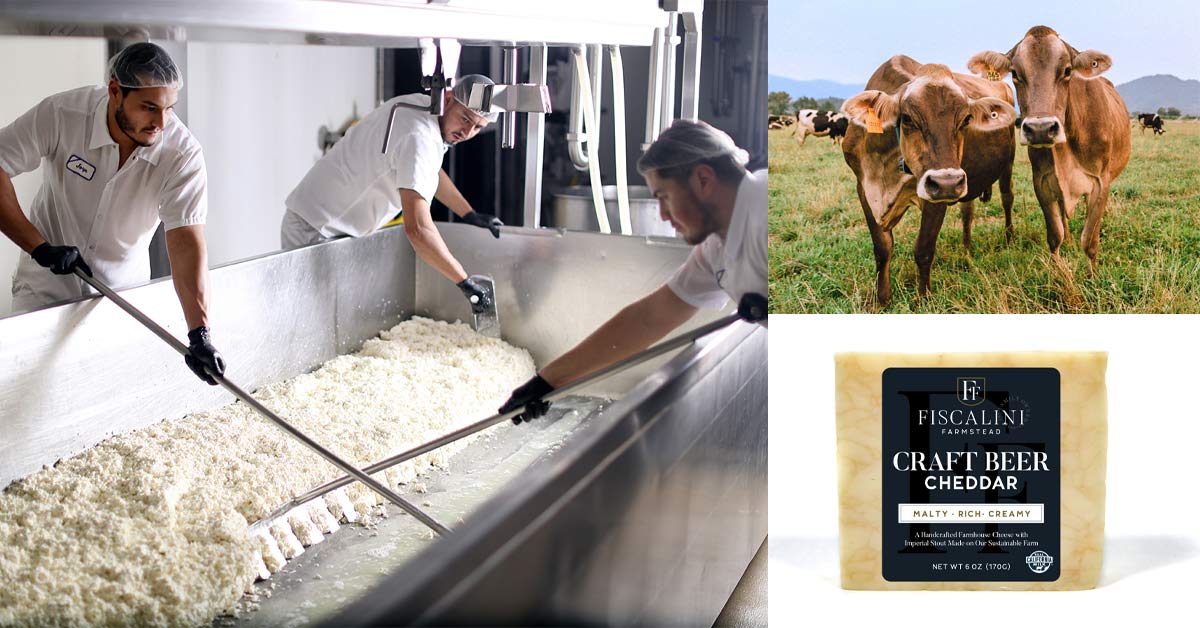
The collaboration utilizes Dust Bowl’s Black Blizzard Imperial Stout, a heavy, roasty brew with deep notes of coffee and chocolate. The integration process at Fiscalini is a study in precision. According to fourth-generation owner Laura Genasci, the beer is mixed with the curds before they are pressed into 40-pound blocks. The overnight pressing phase serves a dual purpose: it expels remaining moisture and forces the beer deep into the cheese’s cellular structure, resulting in a mottled appearance and a flavor profile that persists in every bite.
Alex Borgo, Fiscalini’s lead cheesemaker, views the process through the lens of enzymatic chemistry. He notes that the brewing and cheesemaking processes are remarkably similar. In brewing, malted barley is heated to activate grain enzymes; in cheesemaking, specific starter cultures are selected for microbial enzymes that trigger the separation of curds and whey. When a milk stout or imperial stout is introduced, the residual sugars and complex proteins of the beer interact with the sharp, tangy lactic acid of the cheddar. Fiscalini ages their beer cheddar for a minimum of three months, though Borgo notes that extended aging allows the beer and dairy flavors to fuse into a more robust, singular profile.
Economic Impact and Regional Identity in Pennsylvania
In the Eastern United States, the collaboration between Caputo Brothers Creamery and Tröegs Independent Brewing has become a case study in regional economic synergy. The project was initiated by Giant Food Stores, a major grocery chain looking to increase its local offerings. Rynn Caputo, co-founder of Caputo Brothers, noted that the dairy farms supplying their milk were located geographically between the brewery and the creamery, creating a perfect "local loop."
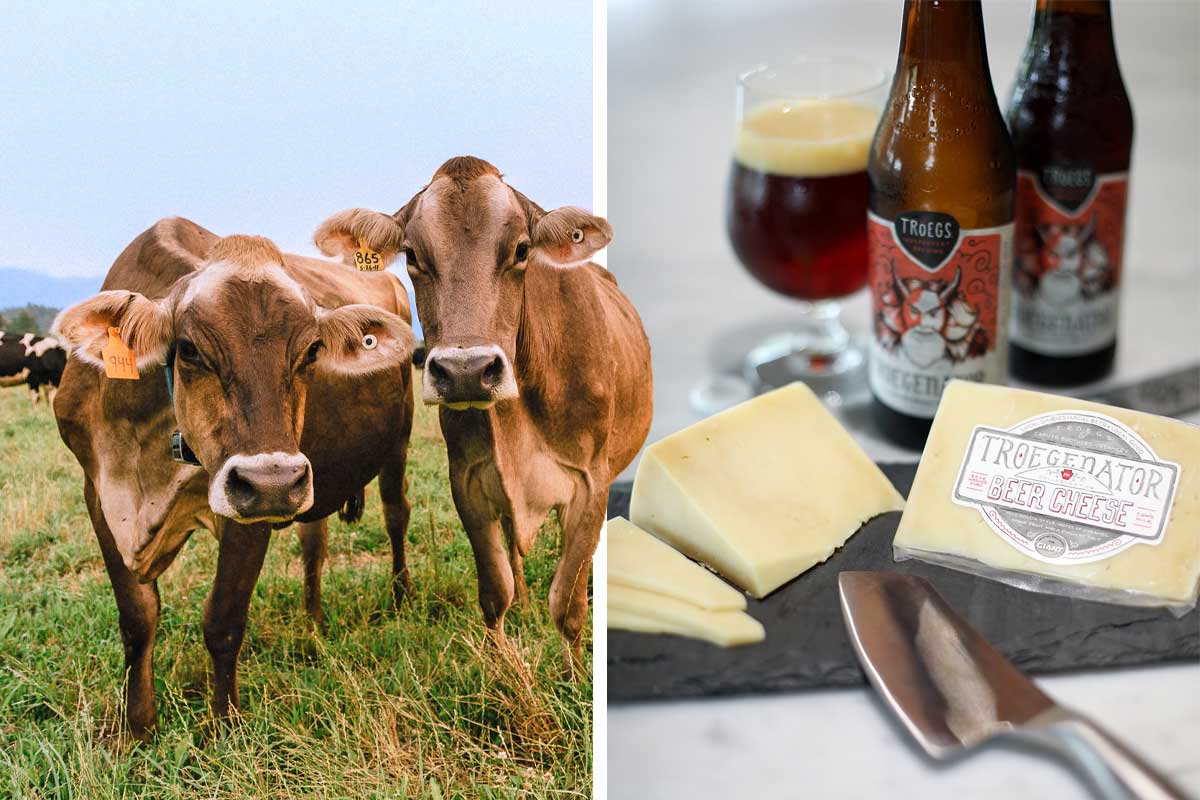
Though Caputo Brothers traditionally focused on Italian-style cheeses, they developed a beer-infused Gouda using Tröegenator, a celebrated Double Bock from Tröegs. The high sugar content and malty backbone of the Double Bock impart a noticeable sweetness and a rich golden hue to the cheese. The success of this product led to further iterations, including a cheese infused with Perpetual IPA. For this variety, Caputo pioneered a technique of "dry hopping" the milk—steeping it with Citra hops before the cheesemaking begins—to create an "intense hop milk."
This innovation has had significant business implications. Caputo launched "Custom Cheesemakers," a subsidiary that helps breweries across the country develop their own branded cheeses. This provides breweries with a high-value, shelf-stable product to sell in their taprooms, while providing dairies with a consistent demand for milk.
Technical Challenges: The Role of pH and Rind Washing
The integration of beer into cheese is not without technical hurdles. The primary challenge lies in managing pH levels. Milk typically sits at a pH of 6.4 to 6.8. During the cheesemaking process, if the pH remains too high (above 5.0), the curds will fail to bind together. Conversely, if the acidity is too high and the pH drops below 4.0, the resulting cheese becomes rubbery and unpalatable. Because beer is naturally acidic, its introduction must be carefully timed and measured to avoid disrupting the structural integrity of the cheese.
While some makers infuse the curds, others, like Indianapolis-based Tulip Tree Creamery, utilize the "washed-rind" method. Co-owner Laura Davenport explains that they wash the exterior of their double-cream cheeses with a brine of bacteria cultures, water, salt, and local beer from partners like Sun King and 3 Floyds. This Dutch-inspired technique allows the essence of the beer to permeate the wheel without altering the internal chemistry of the curd. Davenport favors lower-IBU (International Bitterness Units) beers like pilsners for this process, as overly bitter IPAs can create an unpleasant metallic tang on the rind.
Urban Creameries and the Fresh Cheese Model
In Cincinnati, Ohio, Urban Stead Cheese is proving that the beer cheese tradition can thrive in an urban environment. Founded in 2018, the creamery honors the city’s German heritage by producing fresh cheeses like Quark. However, their most popular offering is a "Kentucky-style" spread that uses Braxton Brewing’s Storm Golden Cream Ale.
Unlike the aged cheddars of the West Coast, Urban Stead’s beer cheese is a fresh product. "It’s kind of the texture of ricotta meets cream cheese," says co-founder Andrea Robbins. Because it does not require months of aging, the product provides a vital source of immediate cash flow for the creamery, balancing the long-term investment required for their 20-month aged "Street Ched." This fresh model allows for a more direct expression of the beer’s "corn and spicy hop" notes, creating a product that is highly versatile for culinary applications, from pasta fillings to baking.
The Future of the Category
The transition of beer cheese from a localized tavern snack to a staple of the artisan dairy industry reflects a broader maturation of American food culture. Data from the American Cheese Society suggests that specialty cheese production has seen steady growth over the last decade, with "flavored" and "infused" categories leading much of the innovation.
The implications of this trend extend beyond the palate. By creating a bridge between the craft beer and craft dairy industries, these producers are strengthening local agricultural networks. They are transforming "leftover" ingredients into premium, value-added products that command higher price points and foster regional pride. As techniques in hop-infusion and rind-washing continue to advance, beer cheese is no longer just a side dish—it is a sophisticated intersection of science, tradition, and collaborative entrepreneurship.