admin
admin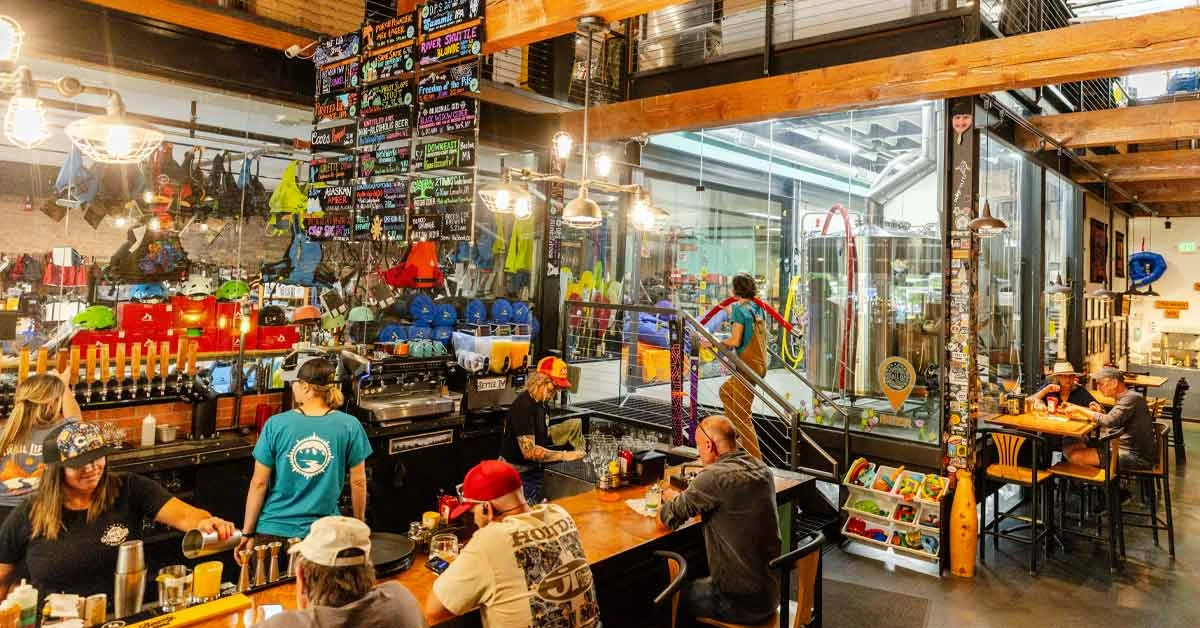
Grand Junction, Colorado, situated at the confluence of the Colorado and Gunnison Rivers, is currently undergoing a significant cultural and economic transformation, positioning itself as a primary destination for travelers seeking a synthesis of world-class outdoor recreation and a sophisticated craft beer scene. While historically recognized for its agricultural roots and its role as a regional transportation hub, the city is increasingly being defined by the Colorado National Monument—a sprawling landscape of red rock canyons and towering monoliths—and a rapidly maturing brewing industry that rivals the established hubs of Denver and Fort Collins. This evolution represents a strategic shift in Colorado’s tourism landscape, as the "Western Slope" offers a crowd-free alternative to the oversaturated national parks of the American Southwest and the densely populated Front Range.
The Geographic and Economic Context of the Western Slope
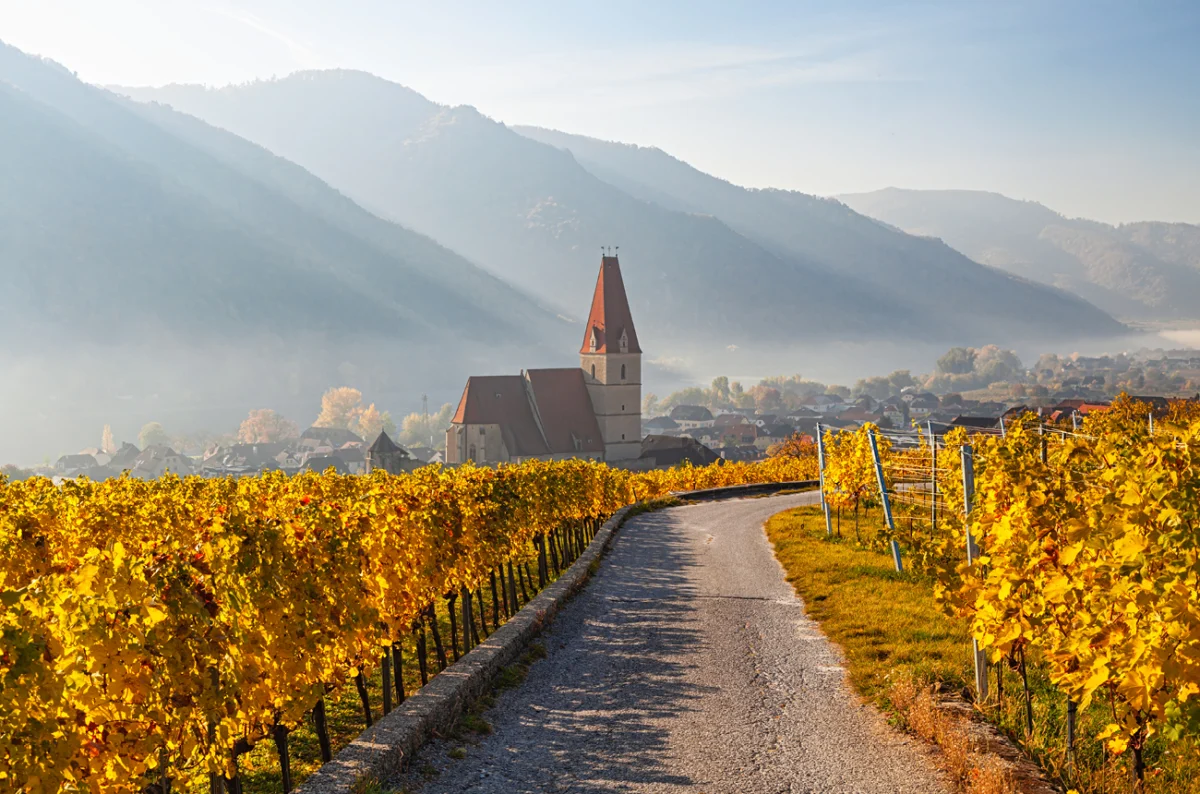
The allure of Grand Junction is rooted in its unique geography. The city serves as the gateway to the Colorado National Monument, a site characterized by its sheer-walled canyons and 23-mile Rim Rock Drive. Despite its aesthetic parity with iconic locations like the Grand Canyon or Zion National Park, the Monument remains remarkably accessible and devoid of the logistical hurdles associated with high-volume tourism. To the east lies the Grand Mesa, the world’s largest flat-top mountain, providing a stark contrast to the desert floor with its alpine forests and over 300 lakes. To the west, the Rattlesnake Arches house one of the highest concentrations of natural arches outside of Utah.
Economic data suggests that this "undiscovered" status is a temporary phenomenon. According to recent tourism reports for Mesa County, the region has seen a steady uptick in visitor spending, driven largely by the "adventure traveler" demographic. This group seeks high-intensity activities—such as mountain biking on the world-renowned Lunch Loops or the Kokopelli Trail—followed by high-quality culinary and beverage experiences. Adam Kinsey, a prominent figure in the local hospitality sector and owner of Handlebar Tap House and WestCo Brewing, notes that the city’s serenity is its greatest asset. "People tend to head straight for the Grand Canyon, or maybe Arches or Zion," Kinsey observes. "The canyon here boasts a serenity you simply won’t find at the Grand Canyon, with its steady flow of tourists."
A Chronology of the Grand Junction Brewing Movement
The development of the local beer scene has followed a trajectory of diversification and technical refinement. The movement began in earnest in 1994 with the opening of The Rockslide Brew Pub. As the "OG" of the local industry, Rockslide established the viability of brewpubs in a region then dominated by traditional industries. For over two decades, it remained the standard-bearer for the community, focusing on approachable ales and lagers that catered to a local population.
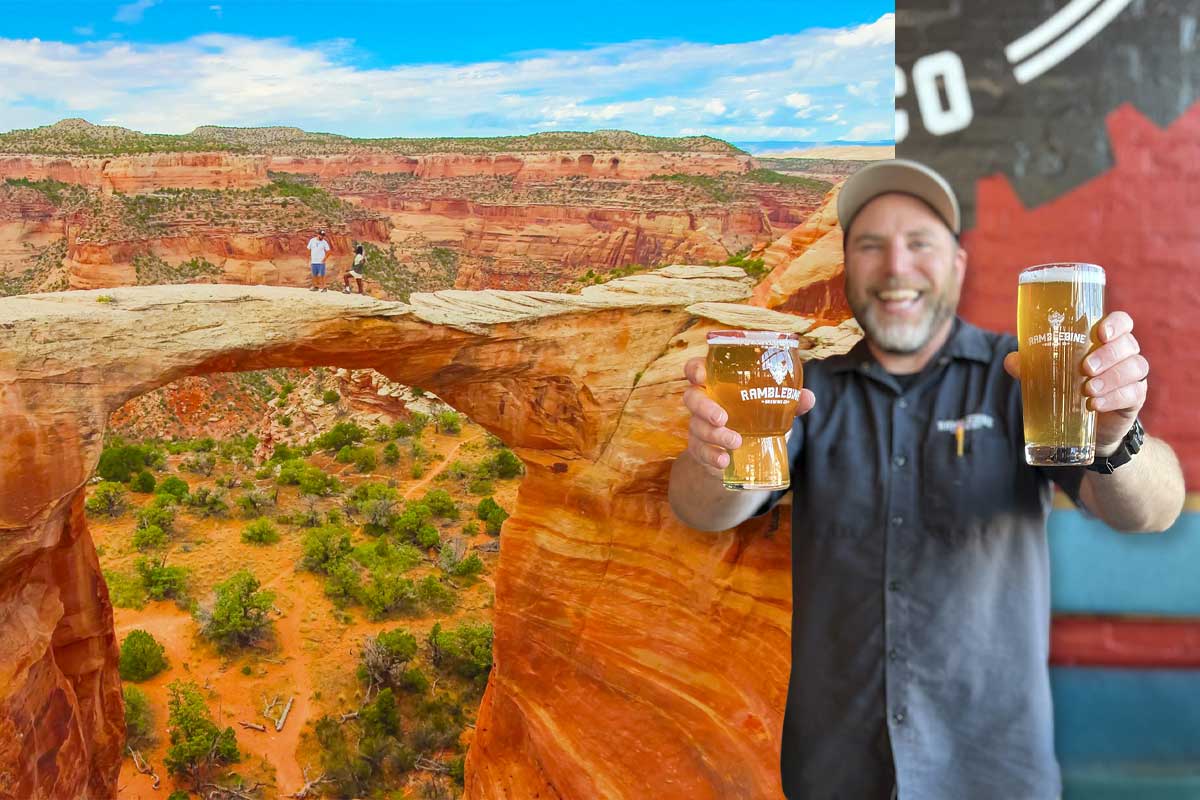
The mid-2010s and early 2020s marked a period of accelerated growth and specialization. In 2020, despite the global economic uncertainty of the COVID-19 pandemic, Ramblebine Brewing opened its doors, signaling a new era of experimental brewing. Founders Eli Gerson and Rob James introduced a philosophy that embraced both traditional European styles and modern American trends. Their flagship, God Hammer—a kveik-fermented Norwegian red ale—exemplified a willingness to utilize heritage yeast strains to produce complex, high-quality results.
The most recent phase of development is characterized by the integration of breweries into urban planning and lifestyle hubs. The opening of WestCo Brewing at Las Colonias Park represents a strategic alignment between the private sector and municipal development. Situated adjacent to the city’s amphitheater, WestCo is designed to function as a community gathering space, linking the city’s burgeoning arts scene with its craft beer identity.
Profiles in Innovation: Key Industry Players
The current landscape of Grand Junction brewing is defined by a handful of establishments that have successfully merged the city’s outdoor identity with technical brewing prowess.
Ramblebine Brewing: Technical Diversity
Ramblebine has distinguished itself through a rigorous commitment to stylistic variety. Their taproom serves as a laboratory for fermentation, offering everything from crisp, traditional lagers and West Coast IPAs to tart blueberry sours and barrel-aged stouts. The success of Ramblebine is often attributed to its educational approach; the staff is trained to guide novices through the nuances of different hop profiles and fermentation temperatures, fostering a more educated consumer base in the Western Slope.
Trail Life Brewing: The Intersection of Industry and Sport
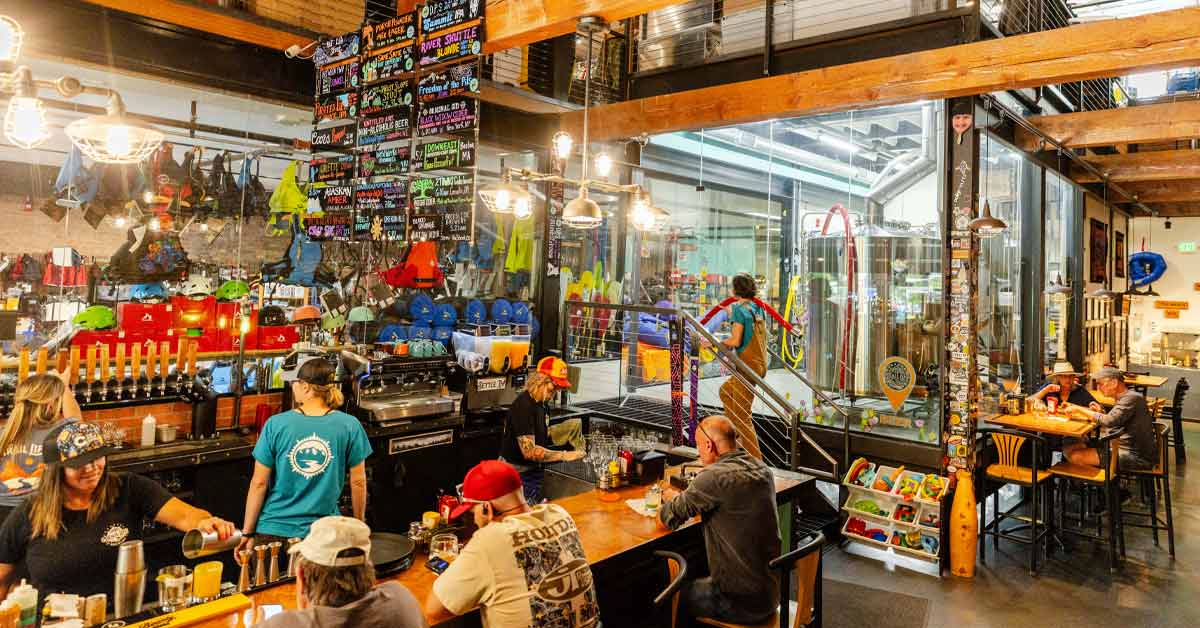
Trail Life Brewing perhaps best encapsulates the "Grand Junction lifestyle." By physically attaching the brewery to a mountain bike shop, the founders created a seamless transition from recreation to relaxation. This business model recognizes that for many residents and visitors, craft beer is the "social lubricant" of the outdoor community. The taproom atmosphere is high-energy, frequented by cyclists and hikers. Their portfolio includes a celebrated Black IPA (Pirates Life) and a range of sessionable blonde ales and Mexican-style lagers designed for post-activity consumption.
WestCo Brewing and Handlebar Tap House: The Gastropub Evolution
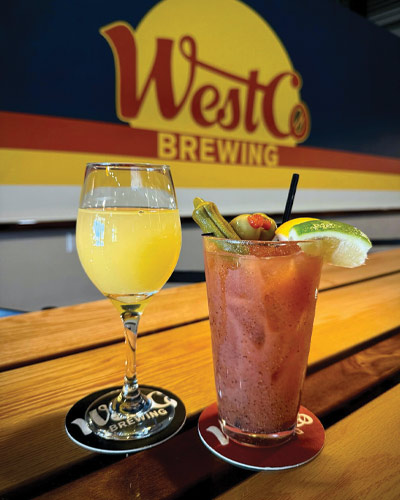
Adam Kinsey and head brewer Danny Wilson have pushed the boundaries of the traditional taproom experience with WestCo Brewing. Recognizing that the modern consumer demands more than just a liquid product, WestCo has invested heavily in a sophisticated culinary program. The menu features an eclectic mix of international and regional influences, such as Japanese chicken curry poutine, gyoza, and Colorado elk sloppy joes. This focus on "destination-worthy" food, paired with flavor-forward rice lagers and fruited sours, positions the brewery as a cornerstone of the city’s evening economy.
Supporting Data and Market Analysis
The growth of the Grand Junction beer scene is supported by broader trends within the Brewers Association’s annual reports. Colorado remains a top-tier state for craft brewing, contributing over $2.4 billion to the state’s economy annually. While the Front Range (Denver, Boulder, Fort Collins) accounts for the majority of this volume, the Western Slope is seeing the highest percentage of per-capita growth in new brewery licenses.
Furthermore, the "Bike-and-Brew" tourism model has proven to be a resilient economic driver. Studies on the economic impact of mountain biking in the Southwest indicate that cyclists are among the highest-spending tourists per day, with a significant portion of their discretionary income allocated to local food and craft beverages. By positioning breweries near trailheads and bike shops, Grand Junction has created a localized "circular economy" where outdoor assets directly fuel the hospitality sector.
Broader Implications and Future Outlook
The rise of Grand Junction as a premier beer destination has several implications for the state of Colorado and the broader craft beer industry. First, it serves as a successful case study for "Second-City Tourism." As flagship destinations like the Grand Canyon face the necessity of permit systems and crowd mitigation strategies, Grand Junction offers a relief valve, absorbing tourists and providing a comparable—if not more intimate—experience.
Second, the local beer scene is driving urban revitalization. The development of Las Colonias Park and the surrounding business district is a direct result of the city’s ability to attract entrepreneurs like Kinsey, Gerson, and James. These businesses provide not only jobs but also a sense of place and community identity that is essential for attracting a younger, professional workforce in the tech and outdoor industries.
Finally, the stylistic diversity found at establishments like Base Camp Beer Works—which experiments with pineapple-pistachio cream ales and peppermint bark porters—and Gemini Beer Company suggests that the Grand Junction market is becoming increasingly sophisticated. The local consumer is no longer satisfied with standard fare; they are seeking the same level of innovation found in major metropolitan markets.
Conclusion
Grand Junction stands at a pivotal moment in its history. The convergence of the Colorado and Gunnison Rivers now mirrors the convergence of a booming outdoor recreation industry and a world-class craft beer scene. For the enthusiast, the city offers an "embarrassment of riches"—a collection of expertly crafted beers set against the backdrop of some of the nation’s most stunning, yet least-crowded, natural wonders. As the secret of the Western Slope continues to spread, Grand Junction is poised to move from a "hidden gem" to a primary pillar of Colorado’s multi-billion-dollar tourism and brewing economy. The duty now falls to the traveler to explore this frontier before the rest of the world catches on.