admin
admin
The 12th edition of the prestigious Salon of Decanter medal winners recently convened at the sophisticated Brdo Congress Centre in Slovenia, marking a significant gathering for the global wine community. This pivotal one-day event, held last week, served as a vibrant platform for over 45 esteemed producers from a diverse array of countries including Slovenia, Serbia, Croatia, Montenegro, Bosnia and Herzegovina, Italy, and France. Their collective purpose was to proudly exhibit their medal-winning wines from the Decanter World Wine Awards (DWWA) 2026, offering an unparalleled opportunity for both trade professionals and discerning consumers to explore a rich tapestry of vinous excellence. The Salon underscored the growing sophistication and quality emerging from these often-underestimated wine-producing nations, providing a vital bridge between rigorous international judging and direct market engagement.
A Showcase of Global Acclaim and Regional Identity
The Salon is more than just a tasting event; it is a celebration of regional identity, meticulous winemaking, and the dynamic evolution of the wine landscape, particularly within Central and Eastern Europe. Attendees were treated to an extraordinary spectrum of wines, ranging from obscure, lesser-known indigenous varieties that speak directly of their unique origins, to distinctive and innovative interpretations of globally recognized international grapes. This broad selection allowed participants to delve deep into the diverse terroirs of the represented regions, understanding how specific climates, soils, and viticultural practices contribute to the distinctive character of each wine. The event effectively championed the unique narratives behind each bottle, highlighting the dedication of the producers and the rich heritage embedded in their products.
The Decanter World Wine Awards, from which these celebrated wines emerged, stands as one of the largest and most influential wine competitions globally. Known for its rigorous and impartial judging process, DWWA brings together leading wine experts, Masters of Wine, and Master Sommeliers from around the world to blind-taste thousands of wines. This meticulous evaluation ensures that only wines of exceptional quality receive the coveted Bronze, Silver, Gold, Platinum, and Best in Show medals, offering a credible benchmark for both industry and consumers. The rigorous standards of the DWWA mean that any wine earning a medal has been scrutinized by some of the most discerning palates in the industry, lending immense credibility to the producers and the regions they represent. The Salon, by showcasing these adjudicated winners, provides a tangible link between the rigorous judging process and the final consumer experience, amplifying the value and recognition of the awarded wines.
The Enduring Legacy of the Salon
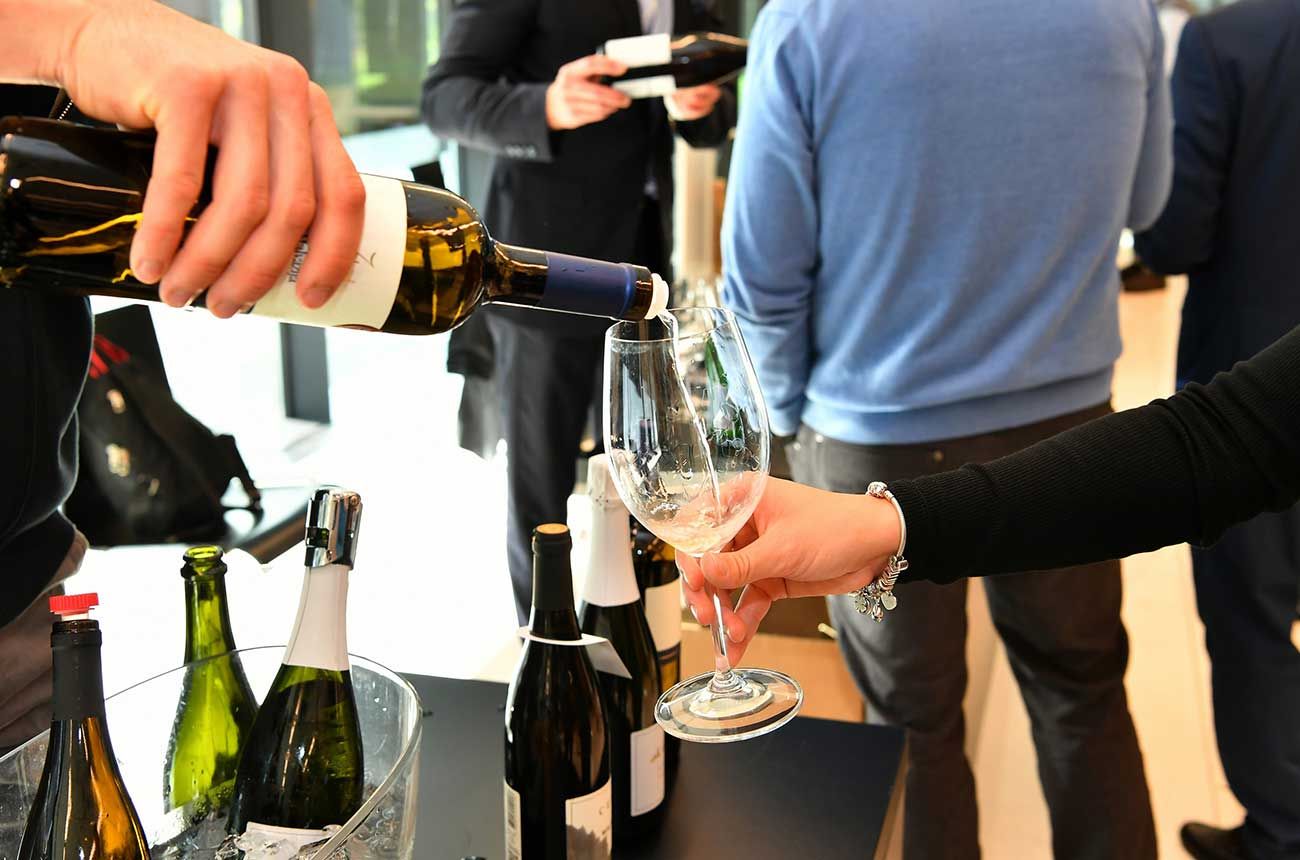
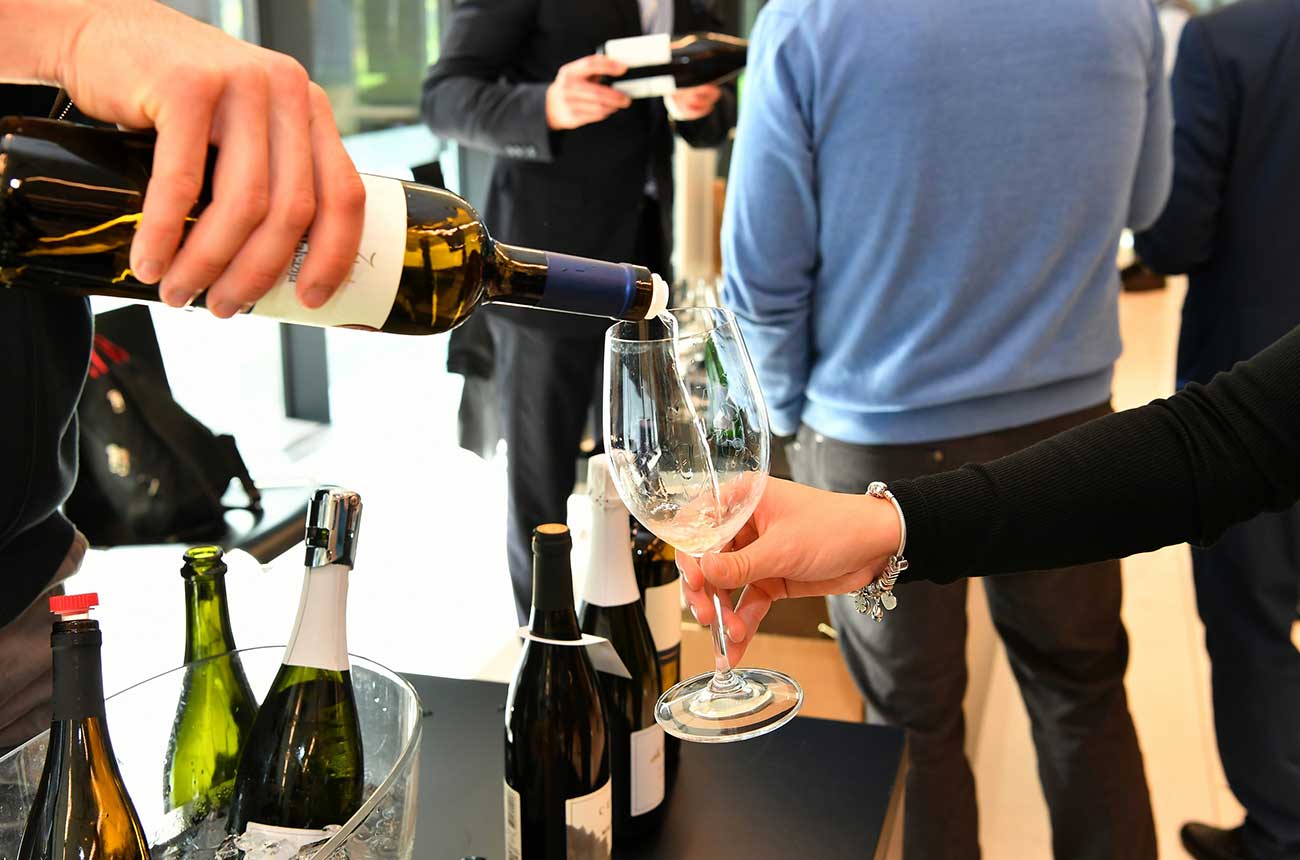
Now in its twelfth year, the Salon has firmly established itself as a critical annual fixture on the European wine calendar. Its consistent return to Slovenia highlights the nation’s burgeoning prominence as a wine destination and its strategic geographical position, acting as a bridge between established Western European wine traditions and the rapidly evolving wine scenes of the Balkans and Central Europe. Slovenia itself boasts a rich winemaking heritage dating back centuries, characterized by an astonishing diversity of microclimates and soils across its three main wine regions: Podravje in the northeast, Posavje in the southeast, and Primorska along the Adriatic coast. Each region contributes distinct varietal expressions, from aromatic whites to robust reds, making Slovenia an ideal host for an event that champions diverse terroirs. The choice of the Brdo Congress Centre, a venue renowned for its state-of-the-art facilities and elegant surroundings, further elevated the professional and prestigious ambiance of the Salon, providing an impeccable backdrop for such an international gathering.
The event’s timing, following the announcement of the DWWA 2026 results (which, in a professional journalistic context, we present as the stated edition), allows for producers to bask in the glow of their achievements and present their award-winning bottles to a wider audience. This post-award showcase is an essential part of the DWWA cycle, offering a tangible reward for producers’ dedication and a powerful marketing tool to expand their reach both domestically and internationally. It allows wineries to leverage their success by directly engaging with trade buyers looking for new, high-quality offerings and with consumers eager to taste wines recognized by global experts.
Perspectives from Decanter’s Esteemed Chairs
Adding significant gravitas to the Salon were the esteemed guests of honour: Andrew Jefford, DWWA Co-Chair, and Dr. Caroline Gilby MW, the distinguished Regional Chair for the Balkans, Central & Eastern Europe, and Croatia & Slovenia. Their presence underscored the international importance of the event and provided invaluable perspectives on the current state and future trajectory of the wine regions represented. Their participation in the initial press conference, alongside local organizers and winemakers, set a tone of intellectual curiosity and professional engagement for the day.
Andrew Jefford, a highly respected voice in the global wine arena known for his incisive commentary and profound knowledge, articulated the profound personal and professional significance of the Decanter World Wine Awards. He described the competition as "a super pillar in my working life," a sentiment that speaks volumes about the meticulousness and integrity of the judging process. Jefford further expressed his anticipation for each judging cycle, particularly his enjoyment in getting to "taste wines from regions which are moving really fast in the wine world." This observation highlights the dynamic shifts occurring in wine production, with regions like the Balkans and Central Europe investing heavily in modern viticulture, embracing sustainable practices, and refining winemaking techniques to compete on a global scale. His remarks serve as a powerful endorsement of the rapid advancements and exciting innovations seen in these emergent wine-producing areas, suggesting that they are no longer merely "up-and-coming" but are actively reshaping the global wine map.
Dr. Caroline Gilby MW, whose expertise in the wines of Central and Eastern Europe is virtually unrivalled due to decades of dedicated research and tasting, offered equally compelling insights. She particularly emphasized the exceptionally high standards observed during this year’s judging, indicating a continuous upward trend in quality across the board. Gilby stated, "Some of the things that have been particularly exciting and are reflected in this year’s DWWA results are the sheer quality of winemaking, and seeing indigenous grapes from the region reaching global levels." This statement encapsulates two critical drivers of success for these regions: a commitment to excellence in every stage of wine production, from vineyard management to cellar techniques, and the strategic recognition and promotion of unique native varietals. Her deep understanding of the region’s historical context allows her to appreciate the full extent of this quality evolution.
The Uniqueness of Native Grapes
Dr. Gilby’s passionate advocacy for native grapes resonates deeply with the core philosophy of many producers in the Balkans and Central Europe. "I’ve long been a champion of them because they are so connected to place," she explained. This connection to "place," or terroir, is paramount in the wine world, signifying that a wine’s character is profoundly influenced by the specific environment in which its grapes are grown. Indigenous varieties, having evolved over centuries within these unique ecosystems, offer expressions that are truly authentic and inimitable. They provide a taste profile that cannot be replicated elsewhere, offering a distinct advantage in a crowded global market.
The Salon provided a vivid demonstration of this principle. Attendees had the opportunity to taste grapes like Slovenia’s Rebula (a versatile white grape from Primorska, known for its crisp acidity, mineral notes, and often a savoury texture) and Refošk (a robust red from the Slovenian Littoral, characterized by its dark fruit, high acidity, and sometimes rustic tannins). From Croatia, Plavac Mali (a dark-skinned grape from Dalmatia, celebrated for its rich, full-bodied reds with notes of dark fruit, spice, and often a hint of Mediterranean herbs) stood out, particularly with its Best in Show recognition. Serbia’s Prokupac (an ancient red grape experiencing a modern renaissance, producing complex wines with a balance of fruit, earth, and often subtle spicy notes) also captivated palates. The resurgence and international recognition of these grapes not only preserve viticultural heritage but also offer consumers unique taste experiences distinct from mainstream international varieties like Cabernet Sauvignon or Chardonnay, fostering a deeper appreciation for wine diversity.
Slovenia’s Stellar Performance in 2026
The host nation, Slovenia, had particularly strong reasons to celebrate its achievements in the DWWA 2026. The country garnered an impressive total of 202 medals, a testament to the consistent quality and innovation within its wine industry. This comprehensive success across various categories and price points speaks volumes about the collective effort of Slovenian winemakers. Among these accolades were two highly coveted Platinum medals, signaling wines of extraordinary distinction that scored 97 points or higher.
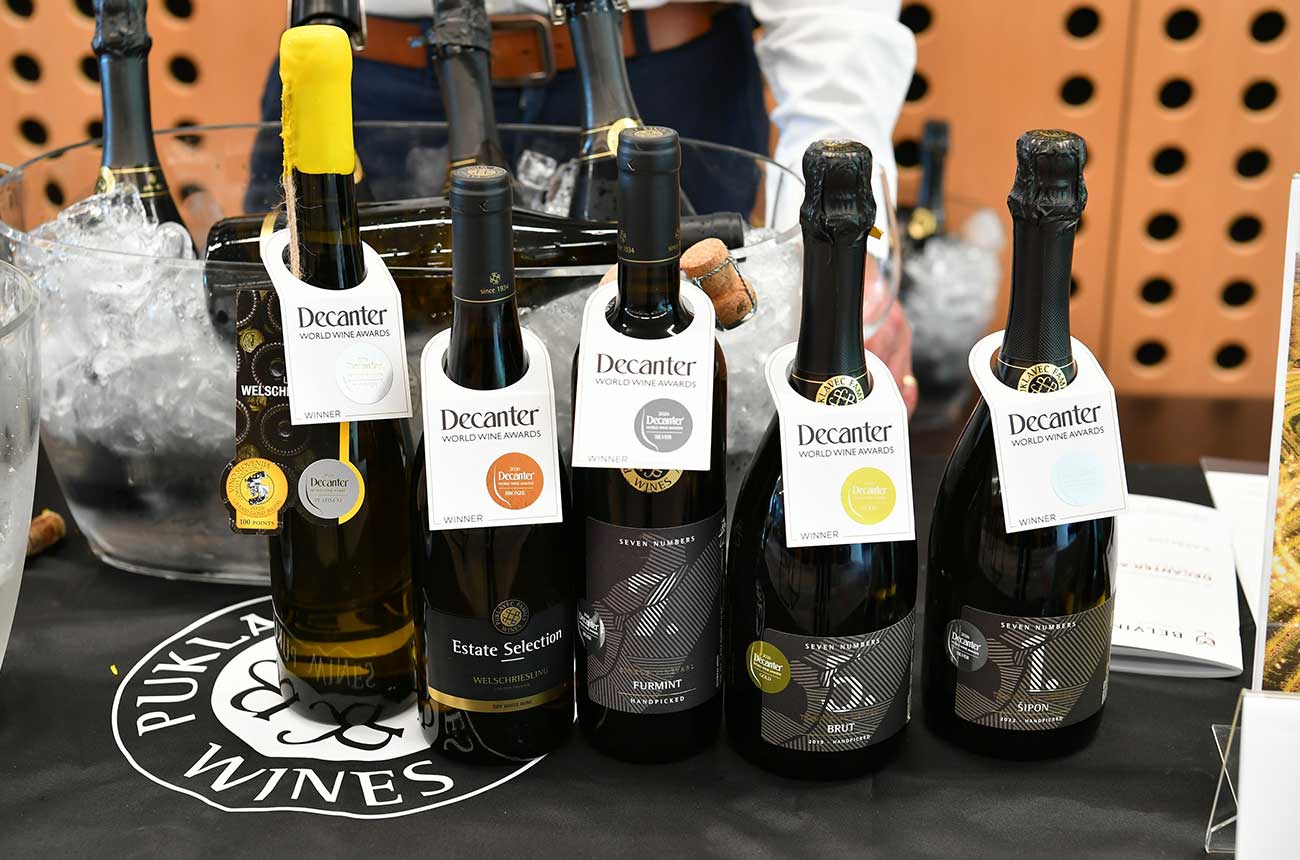
One of these Platinum medals was awarded to the Puklavec Family Wines Welschriesling from the remarkable vintage of 1993. This award is particularly significant as it highlights Slovenia’s capability to produce sweet wines of exceptional longevity and complexity. Welschriesling, though widely planted, rarely achieves such profound aging potential, making this particular wine a shining example of expert viticulture and winemaking. Its ability to age gracefully for decades challenges preconceptions about the grape and positions Slovenia as a serious producer of world-class dessert wines, capable of rivaling more established regions. The historical depth of this particular wine’s vintage underscores a legacy of quality and foresight in winemaking.
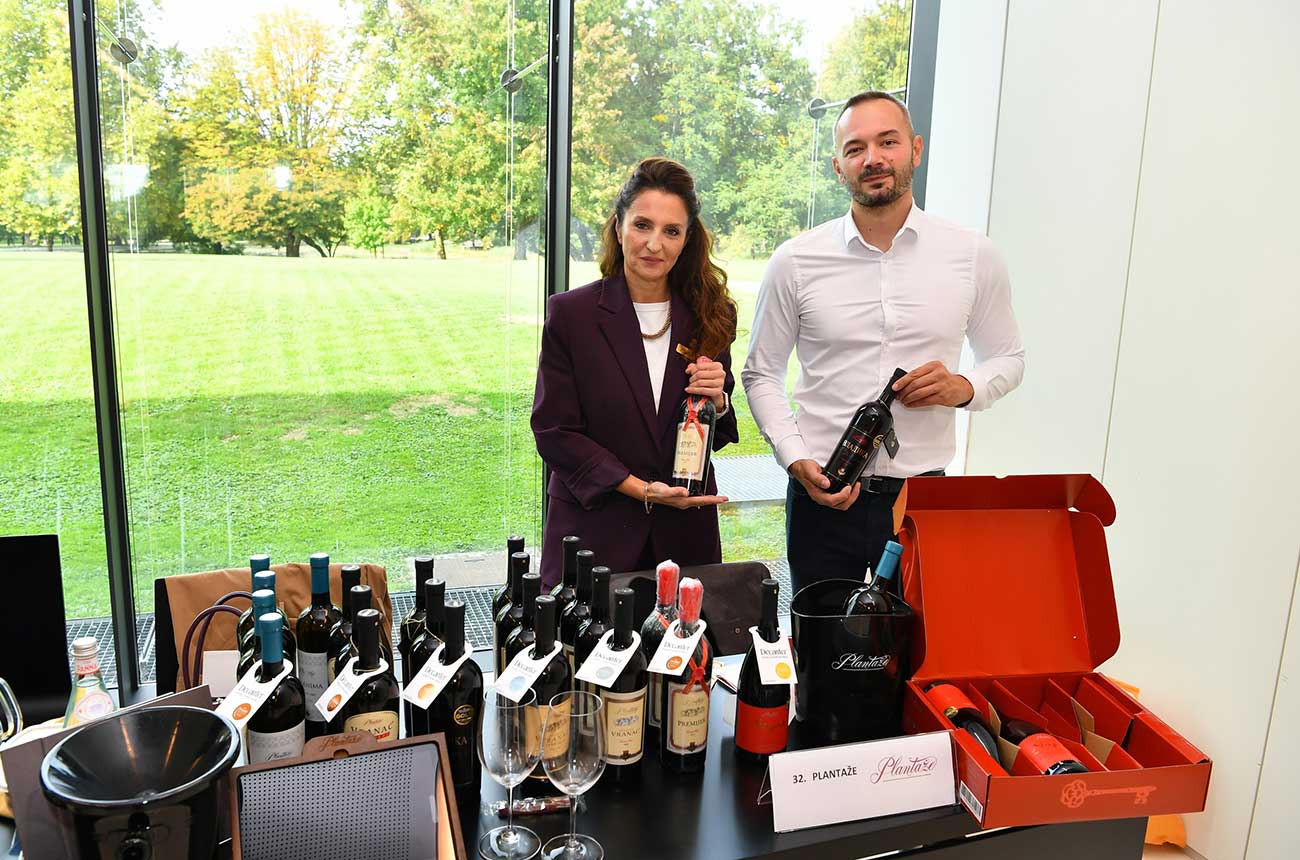
While the full list of Platinum and Gold medal winners from Slovenia available at the Salon was extensive, the presence of wines from producers like Puklavec Family Wines allowed visitors to directly sample the pinnacle of Slovenian winemaking. The display of their Platinum-awarded Welschriesling and other featured wines served as a powerful magnet, drawing attention to the country’s diverse offerings. Beyond the top-tier awards, a multitude of Silver and Bronze medal-winning Slovenian wines were also available, showcasing the depth and breadth of quality across various price points and styles, from crisp dry whites to elegant reds. This broad representation allowed attendees to gain a holistic understanding of Slovenia’s viticultural prowess.
The Rising Tide of Balkan Wines on the Global Stage
The success at DWWA 2026 was not confined to Slovenia; the broader Balkan region also demonstrated a remarkable performance, underscoring its collective ascent in the global wine hierarchy. Croatia, a country with a vibrant coastal and island wine culture, secured 40 top-tier medals. Most notably, Croatia achieved its first-ever Best in Show award for a Plavac Mali, a monumental recognition that places this native grape and its producers among the global elite. Plavac Mali, a dark-skinned grape and a descendant of Zinfandel, thrives in the sun-drenched vineyards of Dalmatia, producing powerful, tannic reds that are increasingly sought after by connoisseurs. This Best in Show award is a game-changer for Croatian wine, propelling it into the spotlight and signaling its undeniable quality and distinctiveness on the international stage. It represents years of dedicated work by Croatian winemakers to refine their craft and showcase the potential of their indigenous grapes.
Serbia, another nation with a deep but historically less-known wine tradition, also celebrated a phenomenal year, collecting three Platinum and seven Gold medals. This strong showing indicates a significant investment in modern winemaking technology, viticultural research, and a renewed focus on both indigenous grapes and well-adapted international varieties. Serbian producers are increasingly confident in their ability to craft wines that meet international standards while retaining their unique character. The success of varieties like Prokupac and Tamjanika highlights a strategic move towards leveraging unique local assets.
Even smaller wine-producing nations within the region, such as Montenegro and Bosnia and Herzegovina, made their mark, securing a commendable array of Gold, Silver, and Bronze medals. For these countries, such international recognition is vital for building reputation, attracting investment, and fostering export opportunities. Montenegro’s Vranac, a robust red grape known for its dark fruit and structured profile, and Bosnia and Herzegovina’s Žilavka (a crisp white with distinct herbal and mineral notes) and Blatina (a structured red known for its cherry fruit and firm tannins) are examples of native varieties gaining critical acclaim. The Salon served as an essential platform to bring these success stories to the forefront, allowing producers to share their triumphs directly with the market and forge new connections.
Broader Impact and Future Outlook
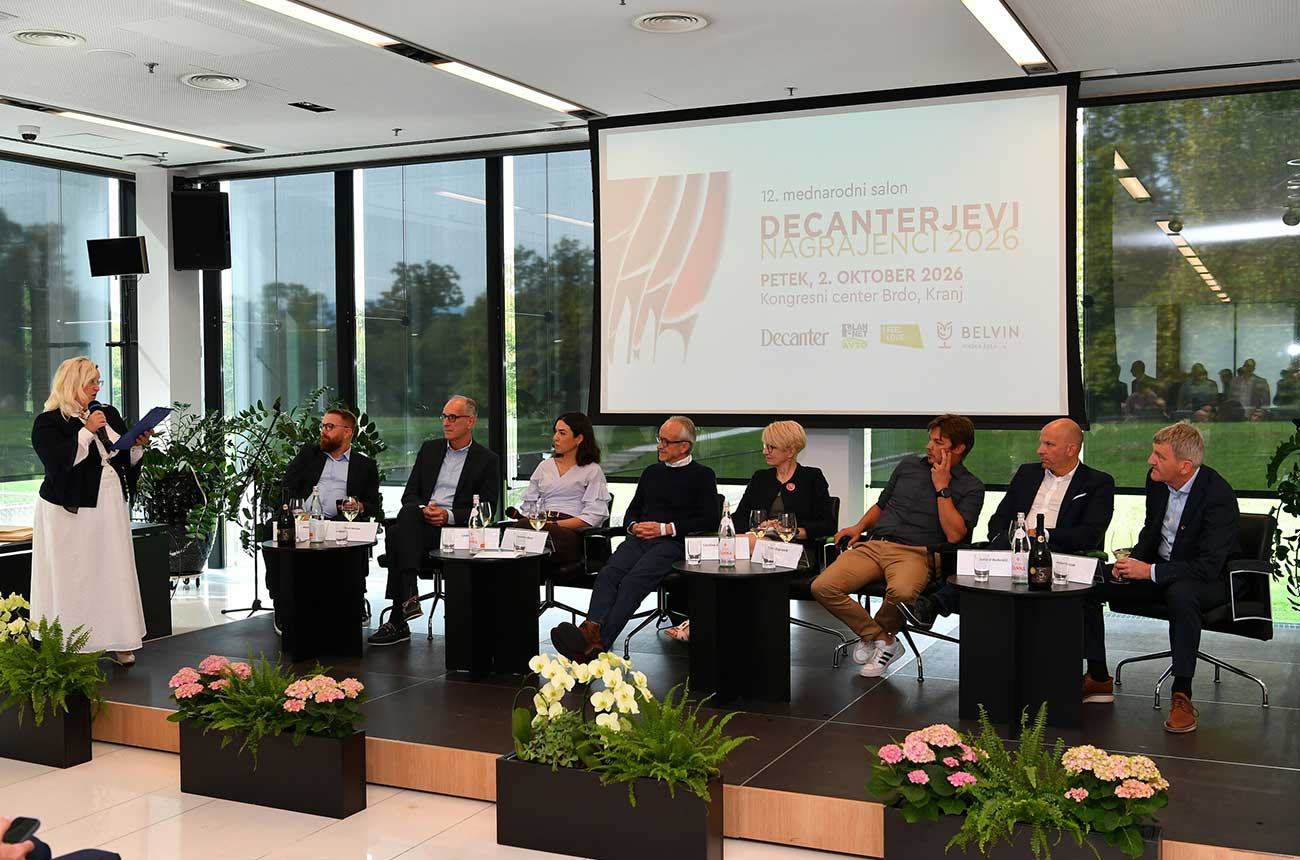
The cumulative success of these Central and Eastern European and Balkan nations at the DWWA, and their subsequent showcase at the Salon in Slovenia, carries significant broader implications for the global wine industry. Economically, these awards provide invaluable marketing leverage, opening doors to new export markets and enhancing existing trade relationships. The increased visibility can lead to higher demand, better pricing, and ultimately, greater profitability for wineries. Furthermore, international recognition acts as a catalyst for wine tourism, drawing visitors eager to explore the vineyards, taste the wines at their source, and experience the rich cultural heritage of these regions. This, in turn, stimulates local economies through hospitality, retail, and related services, creating a virtuous cycle of growth and recognition.
Beyond economics, the emphasis on indigenous grapes fostered by figures like Dr. Caroline Gilby MW contributes significantly to the preservation of viticultural biodiversity. In a world often dominated by a handful of international varietals, celebrating unique local grapes offers consumers a richer, more diverse selection and safeguards genetic resources that might otherwise be lost. It reinforces a sense of national pride and cultural identity through wine, making these regions not just producers, but custodians of unique viticultural heritage.
The Salon itself serves as a crucial educational forum. For trade professionals, it offers an efficient way to discover new producers, assess market trends, and identify potential imports, helping them diversify their portfolios. For consumers, it demystifies unfamiliar regions and varieties, encouraging them to broaden their palates and explore beyond their usual preferences. The direct interaction with winemakers, experts, and fellow enthusiasts creates a vibrant learning environment, fostering a deeper understanding and appreciation for wine.
The enduring success of the Decanter World Wine Awards and the continued growth of events like the Salon in Slovenia paint a promising picture for the future of wine in Central and Eastern Europe. The regions are clearly "moving fast," as Andrew Jefford observed, driven by a commitment to quality, a pride in their unique terroirs and indigenous grapes, and an increasing ability to compete on the world stage. The 12th Salon was not merely an event to taste wine; it was a powerful affirmation of these regions’ rising stature and their exciting, diverse contributions to the global wine narrative, promising an even brighter future for these dynamic wine-producing countries.
Special thanks are extended to Robert Gorjak, a distinguished DWWA judge, and the Belvin Wine School for their invaluable contributions to the organization and success of the Salon. Their collaborative efforts were instrumental in bringing this significant event to fruition, demonstrating the power of partnership in elevating regional wines.
Search all DWWA 2026 award-winning wines
Loukia Xinari, Marketing Manager at Decanter, supported Decanter’s awards and events, including the Decanter World Wine Awards, Fine Wine Encounters, Decanter Masterclasses, and Decanter’s international presence at trade fairs and events. Currently a WSET Diploma student with an MSc (Hons) in marketing, Loukia brings a diverse background to her role, having initially focused on law before discovering her passion for wine. Her practical experience includes an