admin
admin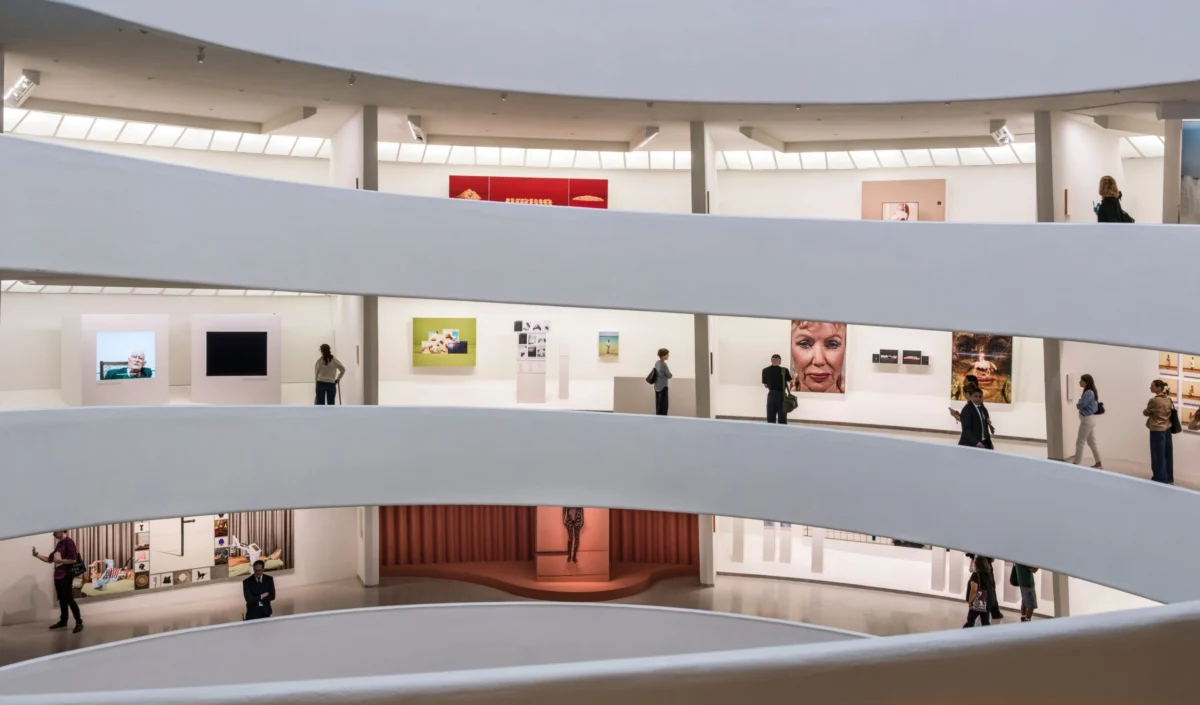
As the days shorten and a crisp chill settles over New York City, the vibrant art landscape offers a compelling counterpoint to the seasonal shift. From the avant-garde explorations of contemporary artists to retrospectives on influential movements and the historical narratives embedded in iconic city streets, Manhattan, Brooklyn, and beyond are showcasing a diverse array of exhibitions. These presentations expand the very definition of art, inviting visitors to engage with a rich tapestry of creativity, history, and societal reflection. This guide delves into the most significant art exhibitions currently gracing the city, offering a comprehensive overview for art enthusiasts and cultural explorers alike.
New Museum: Chronicles of Identity and Urban Evolution
The New Museum, a beacon of contemporary art in the Lower East Side, continues its tradition of presenting thought-provoking exhibitions that grapple with complex themes of identity, technology, and societal change. Following an impactful exhibition on the intersection of technology and humanity, the museum now presents two significant solo shows that delve into the profound depths of individual experience and the enduring legacy of place.
Arthur Jafa: I Am Tony
Spanning two floors of the museum, Arthur Jafa’s first comprehensive solo exhibition in New York, "I Am Tony," offers a career-spanning retrospective of the American artist and cinematographer’s work over four decades. Jafa, known for his profound engagement with Black culture and history, has meticulously curated an exhibition that challenges viewers to confront the multifaceted nature of Black identity in America.
A cornerstone of the exhibition is Jafa’s acclaimed eight-minute video montage, Love is the Message, the Message is Death. This seminal work is a powerful and emotionally resonant chronicle of the Black experience throughout the 20th century, weaving together a complex narrative of grief, joy, and resilience. Through a masterful juxtaposition of sampled clips from music videos, news broadcasts, sporting events, and personal archives, Jafa constructs a visceral and unflinching portrait of the triumphs and tribulations faced by Black communities. The work’s impact lies in its ability to evoke a shared sense of history and collective memory, prompting deep reflection on the ongoing struggle for equality and recognition. The exhibition also features a selection of Jafa’s other groundbreaking video installations and photographic works, many of which have been critically lauded for their innovative approach to visual storytelling and their unflinching examination of social and political issues.
Bowery: Devil’s Mile

Complementing Jafa’s exploration of identity, the exhibition Bowery: Devil’s Mile on the museum’s second floor undertakes a comprehensive four-century journey through the history and evolving identities of the legendary lower Manhattan street. This exhibition traces the Bowery’s transformation from a pre-colonial Lenape footpath to a bustling thoroughfare, and its subsequent incarnations as a fin-de-siècle hub of saloons and dance halls, a gathering place for Beatniks, and a fertile ground for punk and post-rock subcultures. The exhibition situates the New Museum itself within this rich historical continuum, highlighting the neighborhood’s enduring spirit of artistic and social experimentation.
"Bowery: Devil’s Mile" draws upon a diverse range of archival materials, including 19th-century sideshow flyers, seminal photographs by Jacob Riis documenting the lives of the working class, and ephemera from iconic music venues and artistic movements that defined the street’s cultural landscape. The exhibit offers a nuanced perspective on the area’s complex past, acknowledging its reputation as a "Skid Row" while simultaneously celebrating its contributions to New York’s artistic and cultural heritage. The inclusion of artifacts that speak to the street’s bohemian and countercultural roots provides a vivid testament to its persistent allure for artists, musicians, and free spirits.
Arthur Jafa: I Am Tony is on view through January 3, 2027.
Bowery: Devil’s Mile is on view through January 31, 2027.
Solomon R. Guggenheim Museum: Unraveling Narratives of Encounter and Connection
The iconic Frank Lloyd Wright-designed Solomon R. Guggenheim Museum presents Father Country I Do Love You, a monumental exhibition by acclaimed artist Taryn Simon. This ambitious installation, the largest body of work to debut at the Guggenheim, utilizes Simon’s signature blend of photography, text, and sculpture to explore intricate webs of stories, secrets, and clandestine encounters.
Taryn Simon: Father Country I Do Love You
The exhibition commences with a personal anecdote shared by Simon’s father about an intelligence officer he encountered years ago, setting the stage for the artist’s own subsequent encounter with an anonymous ex-FBI agent. Through a vast collection of over a thousand images, accompanied by evocative text and sculptural elements, Simon meticulously charts the myriad stories and historical events that intersect with this agent’s life. The narrative unfolds as a series of nested tales, revealing the hidden connections and often surprising convergences between individuals, places, and pivotal historical moments.
The exhibition’s placement within the Guggenheim’s signature spiraling rotunda amplifies its thematic resonance, creating a disorienting yet captivating experience that mirrors the labyrinthine nature of the narratives presented. Simon’s work consistently probes the structures of power, the dissemination of information, and the subjective nature of truth. Father Country I Do Love You is no exception, offering a profound meditation on the unseen forces that shape our world and the elusive nature of certainty in an era of pervasive surveillance and information overload. The sheer scale and complexity of the installation invite prolonged engagement, encouraging viewers to piece together their own interpretations from the fragmented clues provided.

Father Country I Do Love You is on view through March 14, 2027.
Amant: A Collective Contemplation of Planetary Consciousness
Nestled within the industrial landscape of East Williamsburg, Brooklyn, Amant, an artist residency and exhibition space, has emerged as a significant cultural hub. Its recent expansion, including the opening of its restaurant Zoli, has further cemented its presence. Amant’s current campus-wide installation, Sentient Earth, invites a critical dialogue about humanity’s relationship with the planet.
Sentient Earth
This ambitious exhibition features the work of 28 artists who have been tasked with interpreting what the Earth might communicate if it possessed sentience. The resulting collection is a powerful and often sobering examination of the human impact on the environment. Artists have employed a diverse range of mediums to convey their messages, from monumental installations of blister pill packs reimagined as ancient artifacts to sculptures crafted from industrial mining tools and refuse. These works serve as stark reminders of our collective ecological footprint and the urgent need for sustainable practices.
Sentient Earth is not without its moments of dark humor and undeniable urgency, prompting viewers to confront the consequences of their actions and to consider the planet not as a passive resource, but as a living, breathing entity. The installation’s site-specific nature within Amant’s unique architectural spaces further enhances its impact, creating an immersive experience that encourages introspection and dialogue. The exhibition underscores the growing artistic discourse surrounding climate change and environmental justice, positioning art as a crucial catalyst for awareness and change.
Admission to Amant for Sentient Earth is free and open to the public.
Sentient Earth is on view through February 14, 2027.
Museum of Modern Art (MoMA): Artistic Experimentation and Forensic Investigations
The Museum of Modern Art (MoMA) presents a dual exploration of radical artistic experimentation and profound social commentary, showcasing the power of art to challenge conventions and confront difficult realities.

The Surrealist Book: Tomorrow Lives in Mirrors
This exhibition delves into the often-overlooked medium of the book as a primary site for Surrealist ideological and formal experimentation. The Surrealist Book: Tomorrow Lives in Mirrors highlights the crucial role that printed matter played in the movement’s efforts to disrupt societal norms and explore the subconscious. Featured works include rare publications by foundational figures such as André Breton and Max Ernst, alongside particularly compelling photomontages by Claude Cahun. Cahun, a queer artist who masterfully employed portraiture and poetry to explore fluid notions of gender, is finally receiving due recognition for their groundbreaking contributions, which were largely overlooked throughout the 20th century. The exhibition illuminates how these artists utilized the book form not just for text, but as a canvas for visual and conceptual innovation, pushing the boundaries of artistic expression.
Teresa Margolles: Aproximación al lugar de los hechos (Approaching the Scene)
On the museum’s second floor, Teresa Margolles’s exhibition Aproximación al lugar de los hechos employs a forensic approach to examine the pervasive issue of femicide and systemic violence across the United States, with a particular focus on Minnesota, California, and Texas. Margolles, who previously worked as a forensic pathologist, utilizes fragments of evidence – such as shattered glass and soil – to create an overwhelming sense of loss. The exhibition powerfully conveys the profound impact of violence not only on its victims but also on their families and communities, evoking a deep emotional response from viewers.
The exhibition extends to MoMA PS1 in Long Island City, Queens, with Teresa Margolles: En el lugar de los hechos (At the Scene), offering a continuation of Margolles’s critical investigation into the aftermath of violence and the spaces where it occurs. This geographically dispersed presentation underscores the pervasive nature of the issues Margolles addresses and encourages a broader engagement with her unflinching artistic practice. The concurrent exhibitions highlight MoMA’s commitment to presenting art that is both aesthetically compelling and socially relevant.
The Surrealist Book: Tomorrow Lives in Mirrors is on view through January 23, 2027.
Teresa Margolles: Aproximación al lugar de los hechos (Approaching the Scene) is on view through summer 2027.
Museum at Fashion Institute of Technology (FIT): The Enduring Allure of the Doll
The Museum at FIT explores the multifaceted relationship between dolls and fashion in its engaging exhibition, Doll Dressing. This exhibition examines the historical and cultural significance of dolls as both children’s toys and potent muses for designers, revealing their profound influence on sartorial trends and personal aspirations.

Doll Dressing
Spanning three centuries, Doll Dressing traces the ways in which dolls have shaped and dictated the way we dress ourselves. The exhibition showcases how brands and designers, including Margiela, Loewe, and Marc Jacobs, have playfully engaged with scale and illusion through doll-inspired creations. It also delves into the archetype of the "living doll," drawing connections between the 1960s icon Twiggy and contemporary Lolita subcultures. Beyond the fashion inspirations, the exhibition features an impressive array of dolls themselves, from iconic figures like Barbie and Bratz to boudoir dolls and lesser-known Japanese Takara dolls, illustrating the diverse forms and cultural meanings they embody. The exhibition underscores the enduring power of dolls as objects of fantasy, aspiration, and sartorial inspiration.
Doll Dressing is on view through January 3, 2027.
Brooklyn Museum: The Global Impact of Manga and Indigenous Craftsmanship
The Brooklyn Museum offers a dual exhibition that celebrates the global reach of Japanese manga and the profound cultural significance of Hopi Kachina dolls. These exhibitions provide distinct yet complementary insights into art forms that transcend cultural boundaries.
Art of Manga
As the first major exhibition in the Americas dedicated to the genre, Art of Manga provides a comprehensive look at the now-global phenomenon of Japanese graphic novels and their indelible influence on art, storytelling, and popular culture. Featuring over 600 drawings, the exhibition includes original works from renowned artists such as Hirohiko Araki, creator of the cult-favorite JoJo’s Bizarre Adventure; Eiichiro Oda, author of the best-selling One Piece, which has seen a successful Netflix adaptation; and the celebrated horror artist Junji Ito. The exhibition highlights manga’s evolution from its roots to its contemporary status as a significant artistic and narrative force worldwide, demonstrating its complex visual language and diverse thematic explorations.
Hopi Kachina Dolls: Blessings for a Balanced World

Complementing the exploration of global art forms, the exhibition Hopi Kachina Dolls: Blessings for a Balanced World offers a poignant look at indigenous craftsmanship and spiritual traditions. This display features 53 beautifully painted and carved wooden figures, which are traditionally given to Hopi girls and women as they come of age. The Kachina dolls, representing ancestral spirits and embodying cultural knowledge and rituals, serve as vital links to Hopi heritage and their deep connection to the natural world. The exhibition underscores the artistic skill and cultural significance embedded within these sacred objects, offering viewers a glimpse into the rich traditions of the Hopi people and their enduring quest for balance and harmony.
Art of Manga is on view through January 31, 2027.
Hopi Kachina Dolls: Blessings for a Balanced World is on view through June 27, 2027.
The New-York Historical Society: The Rhythmic Pulse of a City in Transition
The New-York Historical Society, the city’s oldest museum, presents a vibrant exhibition that captures the electrifying cultural shifts of a pivotal era in New York City’s history. As part of its six-part series celebrating America’s 250th anniversary, You Should Be Dancing: New York, 1976 and Beyond delves into the dynamic interplay of disco, punk, and hip-hop that defined the city’s cultural landscape during a period of significant economic and social upheaval.
You Should Be Dancing: New York, 1976 and Beyond
This exhibition revisits the distinct yet overlapping music and dance scenes that flourished across New York’s boroughs and in its legendary clubs. The exhibition offers a tangible connection to this era through iconic artifacts, including an original awning from the legendary CBGB, alongside ephemera such as handwritten lyrics by Patti Smith and Richard Hell, a coveted Studio 54 party invitation, and an early screenplay for the seminal film Saturday Night Fever. These artifacts serve as tangible touchstones to a period of intense creative energy and cultural innovation.
The exhibition meticulously documents how these genres, born from the city’s struggles and its indomitable spirit, not only provided an outlet for expression but also shaped fashion, language, and social movements. It highlights the resilience and creativity of New Yorkers who, amidst economic hardship, forged vibrant subcultures that would have a lasting impact on global popular culture. You Should Be Dancing provides a compelling narrative of artistic resilience and the enduring power of music and dance to shape identity and foster community. The New-York Historical Society’s presentation underscores the vital role of cultural institutions in preserving and interpreting the multifaceted history of New York City.
You Should Be Dancing: New York, 1976 and Beyond is on view through April 2, 2027.