admin
admin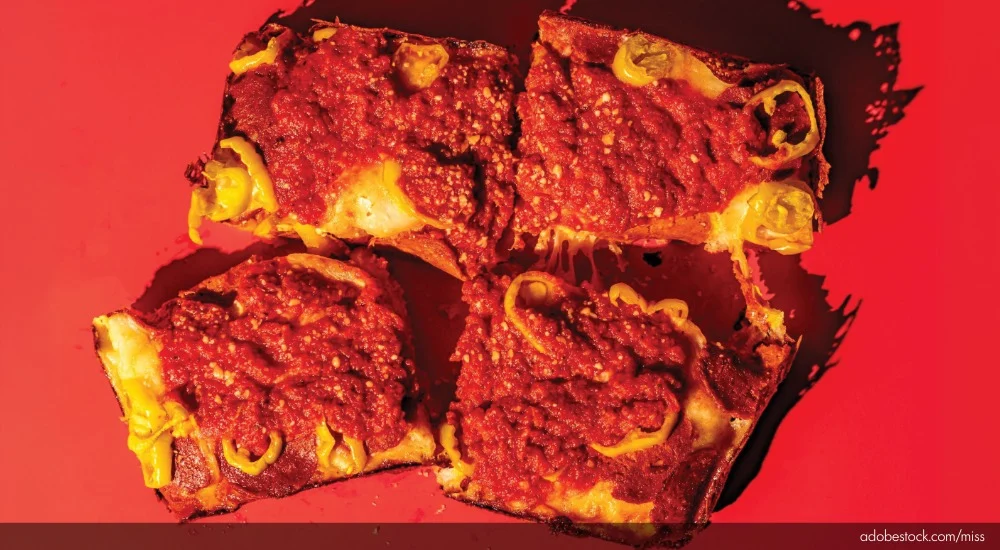
The culinary landscape of the pizza industry is experiencing a dynamic transformation, driven by an accelerating confluence of social media influence, evolving consumer preferences, and a relentless pursuit of innovation. What once took years to propagate across regional markets now spreads globally in mere moments, turning local culinary experiments into national sensations. This rapid dissemination of ideas, largely fueled by digital platforms, means that pizzeria operators must remain acutely aware of emerging trends to stay competitive and relevant. From the crispness of a crust to the nuance of a dipping sauce, and even the size of a serving, every aspect of the pizza experience is being re-evaluated to meet the demands of today’s discerning and health-conscious consumer.
The Crispy Crust Renaissance: A Deep Dive into Texture and Tradition
The pursuit of the perfect crust has always been central to pizza artistry, but contemporary trends reveal a pronounced shift towards crispier, more structurally robust foundations. This isn’t merely a fleeting preference; it’s a multi-faceted movement encompassing a revival of classic styles and the emergence of innovative techniques, all amplified by social media’s visual appeal.
One of the most notable resurgences is that of Tavern Style pizza, a beloved Chicago staple characterized by its thin, cracker-like crust, often cut into squares despite its round shape. This style, historically popular in Midwestern bars, offers a satisfying crunch and a sturdy base capable of supporting generous toppings without buckling. Its growing national interest signals a desire for pizzas that offer both textural pleasure and ease of sharing. Similarly, the East Coast has seen a renewed appreciation for bar pies, typically smaller, individual-sized pizzas with exceptionally thin, crispy crusts, often baked in dedicated deck ovens to achieve a distinct char and snap. These pies, perfect for solo dining or light sharing, tap into both the crispy crust trend and the emerging demand for smaller portions. The New York slice, an enduring icon, is also experiencing a rediscovery, with consumers and critics alike emphasizing the importance of its classic thin, foldable, yet crisp-edged crust. The ability to fold a slice without it becoming soggy, while still offering a satisfying bite, remains a benchmark of quality.
Beyond American shores, Italy’s Pizza Tonda Romana is beginning to make significant inroads into the U.S. market. Distinct from the softer, chewier Neapolitan style, the Tonda Romana features an exceptionally thin, almost cracker-like crust that bakes up incredibly crispy and light. Its unique texture and delicate structure offer a sophisticated alternative, appealing to those seeking a lighter, more refined pizza experience. Several new pizzerias specializing in this Roman style have opened, with industry insiders predicting a broader expansion in the coming years.
The digital realm, particularly platforms like TikTok and Instagram, has given rise to entirely new crispy crust phenomena. Lingue di pizza, translating to "pizza tongues," is one such viral sensation. These extremely thin, elongated, skateboard-shaped dough bases are baked with minimal toppings, typically just tomato sauce and herbs, until they achieve a deeply charred and audibly crunchy texture. A key characteristic of lingue di pizza is its often yeast-free dough, making it incredibly quick to prepare – a significant advantage for busy kitchens and home cooks alike. The "audio pop" of its shatteringly crisp bite, easily captured and shared in short-form videos, has made it an algorithmic darling, inspiring countless likes and shares. What began as a home-cooking trend has rapidly transitioned onto pizzeria menus nationwide, demonstrating the power of social media to democratize culinary innovation.
Further pushing the boundaries of texture are pioneering pizzerias like Truly Pizza in Laguna Beach and Dana Point, California. Their "wizards" have perfected the art of the micro-blistered crust, inspiring hundreds of other operators to emulate their technique. This coveted texture, characterized by myriad tiny, air-filled pockets that create an incredibly delicate yet crisp bite, is achieved through a meticulous process involving extended fermentation times, precise dough hydration, careful handling to preserve gas structures, and the application of a small amount of olive oil to the pizza’s edge before baking. The olive oil contributes to a more even browning and crisping of the rim, while the extended fermentation develops complex flavors and a more elastic dough structure, allowing for those desired micro-blisters to form during the rapid heat transfer in a high-temperature oven. The scientific principle at play involves the rapid expansion of gases and water vapor within the dough, coupled with the Maillard reaction that creates browning and flavor, resulting in a crust that "shatters" with each bite.
The validation of such advanced techniques in competitive arenas underscores their significance. Micro-blistered crusts have become a focal point at prestigious events like the International Pizza Challenge in Las Vegas and the Caputo Cup in Naples, Italy. When a specific technique or style gains traction and recognition in these high-stakes competitions, it serves as a strong indicator of its impending widespread popularity and influence on industry standards. For operators, this crispy crust renaissance necessitates a re-evaluation of dough recipes, fermentation protocols, oven temperatures, and even ingredient sourcing to meet the evolving demands for superior texture.
Detroit Style’s Unyielding Ascent: A Case Study in Sustained Growth
While many trends peak and fade, Detroit Style pizza stands as a testament to sustained, explosive growth, cementing its place as a cornerstone of modern American pizza. Its trajectory since 2012, when Shawn Randazzo’s Detroit-style pizza earned him the coveted title of Pizza Maker of the Year, has been nothing short of remarkable.
Originating in the mid-20th century at Buddy’s Rendezvous in Detroit, this distinctive rectangular pizza, baked in square steel pans (originally automotive parts trays), features a thick, airy, focaccia-like crust with a caramelized cheese edge (frico), stripes of sauce on top, and toppings often layered beneath the cheese. For decades, it remained a regional delicacy, beloved in Michigan but largely unknown elsewhere. Randazzo’s victory at the International Pizza Challenge, however, provided a national spotlight, catalyzing its transformation into a culinary phenomenon.
Data from Google Trends paints a clear picture of its enduring appeal, showing a staggering 420% growth over the past decade. Crucially, this growth has been steady and organic, not a volatile spike indicative of a fleeting fad. This consistent upward trend suggests deep market penetration and genuine consumer demand, distinguishing it from many other short-lived food crazes. Industry reports further corroborate this, with market intelligence firms like Technomic noting Detroit Style’s increasing presence on menus across various restaurant segments, from independent pizzerias to fast-casual chains.
Despite its perceived ubiquity among pizza aficionados, Detroit Style pizza has yet to reach a saturation point. Its operational advantages are a primary driver of its continued expansion. Unlike hand-stretched styles such as Neapolitan or New York, which require skilled manual manipulation immediately upon order, Detroit dough simply needs to be pressed into its pan and allowed to proof. This simplified prep process reduces the need for highly specialized labor and speeds up service. Furthermore, the ability to par-bake the crusts in advance allows pizzerias to further streamline operations during peak hours, significantly improving kitchen efficiency and consistency. The sturdy, thick crust also offers superior stability, capable of holding a substantial amount of toppings without becoming soggy or collapsing, making it a versatile canvas for culinary creativity. These combined factors — ease of production, operational flexibility, and robust structure — explain why Detroit Style has become a "pillar of the pizza Pantheon," offering a reliable and appealing option for both operators and consumers. Its robust demand and operational efficiencies make it an attractive addition to any pizzeria’s menu, promising continued relevance in the competitive market.

Elevating the Experience: The Pervasive Influence of Gourmet Condiments
The days when ranch and garlic sauce were exclusively associated with late-night college joints or national fast-food chains are long gone. In a significant shift, independent pizzerias have fully embraced the condiment wave, transforming dipping sauces from mere afterthoughts into integral components of the gourmet pizza experience. This evolution reflects a broader trend in dining where customization and elevated flavor profiles are highly valued.
The catalyst for this condiment revolution can largely be traced to the introduction of hot honey to the pizza market. Mike’s Hot Honey, launched in 2010, is widely credited with pioneering this sweet-and-spicy sensation. Its immediate popularity demonstrated a clear consumer appetite for innovative flavor pairings with pizza. Hot honey has since blossomed into its own distinct category, experiencing an astounding 230% growth over the past four years alone. This exponential rise is a testament to the power of the "swicy" (sweet and spicy) trend, a term coined by HTF Market Intelligence to describe the growing consumer preference for flavor profiles that balance heat with sweetness. The success of hot honey has propelled such products from quirky niche offerings to mainstream staples.
The initial success of flavored honey has opened the floodgates for further innovation. Pizzerias are now experimenting with a dazzling array of unique infusions, making proprietary dipping sauces a point of pride for chef-driven establishments. Boasting house-made fermented garlic honey, truffle rosemary honey, or even smoked paprika honey has become a distinctive marketing tool. This trend not only provides a unique selling proposition but also offers an excellent opportunity to highlight local ingredients and regional culinary identities. For instance, pizzerias in New Mexico are featuring Hatch Valley green chili honey, leveraging a beloved local pepper. California pizzerias are incorporating Meyer lemon honey for a bright, citrusy kick, while those in Georgia are showcasing local peach honey, tapping into regional agricultural heritage. The possibilities for creative flavor combinations are virtually limitless, allowing pizzerias to offer genuinely unique and memorable dining experiences.
The expansion of dips and drizzles extends far beyond honey. Menu boards across the country now feature an eclectic mix of options, from elevated versions of classic garlic butter and marinara to more adventurous offerings like ghost pepper aioli, smoked gouda fondue, or even specialty pestos. This trend has even infiltrated traditionally purist markets like New York City, where, historically, asking for a side of ranch with a slice was considered culinary blasphemy, almost warranting "jail time" among pizza purists. Today, even in Manhattan, pizzerias are adapting. Nuovo York Pizza, for example, offers an impressive eight different dips, including garlic butter, buffalo, and spicy ranch, each priced at a modest 99 cents. This strategic pricing represents a significant upsell opportunity; adding a nearly dollar item to a $3.75 slice can substantially increase the average check value and profit margins. From an economic standpoint, the low cost of ingredients for most sauces, coupled with their high perceived value by consumers, makes them an incredibly effective tool for boosting revenue and customer satisfaction. The proliferation of these gourmet condiments underscores a broader shift in consumer expectations: they are seeking more interactive, customizable, and flavor-rich dining experiences, and pizzerias are responding with gusto.
Adapting to Modern Lifestyles: Dietary Shifts and Mindful Consumption
The pizza industry, traditionally associated with indulgence and abundance, is now confronting significant shifts in consumer dietary habits and wellness priorities. These macro-trends, particularly the rise of GLP-1 medications and a broader move towards mindful alcohol consumption, are reshaping menu development and operational strategies.
The most impactful recent development is the surge in the use of GLP-1 medications for weight loss. According to a recent Gallup poll, a remarkable 11% of American adults are currently using these drugs, a significant jump from just 3% two years prior. Medications like Ozempic and Wegovy, originally developed for diabetes management, have proven highly effective as appetite suppressants. While this development poses a challenge for businesses traditionally reliant on upselling larger portions of wings or mozzarella sticks, it simultaneously creates a strategic opportunity. Pizzerias that proactively adapt by offering special menu sections featuring reduced portion sizes – such as smaller pizzas, individual slices, or half-sized appetizers – can cater directly to this growing demographic. This isn’t just about reducing calories; it’s about acknowledging and responding to a fundamental shift in how a significant portion of the population approaches food consumption. For instance, a "mini pizza" or a "personal pan light" could become a popular offering, allowing GLP-1 users to enjoy pizza without overconsumption.
This GLP-1 craze dovetails with another significant downsizing trend: the evolving landscape of alcohol sales. The National Restaurant Association reports a projected 3% decline in alcohol sales for 2025 compared to the previous year, indicating a broader shift in consumer mindset. Rather than seeking quantity or intoxication, there’s a growing inclination towards quality, moderation, and mindful enjoyment. This trend is fueled by increased health consciousness, the rise of "Dry January" and similar wellness challenges, and a general cultural move away from excessive drinking.
While this might seem like "doom and gloom" for beverage sales, it’s actually an impetus for innovation. Pizzerias need to pivot their approach to alcohol to remain relevant. Mocktails are surging in popularity, offering sophisticated, flavorful, non-alcoholic alternatives that appeal to designated drivers, health-conscious individuals, and those simply choosing to abstain. Creative, visually appealing mocktails can command similar price points to their alcoholic counterparts, maintaining revenue streams. Furthermore, low-alcohol by volume (low-ABV) cocktails, such as spritzes made with aperitifs and sparkling wine or soda, are also gaining traction. These options offer a lighter, more refreshing experience, aligning with the moderation trend.
Even traditional beer and wine sales, despite an overall decline, can be revitalized through creative strategies. Beer flights, offering a curated selection of smaller pours, allow customers to sample various brews without committing to a full pint, encouraging exploration and often leading to higher overall sales. Similarly, suggested pairings with specific pizzas can elevate the dining experience, guiding customers towards complementary flavors and increasing beverage attachments.
The "nano" trend, mirroring the smaller portion sizes for food, can also be applied to cocktails. Offering "Nano Negronis" or "Mini Martinis" – smaller, perfectly crafted versions of classic cocktails – can cater to consumers who desire the experience and taste of a cocktail without the full alcohol content or larger serving size. This approach allows pizzerias to maintain their bar program’s appeal and profitability, demonstrating that adapting to changing consumer preferences, rather than resisting them, is the key to thriving in a dynamic market. The focus is no longer solely on "booze" but on providing a curated, enjoyable, and mindful beverage experience that complements the food and aligns with contemporary lifestyles.
In conclusion, the modern pizza industry is a vibrant ecosystem of rapid innovation and adaptation. From the viral spread of crispy crust techniques like lingue di pizza and micro-blistering, to the enduring operational success of Detroit Style, and the sophisticated evolution of dipping sauces, pizzerias are constantly re-inventing themselves. Simultaneously, they are demonstrating remarkable agility in responding to significant societal shifts, such as the rise of GLP-1 medications and the demand for mindful alcohol consumption. The ability of pizzeria operators to embrace these diverse trends – leveraging social media for inspiration, refining culinary techniques, diversifying menus, and adapting to health-conscious consumer needs – will be paramount to their continued success in this exciting and ever-evolving culinary landscape. The future of pizza is not just about what’s on the crust, but how it’s made, how it’s shared, and how it fits into the broader tapestry of modern life.