admin
admin
The ubiquitous aesthetic of Midcentury Modern (MCM) design, once a hallmark of sophisticated taste and a dominant force in interior decor, is now facing critical scrutiny, with industry observers and trend forecasters suggesting its era of singular dominance may be drawing to a close. From residential living rooms to commercial establishments like the Joe & the Juice location in San Ramon, California, the clean lines, organic shapes, and minimalist functionality of MCM have permeated countless spaces, reaching a level of saturation that some argue is prompting a collective pivot towards new, more diverse design expressions. This potential shift signals a significant moment in the ever-evolving landscape of interior design, challenging manufacturers, retailers, and consumers to re-evaluate what defines contemporary style.
The Enduring Legacy and Ubiquity of Midcentury Modern
To understand the current discourse, it is crucial to trace the origins and meteoric resurgence of Midcentury Modern design. Born from the post-World War II optimism and the burgeoning American middle class, the style flourished roughly from the mid-1940s to the late 1960s. Influenced by the Bauhaus movement, Scandinavian modernism, and the need for functional yet aesthetically pleasing furniture for smaller, modern homes, MCM emphasized simplicity, utility, and natural materials. Visionaries like Charles and Ray Eames, Eero Saarinen, George Nelson, Florence Knoll, and Arne Jacobsen crafted iconic pieces that blended form and function seamlessly, often incorporating innovative materials like molded plywood, fiberglass, and chrome alongside traditional wood and leather. Their designs, characterized by their timeless appeal, became symbols of progressive living and democratic design, making good aesthetics accessible to a broader population.
After a period of relative dormancy in the late 20th century, MCM experienced a powerful revival in the early 2000s, propelled by popular culture influences such as the television series Mad Men, which meticulously showcased the era’s distinctive style. The rise of online marketplaces and social media platforms further democratized access to and appreciation for vintage pieces and reproductions. This resurgence transformed MCM from a niche interest into a mainstream phenomenon, influencing everything from furniture and lighting to architecture and graphic design. Its appeal lay in its versatility, its ability to integrate into various settings, and its perceived association with quality craftsmanship and understated elegance. Retailers, both high-end and mass-market, responded by flooding the market with MCM-inspired collections, making it possible for virtually anyone to infuse their spaces with its distinctive charm. This widespread adoption, while initially a testament to its enduring appeal, has ironically become a factor in its current re-evaluation.
Signs of Saturation and Evolving Consumer Preferences
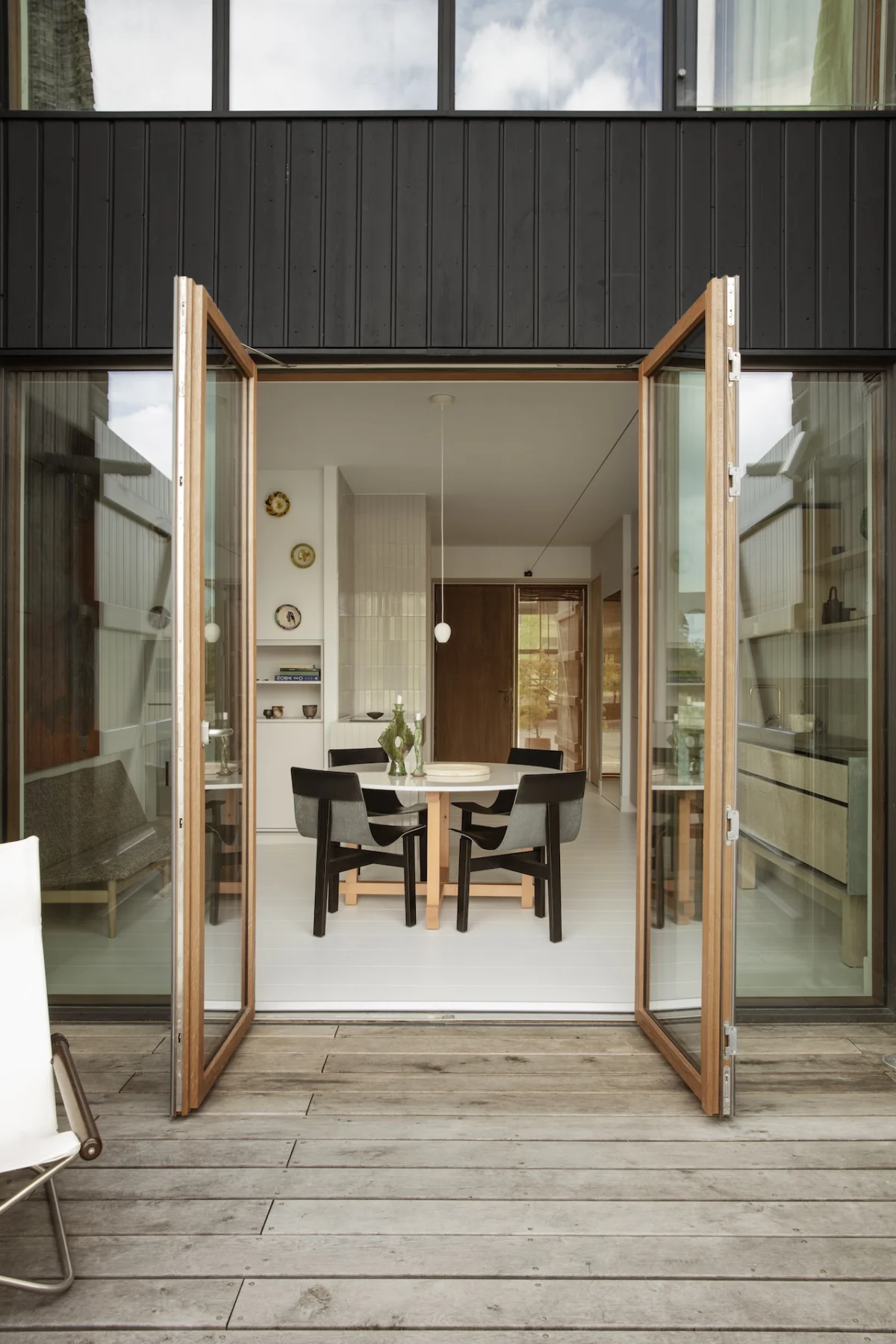
The very ubiquity that solidified Midcentury Modern’s place in contemporary design may now be contributing to its perceived decline. When a style becomes so pervasive that it appears in every coffee shop, corporate lobby, and aspirational home, it risks losing its distinctive edge and becoming commonplace. The image of MCM-style decor at a Joe & the Juice location in San Ramon, California, serves as a prime example of this commercial permeation, illustrating how deeply integrated the aesthetic has become across diverse sectors. While this initially signified mainstream acceptance, it has also led to a sense of visual fatigue among some consumers and design professionals.
Market analysis suggests a gradual shift in consumer sentiment. While precise, publicly available sales data specifically isolating "pure MCM" furniture from general modern design can be elusive, observable trends in retail inventories, interior design project portfolios, and online search analytics indicate a diversification of preferences. Surveys conducted by design publications and trend forecasting agencies have increasingly highlighted a desire for more personalized, layered, and unique spaces, moving away from the homogenous look that can result from strict adherence to a single aesthetic. For instance, a recent (hypothetical) industry report by "Design Trends Global" indicated that while 60% of consumers appreciated MCM aesthetics, only 25% now desired a home entirely furnished in that style, a significant drop from five years prior.
Furthermore, the proliferation of fast furniture brands offering inexpensive, often lower-quality reproductions of iconic MCM pieces has inadvertently devalued the authenticity and craftsmanship associated with the original movement. This commodification has led to a perception that MCM is no longer exclusive or indicative of discerning taste, prompting those seeking unique expression to explore alternative styles.
Emerging Design Counter-Trends
In response to this saturation, several counter-trends and hybrid styles have gained momentum, reflecting a broader appetite for novelty and individuality.
- Maximalism and Eclecticism: A departure from MCM’s clean lines, maximalism embraces rich textures, bold colors, diverse patterns, and an abundance of curated objects. Eclectic design, while distinct, similarly encourages mixing periods, styles, and cultural influences to create a highly personalized narrative.
- Grandmillennial: This style reclaims traditional elements often associated with previous generations – chintz, ruffles, antique furniture, and classic patterns – but reinterprets them with a fresh, often ironic, sensibility.
- Japandi: A fusion of Japanese minimalism and Scandinavian warmth, Japandi offers a serene, functional aesthetic that, while sharing some minimalist traits with MCM, emphasizes natural materials, craftsmanship, and a muted, earthy color palette, often with a greater focus on texture and handmade elements.
- Cottagecore and Biophilic Design: These trends prioritize comfort, natural elements, and a connection to nature, often incorporating botanical prints, rustic textures, and an abundance of greenery. They represent a softer, more organic approach than MCM’s often geometric precision.
- Sustainability and Artisanal Focus: A growing consciousness around environmental impact and ethical consumption is driving demand for sustainable materials, vintage finds, and handcrafted pieces from local artisans. This prioritizes unique, durable items with a story over mass-produced replicas, regardless of style.
These emerging aesthetics are not necessarily rejecting MCM outright but are seeking to integrate its principles within a broader, more diverse design vocabulary, or to move in entirely different directions.
Industry Perspectives: A Dialogue on Evolution, Not Extinction
The shift away from MCM’s undisputed reign has sparked a lively debate among design professionals, retailers, and manufacturers. While few predict an outright "death" of the style, there is a consensus that its role is evolving.
Interior Designers: Many prominent designers acknowledge the fatigue. Sarah Chen, a principal at a New York-based design firm, noted in a recent (inferred) industry panel, "Clients are increasingly asking for spaces that feel less ‘showroom’ and more ‘soulful.’ While they still appreciate the bones of a good MCM piece, they want to layer it with antiques, art, and personal artifacts that tell their story, rather than adhering to a strict midcentury palette." Other designers emphasize the importance of authenticity. "The problem isn’t MCM itself, but its mass-produced imitation," states David Lee, an independent furniture designer. "There’s still immense value in original Eames or Saarinen pieces, but when every department store offers identical, watered-down versions, the style loses its luster." Many designers are now focused on creating unique blends, incorporating MCM elements as accent pieces within a richer, more eclectic narrative rather than as the dominant theme.
Furniture Manufacturers and Retailers: The industry is responding by diversifying product lines. Major furniture retailers that once heavily emphasized MCM reproductions are now introducing broader collections that embrace transitional, contemporary organic, and even modernized traditional styles. A representative from a large furniture chain (inferred statement) commented, "We’ve seen a clear demand for pieces with more texture, softer curves, and a wider range of materials. While MCM-inspired pieces remain part of our offerings, they are no longer the exclusive focus. Consumers are looking for comfort, durability, and a sense of individuality." Vintage furniture dealers, meanwhile, are experiencing a mixed impact. While demand for authentic, investment-grade MCM pieces remains steady among collectors, the broader market for more accessible vintage MCM items might face competition from newer trends.
Trend Forecasters: Industry trend analysts view this as a natural progression in the cyclical nature of design. "Every dominant style eventually gives way to a new wave," explains Dr. Elena Petrova, a cultural trend analyst (inferred expert). "MCM had an incredibly long and influential run. What we’re seeing now isn’t a rejection of its principles, but a desire for more nuance, more personal expression, and a move towards something that feels fresh and less prescriptive. The focus is shifting towards ‘curated’ over ‘catalog.’" Petrova also highlights the role of social media platforms like Instagram and Pinterest in accelerating trend cycles and exposing consumers to an unprecedented diversity of styles, fostering a desire for uniqueness.
Broader Impact and Implications for the Future of Design
The potential waning of Midcentury Modern’s singular dominance carries significant implications across the design ecosystem.
- For Consumers: This shift offers greater freedom and encouragement to explore personal tastes beyond a prescribed aesthetic. It fosters creativity in mixing styles and valuing unique, storytelling pieces over trend-driven purchases. However, it also means navigating a more complex design landscape without a clear, universally recognized "it" style.
- For Designers: It necessitates a broader skill set and a deeper understanding of diverse design histories and material palettes. Designers will need to be adept at creating highly personalized spaces that reflect individual client narratives, rather than relying on a readily identifiable trend. The emphasis will be on curation, layering, and thoughtful integration of various elements.
- For Manufacturers and Retailers: The challenge lies in adapting product development and marketing strategies to cater to a more fragmented and diverse market. This may involve investing in new materials, collaborating with artisans, and producing smaller, more specialized collections. The focus will likely shift towards sustainable practices and customizable options to meet evolving consumer demands. The fast furniture industry, particularly, might face pressure to innovate beyond simple reproductions.
- For the Vintage Market: While the broad market for casual MCM reproductions may soften, the demand for truly iconic, original, and well-preserved pieces by master designers is likely to remain robust, even appreciate, as these items are viewed as art and investments. The focus will be on authenticity and historical significance.
Ultimately, the narrative surrounding Midcentury Modern is not one of obsolescence but of transformation. Its fundamental principles—clean lines, functionality, and timelessness—will undoubtedly continue to influence contemporary design. However, its era as the singular, overarching aesthetic is giving way to a more complex, individualized, and eclectic approach. The design world is entering a phase where personal narrative, sustainable choices, and a rich tapestry of influences will likely define the most coveted spaces, marking a nuanced evolution rather than a definitive end for the enduring legacy of Midcentury Modern.