admin
admin
As the autumnal equinox approaches and temperatures begin their annual descent, homeowners across North America are increasingly looking for ways to extend the utility of their outdoor living spaces. The transition from the "Great Wide Open" of summer to the confined indoors of winter often feels premature, yet the installation of a fire pit has emerged as a primary solution for maintaining backyard engagement well into the colder months. Industry data from the American Society of Landscape Architects (ASLA) consistently ranks fire pits and outdoor fireplaces as one of the most requested backyard features, noting that these installations provide both aesthetic value and a functional heat source that facilitates year-round socialization.
The modern DIY fire pit movement encompasses a wide spectrum of designs, ranging from primitive stone circles to sophisticated concrete tables integrated with propane systems. While the primary goal remains the containment of a controlled fire for warmth and recreation, the choice of materials and construction methods varies significantly based on budget, regional availability of resources, and the builder’s technical proficiency.
The Economic and Social Rise of Outdoor Living Spaces
The surge in DIY fire pit construction is part of a broader "hometailing" trend that gained significant momentum during the early 2020s. According to the National Association of Realtors (NAR), outdoor remodeling projects, including the addition of fire features, offer a high "Joy Score"—a metric measuring homeowner satisfaction—while providing a substantial return on investment (ROI). Estimates suggest that a well-constructed fire pit can recover approximately 67 percent of its cost upon the resale of a home.
Beyond financial implications, the sociological impact of the backyard fire pit cannot be understated. It serves as a "communal hearth," a concept deeply rooted in human history that has seen a modern resurgence as families prioritize screen-free outdoor activities. Whether the intent is to roast marshmallows or simply provide a focal point for evening conversation, the following nine DIY approaches represent the current landscape of home-built fire features.
1. The Natural Rock Perimeter: A Zero-Cost Heritage Design
The most historically accurate and cost-effective method of fire containment involves the use of natural stone. This approach, utilized by DIY enthusiasts such as those at Spoonful of Imagination, relies on sourcing materials directly from the property. By arranging indigenous stones in a circular formation, homeowners can create a rustic feature that integrates seamlessly with the local landscape.
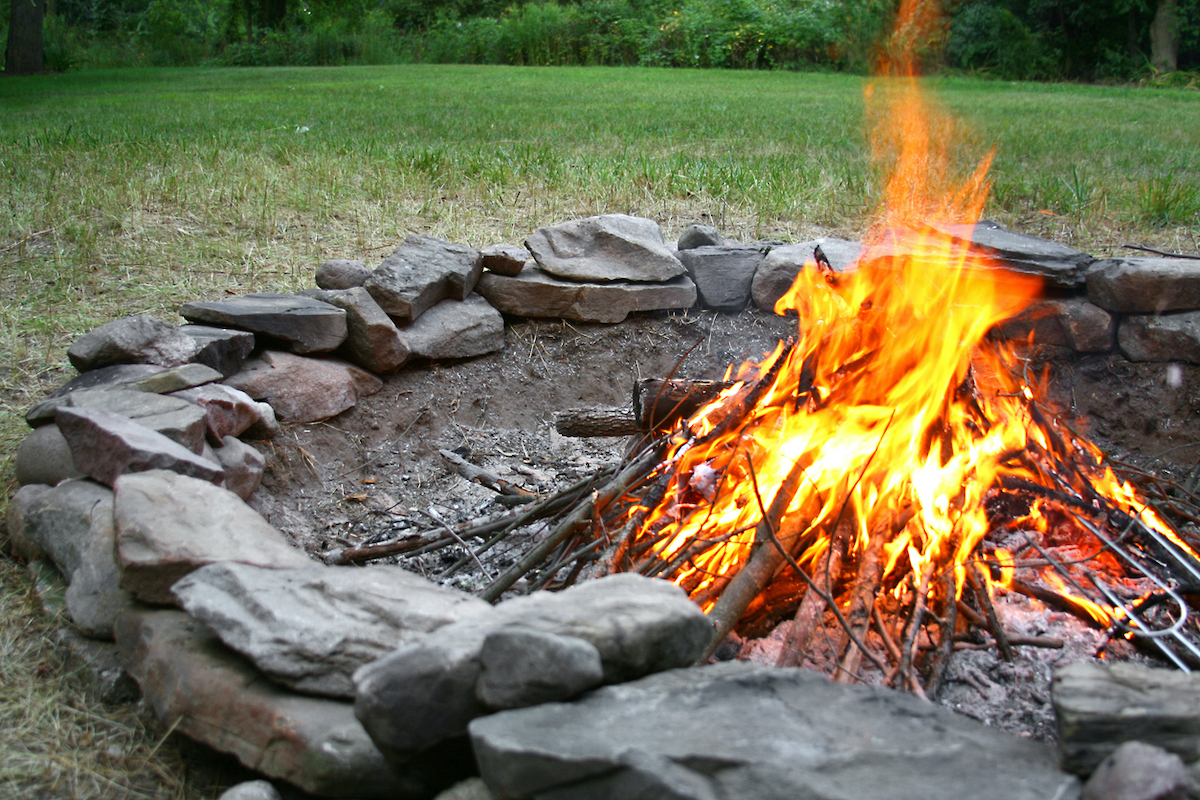
From a safety perspective, experts warn that not all stones are suitable for high-heat environments. Porous rocks, such as river stones or sandstone, can trap moisture. When heated rapidly, this moisture turns to steam, creating internal pressure that may cause the rock to crack or explode. It is recommended to use "hard" rocks like granite or slate, and to ensure a clear radius of at least 10 feet from any flammable materials, including dry leaves and overhanging branches.
2. Industrial Utility: Cinder Block Construction
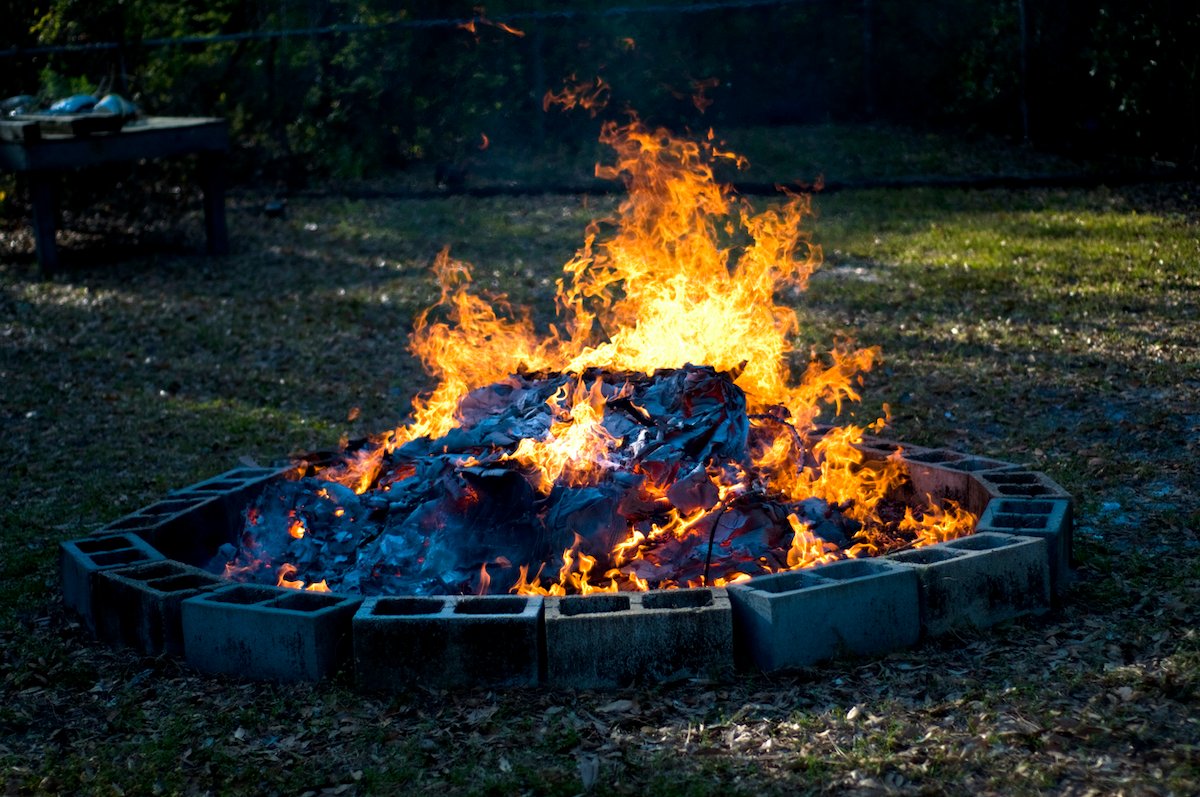
Cinder blocks, or concrete masonry units (CMU), offer a highly durable and affordable alternative for structural fire pits. At a retail price often under $3 per unit at major home improvement centers, a functional pit can be assembled for approximately $50. The standard design involves a single course of blocks arranged in a circle or square.
For enhanced stability, many builders opt for a two-course height, securing the layers with high-temperature construction adhesive. This prevents the shifting of blocks over time due to ground heave or accidental impact. The utilitarian aesthetic of cinder blocks can be further refined with the application of heat-resistant paint or stone veneer, allowing the structure to mimic more expensive masonry.
3. The Modern Concrete Fire Table: Architectural Integration
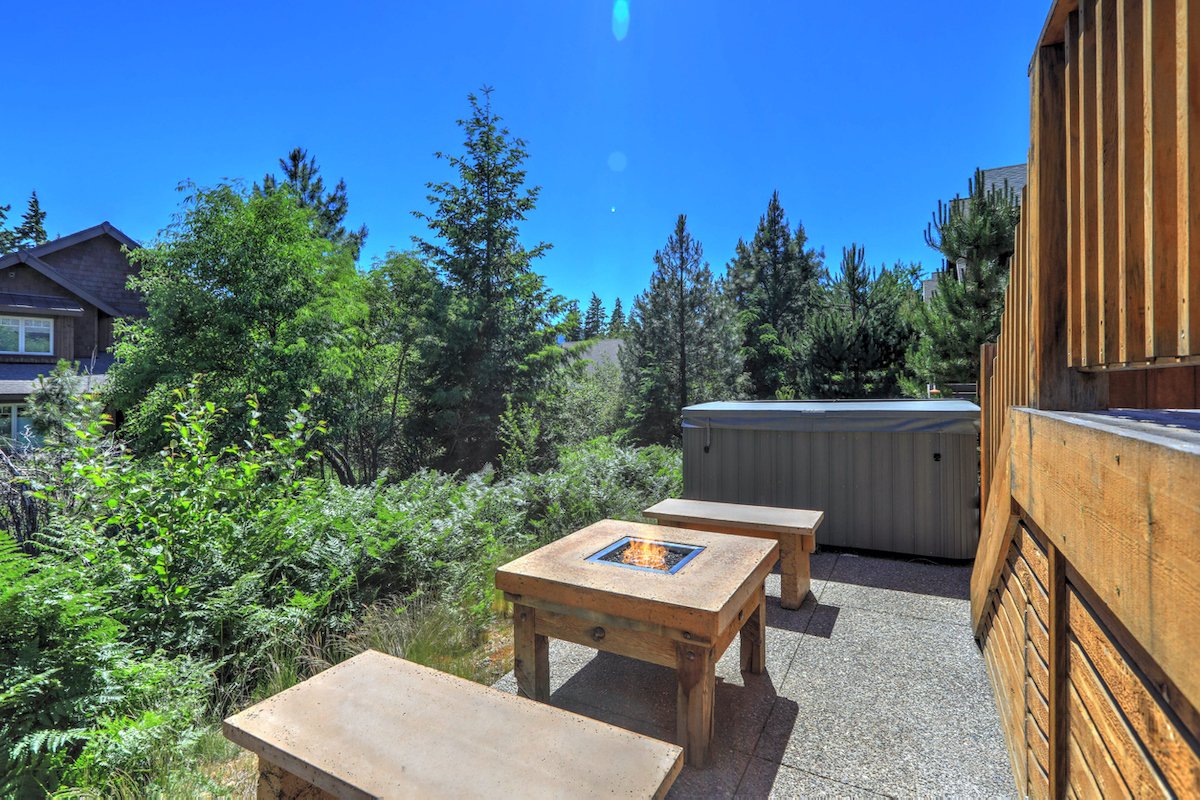
For those seeking a contemporary aesthetic, the concrete fire table represents the intersection of furniture design and utility. This project typically involves constructing a sturdy wooden base topped with a custom-cast concrete slab. The centerpiece of these tables is often a "drop-in" fire basket, which can be fueled by wood, charcoal, or liquid gel fuels.
To ensure safety and longevity, modern designs frequently incorporate tempered glass flame guards. These transparent barriers protect the flame from wind while preventing accidental contact with the fire source. The technical challenge of this build lies in the concrete curing process; a proper mix and reinforcement are required to prevent the tabletop from cracking under the thermal stress of the fire.
4. Multi-Functional Culinary Pits: The Grill Integration
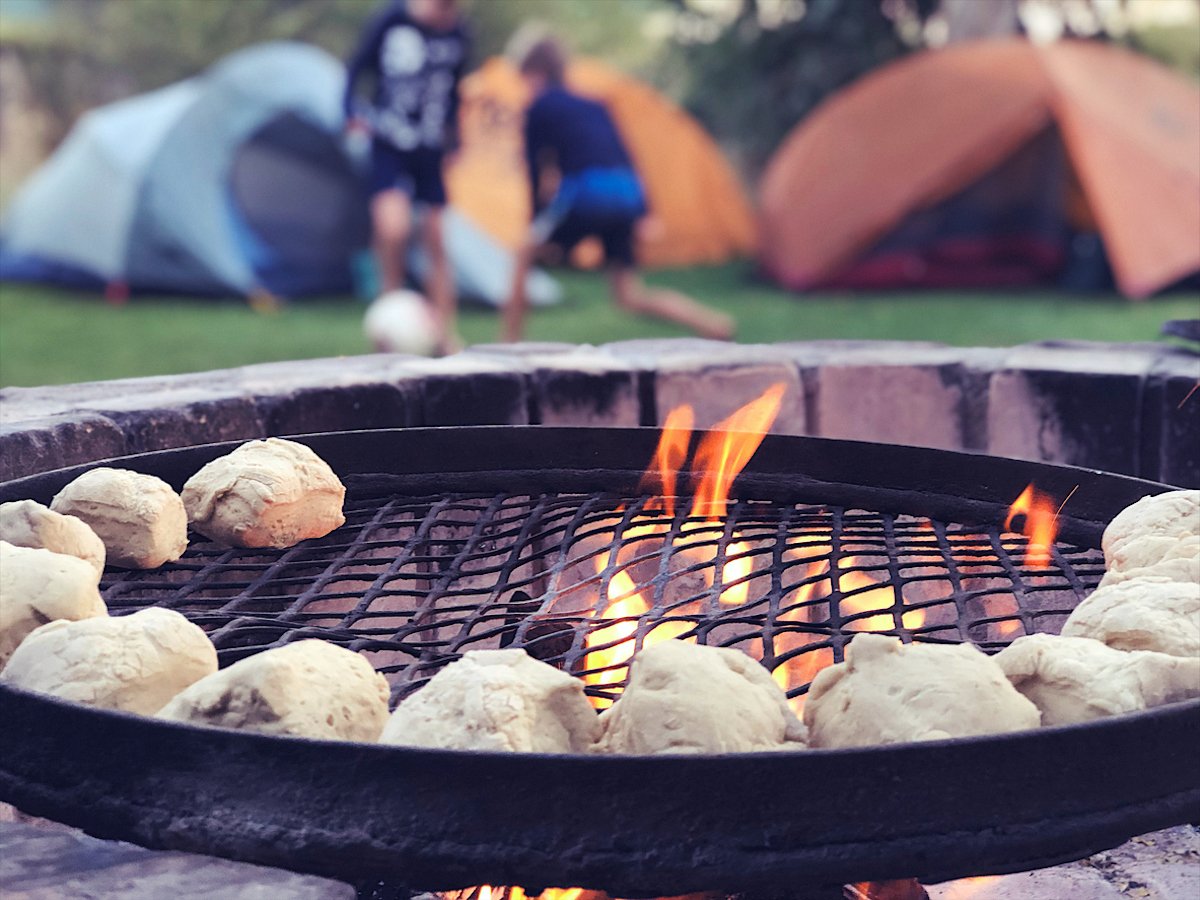
The evolution of the fire pit from a heat source to a culinary tool is evidenced by the "tree ring" grill design. By utilizing pre-cast concrete tree rings—commonly used for landscaping—builders can create a tiered structure that perfectly accommodates the dimensions of a standard portable charcoal grill.
This design allows the homeowner to transition seamlessly from a roaring wood fire to a controlled cooking environment. The structural integrity of the tree rings provides a stable platform for the grill’s lip, effectively disguising a standard metal grill as a permanent backyard fixture.
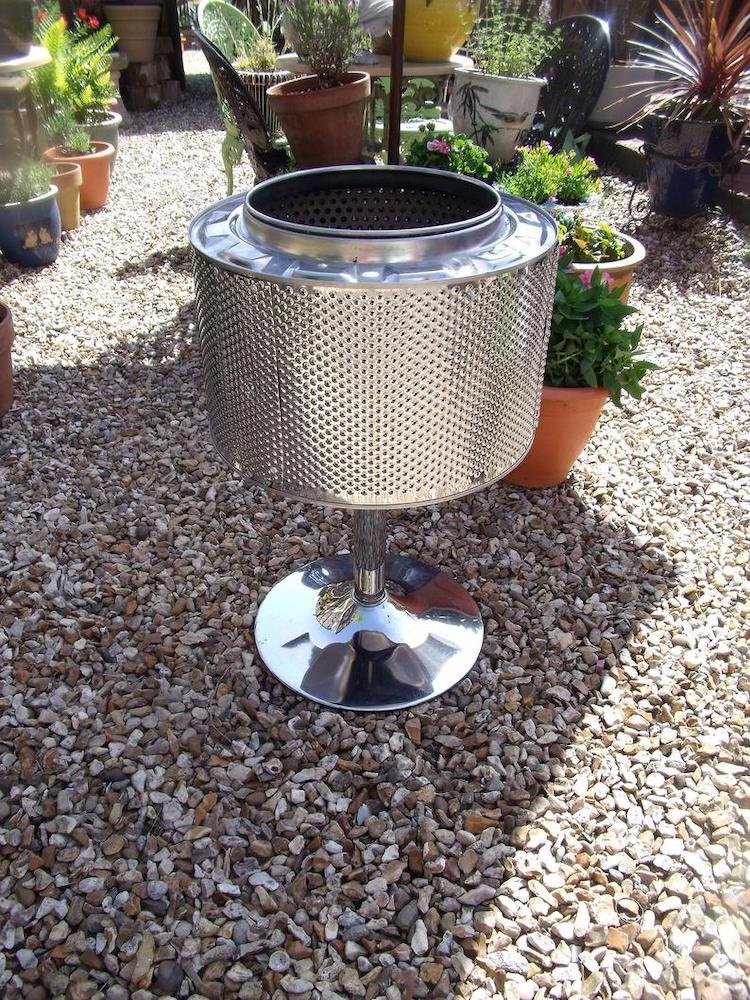
5. Sustainable Upcycling: The Washing Machine Drum
One of the more innovative trends in the DIY community involves the repurposing of stainless steel washing machine drums. This project appeals to the environmentally conscious "maker" community, as it diverts large appliance parts from landfills. Once the drum is stripped of plastic components and ground smooth of any sharp edges, it serves as an exceptional fire vessel.
The drum’s perforated walls allow for superior oxygen intake, resulting in a more efficient, hotter fire with less smoke—a principle similar to high-end "smokeless" fire pits sold at retail. Builders often weld metal legs or a pedestal to the base to elevate the unit, protecting the underlying patio or grass from heat damage.
6. Precision Masonry: The Patio Paver Pit
Homeowners looking for a professional-grade appearance often turn to patio pavers. These materials are engineered for outdoor durability and are available in various textures and colors. A common construction method involves using thick retaining wall blocks for the foundation, capped with flat patio pavers to create a finished ledge.
The use of paver sand in the base of the pit is a critical step in this process. It provides a level surface and acts as a heat sink, protecting the ground beneath the fire. According to masonry experts, using a fire-rated inner liner—such as a steel ring—is essential when using standard pavers to prevent the concrete blocks from dehydrating and crumbling over time due to extreme heat exposure.
7. Solid-Form Concrete: Permanent Structural Designs
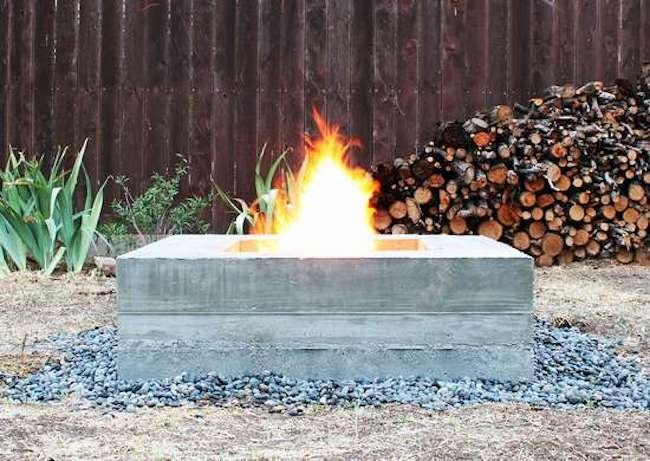
A poured-concrete fire pit is perhaps the most permanent DIY option. By constructing a wooden form in a desired shape—rectangular, circular, or square—and pouring a specialized concrete mix, homeowners can create a monolithic structure that is virtually indestructible.
This method requires a higher degree of planning, including the excavation of a level base and the potential use of rebar for reinforcement. Once the concrete has cured, the forms are removed to reveal a sleek, industrial-style pit. This approach is often paired with other concrete elements, such as built-in benches, to create a cohesive outdoor lounge environment.
8. The Temporary Brick Hearth: Portability and Simplicity
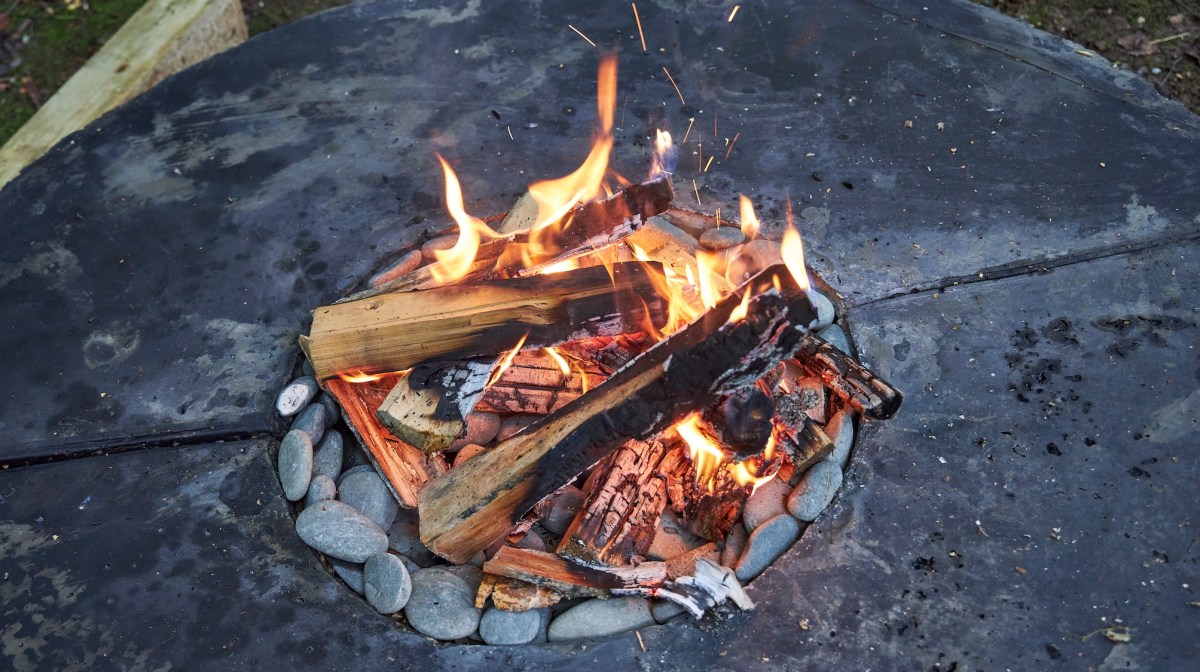
For those who do not wish to commit to a permanent structure, the stacked-brick fire pit offers a flexible solution. Using standard red clay bricks, a pit can be assembled in minutes without the need for mortar or adhesives. This "dry-stack" method allows the homeowner to disassemble the pit during the off-season or relocate it as backyard landscaping evolves.
Clay bricks are naturally heat-resistant, making them a safer choice for direct fire contact than some types of poured concrete. However, builders should ensure the ground is level to prevent the stack from becoming unstable as the fire burns.
9. The In-Ground Stone Sanctuary: Sunken Fire Features
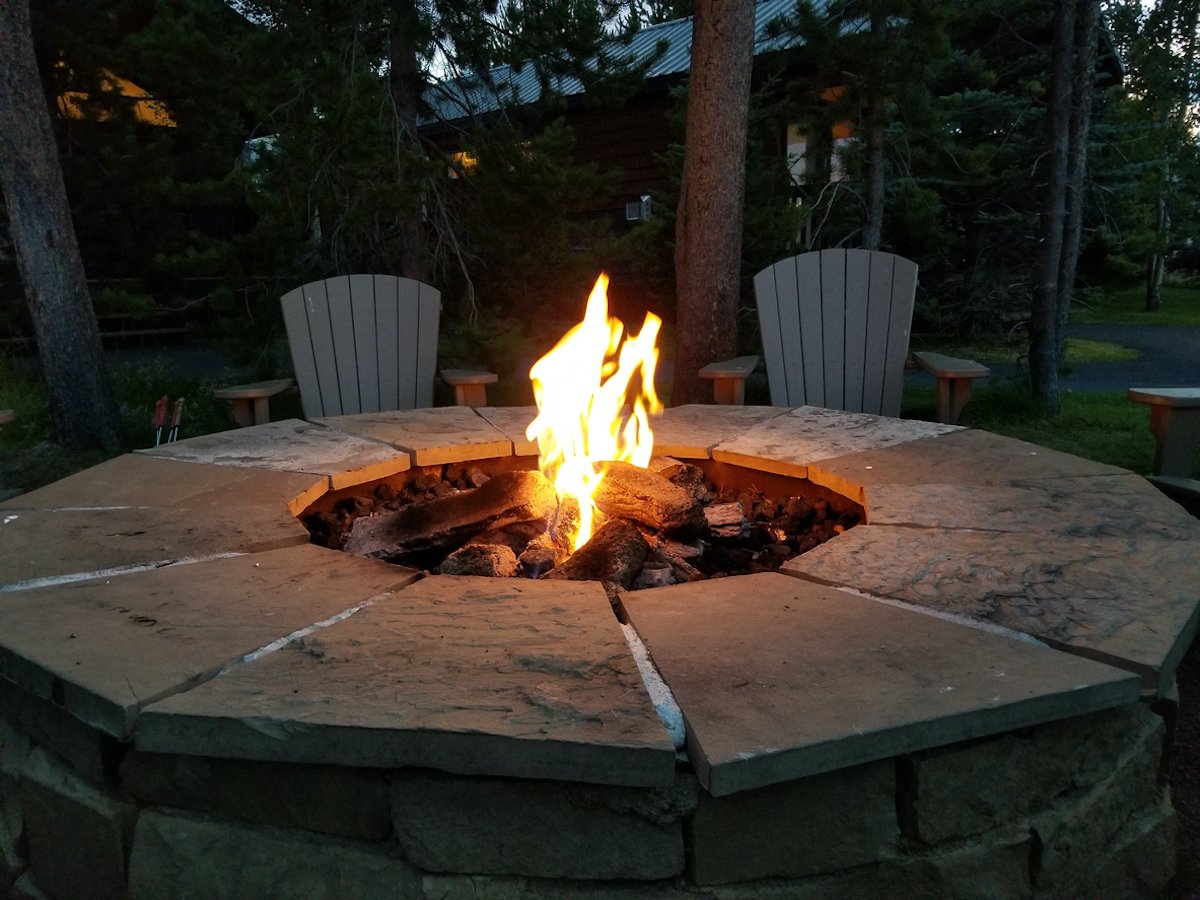
The in-ground fire pit provides a unique aesthetic that mimics a natural campfire. This design involves excavating a shallow hole, lining the perimeter with retaining wall blocks, and filling the surrounding area with pavers or gravel. This creates a "sunken" effect that is often surrounded by permanent seating, such as Adirondack chairs.
In-ground pits require careful attention to drainage. Without a gravel base or a proper slope, the pit can become a collection point for rainwater, rendering it unusable after storms. Additionally, safety regulations in many municipalities are stricter for in-ground pits due to the increased risk of trip-and-fall accidents.
Safety Compliance and Regulatory Considerations
Before initiating any fire pit project, homeowners must consult local municipal codes and Homeowners Association (HOA) guidelines. The National Fire Protection Association (NFPA) reports that outdoor fire pits and heaters account for hundreds of residential fires annually when safety protocols are ignored.
Key regulatory factors often include:
- Distance Requirements: Most jurisdictions require a minimum 10-to-25-foot clearance from any structure or property line.
- Burn Bans: During periods of drought, local authorities may issue temporary bans on wood-burning fires.
- Base Materials: Using non-combustible bases like gravel, dirt, or stone is a universal safety requirement.
Environmental Impact and Future Trends
The environmental footprint of wood-burning fire pits has come under scrutiny in recent years. Smoke contains fine particulate matter (PM2.5) which can affect air quality. Consequently, there is a growing trend toward "smokeless" DIY designs and propane-fueled alternatives. Propane fire pits, while requiring more technical assembly involving gas lines and regulators, offer a cleaner burn and instant shut-off capabilities, making them a preferred choice in high-density urban areas.
As the DIY market continues to expand, the integration of smart technology—such as remote-controlled ignition systems—and the use of sustainable, recycled materials are expected to define the next generation of backyard fire features. For the current fall season, however, the focus remains on the timeless appeal of the flame, providing a warm sanctuary against the encroaching winter chill.