admin
admin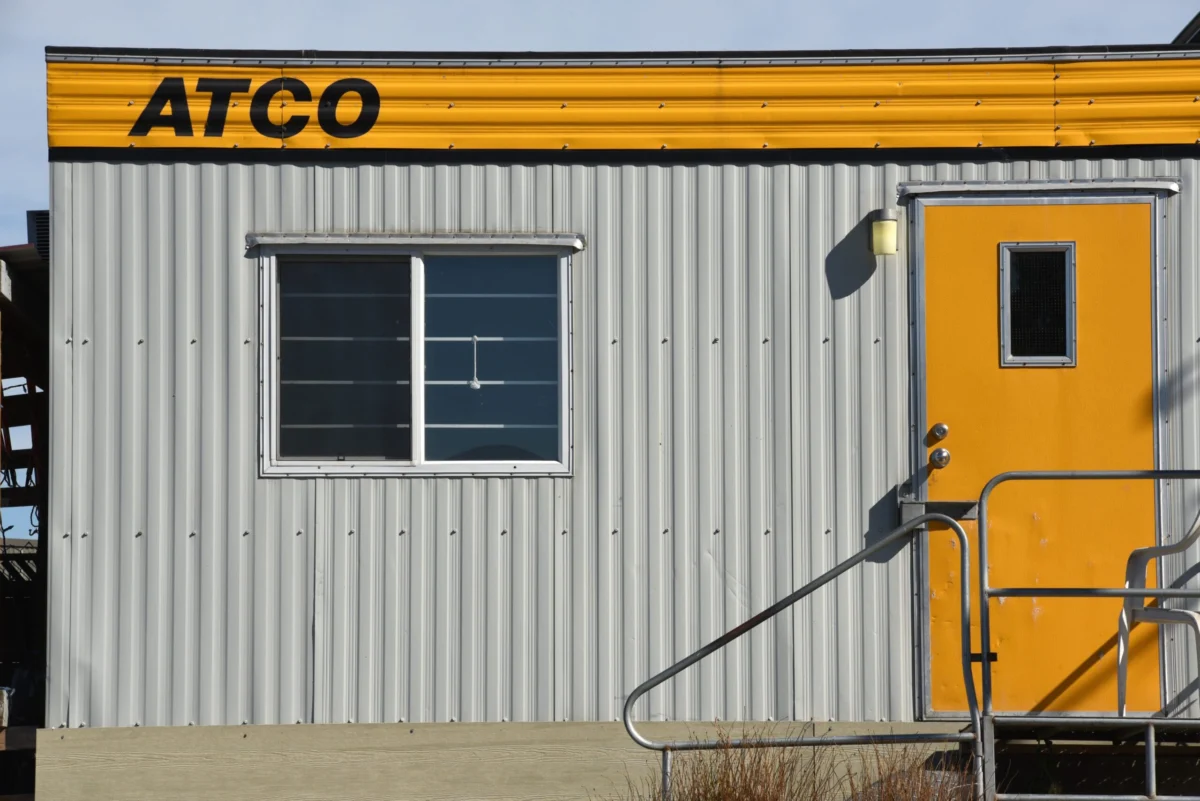
The Canadian energy landscape is set to undergo a transformative shift with the announcement of a landmark merger between Halifax-based Emera Inc. and Calgary-based Canadian Utilities, a controlling subsidiary of Atco Ltd. This monumental deal, valued at an estimated $72 billion, aims to birth a new utility giant poised to rank among North America’s largest, strategically positioned to capitalize on surging power demand driven by technological advancements and the escalating need for robust national infrastructure. The roots of this ambitious undertaking stretch back to the summer of last year, a period characterized by heightened trade tensions with the United States and a palpable acceleration of Ottawa’s commitment to nation-building projects, pushing both corporations to a critical juncture for strategic re-evaluation.
A Vision for a Canadian Champion
The strategic alignment of Emera and Canadian Utilities represents more than just a corporate transaction; it embodies a shared vision for establishing a formidable Canadian-led energy and utility enterprise capable of driving significant economic growth and infrastructure development. Scott Balfour, CEO of Emera, initiated discussions approximately 15 months ago, reaching out to Nancy Southern, the influential chief executive of Atco Ltd. and executive chair of Canadian Utilities. Both leaders, described by Southern as "great patriots" and "true Canadians," recognized the imperative for scale in an increasingly demanding global energy market.
Southern articulated her long-standing contemplation regarding Canadian Utilities’ future, questioning, "How do you get to the next threshold? How do you get to the next level?" This introspection was spurred by the unprecedented demands emerging from the proliferation of artificial intelligence data centers and the widespread push for electrification as part of the global clean energy transition. These trends necessitate massive investments in power generation, transmission, and distribution infrastructure, capabilities that smaller entities might struggle to finance and execute independently.

Emera, concurrently, was engaged in its own strategic refinement, streamlining its portfolio and fortifying its balance sheet to prepare for its next phase of expansion. This internal readiness coincided with a rising tide of "Canada Strong" sentiment across the nation, fostering an environment ripe for domestic collaboration. Balfour recalled his thought process during that period: "You know what? It’s time to build a Canadian champion and to make sure that there’s a strong Canadian company that is able to help drive growth, with the financial strength in order to participate in supporting the generational need for new infrastructure in this country." This convergence of strategic imperatives and nationalistic sentiment laid the groundwork for what is anticipated to be the largest merger in Canadian history between two domestic companies.
The Genesis of a Megamerger: A Chronology of Strategic Evolution
The timeline leading to this historic announcement reveals a carefully orchestrated strategic evolution rather than an abrupt decision.
- Summer Last Year: The initial seeds of the merger were sown. This period saw a significant rise in trade frictions between Canada and the U.S., prompting a renewed focus on strengthening domestic industries and infrastructure. Simultaneously, the Canadian government intensified its commitment to large-scale national infrastructure projects, creating a fertile ground for companies capable of undertaking such ventures. Both Emera and Canadian Utilities found themselves at strategic crossroads, evaluating their capacities for future growth amidst these external pressures.
- 15 Months Ago: Emera CEO Scott Balfour made the initial overture to Nancy Southern of Atco and Canadian Utilities. This direct communication between two industry titans marked the formal beginning of discussions that would culminate in the merger proposal. The shared vision for a robust Canadian energy entity quickly became a central theme of their deliberations.
- Tuesday’s Announcement: The culmination of these discussions arrived with the public announcement of plans to merge, outlining the financial details, strategic rationale, and future operational structure of the combined entity. The market reacted swiftly to the news of a $72 billion utility powerhouse.
- Early Next Year: The transaction will enter a critical phase, requiring approval from shareholders of Emera, Canadian Utilities, and Atco. Concurrently, it will undergo rigorous scrutiny and necessitate regulatory, competition, court, and stock exchange approvals across numerous jurisdictions, a complex process indicative of the deal’s vast scale and international reach.
- Post-Merger Horizon: Upon successful completion, the newly expanded Emera plans to deploy an impressive $32 billion in capital expenditures through 2030, underscoring its commitment to infrastructure development and growth. ATCO, meanwhile, will embark on its redefined path, focusing on specialized infrastructure sectors.
Emera: The New North American Utility Giant
The combined utility company will operate under the established Emera banner, signifying Emera’s leadership in the newly formed entity. Its public company headquarters will remain in Halifax, Nova Scotia, anchoring the eastern Canadian presence, while significant corporate and operational offices will be maintained in Calgary and Edmonton, Alberta, reflecting the western Canadian heritage of Canadian Utilities. Furthermore, an international footprint will be preserved with offices in Perth, Australia.

This expanded Emera will serve a vast customer base of approximately six million across a diverse geographical spread. Its operations will span various parts of Canada, including Nova Scotia, Prince Edward Island, and Newfoundland and Labrador, as well as significant portions of the United States (notably Florida), Mexico, the Caribbean, and Australia. This broad geographic diversification is a key strategic advantage, mitigating regional risks and opening avenues for growth in multiple dynamic markets.
A significant portion of the combined entity’s future growth strategy is concentrated in high-growth regions. Emera anticipates that approximately 80 percent of its post-merger operations will be situated in Florida and Alberta, two of the fastest-growing regions in North America. Florida’s robust population growth and energy demand, coupled with Alberta’s ongoing energy transition and industrial expansion, present substantial opportunities for infrastructure investment and utility service expansion. This focused investment strategy aims to maximize returns and ensure sustained growth for the new powerhouse.
Scott Balfour will remain at the helm as CEO, guiding the integration and strategic direction of the enlarged company. The capital expenditure plan of $32 billion through 2030 highlights the scale of investment anticipated, much of which will likely be directed towards modernizing existing grids, expanding renewable energy infrastructure, and meeting the demands of electrification.
ATCO’s Strategic Pivot: A Refocused Future
While Canadian Utilities merges into Emera, Atco Ltd., its controlling shareholder, is not disappearing but rather redefining its corporate identity and strategic focus. Nancy Southern will continue as CEO of a refocused Atco and will also co-chair Emera’s board, maintaining a vital link to the new utility entity.

The origins of ATCO, an acronym for "Alberta Trailer Company," trace back eight decades to its founding in Calgary in 1947 by S.D. Southern and his son Ron. Their initial business capitalized on Canada’s first major oil boom, providing essential utility trailers and worker accommodations to support the burgeoning energy sector. Over the years, the ATCO Group diversified significantly, expanding into natural gas, petroleum, and electricity industries, which included its substantial investment in Canadian Utilities since 1980.
Southern’s decision to divest from Canadian Utilities, a long-held family investment, reflects a pragmatic assessment of the contemporary utility landscape. She candidly stated, "I don’t see us, from a strict utility perspective, being able to compete in a world where scale matters so much today." This acknowledgment underscores the increasing consolidation within the utility sector, where massive capital requirements and regulatory complexities favor larger, more financially robust players. The Southern family’s philosophy has always been to avoid limiting their businesses, allowing them to seize available opportunities, and this merger exemplifies that principle.
The refocused Atco will emerge as a nimbler, more specialized firm. Its core areas of concentration will include defense, housing, and other critical infrastructure, particularly in "far-flung and remote locales." These segments are increasingly high on governmental priority lists, driven by factors such as geopolitical instability, affordability crises, and the need to service remote communities. Southern envisions an "entrepreneurial, ready to go and compete, not afraid of remote and harsh conditions, and a track record of people that have experience" Atco. This strategic repositioning aligns with the priorities of Prime Minister Mark Carney’s government, which is grappling with tumultuous cross-border trading relationships, affordability pressures, and global geopolitical turmoil, all of which elevate the importance of energy security, robust defense capabilities, and accessible housing solutions.
Southern anticipates a shift in Atco’s investor base following the transaction. Historically, investors were drawn to Atco for its stable utilities business. With the power segment now integrated into Emera, Atco’s infrastructure offerings, previously "overlooked," are expected to gain prominence. "We really believe that this will open up greater value for the Atco businesses, and we will see a change, I believe, in ownership. Atco will be much smaller, so it won’t be an indexed stock for the fund investors," Southern explained. This implies a need for extensive communication and education to articulate the value proposition of the transformed Atco to a new cohort of investors.
Financial Mechanics and Regulatory Path

Under the terms of the agreement, Emera is set to acquire all outstanding shares of Canadian Utilities, a transaction valued at approximately $14.3 billion. This significant valuation reflects Canadian Utilities’ substantial assets and operational footprint. Upon the successful closure of the deal, existing Emera shareholders are projected to own approximately 60 percent of the combined utility entity, reflecting Emera’s larger initial market capitalization and the structure of the acquisition. Former Atco and Canadian Utilities shareholders are expected to collectively own about 40 percent of the merged company, ensuring a substantial stake for those transitioning from the Atco ecosystem.
The complexity of such a large-scale merger necessitates a multi-layered approval process. Shareholder votes from Emera, Canadian Utilities, and Atco are scheduled for early next year, serving as a critical democratic step for the corporate entities involved. Beyond shareholder consent, the transaction is contingent upon securing court approvals, regulatory clearances from various energy and utility commissions, competition approvals to ensure fair market practices, and stock exchange approvals in the numerous jurisdictions where both companies operate. This rigorous process is designed to protect consumer interests, ensure market stability, and comply with legal frameworks across Canada, the United States, and other international territories. The successful navigation of these regulatory hurdles will be paramount to the deal’s ultimate completion.
Broader Implications and Market Impact
The creation of this new Canadian energy powerhouse carries significant implications for the national energy sector, the economy, and Canada’s role on the global stage.
- Enhanced Scale and Competitiveness: The $72 billion entity will possess unparalleled scale, allowing it to undertake mega-projects that smaller utilities might find prohibitive. This increased financial muscle and operational capacity will make it a more formidable competitor in North American and international markets, potentially attracting more investment into Canadian-led projects.
- Driving Clean Energy Transition: With a substantial capital expenditure plan focused on growth, the new Emera is well-positioned to play a leading role in Canada’s and North America’s clean energy transition. Investments in renewable generation, smart grid technologies, and electrification infrastructure will be crucial for meeting climate targets and supporting the shift away from fossil fuels.
- National Infrastructure Development: The merger directly supports Ottawa’s push for nation-building infrastructure. A larger, more capable utility can better contribute to critical projects, enhancing energy reliability, security, and access across Canada’s vast and diverse geography. This aligns with the "generational need for new infrastructure" identified by Balfour.
- Economic Impact: A $32 billion capital investment through 2030 will translate into significant economic activity, including job creation in engineering, construction, and operations, fostering regional development in its core operating areas like Florida and Alberta.
- Diversification and Risk Mitigation: The broad geographic spread across Canada, the U.S., Mexico, the Caribbean, and Australia provides a diversified revenue base, insulating the company from economic downturns or regulatory shifts in any single region. This diversification enhances stability and reduces overall risk for investors.
- ATCO’s Renewed Focus: The strategic pivot of Atco into defense, remote housing, and specialized infrastructure addresses burgeoning market needs exacerbated by geopolitical events and demographic shifts. This move allows Atco to specialize and potentially unlock greater value by focusing on high-growth, niche markets that were perhaps overshadowed by its traditional utility holdings.
- Market Dynamics and Investor Sentiment: The merger signals a trend towards consolidation in the utility sector, where economies of scale are becoming increasingly critical. For investors, the combined entity offers a larger, more diversified, and potentially more resilient investment vehicle. The shift for Atco shareholders will necessitate a re-evaluation of the company’s new risk-reward profile.
The merger of Emera and Canadian Utilities is more than a simple corporate acquisition; it is a strategic repositioning of two significant Canadian enterprises to meet the evolving demands of the 21st-century energy landscape. Driven by a blend of national ambition, economic necessity, and technological shifts, this alliance promises to create a powerful Canadian champion ready to tackle the challenges and seize the opportunities of a rapidly changing world. The coming months will be crucial as the deal navigates the complex approvals process, setting the stage for a new chapter in Canadian energy and infrastructure.