admin
admin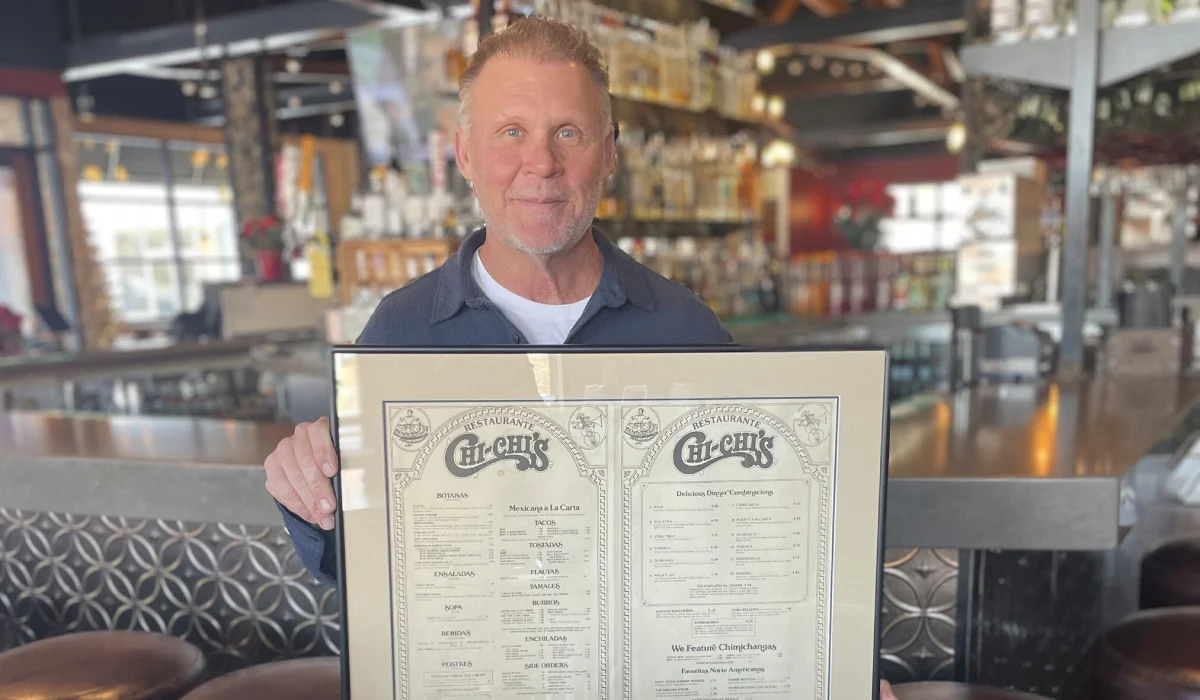
The revival of an iconic brand often requires a delicate calibration between historical reverence and modern market demands. For Chi-Chi’s, the Mexican restaurant chain that once dominated the American casual dining landscape, the one-year anniversary of its return marks a significant milestone in a broader strategy to reclaim its position in the competitive hospitality sector. Led by Michael McDermott, the son of the brand’s co-founder, the company is navigating a transition from a nostalgic memory to a contemporary competitor, focusing on menu engineering, operational efficiency, and a measured approach to national expansion.
The Historical Context: Rise, Fall, and International Survival
To understand the weight of the brand’s current resurgence, it is necessary to examine the trajectory of Chi-Chi’s since its inception. Founded in 1975 in Richfield, Minnesota, by Marno McDermott and former Green Bay Packers wide receiver Max McGee, Chi-Chi’s—named after Marno’s wife’s nickname—was a pioneer in the Mexican dinner-house segment. At a time when Mexican cuisine was largely localized or confined to fast-food formats, Chi-Chi’s introduced the "Salsa, Sensations, and Spirits" concept to a broad American audience.
The brand experienced rapid growth, going public in 1979 and expanding to over 200 locations by the mid-1980s. However, the late 1990s and early 2000s brought significant headwinds. Increased competition from newer fast-casual entrants and internal management shifts led to a decline. The brand filed for Chapter 11 bankruptcy protection in 2003. Shortly thereafter, a severe hepatitis A outbreak linked to green onions at a Pennsylvania location severely tarnished the brand’s reputation in the United States. By 2004, all domestic locations had shuttered, and the brand’s U.S. intellectual property for retail products, such as salsa and tortillas, was sold to Hormel Foods.
While the physical restaurants vanished from the American landscape for two decades, the brand remained active internationally, maintaining a presence in markets such as Belgium and Luxembourg. This international survival, coupled with the enduring presence of Chi-Chi’s products in grocery aisles, kept the brand in the public consciousness, setting the stage for Michael McDermott’s eventual intervention.
The Strategic Relaunch in St. Louis Park
The domestic return of Chi-Chi’s occurred on October 6, 2023, with the opening of a new location in St. Louis Park, Minnesota. For Michael McDermott, who spent his childhood in the original restaurants and later developed concepts like Kona Grill, the decision to revive the brand was both a personal mission and a calculated business move.
The relaunch was not designed as a carbon copy of the 1980s model. Instead, the St. Louis Park location serves as a "prototype" for a modern iteration of the brand. The interior design avoids the kitsch often associated with legacy themed restaurants, opting instead for a sophisticated atmosphere featuring Mexican tile, hanging greenery, and contemporary lighting. This aesthetic shift aims to attract younger diners who lack a prior connection to the brand, while still providing enough familiar cues to satisfy longtime fans.
Menu Engineering: Balancing Nostalgia with Modern Trends
A primary challenge for any legacy brand is the "nostalgia trap"—the risk of catering so heavily to past preferences that the brand fails to evolve. McDermott has addressed this through a dual-track menu strategy.
On one hand, the "Legacy Favorites" remain the backbone of the menu. Items like the original chimichangas, Mexican Pizza, and the signature sweet corn cake provide the sensory link to the brand’s history. On the other hand, the menu has been enriched with "Modern Mexican" staples that reflect current consumer tastes. The addition of birria tacos, short rib tacos, and premium margaritas aligns Chi-Chi’s with the elevated standards of the contemporary Mexican dining segment.
To celebrate the one-year anniversary, the company implemented a high-impact promotional event, rolling back prices to 1976 levels for a single day. With $3.25 chimichangas and $1.25 house margaritas, the event served as both a thank-you to the local community and a powerful marketing tool to drive foot traffic and re-introduce the brand to the Minneapolis-St. Paul market.
Operational Adjustments and the New Lunch Initiative
In response to shifting economic conditions and consumer feedback during the first year of operation, Chi-Chi’s recently introduced a value-engineered lunch menu. Industry data suggests that the "power lunch" has evolved into a quick, value-driven occasion, particularly as inflationary pressures affect discretionary spending.
The new lunch lineup, priced between $10 and $15, focuses on portion control and speed of service. A notable example of this engineering is the "Mini-Chimi." While the standard dinner chimichanga utilizes a 10-inch tortilla, the lunch version uses an 8-inch tortilla. This adjustment allows the restaurant to offer a lower price point—reducing the cost from approximately $17 to $14—without compromising the quality of the ingredients or the guest experience.
By addressing the "veto vote" (where one person in a group rejects a restaurant due to price or heavy portions), Chi-Chi’s is positioning itself as a viable weekday option for local professionals and families, rather than just a weekend destination.
The Competitive Landscape and Market Analysis
The return of Chi-Chi’s comes at a volatile time for the casual dining industry. While fast-casual giants like Chipotle continue to see growth, traditional sit-down chains have struggled with rising labor costs and a decline in traffic. Recent bankruptcies of major chains like Red Lobster and TGI Fridays underscore the risks inherent in the sector.
However, analysts note that "nostalgia branding" can be a potent differentiator if executed correctly. The "re-commerce" of brands allows a company to leverage existing brand equity, which can significantly reduce initial marketing costs compared to launching a completely unknown entity. For Chi-Chi’s, the challenge is to prove that its model can generate the high average unit volumes (AUV) necessary to sustain growth in a high-cost environment.
By focusing on "scratch-made" quality and a higher level of hospitality than fast-casual competitors, McDermott is betting that there is a significant market gap between low-cost fast food and high-end artisanal Mexican dining.
Expansion Plans and Future Outlook
As the St. Louis Park location enters its second year, the focus is shifting toward scalability. McDermott has confirmed that the company is in active discussions with developers on the East Coast and throughout the Midwest. These regions historically represented the brand’s strongest markets, and internal data suggests a high level of latent brand loyalty in states like Pennsylvania, Ohio, and Michigan.
The growth strategy appears to be one of cautious deliberation rather than aggressive franchising. McDermott indicated that the next phase involves opening additional corporate-owned "strategic stores." These locations will be used to further refine the operational model and prove its profitability across different demographics. Once a consistent and replicable "next-gen" model is solidified, the company intends to pursue franchise deals and secure the institutional financing required for a national rollout.
The leadership’s emphasis on "divine timing" and family legacy suggests a long-term view of the brand’s value. By prioritizing the foundational elements of the brand—hospitality, value, and a blend of old and new—Chi-Chi’s is attempting to do more than just reappear; it is attempting to reinvent the category it helped create nearly half a century ago.
Conclusion: The Road Ahead
The first year of Chi-Chi’s return has been defined by stabilization and adaptation. The brand has successfully navigated the initial wave of "nostalgia seekers" and is now focused on the harder work of building a sustainable, modern restaurant group. The success of the St. Louis Park prototype will likely determine whether Chi-Chi’s can once again become a household name across the United States.
As the hospitality industry watches this comeback, the story of Chi-Chi’s serves as a case study in brand management. It demonstrates that while a legacy can provide a head start, long-term survival in the modern era requires a relentless focus on guest feedback, menu innovation, and economic agility. For Michael McDermott, the goal remains clear: to build a future for the brand that honors the past without being anchored to it.