admin
admin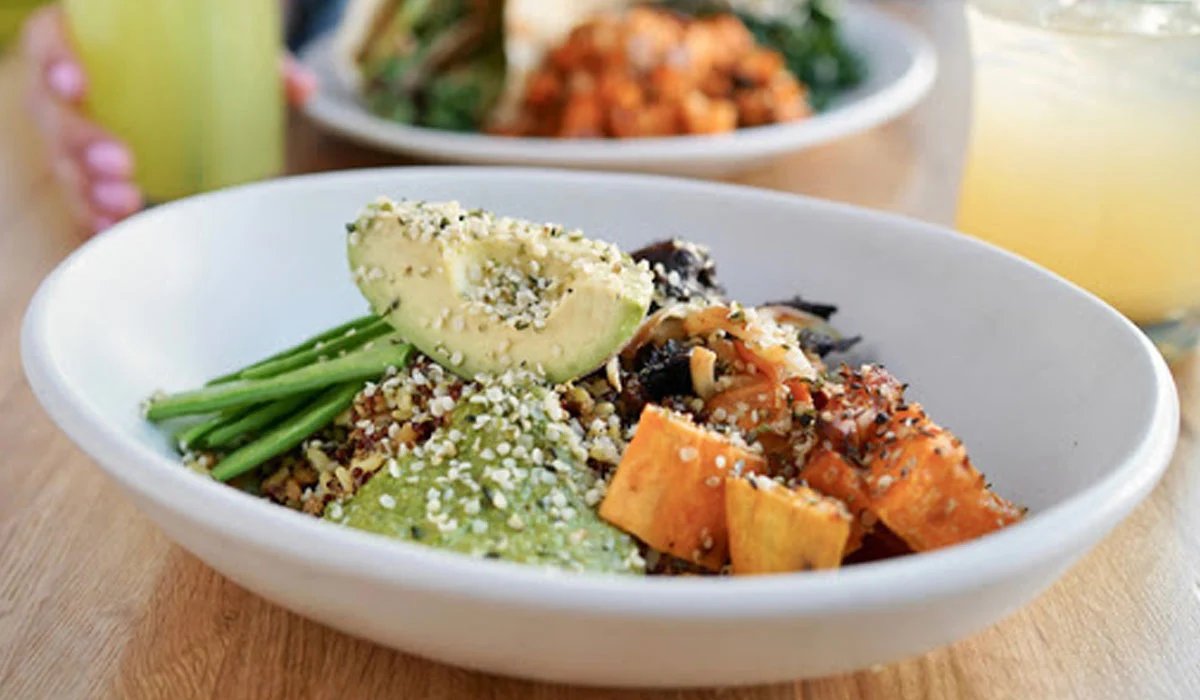
True Food Kitchen, the health-focused casual dining chain founded on the principles of wellness and anti-inflammatory nutrition, officially filed for Chapter 11 bankruptcy protection on Monday. The filing marks a significant turning point for the Phoenix-based brand, which has struggled to maintain its financial footing following years of inconsistent leadership, experimental operational pivots, and shifting market demographics. In conjunction with the court filing, the company announced the immediate closure of 12 underperforming locations, reducing its total footprint to 34 restaurants across 14 states. The restructuring process is intended to facilitate a sale of the company, allowing it to shed debt, optimize its cost structure, and refocus on its core mission of providing health-forward dining experiences.
The Strategic Decision to Restructure
The move into bankruptcy court is designed to provide True Food Kitchen with the "breathing room" necessary to stabilize its operations. According to court documents, the chain is seeking to use the Chapter 11 process to improve its financial standing and restaurant footprint. To maintain operations during the proceedings, the company has secured $20 million in debtor-in-possession (DIP) financing from HumanCO TFK IV. This capital infusion is intended to ensure that the remaining 34 locations can continue to serve guests, pay employees, and manage vendor relationships while the sale process unfolds.
The chain’s financial liabilities are substantial, with approximately $42.1 million in total debt. This includes various merchant cash advance agreements with multiple lenders, a form of financing that often signals high-interest obligations and immediate cash flow pressures. By entering bankruptcy, the company can consolidate these obligations and present a more attractive, leaner profile to potential acquirers.
A Legacy of Wellness and Pioneering Growth
True Food Kitchen was established 18 years ago in Phoenix, Arizona, as a collaboration between Dr. Andrew Weil, a world-renowned wellness author and pioneer of integrative medicine, and Sam Fox, the prolific founder of Fox Restaurant Concepts. At its inception, the brand was a trailblazer in the "better-for-you" dining segment. The menu was meticulously crafted around Dr. Weil’s Anti-Inflammatory Food Pyramid, emphasizing whole foods, minimal processing, and simple, high-quality ingredients.
The concept resonated quickly with health-conscious consumers, leading to steady growth under the Fox Restaurant Concepts umbrella. In 2017, having reached a milestone of 20 locations, True Food Kitchen was spun off as an independent entity to pursue more aggressive national expansion. The brand’s trajectory appeared promising; by 2022, it had secured a $100 million funding round, the largest in its history. This investment was intended to fuel a new era of growth and innovation, bringing the total number of restaurants to 46 at its peak. However, the capital influx was met with a series of internal and external challenges that eventually eroded the company’s stability.
Leadership Inconsistency and Strategic Misalignment
A primary driver of True Food Kitchen’s current financial distress has been significant management turnover. The brand has cycled through various leadership teams, each bringing different perspectives on expansion, brand identity, and menu development. Court filings reveal that these shifting priorities led to a lack of strategic continuity.
Successive management groups invested heavily in markets outside the brand’s core geographic strengths. Furthermore, resources were frequently diverted toward food and beverage programs that deviated from the original wellness-driven mission established by Dr. Weil. One notable example of strategic misalignment was the launch of "True Food To-Go." This quick-service prototype, based in Tempe, Arizona, was designed to capture the rising demand for off-premise dining. However, the concept failed to gain traction with the brand’s traditional guest base, which typically sought the full-service, wellness-oriented atmosphere of the flagship locations. The failure of this and other experimental concepts drained capital that might otherwise have been used to bolster the core business.
The Long Shadow of the Pandemic and Ghost Kitchen Failures
Like many in the casual dining sector, True Food Kitchen was severely impacted by the COVID-19 pandemic. The sudden loss of in-person dining forced the company to pivot toward delivery and digital sales. In an attempt to adapt, the chain transformed several existing locations into ghost kitchens and even launched an off-site, delivery-only kitchen.
While these moves were born of necessity during the height of the pandemic, they ultimately proved to be a distraction from the brand’s primary value proposition. The operational complexities of managing ghost kitchens, coupled with the high commission fees associated with third-party delivery platforms, made these ventures unsustainable. Recognizing that these initiatives were diluting the brand experience, True Food Kitchen eventually terminated the programs to return its focus to the "four-wall" dining experience. However, the financial damage from these pivots, combined with the slow recovery of foot traffic in certain urban markets, left the company vulnerable.
Real Estate Challenges and Shifting Demographics
The bankruptcy filing also highlights a growing divide between the brand’s profitable locations and those that have become financial burdens. While many True Food Kitchen restaurants continue to perform well, a significant portion of the portfolio was located in areas that suffered from shifting demographics and decreased foot traffic following the pandemic.
Changing work-from-home patterns and the migration of consumers away from certain metropolitan hubs rendered some long-term leases untenable. The company’s inability to quickly renegotiate these leases or exit underperforming markets contributed to the cash flow crisis. The 12 closures announced alongside the bankruptcy filing represent the most distressed assets in the portfolio, located in regions where the "better-for-you" concept no longer aligned with local market realities.
Corrective Measures and the Path to Sale
In the months leading up to the bankruptcy filing, True Food Kitchen’s board of directors took several steps to mitigate the crisis. In July 2023, the company hired Jeff Chandler as CEO to spearhead a turnaround. Chandler, an experienced restaurant executive, immediately began working with consulting firms to assess the company’s real estate assets and explore strategic alternatives.
Under Chandler’s leadership, the company initiated a series of aggressive cost-cutting measures, including:
- Reductions in corporate staff to streamline operations.
- Renegotiation of contracts with key vendors to improve margins.
- Engaging with real estate experts to find buyers for unexpired leases in closed locations.
- Retaining only the essential staff required to manage the bankruptcy administration and maintain the quality of the remaining 34 restaurants.
"True Food Kitchen is a pioneering brand with a distinctive position in wellness-driven dining, a loyal community of guests, and a mission that is more relevant than ever," CEO Jeff Chandler said in a statement. "This process is the best path forward to simplify the business and focus on what we do best: delivering craveable, health-forward food and genuine hospitality. We are confident this step will help us build a stronger True Food Kitchen for the future."
Analysis of the "Better-for-You" Dining Landscape
The struggles of True Food Kitchen reflect broader trends within the casual dining and health-conscious food sectors. While consumer demand for "clean eating" and wellness-oriented menus remains high, the operational costs of sourcing high-quality, fresh ingredients have skyrocketed due to inflation and supply chain disruptions.
Furthermore, the "better-for-you" space has become increasingly crowded. Fast-casual competitors like Sweetgreen, Cava, and Dig have successfully captured the health-conscious demographic with lower price points and faster service models. For a full-service brand like True Food Kitchen, the challenge lies in justifying the higher cost of a sit-down meal while competing with the convenience of these newer entrants.
Industry analysts suggest that the sale process will likely attract interest from private equity firms or larger restaurant groups looking to add a premium, health-focused brand to their portfolios. The brand’s intellectual property—specifically its association with Dr. Andrew Weil and its established reputation for nutritional integrity—remains a valuable asset.
Implications for Staff and Local Communities
The closure of 12 restaurants and the restructuring of corporate headquarters have resulted in significant job losses. CEO Jeff Chandler acknowledged the human toll of these decisions, expressing gratitude for the contributions of affected team members. The company has committed to providing resources and support for those impacted by the closures, though the specifics of severance or transition assistance remain subject to the court-supervised process.
For the 34 communities where True Food Kitchen will continue to operate, the bankruptcy filing ensures that the restaurants will remain open for the time being. The DIP financing is specifically allocated to maintain the guest experience, ensuring that food quality and service standards do not slip during the transition.
Looking Ahead: The Future of True Food Kitchen
The primary goal of the Chapter 11 filing is a successful sale that allows True Food Kitchen to emerge as a leaner, more focused company. By shedding the "True Food To-Go" experiment, closing underperforming urban sites, and stabilizing its leadership, the brand hopes to return to the principles that made it a success 18 years ago.
The coming months will be critical as the court oversees the bidding process. If a buyer is found who understands the unique value of the anti-inflammatory dining niche, True Food Kitchen may yet reclaim its status as a leader in the wellness dining space. However, the brand must navigate the complexities of the bankruptcy court and the high expectations of its loyal customer base to ensure that the "True Food" mission survives this period of financial turmoil. For now, the focus remains on operational excellence at the remaining locations and a transparent sale process that prioritizes the long-term viability of the pioneering wellness brand.