admin
admin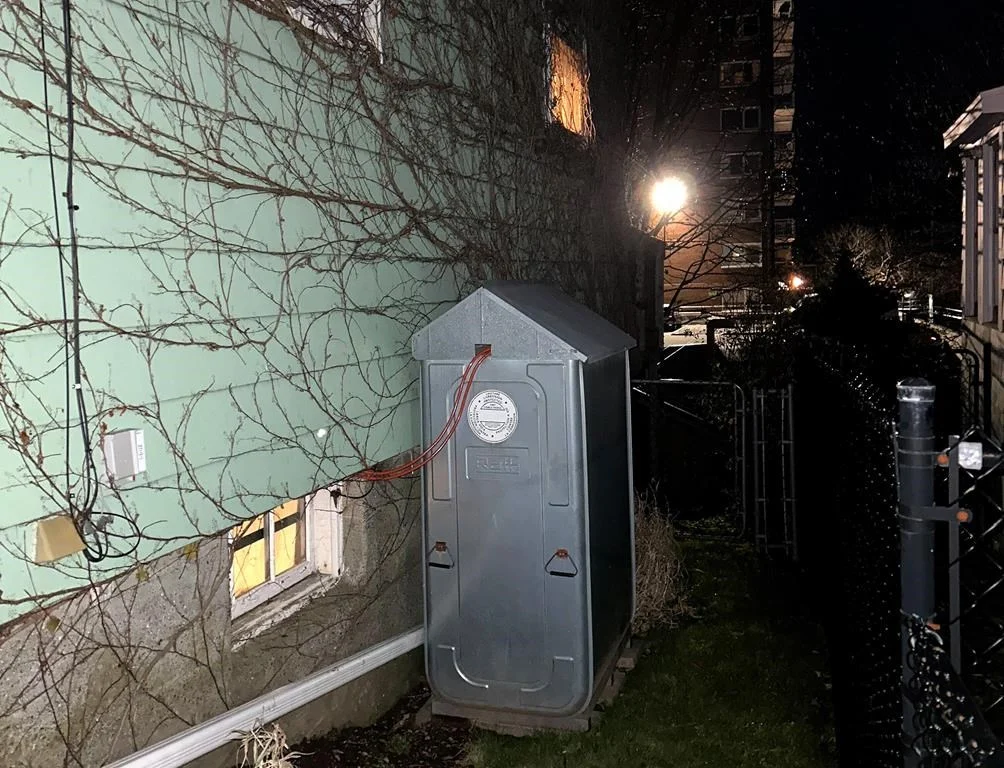
As the crisp air of autumn gives way to the biting cold of winter, a growing chorus of concern is echoing across Nova Scotia regarding the escalating costs of home heating and the perceived inadequacy of the province’s primary assistance mechanism, the Heating Assistance Rebate Program (HARP). For many households, the prospect of plummeting temperatures brings with it a profound anxiety over affordability, an issue exacerbated by recent changes to HARP’s eligibility criteria and a broader landscape of rising living expenses.
The program, designed to alleviate the financial burden of heating costs for low-income residents, opened for applications this season to a backdrop of significant public scrutiny. While offering eligible households up to $400, the revised criteria have sparked outcry from advocacy groups and individuals who argue that the government’s adjustments have left tens of thousands of vulnerable Nova Scotians out in the cold, literally and figuratively.
A Program in Flux: HARP’s Evolution and Recent Revisions
The Heating Assistance Rebate Program (HARP) has been a critical lifeline for Nova Scotians grappling with high energy costs since its inception. Initially introduced to mitigate the impact of fluctuating fuel prices, the program has historically seen periods of expansion, particularly during economic downturns or spikes in energy costs, demonstrating a governmental commitment to supporting its most vulnerable citizens. In previous years, the provincial government had broadened eligibility thresholds and increased the maximum rebate amount, acknowledging the persistent challenges faced by many households in maintaining warmth.
However, a significant shift occurred in the last fiscal year, casting a long shadow over the program’s reach. The Houston government implemented substantial cuts, notably lowering the net income threshold for a family to qualify from $70,000 to $45,000. For individuals, the threshold was reduced even more dramatically, from $55,000 to $30,000. These changes, enacted ahead of the 2024-2025 heating season, dramatically altered the landscape of who could receive aid.
According to a government news release issued at the time of these revisions, 118,287 applicants received the rebate in the previous fiscal year (likely 2023-2024), at a total cost of $71 million. Following the changes, projections for the 2025-2026 fiscal year anticipated assisting as many as 72,000 households, with a significantly reduced budget allocation of $32 million. This stark reduction in both the number of beneficiaries and the overall program expenditure immediately signaled a tightening of provincial purse strings, prompting concerns from various sectors.
The net effect of these revisions, as highlighted by critics, has been a substantial contraction of the safety net HARP once provided. While the program offers up to $400, the reduced income thresholds mean that a considerable segment of the "working poor" and even some middle-income families who previously qualified are now excluded, despite facing the same, if not greater, inflationary pressures on their household budgets.
Voices from the Front Lines: Personal Impact and Advocacy
The human toll of these policy changes is acutely felt by individuals like Miriam Williams, a Halifax resident and prominent leader with the tenant advocacy group, ACORN. Williams, who had previously qualified for HARP, now finds herself ineligible due to the altered criteria. Her experience is emblematic of thousands across the province. "In a word, it’s unacceptable," Williams stated emphatically, highlighting the program’s essential role. "This is not a handout by any means. This is just something that helps people get by." Her sentiment underscores a critical perspective: for many, HARP is not merely a bonus but a fundamental component of their monthly financial calculus, enabling them to meet basic needs without falling into deeper debt or sacrificing other essentials.

ACORN, a grassroots organization dedicated to tenant rights and social justice, has been at the forefront of advocating for a reversal of the HARP cuts. They argue that the revisions disproportionately impact low-income renters, who often have limited control over the energy efficiency of their homes and are subject to landlords’ heating choices and associated costs. Williams anticipates a profoundly difficult winter for herself and her neighbours, painting a stark picture of financial precarity: "Most people that I know who live even just in this neighbourhood are about one bad paycheque away from losing everything. That’s a scary and stressful way to live." This vulnerability is precisely what HARP was intended to mitigate, and its diminished capacity leaves many feeling abandoned.
Political Opposition and Fiscal Debates
The provincial New Democratic Party (NDP) has been a vocal critic of the government’s approach to HARP. Susan Leblanc, the NDP’s critic for Service Nova Scotia, issued a strong statement Thursday, urging the Houston government to reverse the program’s changes. Leblanc’s critique was pointed, asserting, "Last year, 64,000 Nova Scotians struggling to afford their heating costs were denied HARP because the Houston government changed the rules to make them ineligible." She further emphasized the dual impact of the cuts: not only were fewer people eligible, but "Those who could still qualify got $200 less."
Leblanc also highlighted a concerning fiscal discrepancy, stating, "The department then left a third of its HARP budget unspent — money that could have made a real difference to the thousands of Nova Scotians who depend on this help." This assertion, if accurate, raises serious questions about the government’s prioritization of fiscal prudence over immediate social needs, especially when the stated goal of the program is to assist struggling households. The NDP’s analysis is further bolstered by alarming statistics on energy costs: they point out that the cost of heating oil, a prevalent heating source in Nova Scotia, has reportedly risen by a staggering 47 percent since last year. This substantial increase in a core household expense makes the reduction in assistance all the more impactful.
The Strain on Community Services: A Growing Crisis
The ripple effect of reduced government assistance is profoundly felt by charitable organizations across the province. Shelley Rose, director of the Parker Street Food and Furniture Bank, confirms a palpable increase in demand for her organization’s emergency assistance program. This program, which provides crucial support for heating costs, has seen a distressing 25 percent annual increase in requests for aid.
"What we hear all the time is just everything is so expensive," Rose explained, encapsulating the pervasive sentiment among those seeking help. She directly links the surge in demand to the HARP changes: "We are seeing an uptick in the amount of people that we are trying to help because people who would have had that rebate before don’t have it and need that extra help." This trend suggests that the provincial government’s withdrawal of support is merely shifting the burden onto already stretched community resources, which are often ill-equipped to handle such a dramatic increase in need. The Parker Street Food and Furniture Bank, like many similar organizations, operates on limited budgets and relies heavily on donations, making sustained surges in demand difficult to absorb.
Nova Scotia’s Energy Poverty: A Systemic Challenge
Beyond individual stories and immediate political debates, the situation in Nova Scotia reflects a deeper, systemic issue: energy poverty. Experts consistently rank Nova Scotia as having one of the highest rates of energy poverty in Canada, a condition defined by households spending an unmanageably high proportion of their income on energy bills. This problem is particularly acute for renters, who often face unique disadvantages.
Juli Bishwokarma, an energy coordinator at the Ecology Action Centre, articulated this challenge clearly: "Renters are struggling the most because they are paying for the heat and electricity, but they can’t choose how to upgrade or have little or no control (over) their heating system." Unlike homeowners who might invest in energy-efficient upgrades or switch heating sources, renters are largely at the mercy of their landlords’ decisions regarding insulation, windows, and heating systems. This lack of agency, coupled with often older, less efficient rental stock, locks many into high energy consumption patterns and correspondingly exorbitant bills, making them exceptionally vulnerable to reductions in assistance programs like HARP.

The Ecology Action Centre regularly advocates for policies that address the root causes of energy poverty, including incentives for landlords to improve energy efficiency in rental units and broader provincial strategies for energy transition that prioritize affordability. They argue that while rebates offer temporary relief, sustainable solutions require systemic changes to housing stock and energy infrastructure.
Government Response and Future Outlook
In response to the mounting criticism, Minister of Service Nova Scotia Jill Balser issued a statement acknowledging the financial pressures faced by Nova Scotians. She reiterated that the $400 rebate, alongside other government measures, is intended to help with home heating costs. "Each year we look to deliver a program that can help as many people as we can with the resources we have," Balser stated, framing the current HARP structure as a pragmatic allocation of resources.
The Minister also contextualized the budget decisions within the broader provincial fiscal landscape. "Our budget this year is just over $33 million at a time when the province is managing a $1.4 billion deficit," she explained. This reference to the substantial provincial deficit suggests that the HARP cuts are part of a wider austerity measure, aimed at reining in government spending. Balser further articulated a long-term vision: "We will do more when we have more which is why it’s so important that we continue to work to create good jobs, grow the economy so we can maintain and strengthen programs like HARP." This stance implies that increased social spending is contingent upon robust economic growth and a healthier provincial balance sheet.
However, critics like Miriam Williams remain unconvinced by the government’s justification. "Every penny counts in this economy. And the threshold being lowered even more is simply excluding families that still dearly need this," she countered. Williams further highlighted the practical limitations of the current rebate amount and thresholds, particularly for multi-income households that are still struggling. "A household with two income earners will blow past that cap (of $400) in a matter of weeks… They really require this benefit to make it through the winter."
Broader Implications and The Road Ahead
The ongoing debate over HARP’s efficacy and accessibility has far-reaching implications for Nova Scotia. Beyond the immediate financial strain on individual households, the issue touches upon public health (cold homes can exacerbate respiratory illnesses and other health conditions), economic stability (less disposable income means reduced local spending), and social equity.
The increased reliance on food banks and other charitable organizations points to a widening gap between provincial support and actual need. This shift also places additional strain on the non-profit sector, diverting resources that could otherwise address other pressing social issues. For renters, the situation is particularly dire, as they often lack the means to improve their energy situation independently.
As Nova Scotia braces for winter, the pressure on the government to re-evaluate its approach to heating assistance is likely to intensify. The balance between fiscal responsibility and social safety nets remains a delicate one, but for thousands of Nova Scotians, the immediate need for warmth and security may well overshadow long-term economic projections. The effectiveness of the current HARP structure will be measured not just in budget lines, but in the well-being of its citizens through the cold months ahead. The question remains whether the government’s current strategy is sustainable, both fiscally and socially, in the face of persistent energy poverty and rising costs of living.