admin
admin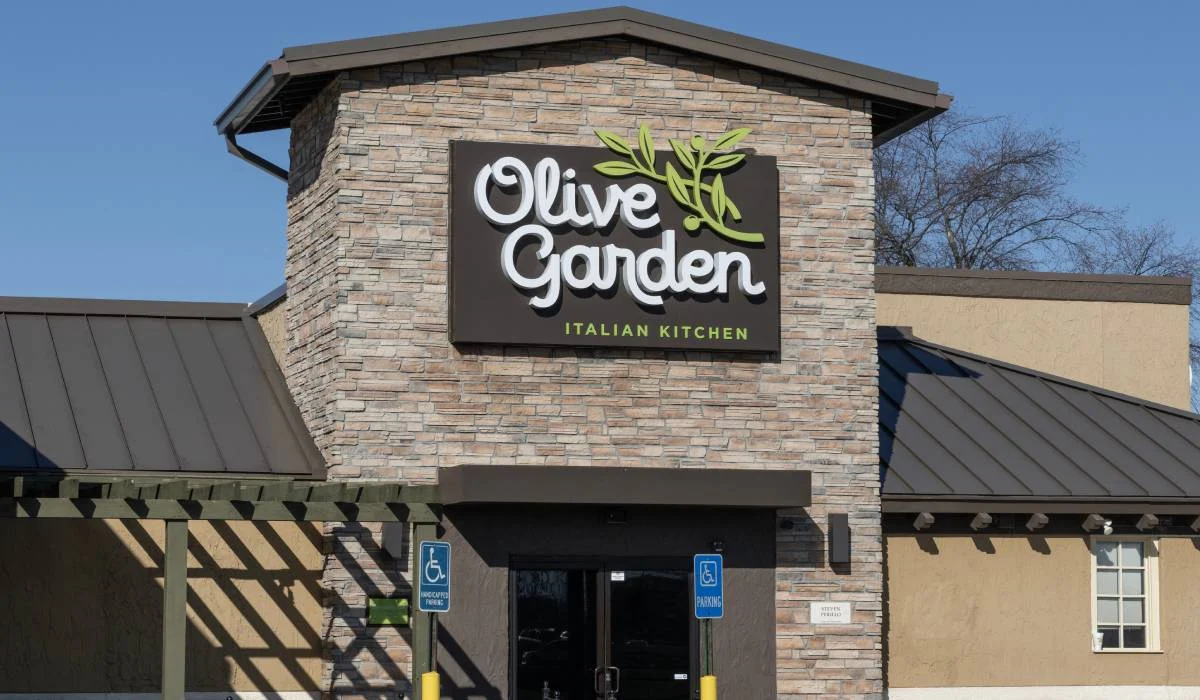
Darden Restaurants, the Orlando-based multi-brand restaurant behemoth, has officially commenced fiscal 2027 with a robust financial performance characterized by widespread sales gains across its diverse portfolio. Reporting a total sales increase of 5.1 percent to $3.2 billion for the first quarter, the company demonstrated resilience in a fluctuating consumer environment. This growth was underpinned by the addition of 53 net new restaurant locations and a healthy 3.2 percent increase in same-restaurant sales across the enterprise. Despite various macroeconomic pressures and temporary operational headwinds, the company’s restaurant-level EBITDA margin remained stable at 18.8 percent, signaling strong operational efficiency and cost management.
The quarterly results were primarily propelled by the standout performances of LongHorn Steakhouse and Yard House. LongHorn continued its impressive multi-year winning streak, while Yard House capitalized on international sporting events to drive significant foot traffic. Meanwhile, Olive Garden, Darden’s largest brand by volume, reported more modest gains but is now the focus of a strategic internal pivot aimed at reclaiming the weekday lunch daypart—a segment of the business that has struggled to return to its pre-pandemic vibrancy.
Strategic Performance and the Impact of Global Events
The first quarter’s sales trajectory was not uniform, showing a progressive improvement as the months rolled by. According to Chief Financial Officer Raj Vennam, momentum built steadily throughout the quarter and accelerated further into September. However, the period was not without its unique challenges. Darden executives estimated that the World Cup served as a double-edged sword for the portfolio, reducing companywide same-restaurant sales by approximately 80 basis points.
While the tournament acted as a significant draw for Yard House, which functions as a premier destination for sports fans, it simultaneously diverted guests away from the company’s more traditional casual and fine-dining concepts. This shift in consumer behavior highlights the delicate balance Darden must maintain across its various brands to ensure that localized or event-based surges in one segment do not cannibalize the overall health of the enterprise.
Olive Garden: Navigating Headwinds and Reimagining Lunch
Olive Garden, the flagship of the Darden fleet, saw its same-restaurant sales rise by 1 percent during the first quarter. While positive, this growth was tempered by several external factors. Guest counts were pressured by an estimated 150 to 200 basis points due to the combined effects of the World Cup and localized consumer concerns regarding lettuce quality and safety. These concerns were significant enough to prompt the brand to postpone its planned marketing efforts for its iconic unlimited soup, salad, and breadsticks lunch promotion.
Furthermore, the brand experienced a 50-basis-point headwind to its average check size, attributed to the popularity of lighter-portion entrées. While these items are popular with health-conscious diners, they typically carry a lower price point than the brand’s signature heavy pasta dishes.
To counter these trends, Darden is launching a comprehensive offensive to rebuild Olive Garden’s weekday lunch business. Currently, weekday lunch accounts for roughly 20 percent of the brand’s total traffic. However, its performance relative to other times of the day remains hundreds of basis points below the levels seen prior to the 2020 pandemic.
"We’ve seen a little bit more deterioration at lunch than we have in any other place," CEO Rick Cardenas noted during the quarterly earnings call. "We thought it was time, and it was already in our five-year plan to work on lunch."
The upcoming strategy involves a two-pronged approach: a renewed marketing push for the existing lunch offer and the testing of a new weekday lunch platform designed to provide guests with greater variety and value. This move is seen as essential for capturing the "hybrid work" crowd that has shifted dining habits over the last few years.
The Resurgence of the Never-Ending Pasta Bowl
As the second quarter began, Olive Garden leaned into its most potent promotional weapon: the Never-Ending Pasta Bowl. After a six-year hiatus, the brand also brought back the "Never-Ending Pasta Pass." The 10,000 available passes sold out almost instantly, demonstrating the enduring brand equity of the promotion.
This year’s iteration of the pasta bowl included premium additions such as Spicy Alfredo sauce and Shrimp Fritta. Notably, Darden chose to increase the starting price of the offer after maintaining a $13.99 price point for nearly half a decade. Despite the price hike, the $4.99 unlimited protein add-on remained unchanged. Cardenas reported that early results have exceeded internal expectations, with guests showing a higher propensity to purchase protein add-ons than in previous years.
The success of protein-heavy dishes is also influencing the core menu. Following the success of the "Season of Garlic" promotion—where a higher-priced, protein-forward dish was the top performer—Olive Garden is testing more substantial dinner items, such as the Calabrian Steak & Shrimp Bucatini, to cater to diners seeking premium experiences.
LongHorn Steakhouse: 22 Quarters of Consecutive Growth
While Olive Garden focuses on recovery, LongHorn Steakhouse remains the undisputed star of the Darden portfolio. The chain reported a 6.8 percent increase in same-restaurant sales, marking its 22nd consecutive quarter of growth. Total sales for the segment surged by 10.9 percent, and profit margins improved by 60 basis points to reach 18 percent.
What makes LongHorn’s performance particularly noteworthy is that it has achieved a 17 percent increase in same-restaurant sales over a three-year period while maintaining minimal marketing expenditures. The brand’s strategy focuses on high-quality execution and "steakhouse expertise" rather than aggressive discounting.
Looking ahead, Darden plans to introduce new menu items and upgrades in the second quarter to bolster both lunch and dinner offerings. Despite concerns over the rising cost of beef, CFO Raj Vennam indicated that the company expects beef inflation to remain within the low-single-digit range for fiscal 2027, staying consistent with previous forecasts.
Yard House Hits the Billion-Dollar Milestone
Yard House emerged as another major growth engine, posting a 10 percent same-restaurant sales gain. The brand benefitted immensely from the World Cup, which provided an estimated 180-basis-point lift as fans gathered to watch matches. This quarter marked a historic milestone for the chain, as it surpassed $1 billion in trailing 52-week sales, joining Olive Garden and LongHorn Steakhouse as Darden’s third billion-dollar brand.
Darden’s expansion plans for Yard House are aggressive. The company intends to open 13 new locations this fiscal year, five of which will be conversions of existing Bahama Breeze sites. To facilitate growth in more diverse real estate markets, half of the new openings will utilize a smaller restaurant prototype designed to lower construction costs while maintaining the brand’s high-energy atmosphere. With an average unit volume (AUV) of $10.5 million, Yard House remains one of the most productive concepts in the casual dining industry.
Integration of Chuy’s and the Outlook for Emerging Brands
The quarter also provided insight into Darden’s recent acquisition of Chuy’s. The integration process is currently underway, with the immediate focus being on operational consistency. Rick Cardenas acknowledged that the transition to a new point-of-sale (POS) system created some initial friction, yet the brand still managed to achieve positive same-restaurant sales during its first full fiscal year under the Darden umbrella. The long-term goal for Chuy’s is to reach mid- to high-single-digit unit growth.
Similarly, Cheddar’s Scratch Kitchen is undergoing a refinement of its operations. By concentrating new openings in existing markets and utilizing a newer, more efficient prototype, Darden expects Cheddar’s to eventually move toward a mid-single-digit unit growth rate.
In the Fine Dining segment, which includes The Capital Grille and Eddie V’s, same-restaurant sales rose by 1 percent. While business-related spending has seen a slight year-over-year decline, Darden noted a promising uptick in private dining reservations, suggesting that corporate events and high-end social gatherings are beginning to stabilize.
Economic Outlook: A Resilient Consumer Base
A significant takeaway from the Q1 earnings call was Darden’s perspective on the health of the American consumer. Despite inflationary pressures and rising fuel prices throughout the summer, CEO Rick Cardenas remained optimistic.
"If the consumer is wavering, we’re not seeing it," Cardenas stated, noting that traffic patterns actually improved throughout the quarter. Darden’s internal data suggests that casual-dining guests are not significantly altering their behavior or trading down to lower-priced alternatives in large numbers.
Pricing across the Darden portfolio averaged 3.7 percent in the first quarter. As inflation begins to cool, the company expects to ease its pricing increases toward a more normalized range of 2 percent by the fourth quarter. This strategy aims to maintain value for the guest while protecting margins against labor and commodity fluctuations.
Analysis of Implications
Darden’s performance serves as a bellwether for the broader restaurant industry. The company’s ability to drive sales through a mix of new unit growth and operational excellence suggests that there is still significant white space in the casual dining market for well-capitalized operators.
The focus on the lunch daypart at Olive Garden is particularly telling. As remote and hybrid work becomes a permanent fixture of the professional landscape, the traditional "power lunch" has evolved. Darden’s pivot suggests that success in this segment will require a combination of speed, variety, and a price point that competes effectively with fast-casual alternatives.
Furthermore, the continued dominance of LongHorn Steakhouse proves that consumers are willing to pay for quality when they perceive a clear value proposition. By keeping marketing costs low and focusing on the plate, LongHorn has built a loyal following that appears insulated from minor economic shifts.
As Darden enters the remainder of fiscal 2027, the primary challenge will be the successful integration of its new acquisitions and the revitalization of Olive Garden’s lunch traffic. However, with three billion-dollar brands and a steady hand at the helm, the company appears well-positioned to navigate the evolving demands of the modern diner.