admin
admin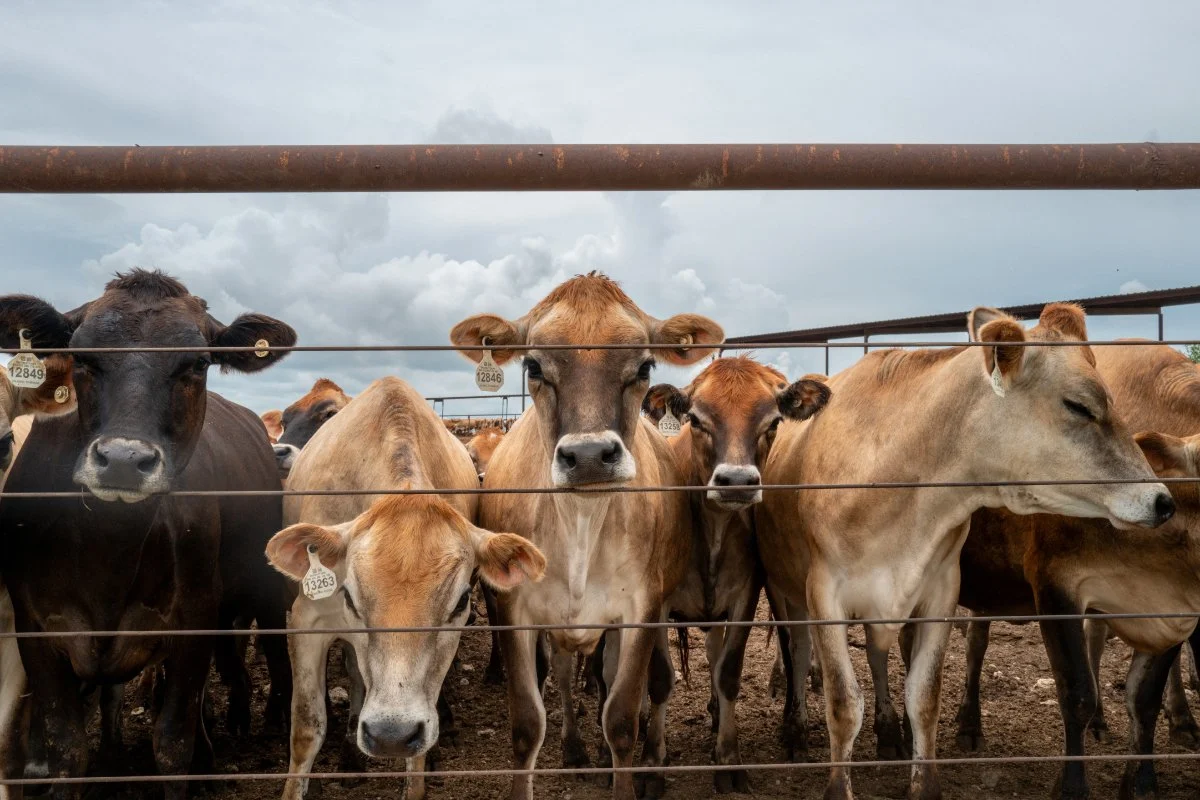
On any given trip to the grocery store these days, consumers often navigate crowded aisles, pushing their carts past the cold-case section where various cuts of beef are displayed. Shelves typically appear well-stocked, offering a diverse selection of roasts, steaks, and ground beef. However, what often catches the eye and raises concern is not a shortage of product, but rather the persistently high prices affixed to these packages. This observation stands in stark contrast to repeated assertions that the nation is experiencing a significant cattle shortage, a claim frequently cited as the primary driver of escalating beef costs. While it is true that the U.S. beef cow herd has indeed shrunk to its lowest level since 1961, and grocery-store beef prices have climbed to unprecedented highs, the straightforward explanation of "fewer cattle, less beef, higher prices" fails to capture the intricate realities of the modern beef supply chain. A closer examination reveals a more complex interplay of factors, including remarkable efficiencies in beef production, robust consumer demand, and the opaque pricing mechanisms that operate between the ranch gate and the supermarket checkout.
The Shrinking Herd and Rising Production Efficiency
The U.S. beef cattle herd currently stands at a historic low, a trend that has been influenced by a confluence of challenging environmental and economic factors over recent years. Prolonged and widespread droughts across key cattle-producing regions have severely impacted pasture conditions and water availability, forcing many ranchers to cull their herds prematurely due to insufficient feed. This environmental pressure has been compounded by soaring costs for hay and other feed inputs, making it financially unsustainable for some producers to maintain larger herds. Furthermore, the demographic shift within the agricultural sector, characterized by an aging rancher population and fewer new entrants, contributes to a gradual reduction in the number of active operations. According to the U.S. Department of Agriculture (USDA), the beef cow inventory dropped to approximately 28.9 million head in 2023, marking the lowest count in over six decades.
Despite this significant reduction in cattle numbers, the notion of a "cattle shortage" as a direct cause for high beef prices is misleading when viewed through the lens of actual beef production. Counterintuitively, the U.S. beef industry has achieved remarkable efficiencies, producing more beef from fewer cattle. Since 1970, U.S. beef production has increased by roughly 25 percent, even as the number of cattle required to produce that beef has declined by approximately 6 percent. This impressive feat is largely attributable to decades of advancements in genetics, nutrition, and management practices. Modern cattle breeds exhibit superior growth rates and feed conversion ratios, while improved veterinary care and sophisticated feedlot management optimize animal health and weight gain. Consequently, each animal entering the processing chain yields a greater quantity of edible beef, effectively decoupling the direct relationship between herd size and total beef availability.
Navigating the Complex Beef Supply Chain
The journey of beef from the ranch to the consumer’s plate involves a multi-stage supply chain, each segment adding costs and influencing the final retail price. This chain typically includes cow-calf operations (ranchers), stocker/backgrounder operations, feedlots, meatpackers/processors, distributors, and finally, retailers. Ranchers, like the sixth-generation Kansas farmer quoted in earlier discussions, sell live cattle into this complex system. They are often far removed from the pricing decisions made at the grocery store.
A critical point of contention and opacity lies within the meatpacking sector. The U.S. beef packing industry is highly concentrated, with a handful of major corporations — often referred to as the "Big Four" — dominating the market. These companies process a vast majority of the nation’s beef, granting them significant leverage in setting prices for live cattle purchases from ranchers and for wholesale beef sales to distributors and retailers. This market concentration has been a recurring subject of federal scrutiny, with the Department of Justice expanding investigations into potential antitrust violations and price manipulation within the industry.
The costs incurred by meatpackers have also risen significantly. Labor, transportation, and energy expenses have all seen substantial increases in recent years. Processing plants face rising wages to attract and retain workers, especially in a tight labor market, and compliance with stringent food safety regulations also adds to operational costs. These increased operational expenditures are then factored into the wholesale price of beef, irrespective of the price paid to ranchers for live cattle. As beef moves through distribution and into retail, additional costs for logistics, marketing, and retailer margins further contribute to the final price point. Changes in the price of live cattle do not necessarily ripple through each stage of this supply chain with equivalent reductions at the consumer level, as other intervening costs and profit margins can absorb or amplify these fluctuations.
Sustained Demand and Pricing Dynamics
Despite the historically high prices, consumer demand for beef has remained remarkably robust. Data for the 52 weeks ending July 12, 2026, indicated that retail beef sales increased not only in dollar value but also in volume, with a 2.1 percent rise in pounds purchased. This sustained demand, even in the face of elevated costs, is a powerful indicator of consumer preference and willingness to pay. Strong demand naturally tightens perceived supply within the market, providing little incentive for processors and retailers to lower prices if consumers continue to purchase at current levels.
The composition of beef products also plays a role in pricing dynamics. Ground beef, a staple for many American households, frequently relies on a blend of fattier domestic beef with leaner imported beef trimmings to achieve desired fat content and texture. While the need for lean trim imports might suggest a specific kind of supply gap, it does not broadly indicate a shortage of American cattle for all beef products. This specific demand for lean trimmings can also be met through imports without necessarily impacting the price of other domestic cuts or the value of domestically raised cattle in the broader market. In fact, an increased supply of imported beef in the middle of the product chain, between processors and retailers, can offer meatpackers more options, potentially reducing the value of domestically raised cattle if they can source cheaper alternatives. This scenario highlights a potential disconnect: processors may be able to secure inputs for less, but if consumer demand remains strong at current retail prices, there is little market pressure for them to pass those savings on.
Government Intervention and Policy Responses
The issue of high beef prices and supply chain integrity has attracted significant attention from policymakers across different administrations.
Chronology of Key Events and Policy Actions:
- 1961: The U.S. beef cow herd reaches its lowest recorded level, a benchmark often cited in discussions about current herd size.
- 1970s onwards: Continuous improvements in cattle genetics, nutrition, and management lead to a steady increase in beef production efficiency, allowing more beef to be produced from fewer animals.
- Late 2010s: Widespread droughts intensify in key cattle-producing states, leading to increased herd culling and reduced breeding stock. Input costs for feed, particularly hay, begin to climb.
- 2020 (COVID-19 Pandemic): Supply chain disruptions, particularly temporary shutdowns or slowdowns at major meatpacking plants due to outbreaks, expose vulnerabilities and lead to massive backlogs of live cattle at farms while retail shelves sometimes struggle with supply. This period brings the issue of meatpacker concentration and pricing practices to the forefront of public and political discourse.
- August 2020: The Trump administration issues a proclamation temporarily increasing the amount of lean beef trimmings eligible for entry into the U.S. at a lower, in-quota tariff rate by 300,000 metric tons. This measure was intended to increase supply, particularly for ground beef, and alleviate high consumer prices, framed as a response to the pandemic’s economic pressures.
- 2021-Present: The Biden administration makes increasing competition in the meatpacking industry a key priority, issuing executive orders aimed at fostering fairer markets and supporting smaller processors. The Justice Department continues and expands its investigations into alleged price fixing and anticompetitive practices by major meatpackers. USDA initiates programs to support independent meat processors and improve price reporting transparency.
The Trump administration’s policy to increase lean beef trimmings imports, while well-intentioned to boost supply, rests on a familiar economic solution to high prices. However, its effectiveness in reaching consumers remains debatable. As ranchers attest, they do not set grocery-store beef prices. The costs of processing, transportation, labor, and retail are all factors that separate the price of live cattle or imported trimmings from the final cost to consumers. Lowering the value of cattle or beef entering the supply chain does not automatically guarantee an equivalent reduction at the grocery checkout, as these other costs and profit margins can absorb any potential savings.
From a policy perspective, merely counting cows or increasing specific imports might not address the root causes of high beef prices. Policymakers aiming for more affordable beef should shift their focus from treating cattle numbers as the sole problem to critically examining the price formation mechanisms and competitive landscape within the beef supply chain, particularly the segment between the ranch and the meat case. The administration’s plan to monitor whether imported trimmings enter the market at the intended discount is a step in the right direction. However, to truly measure success in consumer affordability, a more robust public reporting mechanism is needed to track whether these lower input prices actually translate into lower retail ground-beef prices.
Broader Implications and The New Normal
The persistent high cost of beef has significant implications across various segments of society. For consumers, it means a higher grocery bill, potentially impacting household budgets and dietary choices. For many, beef remains a cultural staple, and its increased expense forces difficult decisions about consumption frequency or shifting to more affordable protein alternatives.
For the cattle industry, the situation presents a paradox. While retail prices are high, many ranchers feel that their share of the consumer dollar has diminished, struggling with high input costs and volatile live cattle prices dictated by a concentrated processing sector. The aging demographic of ranchers, coupled with economic pressures, poses long-term questions about the sustainability and future structure of the industry. There is a growing call for greater transparency in pricing and contracting throughout the supply chain to ensure fairer returns for producers.
Environmentally, the drive for efficiency in beef production, while economically beneficial, also brings into focus the environmental footprint of cattle farming. Producing more beef from fewer animals through intensive methods can have implications for land use, water consumption, and greenhouse gas emissions, spurring ongoing discussions about sustainable practices and alternative protein sources.
Ultimately, the current beef market dynamics suggest that consumers may have to accept an uncomfortable reality: beef is simply more expensive than it used to be. This is not primarily due to empty shelves or a fundamental lack of beef, but rather a complex interplay of increased production efficiency, sustained consumer demand, rising costs throughout the supply chain, and a highly concentrated processing sector that dictates much of the pricing. Shoppers in hometown grocery stores are not waiting for beef to arrive; they are standing in front of full counters, weighing whether the steak, roast, or pound of ground beef is truly worth the price on the package, a price shaped by forces far beyond the rancher’s gate. Addressing this multifaceted challenge will require a comprehensive approach, moving beyond simplistic explanations to tackle the structural issues within the entire beef supply chain.