admin
admin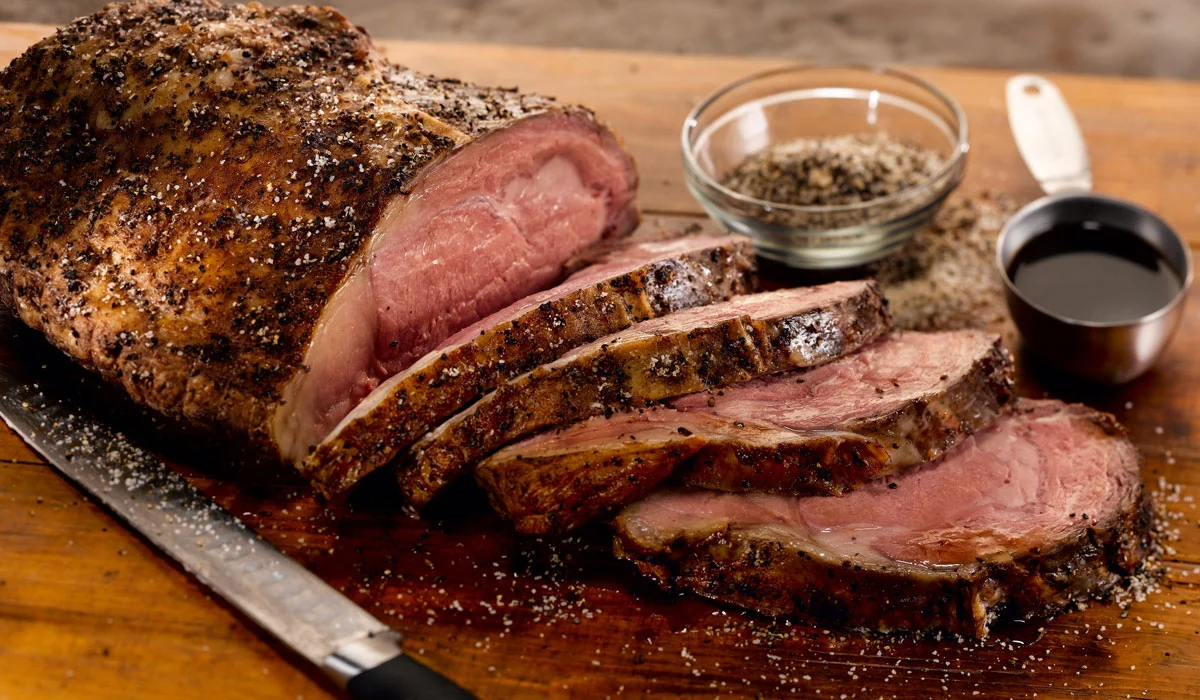
The casual-dining landscape in the United States underwent a significant shift this week as O’Charley’s, a staple of the American Southeast and Midwest for over half a century, abruptly closed the doors of its remaining company-owned restaurants. The Nashville-based chain, which once boasted a footprint of nearly 250 locations, appears to have reached the final stages of a years-long contraction that has seen its presence diminish in a highly competitive market.
The closures, which took place with virtually no advance notice to the public or the workforce, were executed simultaneously across several states. Employees at multiple locations reported that Wednesday was their final day of operations, with the majority of restaurants scheduled to lock their doors permanently at 8 p.m. This sudden exit has left hundreds of workers searching for answers and has marked a quiet, unceremonious end for a brand that was once a dominant force in the "bar and grill" segment of the hospitality industry.
A Sudden Wave of Closures Across the Heartland
The scale of the shutdown became apparent as local news outlets across Tennessee, Kentucky, Illinois, and Ohio began reporting identical stories of sudden terminations and locked doors. In O’Charley’s home market of Middle Tennessee, the impact was particularly pronounced. Nashville television station WKRN reached out to managers at six of the chain’s eight remaining restaurants in the region. According to those managers, employees at all eight Middle Tennessee locations were informed on short notice that their establishments would cease operations by Wednesday evening.
The lack of corporate transparency has been a defining feature of this final wave of closures. Despite repeated attempts by local media to secure a statement, O’Charley’s corporate office has remained silent. NewsChannel 5 in Nashville corroborated reports that employees were given less than 24 hours to process the news, with many being told on Tuesday that Wednesday would be their final shift.
The pattern repeated in Manchester, Tennessee, where a staff member at a location that had served the community for nearly 20 years told the Manchester Times that the staff received only one day’s notice. The suddenness of the decision left long-term employees blindsided, highlighting a departure from standard corporate wind-down procedures which typically involve transition periods or severance discussions.
In Marion, Illinois, the general manager of the local O’Charley’s informed television station KFVS that their restaurant would also close permanently at 8 p.m. on Wednesday. Employees in Marion were only notified of the decision on Wednesday morning, despite the restaurant having been a fixture of the local economy for 24 years. Similar reports emerged from Kentucky, where a staff member in Hopkinsville confirmed to radio station WHOP that their location was part of a near-total shutdown of company-owned units. Northern Kentucky also saw the loss of its remaining locations in Florence and Cold Spring.
While the majority of the brand’s footprint has vanished, a few outliers remain. A franchised O’Charley’s in Niles, Ohio, reportedly told the Columbus Dispatch that it would remain open until September 27. However, this appears to be a temporary reprieve, as that location is also slated for permanent closure, signaling the end of the brand’s 55-year run.
From Nashville Roots to National Prominence
The history of O’Charley’s is deeply rooted in the Nashville dining scene. The restaurant was founded in 1971 by Charlie Watkins, who opened the first location on 21st Avenue South, directly across from Vanderbilt University. Watkins’ vision was to create a menu featuring fresh, quality ingredients in a casual, welcoming atmosphere. The brand eventually became famous for its signature unbleached flour yeast rolls, prime rib, and classic American comfort food.
For decades, the brand successfully expanded by targeting suburban families and the "after-work" crowd. By the early 2000s, O’Charley’s had become a publicly traded company and a significant player in the casual dining sector. At its peak in 2010, the chain reported 244 locations across 19 states. This included 234 company-owned restaurants and 10 franchised units. During this era, O’Charley’s was often grouped with other major casual dining chains like Applebee’s, Chili’s, and TGI Fridays, competing for a share of the middle-class dining budget.
However, the last decade has been marked by a steady decline. The brand changed hands several times, eventually becoming part of American Blue Ribbon Holdings before being majority-owned by Cannae Holdings, an investment firm led by Bill Foley. Despite various rebranding efforts and menu overhauls intended to modernize the concept, the chain struggled to maintain its relevance in an evolving culinary market.
The Casual Dining Squeeze: Context and Implications
The downfall of O’Charley’s is not an isolated event but rather a symptom of broader economic and cultural shifts within the American restaurant industry. The "casual dining" segment—characterized by table service, a full bar, and a moderate price point—has been under immense pressure for several years.
Several factors have contributed to this industry-wide struggle:
- The Rise of Fast Casual: Consumers have increasingly migrated toward "fast-casual" establishments like Chipotle, Panera Bread, and Five Guys. These restaurants offer higher-quality food than traditional fast food but without the time commitment and tipping expectations of a sit-down restaurant like O’Charley’s.
- Labor and Food Inflation: Rising wages and the soaring cost of ingredients have squeezed profit margins for large-scale chains. Maintaining a sprawling footprint of 6,000-square-foot buildings with large staffs has become increasingly difficult to justify financially.
- The Delivery Revolution: The advent of third-party delivery apps like DoorDash and Uber Eats has changed how people consume "restaurant-quality" food. Many consumers now prefer to eat at home, reducing the foot traffic that casual dining chains historically relied upon.
- The "Death of the Middle": Economists have noted a "hollowing out" of the restaurant market. Consumers are either opting for quick, inexpensive meals or high-end, experiential dining. The middle-tier "bar and grill" concept has struggled to find a unique value proposition in this bifurcated market.
O’Charley’s follows in the footsteps of other iconic brands that have faced similar fates. Earlier this year, Red Lobster filed for bankruptcy protection and shuttered dozens of locations, and TGI Fridays has seen a significant reduction in its store count. For O’Charley’s, the decision to close all company-owned stores suggests that the parent company determined the brand was no longer viable as a large-scale corporate entity.
Digital Disappearance and Corporate Silence
One of the most telling signs of the finality of these closures was the sudden deactivation of O’Charley’s social media presence. On Wednesday, the brand’s official Facebook and Instagram accounts were deleted or deactivated without a farewell message or explanation. While the company’s website remained operational as of Wednesday evening, it no longer provided a clear picture of which locations remained active.
This "digital ghosting" has drawn criticism from industry analysts and former employees alike. In the modern corporate world, the standard for closing a business usually involves a formal press release or a message to loyal customers. The decision to vanish from the digital space overnight suggests a desire to avoid public scrutiny or the logistical challenge of managing thousands of negative comments from displaced workers.
The Human and Economic Impact
The immediate impact of these closures is most acutely felt by the thousands of hourly workers and salaried managers who found themselves unemployed with no warning. In many of the smaller towns where O’Charley’s operated, such as Manchester or Hopkinsville, the restaurant was a significant local employer and a primary gathering spot for the community.
Beyond the loss of jobs, the closures leave behind a trail of "zombie" real estate—large, purpose-built restaurant buildings that are often difficult to repurpose. The departure of a flagship casual dining tenant can also decrease foot traffic for surrounding retail centers, creating a ripple effect in local economies.
As the dust settles on the O’Charley’s shutdown, the industry will likely view this as a cautionary tale of a legacy brand that failed to adapt to a rapidly changing environment. While the O’Charley’s name may persist in a handful of franchised locations or through potential licensing of its famous rolls in grocery stores, its era as a dominant American restaurant chain has officially come to an end. The silence from its corporate headquarters in Nashville serves as a stark conclusion to a 53-year journey that began in a single small kitchen near Vanderbilt University.