admin
admin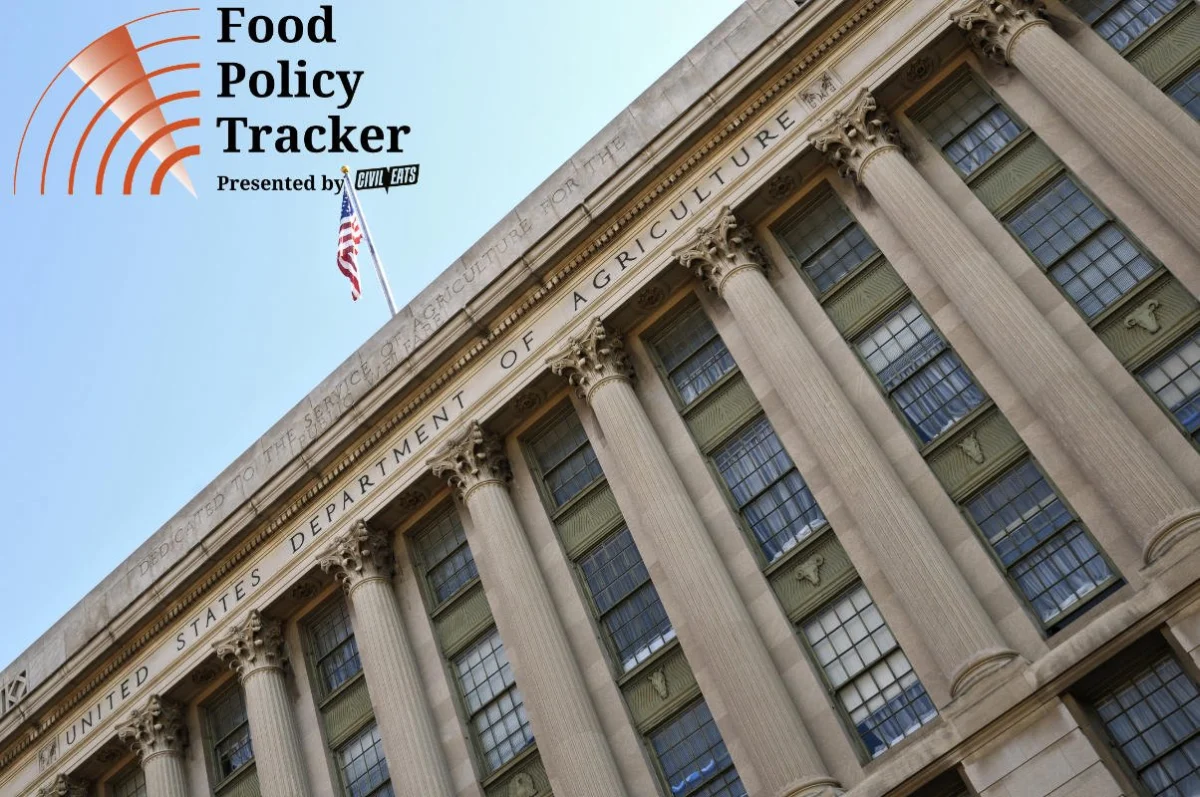
Washington D.C. – September 9, 2026 – A formidable coalition of four federal government worker unions, collaborating with a diverse group of nonprofits, cities, and states, has initiated a new legal battle to halt the U.S. Department of Agriculture (USDA)’s controversial reorganization plan. The lawsuit, filed Tuesday, seeks an immediate injunction to prevent the agency from proceeding with a sweeping restructuring that critics argue will severely cripple its vital functions, undermine its workforce, and potentially jeopardize food safety, farmer support, and nutritional programs across the nation.
This legal action marks a significant escalation in the ongoing dispute over the USDA’s proposed overhaul, which was first announced in July 2025. The plan envisions moving thousands of employees, consolidating departments, and eliminating research facilities, a move the agency purports will enhance efficiency and save costs. However, opponents, including members of Congress, advocacy groups, and the vast majority of USDA employees, contend that the reorganization is ill-conceived and already contributing to a dramatic loss of institutional knowledge and experienced staff at a time when the agency’s critical services are more essential than ever.
The Heart of the Dispute: A Disruptive Reorganization
The USDA’s reorganization plan, championed by Secretary of Agriculture Brooke Rollins and Deputy Secretary Stephen Vaden, centers on relocating more than 2,000 employees from the Washington, D.C., metropolitan area to new "hubs" established in various locations across the country. Additionally, the plan calls for the consolidation and elimination of numerous departments and research facilities, ostensibly to streamline operations and bring USDA staff closer to the agricultural communities they serve. Secretary Rollins and Deputy Secretary Vaden have consistently articulated that these changes are designed to restore the department’s core mission and achieve financial efficiencies.
However, this rationale has been met with skepticism and strong opposition. Critics quickly pointed out that approximately 90 percent of the USDA’s staff already operate out of local field offices situated outside of the nation’s capital, directly interacting with farmers, ranchers, and rural communities. This existing decentralized structure, they argue, already fulfills the stated goal of proximity, rendering the proposed mass relocation redundant and potentially counterproductive.
A Chronology of Controversy and Resistance
The journey to this latest lawsuit has been fraught with mounting tension and escalating resistance:
- July 24, 2025: The USDA publicly unveils its ambitious reorganization plan. Initial reactions are mixed, but employee concerns begin to surface almost immediately.
- Fall 2025: As details of the plan emerge, employee feedback mechanisms reveal overwhelming opposition. A staggering 96 percent of comments submitted on the reorganization are negative, highlighting widespread apprehension about job security, forced relocation, and the potential disruption of critical agency functions. Amidst this outcry, Congress intervenes. Lawmakers include specific language in a crucial funding bill, stipulating that the USDA must secure congressional approval before relocating offices or employees, or reorganizing programs. This provision also explicitly prohibits the USDA from utilizing appropriated funds for such reorganizational efforts without prior legislative consent. This congressional action underscores a significant legislative challenge to the executive branch’s authority in this matter.
- December 10, 2025: Reports confirm the nearly universal negative feedback from USDA employees, signaling a deep rift between the agency’s leadership and its workforce.
- Early 2026: Concerns escalate regarding the impact on specific USDA programs.
- March 23, 2026: New data reveals alarming staff shortages, with nearly 150 USDA county offices reportedly operating without any conservation staff. This raises serious questions about the agency’s capacity to support vital environmental and land management initiatives.
- April 24, 2026: The scope of the reorganization is expanded to include the Food Safety and Inspection Service (FSIS), prompting fears among food safety advocates about potential compromises to the nation’s food supply chain integrity.
- June 4, 2026: School meal advocates issue strong cautions against the reorganization, warning of potential disruptions to critical food aid programs that millions of children rely upon.
- June 24, 2026: Despite assurances from the USDA that it is working to address shortages, reports persist about understaffing in farm offices, impacting direct services to agricultural producers.
- August 2026: Alarming statistics emerge regarding the shrinking USDA workforce. As of August, the agency has seen a reduction of more than 17,000 employees since the beginning of the Trump administration, highlighting a sustained trend of workforce attrition that predates the current reorganization push. This significant reduction in personnel capacity further intensifies worries about the agency’s ability to fulfill its expansive mission.
- Late August/Early September 2026: In a filing related to a separate lawsuit, a USDA official claims that 64 percent of 725 employees who had received relocation notices had accepted reassignment. However, this claim is swiftly challenged by employees themselves. Reports from Government Executive reveal that many employees accepted reassignments under duress, intending to use the interim period to seek alternative employment or pursue exemption requests, rather than signaling genuine support for the relocation. This discrepancy highlights the deep mistrust and strategic maneuvering within the agency’s ranks.
- September 9, 2026: The new lawsuit is officially filed, directly challenging the USDA’s authority to proceed with the reorganization without congressional approval.
The Legal Battleground: Congressional Mandate vs. Executive Action
The current lawsuit builds upon an earlier legal challenge that broadly contested government staffing changes. While a judge in that initial case allowed the USDA’s reorganization to continue, the court indicated that the specific claims raised by the unions regarding the reorganization’s legality should be addressed in a separate, dedicated suit. This directive paved the way for the current filing.
The core argument put forth by the unions and their co-plaintiffs is straightforward: the USDA is acting in direct violation of federal law by pressing ahead with its reorganization plan without the explicit approval of Congress. They cite the language included in the Fall 2025 funding bill, which unequivocally mandates congressional consent for such moves and prohibits the use of appropriated funds for reorganization without it. By continuing to issue relocation notices and implement structural changes, the lawsuit contends, the USDA is disregarding a clear legislative directive.
Everett Kelley, National President of the American Federation of Government Employees (AFGE), one of the leading unions in the coalition, minced no words in a press release accompanying the filing. "On behalf of the tens of thousands of USDA employees AFGE represents, I am urging the court to put an immediate halt to this illegal and disruptive reorganization," Kelley stated. He emphasized the critical roles played by USDA employees: "USDA employees keep our food safe, stand behind our farmers, make sure our children are fed, and keep thousands of American businesses running. Instead of investing in these public servants, this administration wants to dismantle the USDA and gut the workforce that our country depends on." The lawsuit requests an immediate injunction to stop the plan, underscoring the urgency of the situation for the affected employees and the integrity of the agency’s operations.
Broader Context: USDA’s Critical Mission and Workforce Erosion
The U.S. Department of Agriculture is far more than just a regulatory body; it is a sprawling agency with a multifaceted mission that profoundly impacts the daily lives of every American. Its responsibilities span:
- Food Safety and Inspection: Safeguarding the nation’s food supply from farm to fork, preventing outbreaks of foodborne illnesses.
- Nutrition and Food Assistance: Administering vital programs like the Supplemental Nutrition Assistance Program (SNAP), school meal programs, and food banks, ensuring food security for millions.
- Farm and Rural Support: Providing essential subsidies, crop insurance, disaster relief, and technical assistance to farmers and ranchers, while also investing in rural development initiatives.
- Conservation and Natural Resources: Managing national forests, promoting sustainable land use practices, and implementing conservation programs to protect vital ecosystems.
- Agricultural Research and Development: Conducting groundbreaking research to improve crop yields, combat pests and diseases, and address challenges posed by climate change.
The drastic reduction of over 17,000 employees since 2017, combined with the proposed reorganization, raises serious concerns about the USDA’s capacity to effectively execute these critical functions. This ongoing workforce erosion, exacerbated by the prospect of mass relocations, risks a significant brain drain. Experienced staff, possessing invaluable institutional knowledge and expertise, are likely to retire or seek other employment rather than uproot their lives. This loss cannot be easily replaced, potentially leading to operational inefficiencies, delays in services, and a decline in program effectiveness.
Statements and Reactions from Related Parties
The lawsuit has reignited a chorus of opposition and concern from various stakeholders:
- Congressional Opposition: Beyond the legislative mandate included in the funding bill, numerous lawmakers from both sides of the aisle have voiced strong disapproval of the USDA’s reorganization. Members of the House and Senate Agriculture Committees, in particular, have expressed dismay, citing concerns about the potential negative impacts on their constituents and the long-term health of the agricultural sector. They argue that the executive branch is overstepping its bounds and undermining congressional oversight by proceeding without explicit approval.
- Nonprofits and Advocacy Groups: Organizations focused on food security, rural development, and environmental conservation have largely sided with the unions. Groups advocating for school meal programs, for instance, have warned that disruptions to the USDA’s administrative capacity could lead to delays in critical funding and guidance, directly impacting the ability of schools to feed hungry children. Similarly, farmer advocacy groups have expressed fears that reduced staffing and relocated offices could make it harder for farmers to access vital support services and technical assistance, especially in remote rural areas already struggling with resource allocation.
- Agricultural Industry: While some segments of the agricultural industry might theoretically welcome a more "streamlined" agency, many farmers and industry leaders are wary of changes that could lead to instability. Delays in commodity program payments, slowed food safety inspections, or a reduction in vital research output could have tangible economic consequences for producers and consumers alike. The loss of experienced staff could translate into less effective outreach and support for complex agricultural policies.
- Economic Impact Analysts: Economists analyzing the potential fallout point to several concerns. While the USDA cites cost savings, the actual costs associated with mass relocations, severance packages, recruitment of new staff, and the inevitable learning curve for new employees could negate any initial savings. Furthermore, the loss of federal jobs from the D.C. area, and the uncertain economic benefits to the new "hub" locations, present a complex picture. The disruption to employee lives, and the potential for a less effective USDA, could ultimately incur higher societal costs.
Broader Implications: A Test of Authority and Public Service
This lawsuit represents more than just a dispute over an agency’s structure; it is a significant test of the balance of power between the executive and legislative branches, particularly regarding control over federal agencies and their workforces. Should the court side with the unions, it would send a strong message about the limits of executive authority in unilateral agency reorganizations, especially when Congress has explicitly weighed in through appropriations law.
Beyond the legal precedent, the outcome of this case will have profound implications for the federal workforce. The willingness of employees to trust their agencies, to commit to public service, and to maintain morale is directly tied to how their concerns are addressed during periods of significant change. A perception of disregard for employee welfare and congressional mandates could further erode trust, making it even more challenging to recruit and retain talented individuals for critical government roles.
Ultimately, the stakes extend to the integrity and effectiveness of the nation’s food and agricultural systems. A weakened, demoralized, or understaffed USDA could struggle to respond to emerging crises, such as new foodborne pathogens, agricultural pests, or the escalating impacts of climate change on food production. The ability to administer complex food aid programs, conduct essential research, and ensure the safety of the food supply is paramount to national security and public well-being.
As the legal proceedings unfold, the nation watches to see whether the USDA will be compelled to halt its contentious reorganization, and what this high-stakes battle will ultimately mean for the future of federal public service and the vital functions of one of America’s most critical agencies. The court’s decision will not only shape the USDA’s future but could also establish important precedents for agency governance across the federal landscape.