admin
admin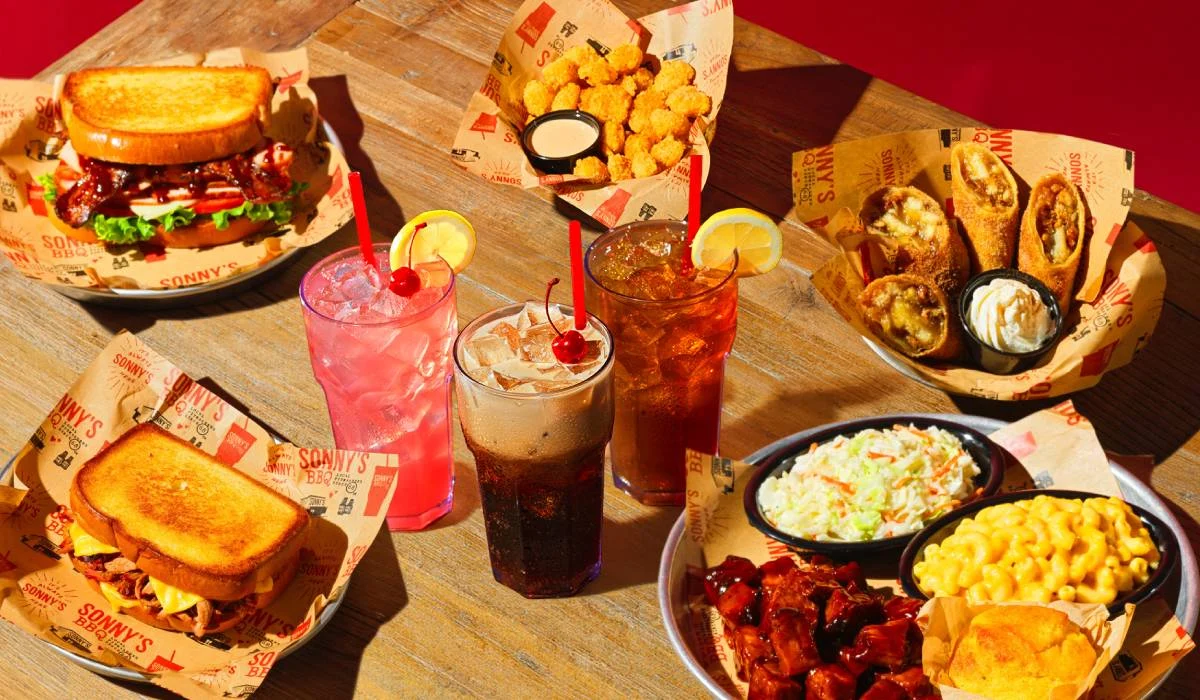
The landscape of the American barbecue industry is witnessing a strategic shift toward communal dining and seasonal innovation as Sonny’s BBQ, a foundational pillar in the Southern barbecue sector, officially announced the launch of its comprehensive fall menu. Beginning September 14, the Florida-based restaurant chain will introduce a series of limited-time offerings (LTOs) across its national footprint, emphasizing shareable platters, comfort-driven side dishes, and a flavor profile rooted in the traditional aesthetics of the autumn season. This strategic rollout represents a significant move by the brand to capitalize on the increasing consumer demand for "experience-based" dining, where the act of sharing a meal is as central to the value proposition as the quality of the smoked meats themselves.
The new menu, curated by Head Pitmaster Shannon Snell and a team of seasoned culinary experts, integrates classic barbecue techniques with contemporary seasonal ingredients, such as maple, pecan, and bold buffalo infusions. The initiative reflects a broader trend within the casual dining and quick-service restaurant (QSR) industries, where seasonal rotations serve as a critical tool for driving foot traffic and maintaining brand relevance in a highly competitive market. According to leadership at Sonny’s BBQ, the objective is to provide a sense of "soulful comfort" that aligns with the transition into cooler months and the upcoming holiday season.
The Evolution of the Sonny’s BBQ Culinary Strategy
The introduction of the fall menu is not merely a seasonal update but a reflection of the brand’s long-term commitment to "pitmaster-led" innovation. Shannon Snell, a prominent figure in the barbecue community and Head Pitmaster for the brand, emphasized that the current consumer climate favors meals that feel both comforting and celebratory. The menu’s centerpiece involves the return of the signature Maple BBQ sauce, a fan-favorite that bridges the gap between traditional savory barbecue and the sweet, earthy notes associated with autumn.
In addition to returning favorites, the brand is debuting a Buffalo BBQ sauce, described as a bold, tangy alternative designed to provide a "kick" to the traditional palate. This dual-sauce strategy allows the brand to appeal to two distinct consumer segments: those seeking the nostalgia of sweet, maple-infused flavors and those looking for the modern, spicy profiles that have become staples in the American fast-casual scene.
The specific menu items highlighted in the rollout include the Maple BBQ Pork Burnt Ends and the Pulled Pork Mac & Cheese. These items represent a fusion of high-quality protein and "premium" sides, a category that has seen significant growth as consumers increasingly look for elevated versions of classic comfort foods. The Pork 3 Ways and the Sonny’s Sampler—priced at $16.99 and $19.99 respectively—serve as the menu’s value anchors, offering large portions designed for sharing and sampling across the brand’s various smoking techniques.
Historical Context and Brand Heritage
To understand the significance of this menu launch, one must look at the historical trajectory of Sonny’s BBQ. Founded in 1968 by Floyd "Sonny" Tillman and his wife, Lucille, in Gainesville, Florida, the restaurant began as a local neighborhood spot focused on "low and slow" cooking and genuine Southern hospitality. Over the past five decades, the brand has expanded into a multi-state franchise while attempting to maintain the "local BBQ joint" feel that defined its origins.
The brand’s philosophy has long been built on the pillars of quality food and "spreading kindness." This latter point is often operationalized through their "Random Acts of BBQ" program, which recognizes community heroes. The fall menu’s focus on "gathering around the table" is a direct extension of this heritage. By positioning the new platters as "built for sharing," Sonny’s is reinforcing its identity as a community-centric establishment rather than just a food service provider.
The Strategic Importance of Limited-Time Offerings (LTOs)
In the modern restaurant economy, LTOs are a vital component of revenue management. Industry data suggests that seasonal menus can increase restaurant traffic by as much as 10% to 15% during the promotional period. For a brand like Sonny’s, which operates in the "Casual Dining" and "Fast Casual" hybrid space, these offerings serve several purposes:
- Inventory Optimization: Using seasonal ingredients like maple and pecan allows for a rotation of stock that aligns with broader supply chain availability during the fall months.
- Consumer Urgency: The "limited time" nature of the menu creates a "fear of missing out" (FOMO) among the loyal customer base, encouraging more frequent visits.
- Market Testing: New items, such as the Buffalo BBQ sauce, serve as a litmus test for potential permanent menu additions.
- Average Check Growth: By offering "Premium Sides" and "Shareable Platters," restaurants can effectively increase the average check size as families and groups opt for comprehensive dining experiences over individual entrees.
Market Trends and the Barbecue Sector
The American barbecue market has undergone a transformation over the last decade. Once a highly regionalized and fragmented industry, it has seen the rise of "Barbecue Fusion" and the professionalization of the "Pitmaster" role. Sonny’s BBQ has remained a dominant player by balancing these trends with a commitment to traditional methods.
Data from market research firms indicates that the global barbecue store market is expected to grow significantly through 2030, driven by an increasing preference for smoked and grilled flavors. However, the industry faces challenges, including fluctuating meat prices (particularly pork and beef) and rising labor costs. Sonny’s price points for the fall menu—sub-$20 for large samplers—suggest a strategic effort to maintain "value-per-ounce" for the consumer while navigating these inflationary pressures.
The inclusion of seasonal drinks and desserts, such as those featuring pecan and autumn spices, further rounds out the consumer experience. These high-margin items are essential for profitability in the current economic climate, where food costs for proteins remain volatile.
Pitmaster Culture and Operational Excellence
A key differentiator for Sonny’s BBQ is its investment in "Pitmaster Culture." Unlike many large chains that rely on automated ovens, Sonny’s continues to emphasize the role of the expert pitmaster at each location. Shannon Snell’s involvement in the menu design process ensures that the "soul" of the barbecue remains intact even as the brand scales.
The "Pork 3 Ways" offering is a prime example of this operational focus. It requires the kitchen to execute three different preparation methods simultaneously, showcasing the versatility of the pork shoulder and the skill of the staff. This focus on craftsmanship is a response to the "artisanal" movement in food, where consumers are increasingly interested in the process behind their meal.
Community Impact and Franchise Opportunities
Beyond the culinary aspects, the announcement highlights the brand’s ongoing expansion through franchising. With a dedicated platform at sonnysbbqfranchise.com, the company is actively seeking partners who align with their "hospitality-first" mission. The success of seasonal launches like the fall menu is a key selling point for potential franchisees, demonstrating the corporate team’s ability to innovate and support local operators with robust marketing and culinary development.
The brand’s presence on social media platforms like TikTok, Instagram, and Facebook further supports this growth. By engaging with a younger demographic through visually appealing content—focused on the "pull" of the pork and the "drip" of the Maple BBQ sauce—Sonny’s is successfully bridging the generational gap between its long-time loyalists and Gen Z consumers who value authenticity and "crave-worthy" aesthetics.
Implications for the Future of Casual Dining
The rollout of the Sonny’s BBQ fall menu serves as a case study for the future of the casual dining sector. As the industry moves away from the "one-size-fits-all" menu approach, the emphasis is shifting toward hyper-seasonal, narrative-driven food offerings.
The focus on "sharing" and "gathering" also addresses a post-pandemic shift in consumer behavior. After years of isolation and a heavy reliance on delivery, there is a measurable "rebound effect" where consumers are seeking out physical spaces that facilitate social connection. Sonny’s BBQ is positioning its physical locations as these communal hubs, using the fall menu as the primary incentive for the gathering.
As the program concludes in December, the data gathered from these three months of sales will likely inform the brand’s 2024 strategy. If the Buffalo BBQ sauce and the shareable platters perform as expected, they may signal a permanent shift in how the brand structures its core offerings—moving toward a more flexible, modular menu that can adapt to the changing tastes of the American public.
In summary, the Sonny’s BBQ fall menu is a calculated blend of tradition and trend. By leveraging the expertise of Pitmaster Shannon Snell and tapping into the emotional resonance of autumn flavors, the brand is not only feeding its customers but also reinforcing its position as a leader in the competitive landscape of American barbecue. The success of this initiative will be measured not just in sales volume, but in its ability to foster the "kindness and hospitality" that has been the brand’s hallmark since 1968.