admin
admin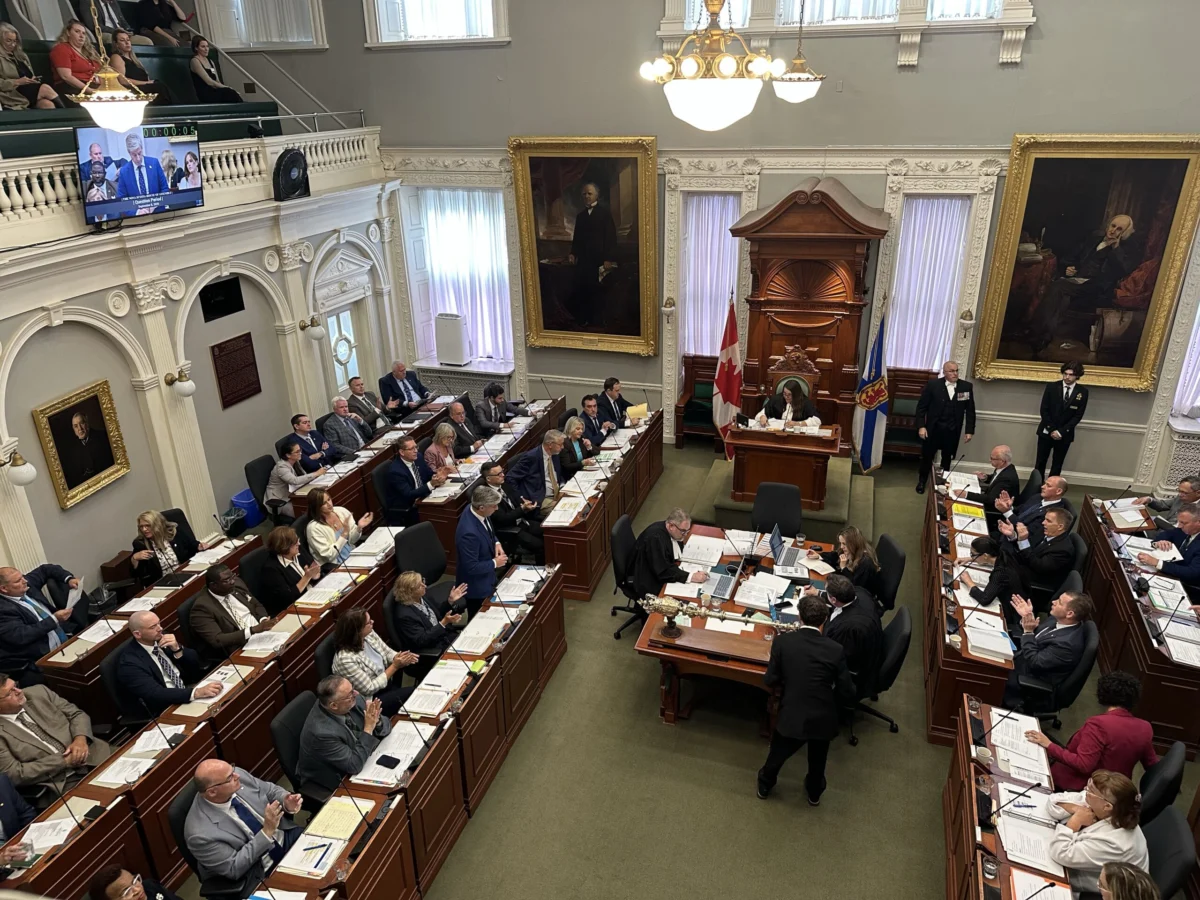
As the Nova Scotia House of Assembly reconvened for its fall sitting, Members of the Legislative Assembly (MLAs) were immediately confronted with a demanding agenda dominated by pressing economic concerns, the escalating trade dispute with the United States, and proposed reforms to workers’ rights. These critical issues, set against a backdrop of public protest and calls for greater governmental transparency, underscore a period of significant challenge and policy deliberation for the province.
Economic Headwinds and the Shadow of U.S. Tariffs
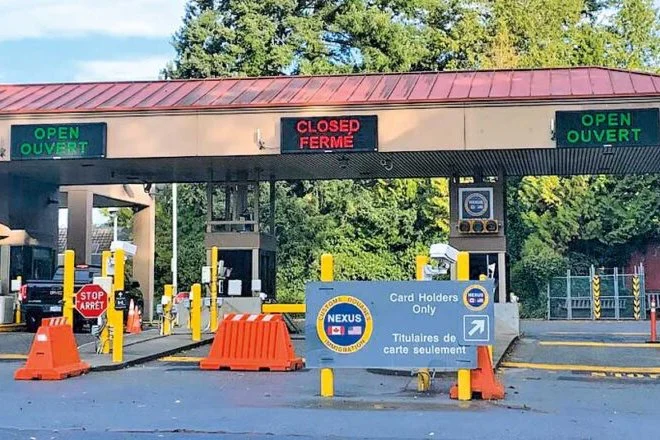
The foremost issue commanding the attention of the provincial legislature is the precarious economic climate, significantly complicated by the ongoing trade feud between Canada and the United States. This dispute has seen Canada implement retaliatory tariffs on American goods, a direct response to earlier U.S. levies on Canadian products. The ramifications for Nova Scotia’s trade-dependent economy are a top-of-mind concern for policymakers and businesses alike.
The genesis of this renewed trade tension can be traced back to the U.S. Section 232 tariffs on steel and aluminum imports, which were initially imposed under the guise of national security concerns. Canada, a close ally and major trading partner, viewed these tariffs as unwarranted and a violation of established trade agreements. In response, Ottawa announced a reciprocal set of tariffs on a range of U.S. products, including certain steel and aluminum goods, as well as consumer items, effectively escalating the dispute. For Nova Scotia, a province with a robust export sector, particularly in seafood, forestry products, and specialized manufacturing, the implications of disrupted supply chains and increased costs are substantial. Businesses that rely on American inputs or export to the U.S. market face heightened uncertainty and potential financial strain.
Premier Tim Houston acknowledged the gravity of the situation, confirming that his government is actively engaged in discussions with businesses across the province to gauge the direct and indirect impacts of the escalating trade tensions. "We’re talking about direct impacts on their supply chain, on their customer base, what the impact would then be on their employment base. We just need to make sure that we’re listening carefully," Premier Houston stated, emphasizing the need for a granular understanding of how tariffs might ripple through various sectors, from resource industries to manufacturing and retail. These conversations aim to identify vulnerabilities and potential areas where provincial intervention or support might be necessary.
Despite the acknowledged concerns and ongoing consultations, Finance Minister John Lohr indicated that the provincial government has not yet drawn upon Nova Scotia’s dedicated $50 million contingency fund, specifically earmarked for tariff relief. This fund was established as a proactive measure to cushion the blow of trade disputes, offering a financial buffer for businesses severely impacted by tariffs. Lohr described the situation as "very dynamic" and "ongoing," suggesting a wait-and-see approach. "We’ll figure it out as we go," he remarked, implying a cautious deployment of the fund, perhaps reserving it for when the impacts become clearer or more acute.

This cautious stance, however, drew criticism from the opposition. Interim Liberal Leader Iain Rankin urged a more proactive and structured approach, advocating for comprehensive scenario planning and the establishment of a dedicated task force. "I think we should have scenario planning across the board. There should be a task force," Rankin asserted. "It should be all hands on deck to figure out how to work with businesses." This perspective highlights a fundamental difference in strategy: the government’s current reactive monitoring versus the opposition’s call for anticipatory measures and a more coordinated, multi-stakeholder response to mitigate economic risks. Business associations, while understanding the government’s need for prudence, have also quietly expressed the desire for clear action plans and readily accessible support mechanisms, should the trade climate further deteriorate. Many small and medium-sized enterprises (SMEs) in Nova Scotia, often operating with tighter margins, are particularly vulnerable to sudden shifts in trade policy and could benefit from early guidance and potential relief.
Delayed Fiscal Update and Calls for Transparency
Adding to the economic uncertainty is the delayed release of the province’s fiscal update. The Houston government faced questions regarding when this crucial financial overview would be presented to the public. Finance Minister John Lohr refrained from committing to a precise date, only confirming that it would be released "this month." He attributed the delay to the extensive work still being undertaken. "It’s not ready yet. There’s still being extensive work done on it, but when it’s ready we’ll do it," Lohr explained.
A fiscal update is a vital tool for transparency and accountability, providing an updated snapshot of the province’s financial health, including revenue projections, expenditure forecasts, and any revisions to the provincial debt. In a period of economic volatility, marked by high inflation, rising interest rates, and the aforementioned trade tensions, timely access to this information is particularly critical for businesses, investors, and the public. The opposition has repeatedly stressed the importance of timely fiscal reporting, arguing that delays hinder informed decision-making and create an information vacuum that can breed uncertainty. They contend that the public deserves a clear understanding of the province’s financial position, especially as external economic pressures mount.
Advancing Worker Protections: A Step Forward, But Is It Enough?
Beyond the immediate economic anxieties, the fall sitting also saw the tabling of significant legislation aimed at strengthening worker protections across Nova Scotia. The proposed bill introduces changes to overtime rules and tip regulations, marking a notable, albeit contested, step in enhancing labor standards within the province.
The key amendment in the legislation concerns the overtime threshold, proposing a reduction from the current 48 hours to 44 hours per week. This means that employees working more than 44 hours in a week would be entitled to overtime pay, a move intended to ensure fairer compensation for extended work hours. The legislation also includes provisions related to the handling of tips, aiming to provide greater clarity and protection for workers regarding gratuities.

While labor advocates and unions generally welcome any move to improve worker conditions, the proposed changes have also sparked debate about their sufficiency. NDP Leader Claudia Chender acknowledged the progress but highlighted that Nova Scotia would still lag behind several other Canadian jurisdictions. "That still puts us behind eight other provinces and territories," Chender stated, pointing out that provinces such as Newfoundland and British Columbia already have an overtime threshold set at 40 hours per week. Her party argues that in an era of economic strain, with many Nova Scotians grappling with the rising cost of living, stronger, more comprehensive protections are imperative. "Nova Scotians are bracing for an uncertain economic future and this is a moment when we really need to strengthen those protections for workers," Chender added, suggesting that the current proposal does not go far enough to address the economic realities faced by many working families.
Labor unions, like the Nova Scotia Federation of Labour, have historically advocated for a 40-hour overtime threshold, aligning with what they consider to be a more equitable standard across Canada. They argue that a lower threshold not only ensures fair pay but also promotes a better work-life balance and encourages employers to hire more staff rather than overworking existing employees. While recognizing the legislative step, many union representatives view it as an incremental change rather than a transformative overhaul, emphasizing the ongoing need for advocacy to bring Nova Scotia’s labor laws in line with leading provinces. Conversely, some business groups, particularly those representing small and medium-sized enterprises, have expressed concerns about the potential for increased labor costs associated with a lower overtime threshold, especially in sectors facing labor shortages. They argue for a balanced approach that supports workers without unduly burdening employers, particularly in a challenging economic environment.
Premier’s Upcoming Absence and High-Level Engagement
Despite the busy start to the fall sitting, Premier Houston announced that he would be absent from the legislature during the following week. His absence is due to his attendance at the Prime Minister’s investment summit, a significant event designed to attract foreign investment into Canada and foster economic growth. This engagement underscores the broader national and international economic context within which provincial policy is being debated. While his presence at such a summit is crucial for advocating for Nova Scotia’s interests and attracting potential investment, his absence from Province House during a critical legislative period highlights the competing demands on a provincial leader’s time.
Public Dissent: The "People’s Choir" and Uranium Mining Debate
The legislative proceedings inside Province House were mirrored by vibrant public engagement outside, where protestors gathered to voice their displeasure on various issues. Organized as the "people’s choir," the demonstrations underscored a growing sentiment among some Nova Scotians that their voices are not being adequately heard in the corridors of power.
Organizer Badia Nehme articulated this frustration, stating, "Clearly these demonstrations are a sign that they feel like they aren’t being heard, it feels like decisions are being made unilaterally." This sentiment resonates with a broader concern about public participation and the perceived responsiveness of government to grassroots advocacy.

A central point of contention for many protestors was the Houston government’s decision to repeal the long-standing ban on uranium mining in the province. Nova Scotia had maintained a moratorium on uranium exploration and mining since 1999, a policy largely driven by environmental and public health concerns. Critics of uranium mining point to the potential for environmental contamination, particularly of water sources, the generation of radioactive waste, and the long-term health risks associated with exposure to radioactive materials. Environmental advocates outside Province House reiterated their strong opposition, campaigning for the reinstatement of the ban. They argue that the potential economic benefits of uranium mining are far outweighed by the irreversible environmental and health risks it poses.
The intensity of this opposition was demonstrated by the tabling of a petition with over 10,000 signatures, marking its third presentation to the legislature. Sarah Trask, a key figure in the advocacy efforts, highlighted the collective achievement: "We’ve worked really hard. It’s been less than a year and we’ve managed to make it the largest petition in Nova Scotia history." The sheer volume of signatures underscores the depth of public concern regarding the government’s decision and the desire for greater environmental protection.
The "people’s choir" rally itself was a poignant echo of a previous incident in the spring, when singing protestors were ejected from the legislature gallery while speaking out against budget cuts. This earlier event sparked a broader debate about freedom of expression within the legislative assembly. Last week, in a significant development, the Speaker rescinded her decision to temporarily ban 36 individuals who had participated in that March protest, acknowledging the importance of public access and participation in the democratic process.
Stephanie Domet, a local writer and one of those previously banned, reflected on the experience and its implications: "In the gallery, the feeling was incredible, to be doing something as simple as singing this beautiful protest song. The feeling of power and unity in raised voices I think is unbeatable." Her comments underscore the symbolic power of peaceful protest and the desire for legislative bodies to be more receptive to public sentiment. "I wish more of our provincial politicians did have that flexibility of mind, that’s what Nova Scotians are asking right now," Domet concluded, articulating a broader appeal for political leaders to engage more openly and empathetically with the concerns of their constituents.
In conclusion, the fall sitting of the Nova Scotia legislature has commenced with a formidable array of challenges and debates. From navigating complex international trade disputes and their domestic economic fallout, to reforming fundamental worker protections, and addressing deep-seated environmental concerns amidst a backdrop of active public protest, the government faces a critical period of policy formulation and public engagement. The outcomes of these debates will undoubtedly shape Nova Scotia’s economic trajectory, social fabric, and environmental legacy for years to come.