admin
admin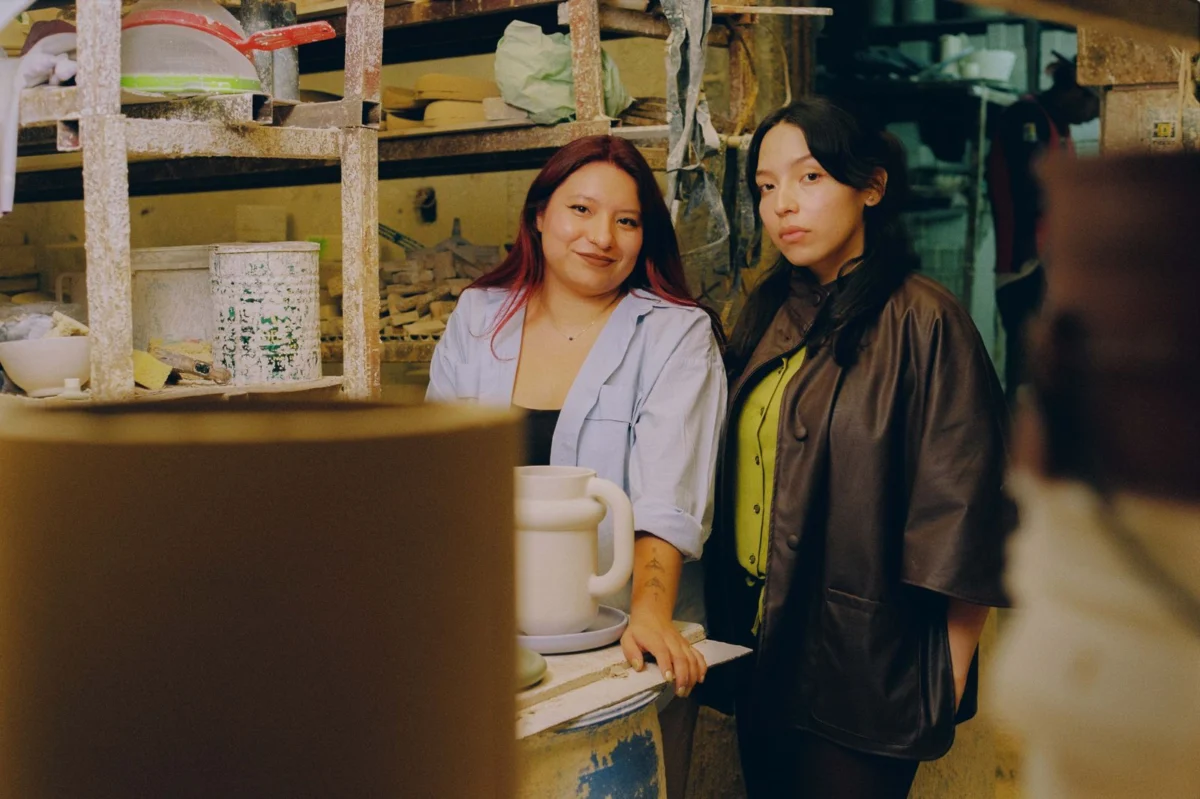
The year 2026 marks a pivotal moment in the evolution of design, as Dwell magazine unveils its "Dwell 24 Edges" list, spotlighting a new generation of visionary designers who are challenging conventions and forging fresh narratives in furniture and product creation. This curated selection transcends geographical boundaries, bringing together talents from Portugal, Mexico, Côte d’Ivoire, Egypt/Denmark, and the United States, each contributing a distinct perspective shaped by their cultural heritage, material innovations, and a profound understanding of the human experience. These designers are not merely crafting objects; they are articulating new philosophies of living, sustainability, and cultural identity, signaling a dynamic shift in the global design landscape. Their work collectively emphasizes authenticity, emotional resonance, and a conscious engagement with both traditional craftsmanship and contemporary challenges.
Atelier Orúe: Sculpting Emotion from Earth’s Elements in Portugal
Nestled in Oeiras, Portugal, Atelier Orúe, under the creative direction of Argentine designer Eduardo Orúe Barceló, is redefining the interplay between raw materials. Barceló’s signature approach involves the harmonious, yet often unexpected, blending of wood and marble to produce furniture pieces characterized by their sinewy edges and an almost paradoxical sprightliness, despite the inherent heft of their components. This distinctive aesthetic is a testament to Barceló’s deep-rooted understanding of wood, a material he has mastered since his teenage years, combined with a more recent, yet equally profound, exploration of stone.
Barceló’s creative process is notably iterative and material-driven. He often begins by selecting a specific marble slab, allowing its unique veining, color, and texture to dictate the subsequent choice of wood. This "marble-first" methodology highlights the stone’s foundational role in his design narrative. He then meticulously matches the chosen rock against an array of woods, seeking a pairing that sparks a genuine excitement and visual synergy. A crucial aspect of his philosophy is the steadfast refusal to dye the woods he employs, ensuring that the natural color combinations of the two organic materials guide his selection process. This commitment to the inherent beauty and integrity of natural hues results in furniture that celebrates the unadulterated palette of the earth.
An exemplary piece from Atelier Orúe is a bookshelf that marries reddish African wood with a pristine white Portuguese stone. This creation is not merely assembled; it is sculpted, sanded, and polished by hand in his workshop, a testament to artisanal precision. The design features cool marble rings that seamlessly encircle the inner three shelves, creating a visual flow that enhances the piece’s organic feel. This intricate detail not only showcases technical prowess but also embodies Barceló’s overarching artistic intent. "When you see the furniture pieces, I want them to feel like they are alive and expressing something," Orúe articulates, encapsulating his desire for his creations to possess an inherent vitality and narrative power. This pursuit of emotionally resonant objects, born from a reverence for natural materials and meticulous craftsmanship, positions Atelier Orúe at the forefront of a design movement that values intrinsic beauty and a profound connection to nature. The careful sourcing of materials and the handmade process also subtly underscore a commitment to sustainable practices, reducing industrial impact and celebrating local resources.
MOT Studio: Bridging Global Culinary Traditions with Mexican Craft
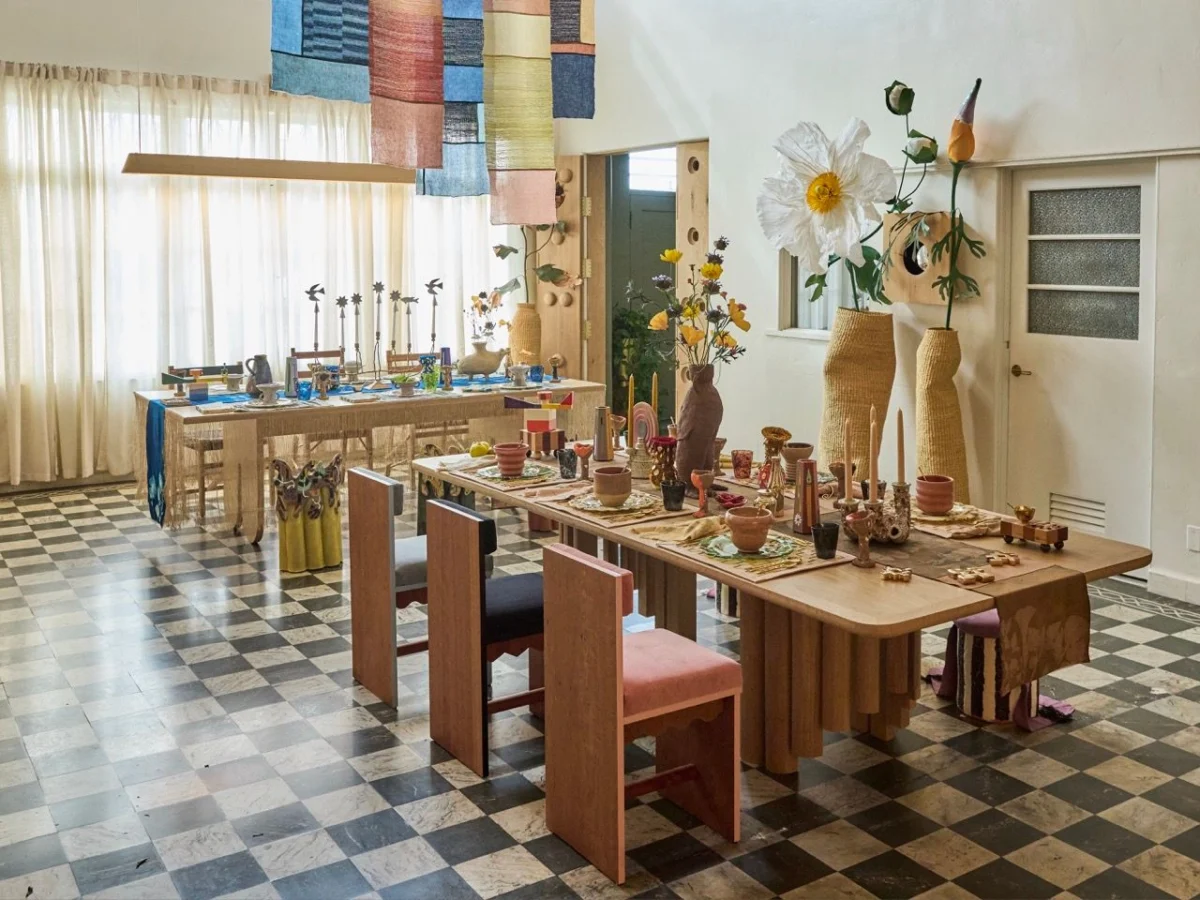
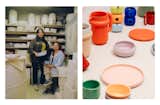
From the vibrant heart of Mexico City, MOT Studio, led by the dynamic duo Gabriela Delgado and Ana Lucía Santoyo, embodies a design philosophy that seamlessly integrates local action with global thought. Their pioneering work, particularly their inaugural tableware collection, serves as a compelling exploration of universal human experiences through the lens of culinary heritage. Inspired by Santoyo’s study abroad program in Norway and a broader contemplation of shared human rituals, the collection was conceived to gracefully accommodate meals from all the diverse culinary traditions recognized by UNESCO’s Intangible Cultural Heritage list. This ambitious vision speaks to a profound curiosity about commonalities across cultures.
"I kept thinking about how we can be the same but different," Santoyo reflects, articulating the core inquiry that propelled their design process. "What do we all have in common?" This question led to the creation of monochromatic ceramic tableware characterized by its deceptively simple shapes, subtly accented with distinctive bulging rings. The elegance and understated sophistication of these pieces allow them to transcend specific cultural contexts, appearing equally at home on a traditional Japanese table in Kyoto as they would in a contemporary dining setting in Mexico City. This adaptability underscores their commitment to a truly global design language that respects and celebrates diversity without succumbing to overt cultural appropriation.
Crucially, Delgado and Santoyo remain deeply rooted in their origins, actively championing the rich talent within the Mexican artisan community. Their designs are brought to life through collaborations with local workshops and skilled craftspeople, ensuring that each piece carries the legacy of Mexican artisanal excellence. This commitment extends beyond mere production; it is a conscious effort to uplift and appreciate the local ecosystem of makers. "We want to appreciate that," Santoyo emphasizes, referring to the invaluable contributions of Mexican artisans, "and understand that it’s bigger than us." This statement highlights their awareness of being part of a larger continuum of craft and cultural expression. By fostering these local relationships, MOT Studio not only ensures the authenticity and quality of their products but also contributes to the economic vitality and preservation of traditional crafts in Mexico. Their work, therefore, is not just about design; it is about cultural dialogue, economic empowerment, and a thoughtful engagement with the global tapestry of human tradition, all while celebrating the singular beauty of Mexican craftsmanship.
Paul Ledron: Forging a New African Design Language from Côte d’Ivoire
Paul Ledron, an influential designer based in Abidjan, Côte d’Ivoire, is embarking on a transformative mission to redefine the global perception of African design. His work is a powerful counter-narrative to prevailing clichés, challenging the narrow representations of African aesthetics often reduced to "rough-hewn shapes and recycled materials." Ledron’s grander vision is to articulate a sophisticated and authentic design language for Africa, one that truly reflects the multifaceted cultures, beliefs, and contemporary perspectives of its people.
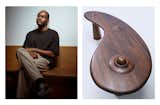
A quintessential illustration of Ledron’s philosophy is his Tanyè table. This piece, meticulously crafted from ovangkol hardwood, is a masterful exercise in form and metaphor. Ledron has rendered the resilient wood into a dynamic, boomerang-like swipe, creating a tabletop that appears to float effortlessly. This surface is ingeniously supported by three legs that seem to push through it, lending the piece a sense of organic tension and fluid movement. The Tanyè table, with its smooth curves and refined finish, stands in stark contrast to the simplistic or rustic imagery often associated with African design, asserting a contemporary elegance and formal innovation.
Ledron’s practice is diverse, encompassing a range of exclusive and accessible pieces. His portfolio includes one-of-one bespoke works, limited-edition furniture, and innovative lighting solutions. Looking ahead, he plans to expand into open-edition pieces and smaller, everyday items such as ashtrays and bowls. This strategic diversification aims to make his distinctive design language more accessible, allowing a broader audience to engage with his vision. Each creation, regardless of its scale or exclusivity, serves as a deliberate step towards his overarching goal.
The designer passionately argues that the furnishings currently prevalent in West Africa often fail to "an actual representation of their culture, their beliefs, and their view of the world." This observation underscores the urgency and importance of his endeavor. Ledron intends to rectify this cultural gap, piece by meticulously crafted piece. By producing furniture and objects that are both deeply rooted in African identity and boldly contemporary in their execution, he is not only enriching the design landscape but also fostering a renewed sense of pride and self-representation within his continent. His work resonates with a global movement towards decolonizing design narratives and celebrating diverse aesthetic traditions, ensuring that African design is recognized for its complexity, innovation, and inherent beauty, one table, ashtray, or light at a time.
Salem Charabi Studio: Architectural Ingenuity and Cross-Cultural Synthesis
Salem Charabi, a Danish-Egyptian designer operating between Cairo, Egypt, and Copenhagen, Denmark, brings a uniquely holistic perspective to his craft, deeply informed by his architectural education from Copenhagen’s Royal Danish Academy. For Charabi, architecture is not merely about buildings; it is an expansive "approach that can be applied to everything from a door handle, chair, city plan, to the way we inhabit the world." This foundational belief allows him to imbue his furniture and objects with a structural integrity and thoughtful consideration typically reserved for larger built environments.
Charabi’s design aesthetic is born from an insatiable "curiosity about what is around me," a philosophy that drives him to observe, analyze, and synthesize elements from his diverse surroundings. This intellectual rigor was particularly evident when a well-traveled couple commissioned him to create a collection of packable furniture. For this project, Charabi meticulously considered the local resources and color palettes of Copenhagen, where he resided at the time, integrating them with his broader cultural insights. The result was a remarkable lounge chair, a testament to cross-cultural design ingenuity.
The lounge chair exemplifies Charabi’s ability to blend disparate traditions. It is crafted from Danish cherry wood, celebrated for its warm tones and durability, and features a distinctive washi-hemp fabric, developed in collaboration with a Japanese weaver. This material choice not only speaks to a global sourcing strategy but also to a sophisticated understanding of textile properties. The chair’s back brace is a particularly innovative detail, seamlessly merging Danish woodworking tradition—known for its clean lines and robust joinery—with the intricate mechanics of ancient Egyptian folding chairs. This historical and geographical synthesis creates a piece that is both functionally intelligent and aesthetically rich, capable of being easily transported without sacrificing elegance or comfort.
Charabi consistently finds inspiration, rather than restriction, in the inherent limitations of his materials and the specific constraints of a project. This perspective is clearly manifest in his work. "My job becomes getting as close to my initial thoughts as I can but within the constraints of the world," he explains. This pragmatic yet visionary approach allows him to push the boundaries of design while respecting the properties of the materials and the practicalities of production. By integrating architectural principles with a deep appreciation for diverse cultural crafts and an innovative spirit, Salem Charabi Studio is forging a path for furniture design that is intelligent, portable, and profoundly resonant with a globalized modern lifestyle. His work underscores the power of interdisciplinary thinking and cross-cultural collaboration in shaping the future of living spaces.
Tanuvi Hegde: Designing for Emotional Interaction and Well-being in New York City
Brooklyn-based designer Tanuvi Hegde is challenging conventional notions of furniture by transforming it into a medium for emotional engagement and psychological well-being. Her architectural background, acquired during her studies, instilled in her a profound understanding of environments as spaces people "walk through and feel." This foundational insight has led her to shift her focus from merely the "shell" of design to the deeper experience it evokes. "I’m designing for the body and not just the eye," Hegde asserts, articulating a philosophy centered on embodied interaction.
This human-centric approach is vividly demonstrated in her compelling collection, "Exhibit (A): Furniture for the Anxious Being." Through a chair, a table, and a chest, Hegde aims not just to artistically represent anxiety, but to actively interrupt it by inviting tactile and cognitive interaction. Her work delves into neuro-aesthetics, exploring how design can influence mental states and provide moments of grounding amidst internal chaos. The collection serves as a tangible response to the increasing prevalence of anxiety in modern life, offering furniture that functions therapeutically.
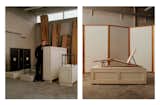
The "Chaos" chest, a standout piece from this collection, perfectly embodies Hegde’s innovative methodology. Visually, its exterior presents a picture of perfect symmetry and order, a deliberate contrast to its underlying function. However, the chest reveals its true character upon closer inspection: there are no obvious handles or conventional cues for opening it. Instead, interaction is initiated by trailing a finger along a subtly hidden notch, a tactile discovery that engages the user in a moment of focused attention. Once located, the drawers do not slide out uniformly but rather emerge at unexpected angles, creating a dynamic and disorienting yet ultimately intriguing experience. This unconventional mechanism is meticulously designed to "pull you out of the chaos in your own head," as Hegde describes. The physical act of discerning the hidden opening and encountering the unpredictable movement of the drawers creates a tangible spiral of interaction that redirects anxious energy and encourages present-moment awareness.
"It’s always about a feeling," Hegde emphasizes, encapsulating her core design驱动力. "I’m constantly chasing a feeling and trying to give that feeling a physical form." This dedication to translating abstract emotional states into concrete, interactive objects positions Tanuvi Hegde at the vanguard of empathetic design. Her work represents a significant step towards furniture that transcends mere utility or aesthetics, becoming a tool for self-awareness and emotional regulation. In an increasingly complex world, Hegde’s designs offer a compelling vision for spaces and objects that actively contribute to our mental and emotional well-being, redefining the very purpose of contemporary interior design.
The Collective Vision: Shaping the Future of Design
The "Dwell 24 Edges 2026" selection vividly illustrates the burgeoning trends that are reshaping the global design industry. From Eduardo Orúe Barceló’s fusion of natural materials and artisanal precision to MOT Studio’s culturally resonant tableware, Paul Ledron’s assertive redefinition of African aesthetics, Salem Charabi’s architecturally informed cross-cultural designs, and Tanuvi Hegde’s groundbreaking approach to emotional furniture, these designers collectively articulate a future where design is more thoughtful, more connected, and more impactful.
Their individual contributions highlight several overarching themes: a renewed reverence for natural materials and sustainable practices, a profound commitment to cultural authenticity and local craftsmanship, an innovative spirit that blends global influences with regional traditions, and a growing emphasis on human-centered design that considers emotional and psychological well-being. These creators are not just responding to current demands; they are actively setting new standards for how we interact with our environments and the objects within them. As the global population becomes more interconnected and discerning, the demand for unique, ethically produced, and emotionally resonant designs is expected to grow exponentially. The work of these five studios offers a compelling glimpse into this exciting future, demonstrating how design can be a powerful force for cultural expression, personal connection, and a more harmonized living experience. Their vision represents a vibrant, diverse, and deeply human-centric direction for the next era of design innovation.