admin
admin
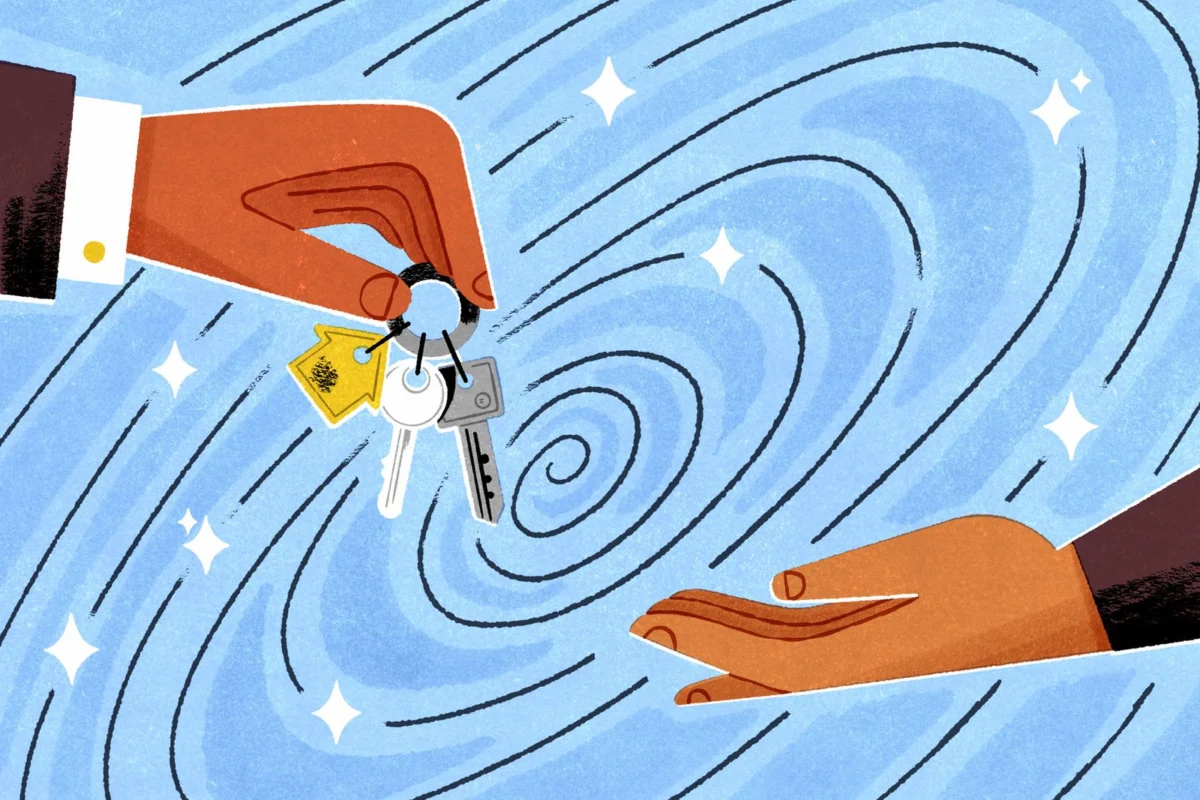
Red Robin Gourmet Burgers, Inc. has officially concluded the primary phase of a sweeping refranchising initiative, successfully transitioning 108 corporate-owned restaurants to three prominent multi-unit operators. The strategic move has generated approximately $89.4 million in immediate proceeds for the casual-dining chain, marking a significant milestone in the company’s ongoing financial restructuring. According to corporate filings and recent executive statements, an additional eight locations are slated for transfer by the end of the 2026 fiscal year, pending the successful transition of applicable liquor licenses. These final sales are projected to yield another $6.6 million, bringing the total liquidity infusion from the refranchising effort to approximately $96 million.
This aggressive divestment of corporate-owned assets is a cornerstone of Red Robin’s "First Choice Plan," a comprehensive multi-year turnaround strategy designed to stabilize the company’s balance sheet, reduce long-term debt, and refinance existing financial obligations. By shifting toward a more asset-light business model, Red Robin aims to mitigate the operational risks associated with direct restaurant management in volatile markets while securing a steady stream of royalty-based revenue.
Strategic Breakdown of the Portfolio Sale
The refranchising initiative was executed through three distinct agreements with seasoned hospitality operators, each targeting specific geographic clusters to ensure operational synergy and regional expertise.
The largest portion of the portfolio was acquired by Op Burgers, which purchased 69 restaurants for a total consideration of $62.5 million. This massive acquisition spans a broad geographic footprint, including locations across Kentucky, Indiana, Maryland, Ohio, North Carolina, Pennsylvania, South Carolina, and Virginia. Op Burgers, known for its extensive experience in multi-unit management, has expressed a commitment to leveraging its operational infrastructure to support the existing workforce at these locations while maintaining Red Robin’s brand standards.
In the Pacific Northwest—a region where Red Robin has historically enjoyed a loyal following—the company finalized deals with two separate entities. Kuber Oregon and Kuber Washington acquired 17 restaurants across their respective states for $10 million. Simultaneously, Evergreen Dining purchased 30 locations situated in Washington and Western Idaho for $23.5 million.
The Evergreen deal, which was first disclosed in May, served as the catalyst for the broader refranchising program. Red Robin leadership noted that Evergreen’s principals bring nearly three decades of industry experience, having previously operated more than 100 restaurants across various national brands. The inclusion of such veteran operators is seen as a vote of confidence in the Red Robin brand’s long-term viability despite the headwinds currently facing the casual-dining sector.
The First Choice Plan: A Roadmap for Recovery
The refranchising deals are inseparable from the leadership of Dave Pace, who assumed the role of Chief Executive Officer in 2025. Upon his appointment, Pace introduced the "First Choice Plan," a strategic framework intended to reverse years of stagnant growth and rising liabilities. The plan is built upon five primary pillars:
- Debt Reduction and Financial Flexibility: Utilizing asset sales to pay down high-interest debt and improve the company’s credit profile for future refinancing.
- Operational Excellence: Protecting gains made in kitchen efficiency and service speed to ensure a consistent guest experience.
- Traffic Stimulation: Utilizing value-oriented marketing and menu innovation to bring guests back into the dining rooms.
- Capital Investment: Reinvesting a portion of the proceeds into restaurant facilities and modernizing technology stacks, including point-of-sale systems and digital ordering platforms.
- Human Capital: Improving employee performance and retention through better training programs and performance-based incentives.
"Our talented team has made incredible progress in the execution of our First Choice Plan over the past year, and the completion of these refranchising agreements is a critical next step in strengthening our balance sheet as we position our business for sustainable, long-term growth," CEO Dave Pace said in a formal statement regarding the transactions.
Financial Performance and Market Context
The completion of these sales comes at a time when Red Robin is beginning to show signs of operational stabilization. In the second quarter of the current fiscal year, the chain reported a 1.3 percent increase in same-store sales. Perhaps more significantly, guest traffic—a metric that has plagued the casual-dining industry at large—was down by only 0.2 percent. This represented Red Robin’s strongest traffic performance since early 2023, with internal data suggesting that traffic actually turned positive during the final weeks of the quarter.
Furthermore, restaurant-level operating margins saw a modest but meaningful increase of 20 basis points, reaching 14.7 percent. This figure represents the company’s best second-quarter margin result in four years. Analysts attribute this improvement to several factors:
- Menu Innovation: The introduction of the "Big Yummm" value platform has successfully appealed to price-sensitive consumers without severely eroding margins.
- Labor Efficiencies: Streamlined kitchen processes have allowed the chain to manage rising labor costs more effectively.
- Facility Refreshes: Targeted investments in "restaurant refreshes"—which include aesthetic upgrades and improved lighting—have enhanced the dining atmosphere and contributed to higher guest satisfaction scores.
By offloading 108 units to franchisees, Red Robin effectively transfers the burden of local labor management and facility maintenance to the operators. In exchange, the corporate entity receives a percentage of gross sales as royalty fees, which typically carry much higher margins than direct restaurant operations.
Timeline of the Refranchising Initiative
The journey toward this $96 million liquidity event began in early 2025 with the implementation of the First Choice Plan. The timeline of the transaction phase is as follows:
- May 2026: Red Robin announces the first major deal with Evergreen Dining, signaling to the market that a significant shift toward refranchising is underway.
- June 2026: Agreements are reached with Op Burgers and Kuber, expanding the scope of the initiative to over 100 units.
- Q3 2026: The majority of the 108 restaurant transfers are finalized, resulting in $89.4 million in proceeds.
- End of Fiscal Year 2026 (Projected): The final eight locations are expected to close their sale once liquor license transfers are approved by state and local authorities, adding the final $6.6 million to the tally.
Industry Implications and Future Outlook
Red Robin’s move mirrors a broader trend in the American casual-dining landscape. Industry giants like Dine Brands (parent of Applebee’s and IHOP) and Brinker International (parent of Chili’s) have long utilized the franchised model to insulate corporate earnings from the day-to-day volatility of restaurant operations. For Red Robin, which had historically maintained a high percentage of corporate-owned stores, this shift represents a fundamental change in identity.
The success of this transition depends heavily on the performance of the three acquisition groups. If Op Burgers, Kuber, and Evergreen can successfully implement the First Choice Plan’s operational standards, Red Robin will benefit from a revitalized brand image and a healthier balance sheet.
"Each of these seasoned operators shares our hospitality-first mindset and brings the resources needed to accelerate growth across these markets," Pace noted. "Importantly, these transactions will advance our efforts to refinance our existing debt and increase our financial flexibility."
The reactions from the buyers have been equally optimistic. Kuber pointed to the "longstanding following" Red Robin enjoys in the Pacific Northwest as a primary motivator for their investment. Meanwhile, Evergreen Dining has already signaled plans to expand the brand further into underserved areas of Washington and Idaho.
Despite the positive momentum, challenges remain. The casual-dining sector continues to grapple with food cost inflation and intense competition from quick-service and fast-casual segments. However, with nearly $90 million in new capital and a reduced corporate footprint, Red Robin appears better equipped to navigate these economic pressures than it was at the start of 2025.
As the company moves toward the end of its 2026 fiscal year, investors will be watching closely to see how the remaining $6.6 million in sales proceeds are allocated and whether the positive traffic trends seen in Q2 can be sustained through the holiday season. For now, the completion of these 108 sales stands as a clear signal that Red Robin is committed to its "First Choice" path of financial discipline and brand modernization.