admin
admin
The 2024 journey of the U.S. Capitol Christmas Tree, known as "The People’s Tree," has officially commenced, marking a significant cultural and logistical undertaking that bridges the distance between the rugged landscapes of Nevada and the nation’s capital. This year, the initiative is bolstered by a unique partnership with Reno-based Schussboom Brewing Company, which has stepped forward as a gold sponsor. The brewery’s involvement extends beyond financial support, as it has developed a specialized line of craft beers designed to celebrate Nevada’s natural resources and the historic significance of the Humboldt-Toiyabe National Forest, where this year’s tree was sourced.
The U.S. Capitol Christmas Tree is a tradition dating back more than half a century, symbolizing a gift from the citizens of a selected state to the rest of the country. For 2024, the honor fell to the Humboldt-Toiyabe National Forest, the largest national forest in the lower 48 states, spanning over 6.3 million acres across Nevada and parts of eastern California. The selection of a red fir (Abies magnifica) highlights the unique biodiversity of the Sierra Nevada and Great Basin regions, bringing national attention to the conservation efforts managed by the USDA Forest Service.
The Selection and Harvesting of the 2024 Capitol Christmas Tree
The process of selecting the U.S. Capitol Christmas Tree is a multi-year endeavor involving rigorous scouting by forestry experts. The USDA Forest Service seeks a specimen that meets specific aesthetic and structural criteria: it must be between 60 and 80 feet tall, possess a symmetrical conical shape, and exhibit vibrant, healthy foliage capable of withstanding a cross-country journey and several weeks of display on the Capitol’s West Lawn.
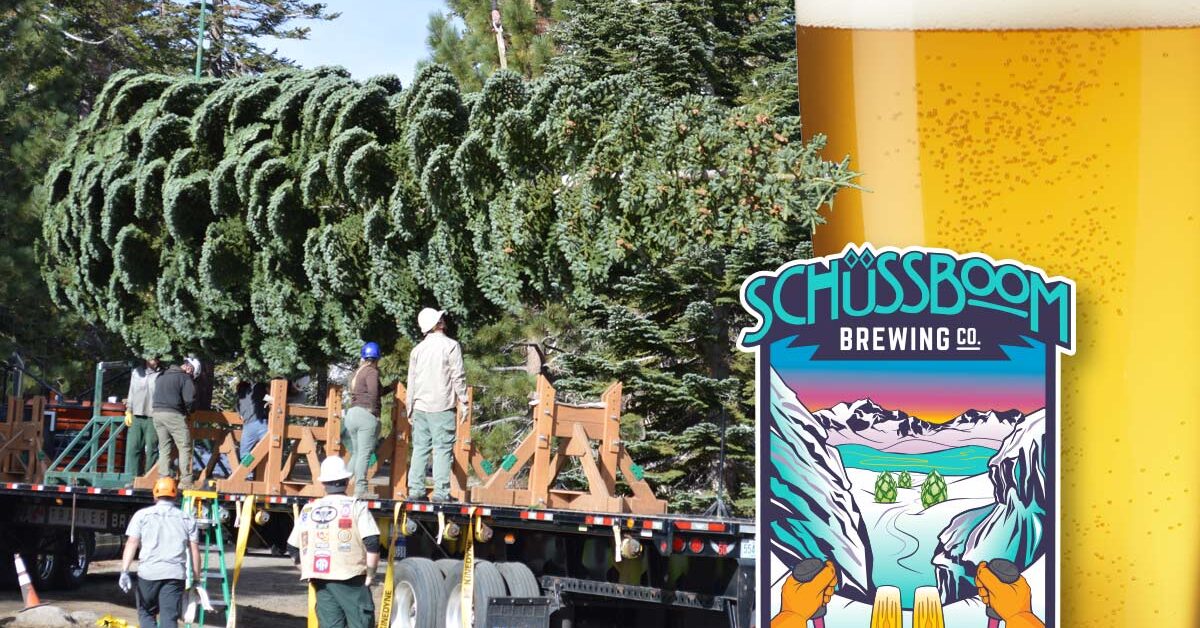
The 2024 tree was identified within the Bridgeport Ranger District of the Humboldt-Toiyabe National Forest. Following its selection, the tree was harvested in late October during a specialized ceremony that involved precision engineering to ensure the branches remained intact. Once cut, the red fir was secured onto a custom-built 80-foot trailer, equipped with a sophisticated hydration system to maintain its freshness during the 2,000-mile transit to Washington, D.C.
Schussboom Brewing Company: Integrating Craft Beer into National Tradition
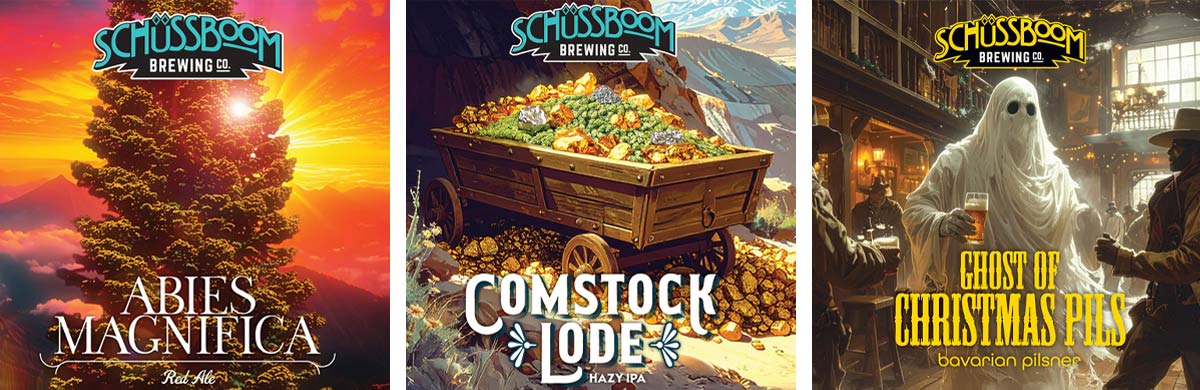
Schussboom Brewing Company, located in South Reno, has integrated itself into this national event by leveraging its expertise in craft fermentation to tell the story of the tree’s origin. As a gold sponsor, the brewery has committed to following the tree’s caravan, hosting community events and providing a sensory connection to the Nevada wilderness through three specifically engineered commemorative beers.
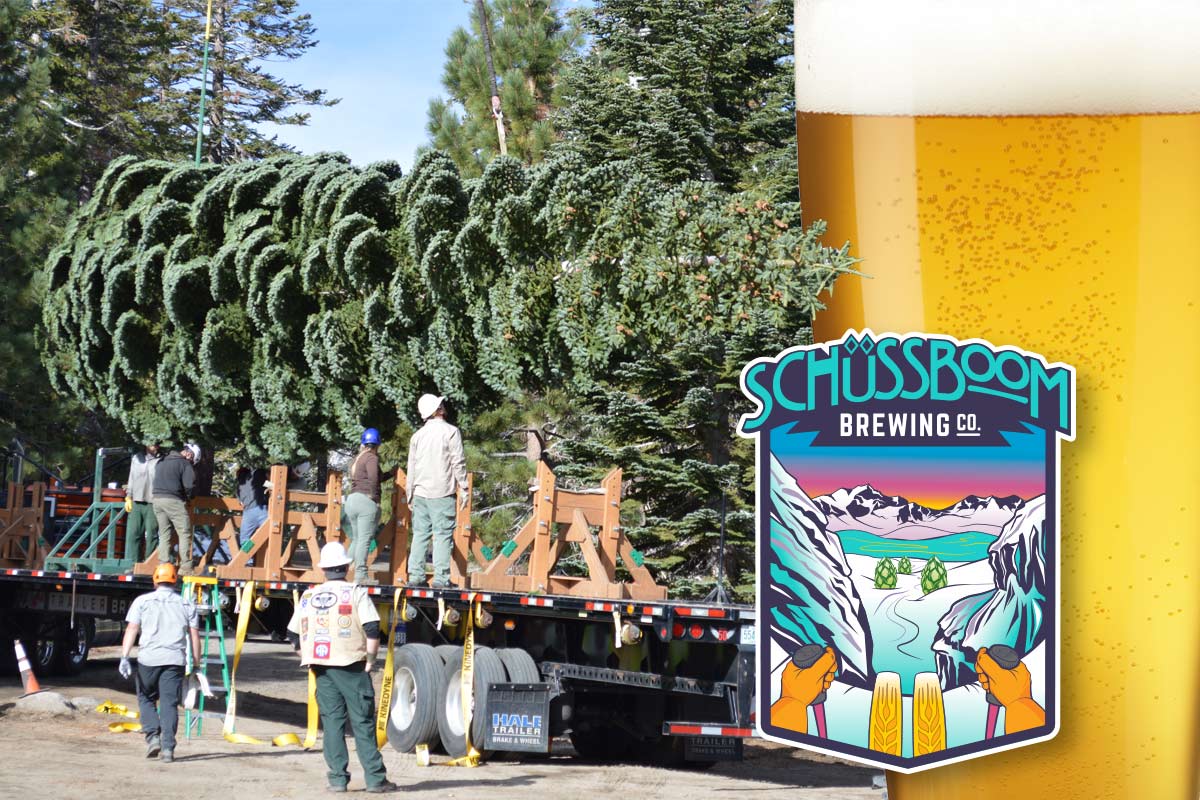
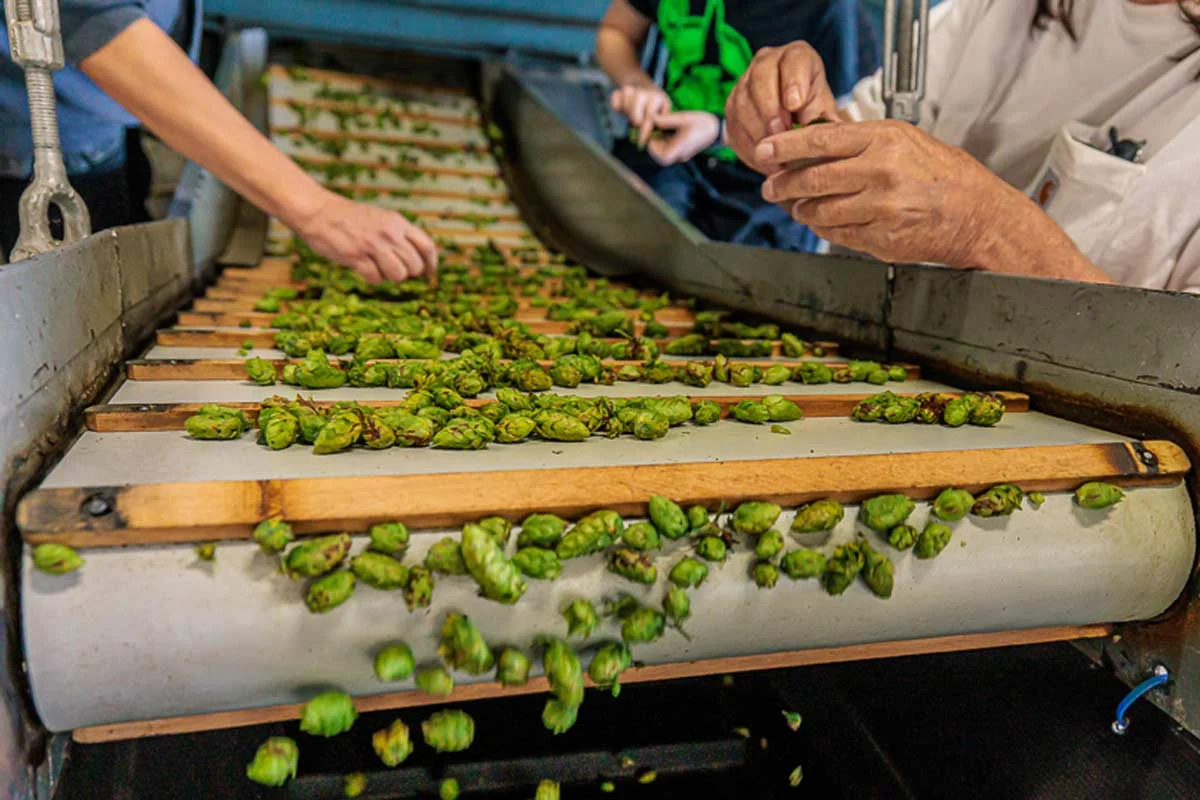
The first in the series, "Abies Magnifica," is a hoppy red ale that serves as a direct tribute to the botanical identity of the tree itself. To create a flavor profile that mirrors the forest of origin, the brewers incorporated foraged red fir tips into the kettle. This technique introduces a bright, citrusy, and resinous quality to the malt-forward ale, bridging the gap between traditional brewing and local foraging.
The second offering, "Comstock Lode," is a hazy IPA that shifts the focus from Nevada’s flora to its industrial history. The name references the 1859 discovery of silver and gold in Virginia City, an event that fueled Nevada’s statehood and development. The beer’s profile is designed to reflect the "richness" of the era, utilizing a heavy hand of contemporary hops to produce tropical and stone fruit notes.
Finally, the "Ghost of Christmas Pils" provides a nod to the regional folklore of the Wild West. This Bavarian-style pilsner is characterized by its crisp, clean finish and traditional noble hop aroma. By selecting a pilsner—a style historically favored by early settlers and laborers in the American West—Schussboom aims to honor the "rowdy spirits" and the enduring legacy of the frontier towns that dot the Nevada landscape.
Chronology of the Cross-Country Journey
The journey of The People’s Tree is structured as a series of community celebrations, allowing citizens across the Western and Central United States to interact with the monument before it reaches its final destination. The tour officially launched on October 25 at Mount Rose Ski Tahoe, a location that underscores the connection between the high-altitude forests and Nevada’s outdoor recreation economy.
Following the inaugural event, the tree made a high-profile appearance at Schussboom Brewing in Reno, where the commemorative beers were officially released to the public. From there, the caravan began its southward and eastward trek. The itinerary includes stops throughout Nevada and Arizona, featuring appearances in rural communities and major metropolitan areas alike. At each stop, representatives from the USDA Forest Service and the Society of American Foresters provide educational materials regarding forest health and the importance of sustainable land management.
The logistical operation is managed in partnership with various private sector sponsors, including trucking firms and equipment manufacturers, who provide the specialized transport required for a cargo of this scale. The tree is scheduled to arrive at the U.S. Capitol in late November, where it will be transitioned from its trailer to a permanent stand on the West Lawn.
Institutional Collaboration and Forest Advocacy
The U.S. Capitol Christmas Tree project is more than a holiday display; it serves as a platform for federal agencies and non-profit organizations to highlight the role of national forests in American life. The USDA Forest Service uses the visibility of the tree to promote its mission of "sustaining the health, diversity, and productivity of the nation’s forests and grasslands."
The Society of American Foresters (SAF) also plays a critical role in the initiative. As a partner, SAF emphasizes the professional management of forest resources, ensuring that the removal of the tree is conducted in a way that does not negatively impact the local ecosystem. In many cases, the selection of the tree is part of a broader forest thinning project designed to reduce wildfire risk and improve the vigor of the remaining timber stand.
Briana Wagner, President of Schussboom Brewing, emphasized the importance of this multi-agency collaboration. "This is a once-in-a-lifetime opportunity to partner with the USDA Forest Service and the Society of American Foresters, represent Nevada across the country, and create Christmas cheer with beer," Wagner stated. Her comments reflect a growing trend of small businesses engaging in large-scale public-private partnerships to enhance regional identity and support federal conservation messaging.
Supporting Data and Economic Context
The impact of the U.S. Capitol Christmas Tree extends to the economic and social fabric of the donor state. For Nevada, the 2024 selection provides a significant branding opportunity. The Humboldt-Toiyabe National Forest is a vital asset for the state’s tourism and timber industries, and the national spotlight helps promote Nevada as a destination for outdoor enthusiasts.
Furthermore, the involvement of a local brewery highlights the robust growth of the craft beer industry in the Silver State. According to data from the Brewers Association, Nevada’s craft brewing industry contributes hundreds of millions of dollars to the state’s economy annually. Partnerships like the one between Schussboom and the Forest Service demonstrate how local manufacturers can leverage national events to expand their market reach and solidify their role as community hubs.
The tree itself will be adorned with thousands of handmade ornaments, a tradition that involves schools, civic groups, and individual residents from across Nevada. This year, more than 10,000 ornaments were collected, showcasing the state’s cultural diversity and artistic heritage. These decorations, alongside the commemorative beers, serve as "ambassadors" for Nevada, representing the collective effort of its citizens.
Historical Significance of the Tradition
The tradition of the U.S. Capitol Christmas Tree began in 1964 when Speaker of the House John W. McCormack suggested placing a live tree on the Capitol grounds. That first tree was a Douglas fir planted on the West Lawn, but it eventually died due to root damage. In 1970, the Architect of the Capitol requested that the USDA Forest Service provide a tree from a national forest, initiating the current practice of rotating the honor among different states and forests each year.
The 2024 selection marks a milestone for the Humboldt-Toiyabe National Forest, bringing the focus back to the Intermountain West. The red fir, or Abies magnifica, is particularly symbolic for this region. Known for its impressive height and silver-blue needles, it is often referred to as the "Siloam fir" in horticultural circles and is a staple of high-elevation Sierra Nevada ecology.
Broader Implications and Final Destination
As the tree nears its destination in Washington, D.C., the focus shifts from the logistics of transport to the symbolism of the lighting ceremony. Scheduled for early December, the ceremony will be hosted by the Speaker of the House and attended by members of the Nevada congressional delegation and Forest Service officials.
The presence of the commemorative Schussboom beers at events leading up to the ceremony provides a modern twist on the tradition, illustrating how contemporary American culture integrates local craftsmanship with national heritage. The project underscores the interconnectedness of rural resource management and urban celebration.
The journey of the 2024 People’s Tree serves as a reminder of the vastness of the American landscape and the collaborative effort required to maintain it. From the foresters who scouted the red fir in the Humboldt-Toiyabe to the brewers in Reno who captured its essence in a bottle, the project represents a unified effort to share a piece of the West with the rest of the nation. Following the holiday season, the tree will be recycled, often into mulch or used in habitat restoration projects, ensuring that its contribution to the environment continues long after the lights are dimmed on the Capitol lawn.