admin
admin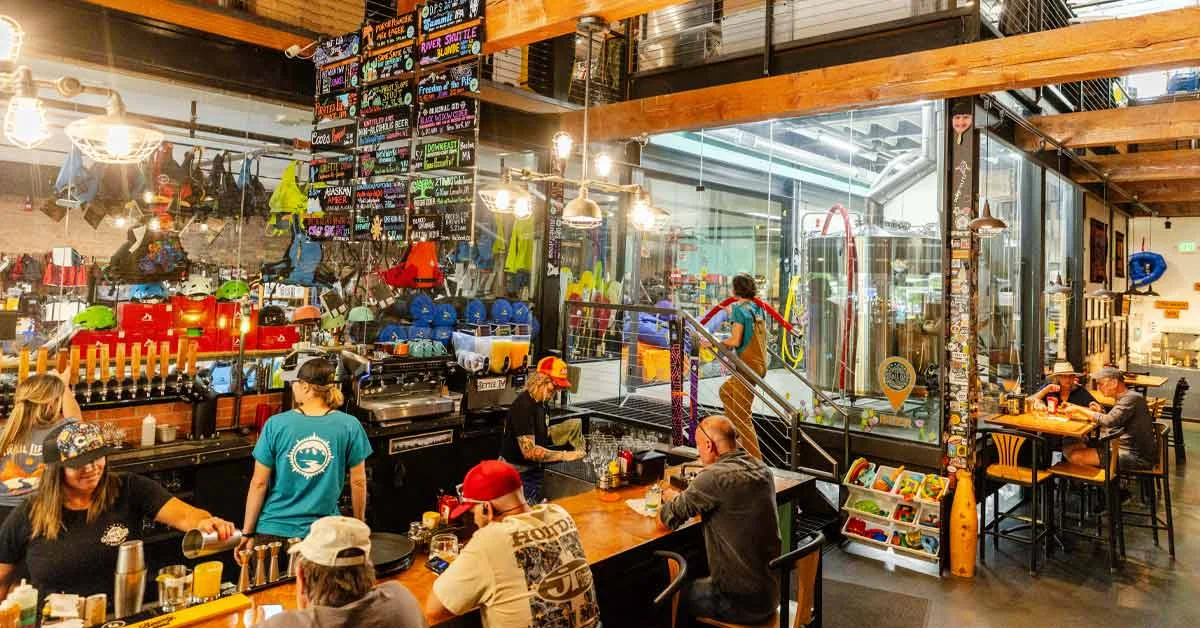
The city of Grand Junction, Colorado, situated at the confluence of the Colorado and Gunnison Rivers, is currently undergoing a significant transformation as a strategic alternative to the increasingly crowded tourism hubs of the Rocky Mountain West. While traditional destinations such as the Grand Canyon, Zion National Park, and the brewery-dense corridors of Denver and Fort Collins continue to see record-breaking visitor numbers, Grand Junction has quietly cultivated a world-class outdoor and culinary ecosystem that remains largely free of the congestion found elsewhere in the state. This evolution is driven by a unique synergy between the region’s dramatic geological features—including the Colorado National Monument and the Grand Mesa—and a burgeoning craft beer industry that has integrated itself into the local outdoor culture.
Geological Significance and the Western Slope Landscape
The geographical identity of Grand Junction is defined by its position in the high desert of Colorado’s Western Slope. The city’s name is a historical reference to its location at the junction of the Gunnison River and the Colorado River, the latter of which was known as the Grand River until 1921. This confluence created a fertile valley surrounded by some of the most distinct topographical features in North America.
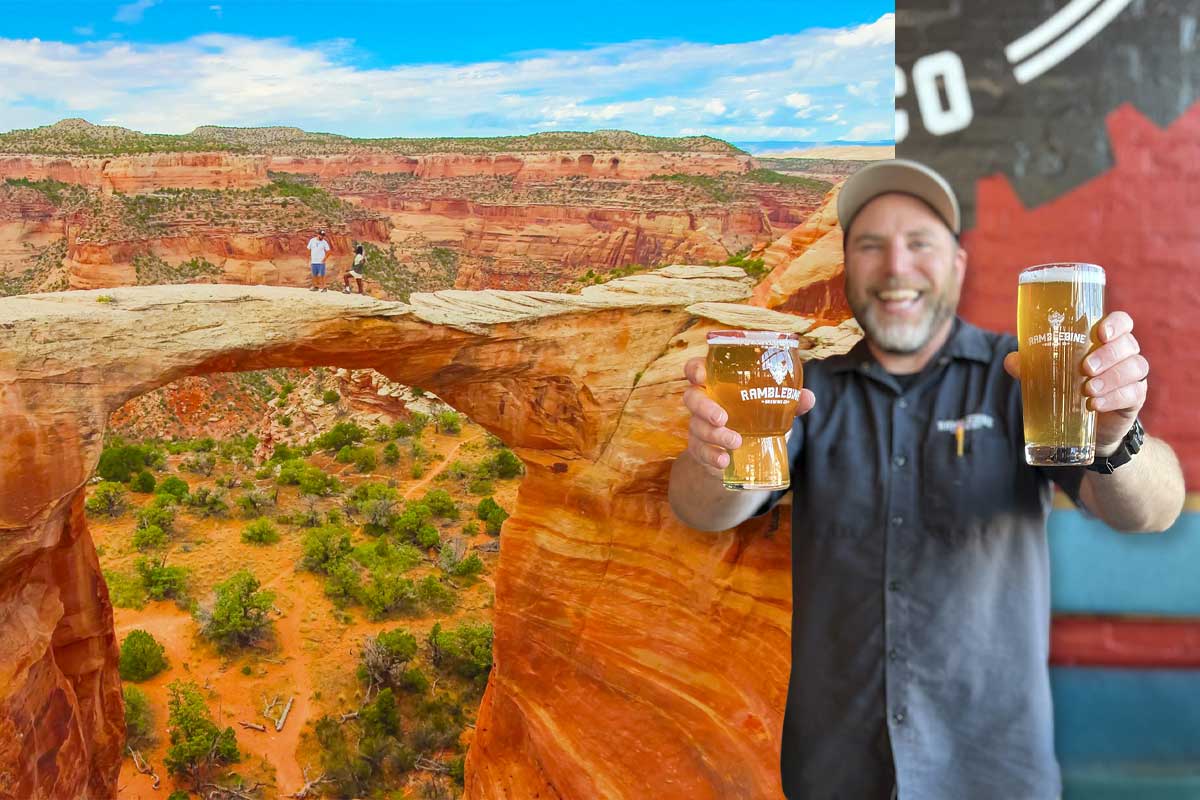
To the west lies the Colorado National Monument, a 32-square-mile expanse of red rock canyons, towering monoliths, and sheer sandstone cliffs. Established as a national monument in 1911, the area features the 23-mile Rim Rock Drive, a feat of engineering that provides access to panoramic views of the Grand Valley. Despite its aesthetic parity with the more famous national parks in neighboring Utah, the monument maintains a serene atmosphere, offering a level of solitude that has become rare in the American West.
Complementing the canyons is the Grand Mesa, located to the east. Reaching elevations of over 11,000 feet and covering roughly 500 square miles, it is recognized as the largest flat-top mountain in the world. The Mesa provides a stark contrast to the arid valley floor, housing over 300 alpine lakes and offering a temperate climate for hiking, fishing, and skiing. Additionally, the region contains the Rattlesnake Arches within the Black Ridge Canyons Wilderness, which boasts the second-highest concentration of natural arches in the world, surpassed only by Arches National Park.
A Chronology of the Grand Junction Brewing Industry
The development of the craft beer scene in Grand Junction has followed a trajectory of steady growth followed by a recent period of rapid diversification. For decades, the local industry was anchored by a small number of pioneers. The Rockslide Brew Pub, established in 1994, serves as the foundational "OG" of the local scene. For over a quarter-century, Rockslide has maintained a presence on Main Street, providing a reliable selection of traditional ales and lagers that laid the groundwork for the city’s contemporary beer culture.
However, the last decade has seen a shift toward more specialized, experimental, and community-focused establishments. This modern era of Grand Junction brewing is characterized by a "quality over quantity" approach, where brewers prioritize technical proficiency and local engagement.
In 2020, despite the global economic challenges posed by the COVID-19 pandemic, Ramblebine Brewing opened its doors, signaling a new chapter for the city. Founded by Eli Gerson and Rob James, the brewery introduced a level of stylistic diversity that was previously unavailable in the region. By utilizing diverse fermentation techniques—such as the use of kveik, a traditional Norwegian yeast—Ramblebine expanded the local palate beyond standard IPAs and stouts.
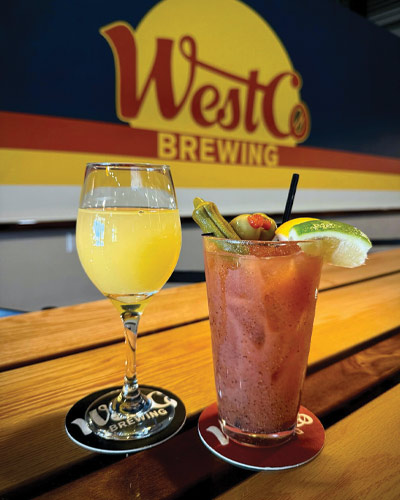
This momentum continued with the establishment of Trail Life Brewing and the recent opening of WestCo Brewing. These newer entrants have not only focused on the liquid product but have also emphasized the "third space" concept, where the brewery serves as a community hub specifically designed for the region’s active population.
The Intersection of Outdoor Recreation and Craft Beer
One of the most notable aspects of Grand Junction’s development is the physical and cultural integration of breweries with the outdoor industry. This is most evident in the "Bike and Brew" model, where taprooms are situated in immediate proximity to trailheads or cycling infrastructure.
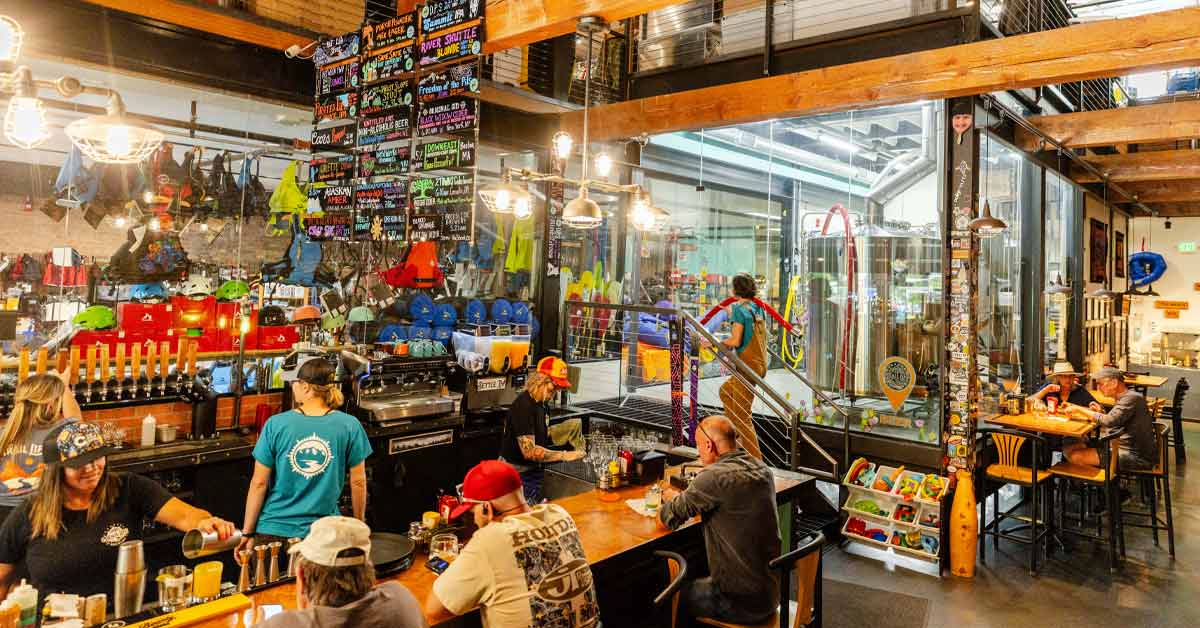
Trail Life Brewing represents the pinnacle of this integration, as it is physically attached to a mountain bike shop. This arrangement caters to the city’s demographic of outdoor enthusiasts who view craft beer as a social extension of their recreational activities. The taproom environment is designed to accommodate patrons arriving directly from the trails, offering a menu that includes high-protein rice bowls and hearty burgers alongside a diverse tap list featuring Mexican-style lagers and Black IPAs.
Similarly, Handlebar Tap House, owned by Adam Kinsey, is located adjacent to another prominent bike shop. Kinsey, who also founded WestCo Brewing, notes that the outdoor lifestyle is inseparable from the local identity. "I don’t think anyone lives in Grand Junction who isn’t actively involved in at least one outdoor activity," Kinsey observed. This cultural reality has dictated the business models of local establishments, which prioritize rotating taps from surrounding regional breweries and provide ample space for gear storage and outdoor seating.
Data and Economic Impact of Tourism on the Western Slope
The economic implications of this dual-focus on recreation and brewing are significant. According to the Colorado Office of Economic Development and International Trade, the outdoor recreation industry contributes more than $12 billion to the state’s GDP annually. Mesa County, where Grand Junction is located, has seen a steady increase in visitor spending as travelers seek "hidden gem" destinations that offer high-end amenities without the crowds of the Front Range.
Data from the Brewers Association, a not-for-profit trade group, indicates that Colorado remains a leader in the craft brewing sector, ranking in the top five states for the number of breweries per capita. While Denver and Boulder have historically captured the majority of beer-centric tourism, the Western Slope is increasingly capturing a larger share of the market. The diversification of the Grand Junction scene allows the city to compete with larger municipalities by offering a more intimate and accessible experience.
Furthermore, the development of the Las Colonias Park and its Amphitheater has created a new economic corridor. WestCo Brewing, situated next to this venue, benefits from the "concert-and-craft" economy, drawing in crowds who are already in the area for live music. This strategic urban planning has helped revitalize the riverfront area, turning it into a destination for both locals and tourists.
Technical Analysis of Local Brewing Trends
The technical proficiency of Grand Junction’s brewers is a key factor in the city’s rising reputation. The current market shows a move toward both highly specialized historical styles and "crushable" session beers designed for the high-desert climate.
- Ramblebine Brewing: Known for its God Hammer Norwegian Red Ale, the brewery utilizes kveik yeast to produce complex ester profiles at higher fermentation temperatures. This technical choice allows for a faster turnaround and a unique flavor profile that distinguishes them from traditional American red ales.
- WestCo Brewing: Under the guidance of head brewer Danny Wilson, WestCo has focused on "flavor-forward but easy-drinking" styles. This includes Japanese-style rice lagers, which require precise temperature control and adjunct management to achieve the desired crispness and clarity.
- Base Camp Beer Works: This establishment has gained a reputation for experimental adjuncts. Their portfolio includes innovative combinations such as pineapple and pistachio cream ales and Irish red ales infused with cranberry and orange. This willingness to experiment serves as a draw for "beer tourists" seeking flavors they cannot find in larger, more commercial markets.
Implications for the Future of Grand Junction
The growth of the Grand Junction beer and outdoor scene suggests a broader shift in American travel preferences. As major tourist destinations reach "over-tourism" levels, mid-sized cities with strong natural assets and sophisticated culinary scenes are becoming the new frontier for domestic travel.
The success of the Grand Junction model—integrating local industry with natural geography—provides a blueprint for other Western cities looking to diversify their economies. By avoiding the pitfalls of mass-market tourism and focusing on the needs of the local "adventurer" community, Grand Junction has created an authentic experience that naturally attracts high-value visitors.
As the city continues to expand its infrastructure, including further development along the Colorado Riverfront and the expansion of trail systems, the synergy between the breweries and the landscape is expected to strengthen. For the beer enthusiast and the outdoor adventurer alike, Grand Junction is no longer just a stopover on the way to Utah; it has become a destination in its own right, offering an "embarrassment of riches" that remains, for the moment, one of the best-kept secrets in the American West.