admin
admin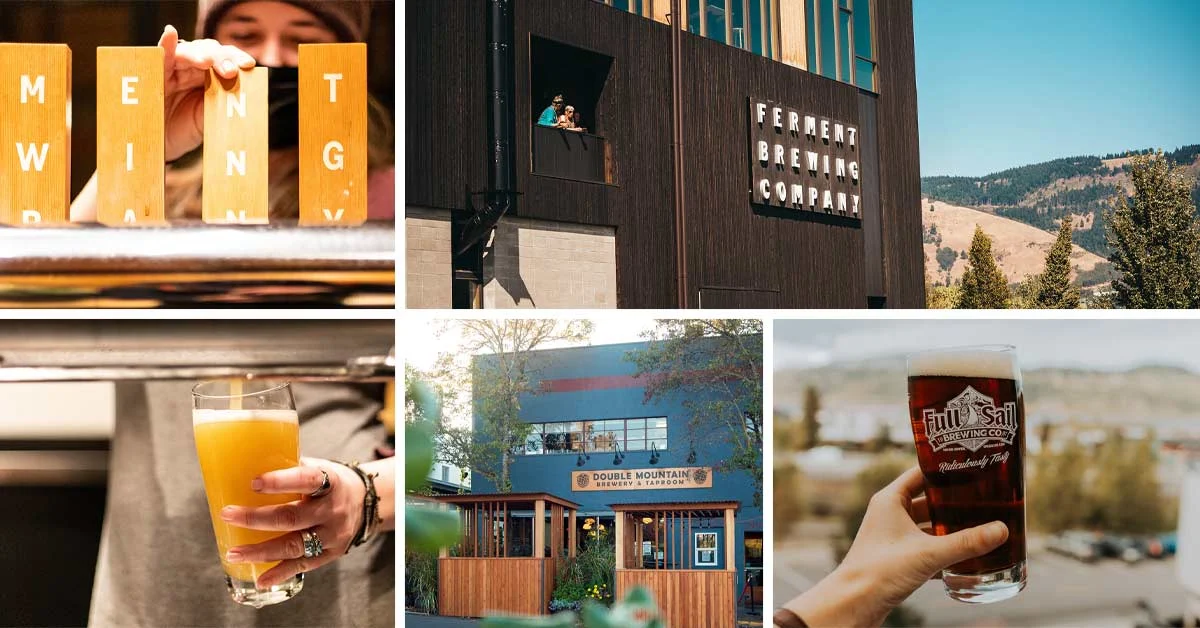
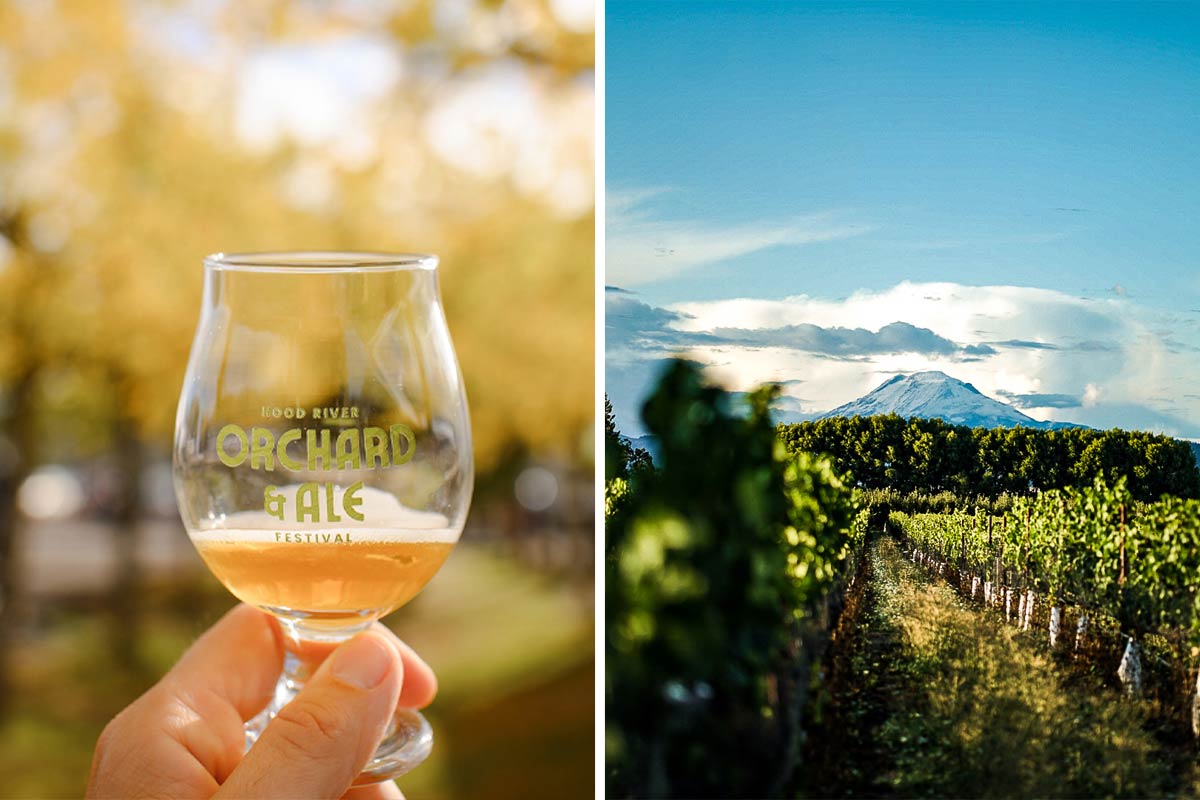
The inaugural Hood River Orchard and Ale Festival recently debuted on the waterfront of the Columbia River, marking a significant milestone in the maturation of one of North America’s most dense and respected craft brewing hubs. Set against the backdrop of the Columbia River Gorge, the event served as both a celebration of the region’s agricultural harvest and a showcase for the technical proficiency of local brewers. While the festival highlighted the area’s world-class beer, it also underscored the unique environmental challenges and geographical advantages that define the Hood River brewing identity. From the persistent Gorge winds that dictated the logistics of the event to the volcanic-filtered water that serves as the foundation for the local product, the festival provided a comprehensive look at an industry that has become the economic and cultural heartbeat of this Oregon community.
Geographical and Geological Foundations of the Hood River Brewing Industry
The success of the brewing industry in Hood River, a town with a population of approximately 8,300, is inextricably linked to its specific geography. The Columbia River Gorge, a canyon stretching over 80 miles and reaching depths of up to 4,000 feet, acts as a natural wind tunnel. During the Orchard and Ale Festival, these conditions were on full display as early-October gusts influenced the atmosphere of the waterfront event. While these winds provide a playground for the region’s world-renowned windsurfing and kiteboarding communities, they also create a distinct microclimate that affects local agriculture, particularly the orchards that give the festival its name.
However, the most critical ingredient for the local brewing scene is the water. Unlike many municipalities that rely on treated river water, Hood River breweries draw from the Hood River watershed. This water originates as snowmelt on the peaks of the 14,000-foot Cascade Mountains. As the water travels toward the valley, it undergoes a natural filtration process through layers of volcanic basalt rock. This geological journey results in water that is exceptionally soft and clean, yet rich in the specific mineral content necessary for brewing high-quality lagers and ales.
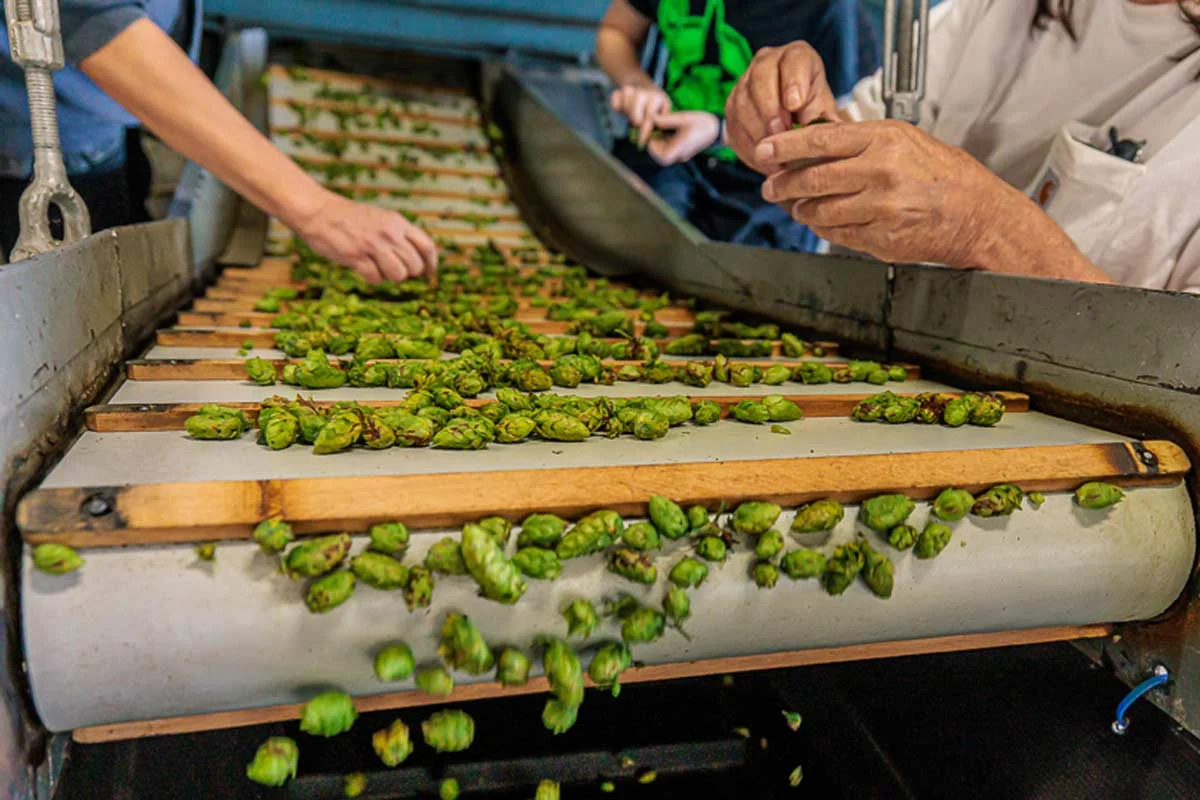
This water profile is complemented by the town’s proximity to the Willamette Valley, one of the premier hop-growing regions in the world. The ability of Hood River brewers to source fresh hops within a short drive allows for the production of "fresh hop" beers—a seasonal specialty that has become a hallmark of the Pacific Northwest craft beer calendar. The convergence of pristine mountain water and immediate access to agricultural raw materials has created what industry analysts describe as a "perfect storm" for craft beer excellence.
A Chronology of Innovation: From Pioneers to Modern Powerhouses
The development of Hood River’s beer culture has followed a steady trajectory over the past four decades, evolving from a niche local interest into a major driver of regional tourism.
The Foundation: Full Sail Brewing Co. (1987)
The modern era of Hood River brewing began in 1987 with the establishment of Full Sail Brewing Co. As one of the original craft breweries in Oregon, Full Sail was instrumental in proving that a small-town brewery could achieve regional and national distribution. Occupying a prominent position on the bluff overlooking the Columbia River, Full Sail set the standard for the "malty-spicy" profiles that defined early Oregon craft beer. Its flagship Amber Ale remains a staple of the industry, though the brewery has recently diversified its portfolio to include West Coast and hazy IPAs to remain competitive in a shifting market.
The Expansion: Double Mountain Brewery (2007)
Twenty years after Full Sail’s debut, Double Mountain Brewery was established, further cementing the town’s reputation. Known for its focus on unfiltered beers and high-carbonation styles, Double Mountain brought a more experimental edge to the downtown corridor. The brewery’s commitment to traditional European techniques, combined with a local focus on fresh ingredients—such as the Strata hops used in their "Iowa Bar Fight" IPA—helped bridge the gap between old-school craft brewing and the modern movement.
The Riverfront Renaissance: pFriem and Ferment (2012–2018)
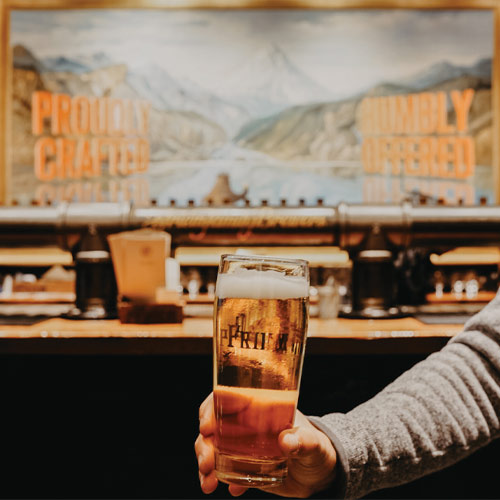
The opening of pFriem Family Brewers in 2012 represented a paradigm shift for the local industry. Located directly on the waterfront, pFriem introduced a sophisticated, Belgian-influenced approach to brewing that emphasized complexity and precision. Their success helped revitalize the waterfront area, transforming it from an industrial and recreational zone into a culinary destination.
Following pFriem’s lead, Ferment Brewing Company opened in 2018. Ferment utilized a modern, farmhouse-inspired technique to capture the "terroir" of the Gorge. By incorporating local elements, such as Oregon strawberries in their "Lost in Fragaria" sour ale, Ferment has pushed the boundaries of how a brewery can reflect its immediate environment.
New Entrants and the Future of the Hood River Scene
The momentum of the Hood River brewing scene has not slowed in the current decade. Despite the economic challenges facing the broader hospitality industry, new establishments continue to emerge, each carving out a specific niche within the community.
In 2023, the Hood River Brewing Company opened its doors, offering an eclectic range of styles that include Mexican-style lagers, catering to a diverse palate of locals and tourists alike. This was followed in 2025 by the launch of "The Walled Garden," a public house by Kings & Daughters Brewery. This addition signaled a move toward more specialized, boutique experiences, focusing on refined hazy IPAs and light lagers in an elegant setting.
On the higher elevations of the town, Working Hands Fermentation has gained a reputation for its mastery of bottom-fermented beers. By specializing in styles such as the "Night Shift Schwarzbier"—a dark lager that balances light body with subtle smokiness—Working Hands demonstrates the continued diversification of the local market. This specialization is a key survival strategy in a town where the concentration of breweries per capita is among the highest in the world.
Economic Impact and Regional Implications
The concentration of high-quality breweries in Hood River has profound economic implications. According to data from the Oregon Brewers Guild, the craft beer industry contributes billions of dollars to the state’s economy annually. In a rural setting like Hood River, the impact is even more concentrated. Breweries serve as major employers, providing jobs in production, distribution, and hospitality.
Furthermore, the brewing industry acts as a primary catalyst for tourism. The Hood River Orchard and Ale Festival is a strategic effort to extend the tourism season into the autumn months, capitalizing on the harvest cycle. By drawing visitors to the waterfront for a curated experience, the festival generates significant "shoulder season" revenue for local hotels, restaurants, and retail shops.
Industry analysts suggest that Hood River’s model of "quality over quantity" is a blueprint for other rural communities. By focusing on the unique attributes of their geography—the water, the hops, and the local fruit—Hood River has insulated its brewing industry against the broader national trend of "craft beer fatigue." The high standards maintained by the "OG" brewers like Full Sail and Double Mountain have forced newer entrants to innovate and maintain rigorous quality control, resulting in a marketplace where mediocrity is not an option.
Conclusion: The Cultural Significance of the Orchard and Ale Festival
The inaugural Orchard and Ale Festival was more than a mere tasting event; it was a testament to the resilience and identity of the Hood River community. The logistical hurdles presented by the environment—such as the high winds necessitating the use of heavy glassware—served as a metaphor for the industry itself: a sector that has adapted to its surroundings to produce something of lasting value.
As the festival concludes and the town prepares for the winter months, the state of the Hood River brewing scene remains robust. The transition from the pioneering days of 1987 to the sophisticated, multi-layered market of 2025 reflects a broader evolution in American craft beer. Hood River has successfully transitioned from a hidden gem to a global benchmark for what is possible when a community leverages its natural resources and historical expertise to build a sustainable, world-class industry. The success of the inaugural festival suggests that the union of the region’s orchards and its ales will remain a cornerstone of the Columbia River Gorge’s cultural and economic landscape for years to come.