admin
admin
The Canadian craft beer landscape is currently undergoing a profound period of introspection as Indigenous brewers and entrepreneurs work to reclaim a space within an industry from which they were historically and legally excluded. This movement gained national attention in March 2021 when the Indigenous Brew Crew (IBC), a collective of three Indigenous brewers, launched the "Celebrating Sisters" campaign. Intended to support Indigenous women through the sale of craft beer, the initiative instead became a lightning rod for a complex national debate regarding the legacy of alcohol in Indigenous communities. The resulting discourse, which eventually led to the dissolution of the IBC later that year, highlighted the deep-seated tension between cultural reclamation, economic sovereignty, and the intergenerational trauma caused by colonial liquor policies.
The Historical Context of Exclusion and the Indian Act
The relationship between Indigenous peoples in Canada and alcohol is inextricably linked to the 1876 Indian Act and subsequent colonial legislation. For nearly a century, the Canadian government used alcohol as a tool of both social control and economic dispossession. Under the Indian Act, First Nations people were legally prohibited from purchasing, possessing, or consuming alcohol. This prohibition was not rooted in public health but in a paternalistic framework that defined Indigenous people as "wards of the state" lacking the agency to make personal choices.
During this era, the only legal "beer" available to many Indigenous people was a non-alcoholic substitute often derisively referred to as "Indian Beer." Furthermore, the prohibition extended to political and economic rights; Indigenous people were barred from voting on liquor referendums or participating in the burgeoning brewing and hospitality sectors. Simultaneously, colonial settlers and traders frequently used high-proof spirits as a coercive tool in trade negotiations, undermining traditional Indigenous economies and social structures.
The 2015 Truth and Reconciliation Commission (TRC) report characterized these and similar policies as "cultural genocide." The report detailed how the forced removal of children to residential schools and the subsequent "Sixties Scoop" created profound psychological wounds. In the absence of traditional support systems, alcohol often became a coping mechanism for trauma, leading to cycles of dependency that were then used by the state to further justify the surveillance and marginalization of Indigenous families.
A Timeline of Legislative Change and Residual Impact
The transition toward legal access was slow and inconsistent across provinces:
- 1951: Amendments to the Indian Act allowed Indigenous people to consume alcohol in public lounges, though many provinces maintained their own restrictions.
- 1960s-1970s: Most provinces gradually lifted formal prohibitions, though many Indigenous communities chose to remain "dry" through local band bylaws to mitigate social harm.
- 1985: Bill C-31 provided First Nations bands with greater authority to regulate or prohibit the sale and consumption of alcohol on their reserves.
- 2020s: A new wave of Indigenous entrepreneurs began entering the craft beer market, asserting that self-determination includes the right to participate in all sectors of the economy, including those with a fraught history.
Despite these legislative shifts, the stigma remains. Data from various Canadian health agencies indicate that while Indigenous people are more likely to abstain from alcohol than the general population, those who do drink face higher risks of alcohol-related harm due to systemic factors such as poverty, lack of healthcare access, and ongoing colonial trauma. This duality creates a unique challenge for Indigenous brewers who must balance business goals with community sensitivity.
The Rise of Indigenous-Owned Craft Breweries
In recent years, a small but significant number of Indigenous-led breweries have emerged, challenging the stereotypes associated with Indigenous people and alcohol. These businesses are not merely commercial ventures; they often serve as platforms for cultural expression and land stewardship.

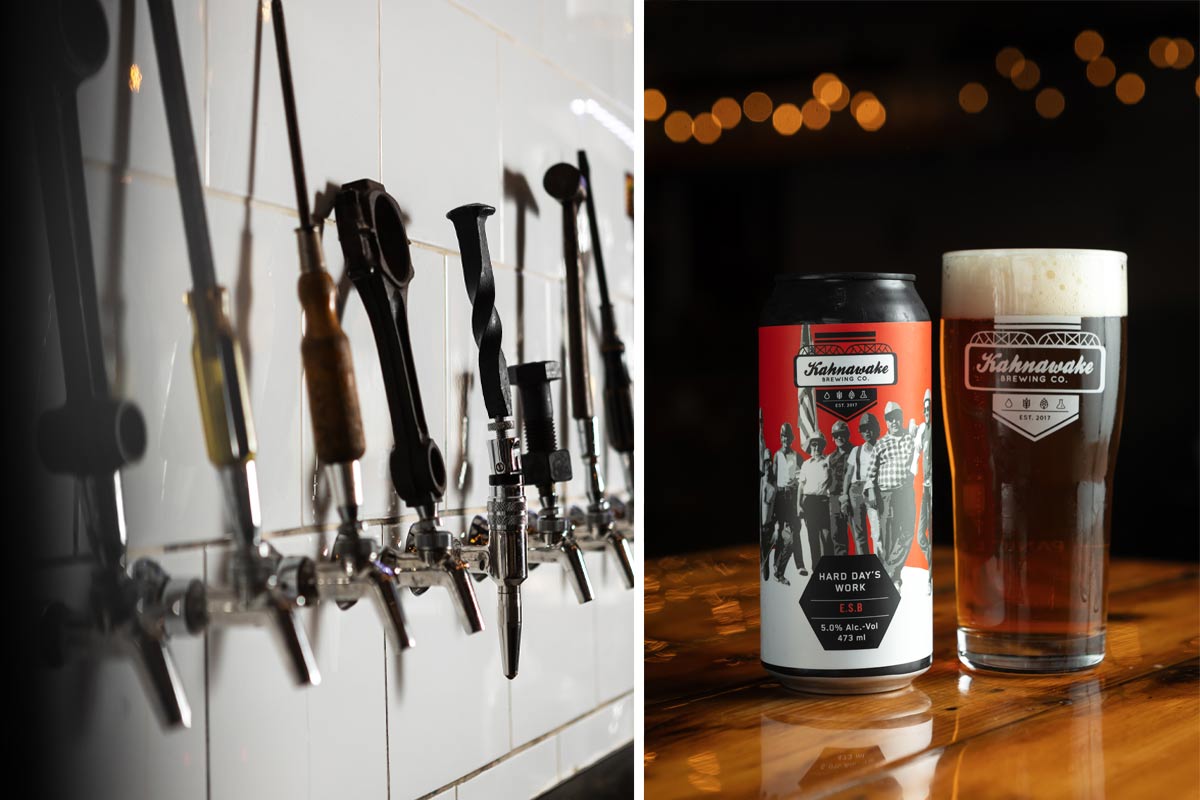
Kahnawake Brewing Company, located on Mohawk territory in Quebec, stands as a landmark example. It is recognized as the first openly Indigenous-owned craft brewery on Indigenous land in Canada. Co-owned by Fred Leblanc, a former ironworker, the brewery pays homage to the Mohawk ironworkers who helped build the infrastructure of North America, including the Saint-Laurent Railway Bridge (the "Black Bridge"). The brewery’s success, evidenced by multiple medals at the 2024 and 2025 Canada Beer Cups, demonstrates the viability of Indigenous-owned enterprises in a highly competitive market.
In British Columbia, Locality Brewing, co-owned by Métis entrepreneur Melanie MacInnes, emphasizes the "farm-to-glass" philosophy. MacInnes has spoken openly about the "visceral response" and sense of responsibility that comes with identifying a business as Indigenous-led. Her brewery’s recognition as the Best Indigenous-Led Business at the 2022 BC Food & Beverage Awards marked a turning point for Métis representation in the sector.
Defining the "Indigenous" in Craft Beer
The question of what constitutes an "Indigenous beer" is central to the industry’s evolution. For many, it is defined by the integration of traditional ingredients and the ethical sourcing of materials.
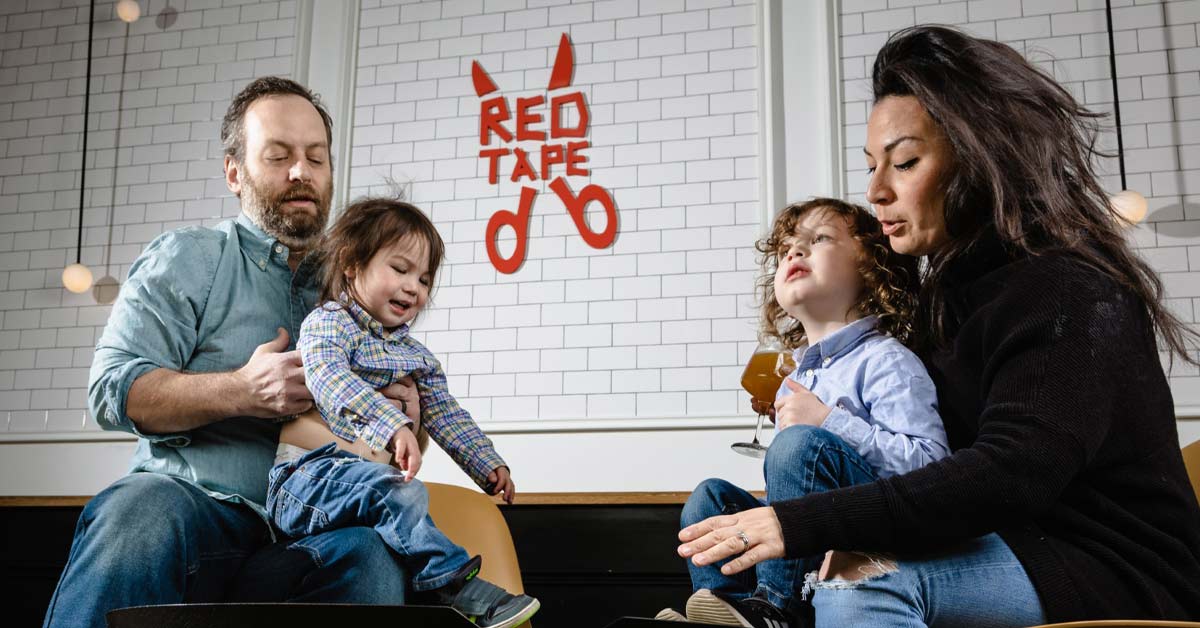
- Red Tape Brewery (Toronto): Co-owner Sarabeth Holden, who is Inuit, incorporates elements of her heritage into her recipes. Her "Paunnat Saison" utilizes dwarf fireweed, a plant significant to Northern cultures, while her amber ales often feature orange pekoe tea, a staple of Northern hunting and fishing trips.
- Another Beer Co. (New Westminster): Before its closure, this brewery produced the "Aski Oci" saison, made with alfalfa and spruce tips. The beer featured labels designed by Métis artists and carried messages explicitly addressing the need to heal the relationship with alcohol through Indigenous-led initiatives.
- Nonsuch Brewing Co. (Winnipeg): Co-owner Matthew Sabourin utilizes the brewery as an educational space. Their "Beer Bannock" experiences allow patrons to engage with Indigenous history and culinary traditions, framing the brewery as a site of cultural exchange rather than just a place of consumption.
Economic Sovereignty and the Supply Chain
Beyond the taproom, Indigenous leaders are calling for representation across the entire brewing supply chain. Currently, the Canadian craft beer industry contributes billions to the national GDP, yet Indigenous participation in malting, hop farming, and logistics remains disproportionately low.
Jason Tremblay, head brewer at Toronto’s Two Loons Brewing and a Métis man, notes that the "entrepreneurial spirit" has always been present in Indigenous communities, often forced into the "informal economy" due to historical land theft. He and others argue that true inclusion requires Indigenous involvement at every level of production. This sentiment is echoed by organizations like Indigenous Tourism BC and the Manitoba Métis Federation, which provide financial infrastructure and support for entrepreneurs looking to break into restricted or high-capital industries.
Darnell Stager of Indigenous Tourism BC argues that the antagonism some feel toward Indigenous brewers is a "leftover legacy of economic gatekeeping." He asserts that the right to work in any industry—be it agriculture, manufacturing, or brewing—is a fundamental component of Indigenous sovereignty.
Official Responses and the Path to Reconciliation
The response from the broader craft beer industry has been mixed. While many breweries now include land acknowledgments on their labels or websites, Indigenous leaders suggest that these gestures must be backed by "changed behavior."
Inez Cook, a member of the Nuxalk Nation and co-founder of the Indigenous restaurant Salmon n’ Bannock, advocates for a "person-to-person" approach. She suggests that non-Indigenous brewery owners should proactively reach out to local tribal nations to introduce themselves and seek partnerships, rather than waiting for Indigenous businesses to approach them. "Actions and changed behavior create reconciliation," Cook states, emphasizing that the industry must move beyond tokenism.

Academic perspectives also highlight the necessity of this relationship. Niigaan Sinclair, a professor of Anishinaabe studies, notes that according to traditional teachings, one must "figure out a relationship with all things." He argues that while alcohol has been a "violent intrusion," beer itself is derived from natural elements. From this perspective, the goal is not to encourage consumption but to assert the right of Indigenous people to make their own decisions regarding the substances and industries that impact their lives.
Implications for the Future of Canadian Beer
The dissolution of the Indigenous Brew Crew in 2021 was not an end to the conversation but a catalyst for a more nuanced approach to inclusion. The industry is now seeing a move away from broad marketing campaigns toward localized, community-focused business models that prioritize transparency and land ethics.
As the Canadian craft beer market faces economic pressures, including rising input costs and shifting consumer habits, the integration of Indigenous perspectives offers a potential path toward sustainability. The values identified by Indigenous brewers—respect for the land, prioritization of people over profits, and the courage to engage in "difficult conversations"—are increasingly seen as essential for the long-term health of the craft beer community.
The emergence of Indigenous-owned breweries represents a significant step toward economic decolonization. By reclaiming the right to brew, distribute, and enjoy beer on their own terms, Indigenous entrepreneurs are not only building businesses but are also dismantling the "ward of the state" status that once defined their relationship with the Canadian government. The future of the industry likely depends on its ability to listen to these voices and provide the space necessary for Indigenous sovereignty to flourish within the glass and beyond.