admin
admin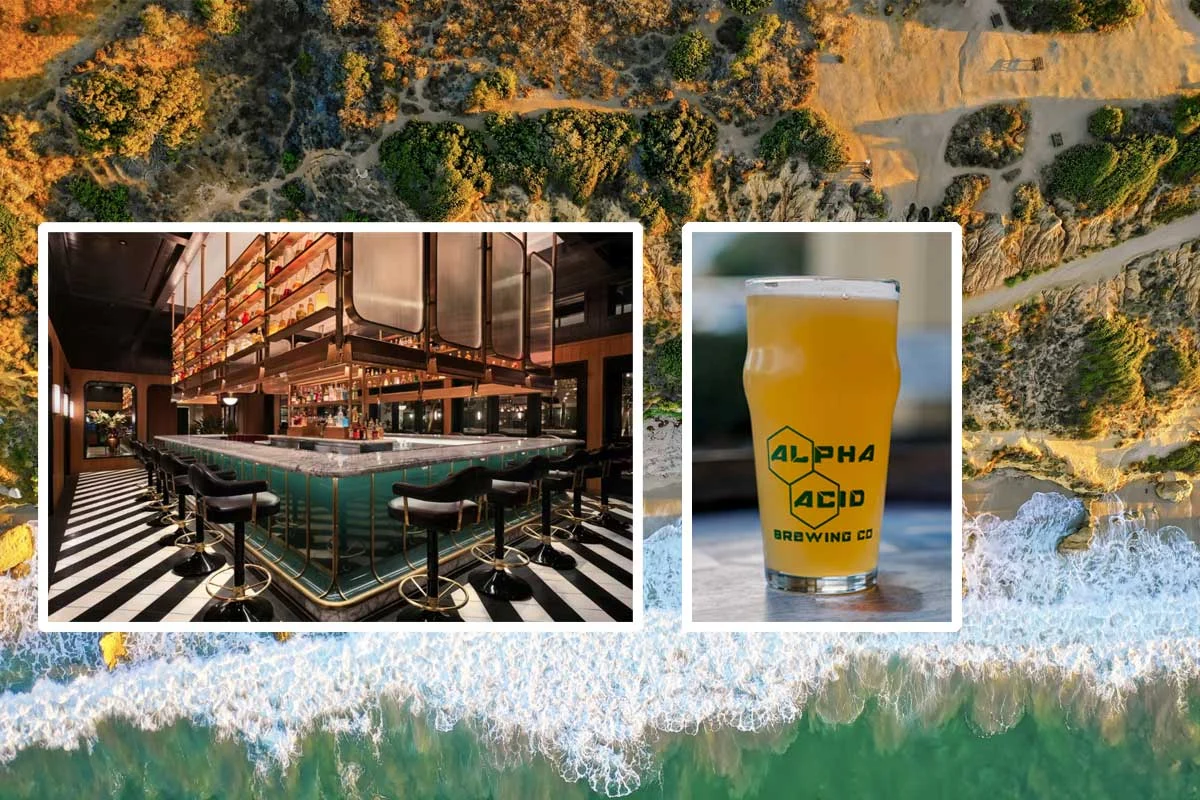
The San Francisco Bay Area has long served as a global epicenter for the craft brewing movement, with San Francisco and the East Bay historically garnering the majority of critical and consumer attention. However, a significant shift in the regional hospitality landscape has transformed the San Francisco Peninsula into a formidable destination for beer enthusiasts. Stretching approximately 30 miles along the Highway 101 corridor in San Mateo County, a burgeoning "beer trail" has emerged, connecting the Caltrain-accessible hubs of Burlingame, San Mateo, Belmont, San Carlos, and Redwood City. This corridor, once defined primarily by its proximity to Silicon Valley’s corporate campuses and the San Francisco International Airport (SFO), is now characterized by a sophisticated network of taprooms, production facilities, and gastropubs that reflect the region’s broader economic and cultural evolution.
The development of this trail is not merely a localized phenomenon but a reflection of a statewide trend. According to data from the Brewers Association, California continues to lead the United States in the number of craft breweries, with over 1,100 independent operations contributing more than $9 billion to the state’s economy annually. On the Peninsula, this growth has been fueled by a combination of favorable demographics, high disposable income, and a post-pandemic shift toward "neighborhood-first" consumption. As hybrid work models became permanent for many tech professionals, the demand for high-quality, local communal spaces—specifically those offering artisanal beverages—surged within suburban transit hubs.
The Burlingame Gateway: Innovation at Twelvemonth
The northern anchor of this craft beer circuit is Burlingame, a city that has seen a revitalization of its industrial and retail spaces. A primary example of this transformation is Twelvemonth, an ambitious culinary and brewing complex situated just south of SFO. The facility occupies a site formerly dedicated to traditional brewing but has been reimagined by Bob Trahan, a former technology executive who transitioned into the culinary arts.
Twelvemonth represents a modern intersection of sustainability and craft culture. It functions as a plant-based restaurant, bakery, and brewery, signaling a departure from the traditional "pub grub" associated with the industry. The establishment’s taproom strategy is notably inclusive; while it maintains a rigorous selection of high-end external brands—such as the iconic Pliny the Elder from Russian River Brewing Company and crisp lagers from Richmond’s East Brother Beer Co.—it also prioritizes the growing non-alcoholic segment. By featuring offerings from San Francisco’s Fort Point Beer Company, Twelvemonth addresses a diversifying market that increasingly demands sophisticated alternatives to traditional alcohol.
Industrial Revitalization in Belmont: Alpha Acid Brewing Company
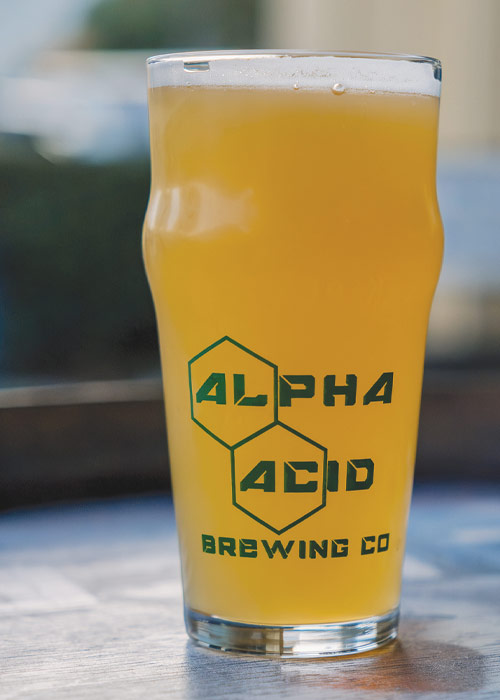
Moving south into Belmont, the geography of the beer trail shifts toward the industrial sector. Tucked within the Harbor Business Center, Alpha Acid Brewing Company exemplifies the "destination brewery" model. Established in 2014, Alpha Acid has built a reputation for technical precision and experimental variety. The brewery’s location in an industrial lot allows for a focus on production and wholesale distribution while maintaining a dedicated taproom that serves as a community anchor.
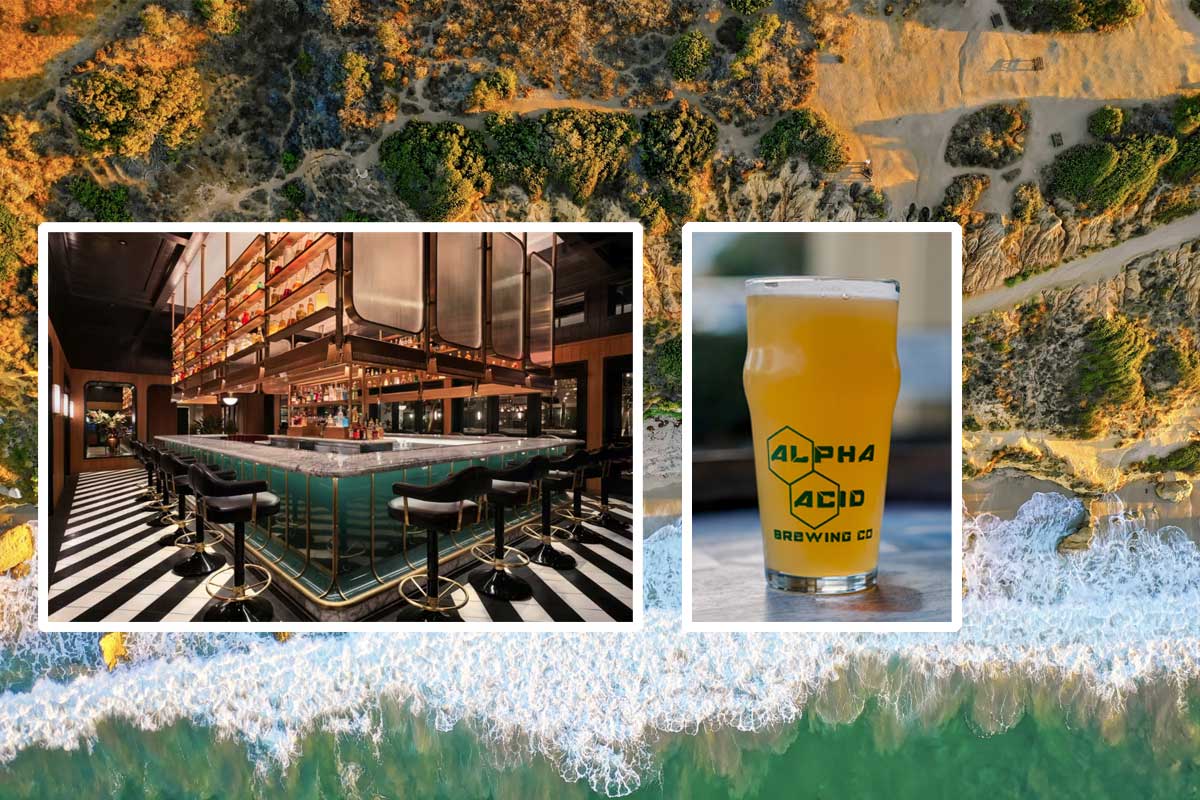
Alpha Acid’s portfolio is diverse, ranging from the "La Chulita" Mexican Lager to complex, high-gravity offerings. The brewery has gained a cult following for its New England-style IPAs, such as "May The Haze Be With You," which utilizes specific hop profiles to achieve notes of orange and pine without the aggressive bitterness of West Coast predecessors. Furthermore, their barrel-aging program—highlighted by the "Flying Dutchman," a 10.2% ABV rum-barrel-aged tropical stout—demonstrates a commitment to long-term fermentation processes that are typically the hallmark of mature, established breweries. The integration of local food trucks provides a rotating culinary component that compensates for the lack of an on-site kitchen, a common and successful business model in the craft sector.
Science and Sours in San Carlos: Blue Oak Brewing Co.
In San Carlos, Blue Oak Brewing Co. has carved out a niche by focusing on the science of fermentation, particularly within the realm of sour beers and "thiolized" yeasts. The brewery offers a sprawling indoor/outdoor environment that caters to the Peninsula’s temperate climate. Their "Cherry Bomb" fruited sour and "POG is My Copilot"—a blend of passion fruit, orange, and guava—represent a shift toward approachable, fruit-forward tartness that appeals to a broader demographic than traditional bitter ales.
Blue Oak is also at the forefront of brewing technology, utilizing thiolized yeast strains in their "Hello Motueka" hazy IPA. This process involves using genetically optimized or specific yeast strains to "unlock" thiols—compounds found in hops and malt that provide intense tropical fruit aromas. This focus on bio-chemistry in brewing mirrors the innovation-heavy atmosphere of the surrounding Silicon Valley, where consumers often appreciate the technical narrative behind the products they consume.
Redwood City: A Hub of Traditionalism and Modernism
Redwood City serves as the southern terminus and the most densely populated segment of the Peninsula beer trail, offering three distinct models of the craft experience: Ghostwood, Freewheel Brewing, and Gourmet Haus Staudt.
Ghostwood: The Neighborhood Modernist
Ghostwood functions as a quintessential neighborhood brewpub, balancing high-quality production with social engagement. Their "Extra Crispy" American lager has received critical acclaim, proving that even in a market dominated by complex IPAs, there is a significant demand for clean, well-executed session beers. The facility integrates entertainment—ranging from trivia nights to billiards and Mario Kart—into the drinking experience, fostering a loyal local following. Their "Serial Chiller" Cold IPA represents the latest industry trend: a hybrid style that uses lager yeast at higher temperatures to create a beer that is as crisp as a lager but as aromatic as an IPA.
Freewheel Brewing Company: The Cask Ale Specialists
Located in the Marsh Manor Shopping Center, Freewheel Brewing Company has occupied a unique space in the Bay Area market since 2012. While most American craft breweries focus on CO2-pressurized kegs, Freewheel specializes in English-style cask ales. These beers are naturally carbonated and served at a slightly warmer "cellar temperature," providing a softer mouthfeel and a more nuanced flavor profile. Their flagship "Big V Amber" and various Extra Special Bitters (ESBs) cater to a niche of traditionalists and British expatriates. The presence of nitro pours further emphasizes their dedication to the creamy, smooth textures associated with UK pub culture.
Gourmet Haus Staudt: The Bavarian Benchmark
Contrasting the modern American craft movement is Gourmet Haus Staudt, a classic Bavarian Bierstube. This establishment serves as a vital link to the historical roots of brewing. It functions as a market, bottle shop, and beer hall, specializing in German imports. Industry analysts have noted that Gourmet Haus Staudt is one of the highest-volume accounts for Weihenstephaner—the world’s oldest continuously operating brewery—outside of Germany. By providing a curated selection of both international classics and domestic rarities, it acts as an educational bridge for consumers navigating the complexities of global beer styles.
The Culinary Synergy: State of Mind Public House
The evolution of the Peninsula beer trail is inextricably linked to the region’s culinary maturation. A "bonus" stop often cited by enthusiasts is State of Mind Public House and Pizzeria in Redwood City. Led by Lars Smith, a member of the U.S. Pizza Team and an internationally awarded pizzaiolo, this establishment demonstrates the importance of "craft" synergy. A high-end rotating draft list is no longer an afterthought for Peninsula restaurants; it is a core requirement. The pairing of world-class, slow-fermented dough with limited-release local beers illustrates the elevated expectations of the modern consumer.
Economic Implications and Future Outlook
The rise of the San Francisco Peninsula beer trail has several broader implications for the region:
- Urban Planning and Land Use: The conversion of industrial spaces (like those in Belmont and San Carlos) and traditional retail blocks (in Burlingame and Redwood City) into hospitality hubs has increased property values and foot traffic in previously quiet corridors.
- Tourism Diversification: By creating a defined "trail," San Mateo County has successfully diversified its tourism appeal, drawing visitors who might otherwise bypass the Peninsula when traveling between San Francisco and San Jose.
- Market Resilience: The diversity of styles—from cask ales to thiolized IPAs and non-alcoholic options—suggests a market that is insulating itself against shifts in consumer trends.
The success of these breweries also highlights a shift in the "craft" narrative. While the early 2000s were defined by a "bigger is better" approach to hops and alcohol content, the current Peninsula scene emphasizes balance, technical innovation, and the importance of the physical space. As the 30-mile stretch along Highway 101 continues to densify with residential and commercial developments, these breweries are positioned to remain central to the identity of the San Francisco Peninsula. They are no longer just stops on a map; they are the social and economic engines of a region that has finally found its own brewing voice.