admin
admin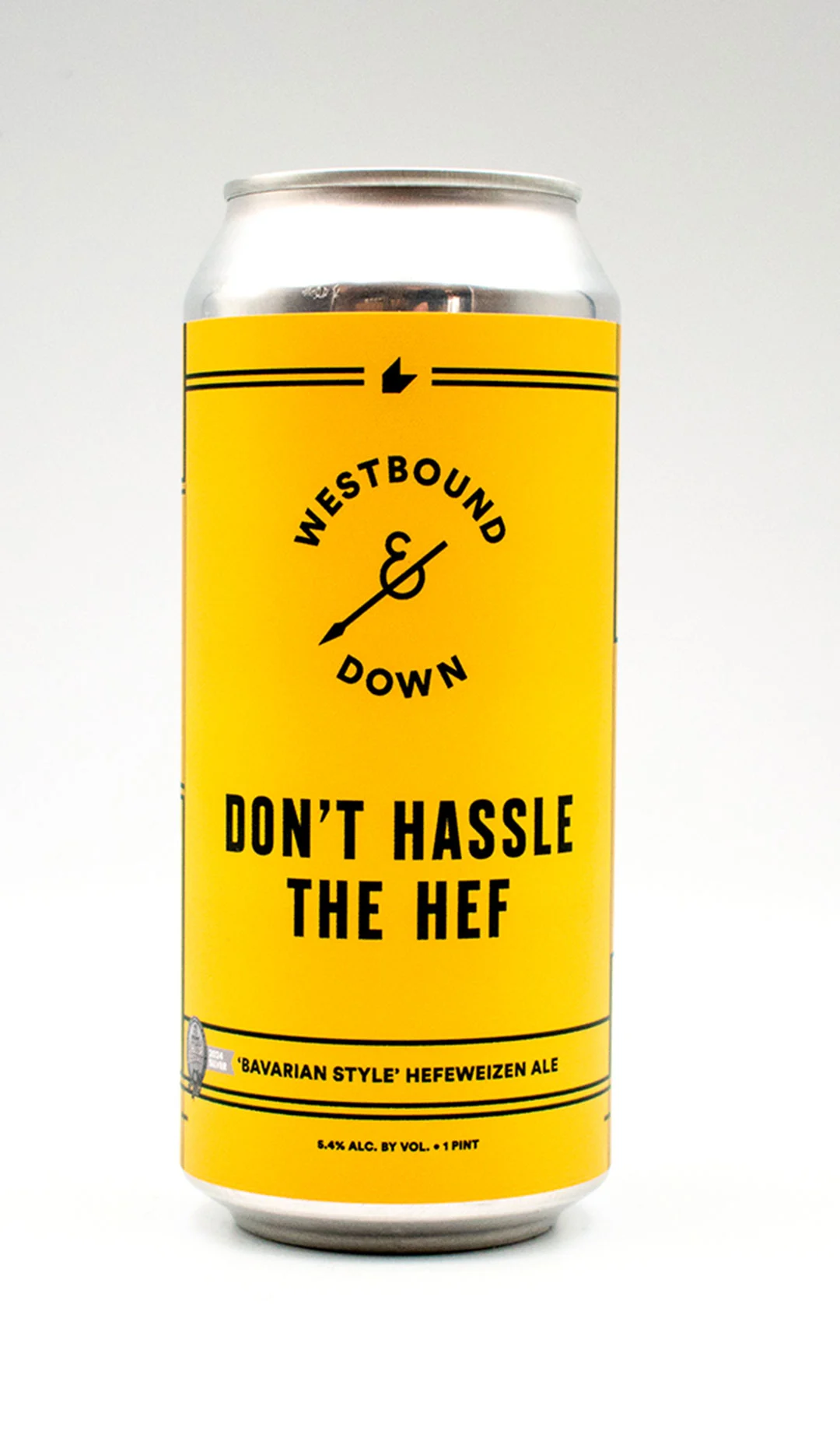
When DankHouse Brewing received an invitation to the Juicy Brews IPA festival in early 2020, the Newark, Ohio-based brewery faced a common artisanal dilemma: how to intensify the natural essence of a fruit that often proves elusive in the brewing process. Co-founders Josh and Heather Lange had planned to showcase "Banana Peel’d," a hazy India Pale Ale (IPA) conditioned on banana purée that had already established itself as a local favorite. However, as the festival date in Pittsburgh approached, the couple found the flavor profile lacking the necessary depth to stand out in a competitive field. The subsequent scramble to enhance the beer’s profile—eventually involving a "scooping party" of store-bought baby food—highlights a broader technical and regulatory shift within the American craft beer industry.
For decades, banana notes in beer were primarily the byproduct of specific yeast strains, most notably in German hefeweizens. Today, the industry is witnessing a diversification of methods, ranging from "stressing" yeast to produce specific esters to the use of high-end imported dried fruits. This evolution is driven by changing consumer palates, the rise of "pastry stouts," and a significant regulatory update by the Alcohol and Tobacco Tax and Trade Bureau (TTB) that has streamlined the use of fruit in commercial brewing.
The Chemistry of Scent: From Gros Michel to Cavendish
To understand the current obsession with banana flavors in beer, one must look at the botanical history of the fruit itself. A century ago, the American market was dominated by the Gros Michel (or "Big Mike") cultivar. This variety was characterized by high concentrations of isoamyl acetate, a fruity ester that provides the pungent, sweet aroma most people now associate with artificial banana flavoring. In the 1950s, a fungal outbreak known as Panama disease decimated Gros Michel plantations, leading to the global adoption of the Cavendish banana.
The Cavendish, while more resistant to disease, contains significantly lower levels of isoamyl acetate. This biological shift created a sensory disconnect: modern consumers often find that "real" bananas lack the punch of banana-flavored candies like Runts or Laffy Taffy, which are chemically modeled after the extinct Gros Michel profile. In the brewing world, this creates a challenge for those seeking a "nostalgic" banana flavor.
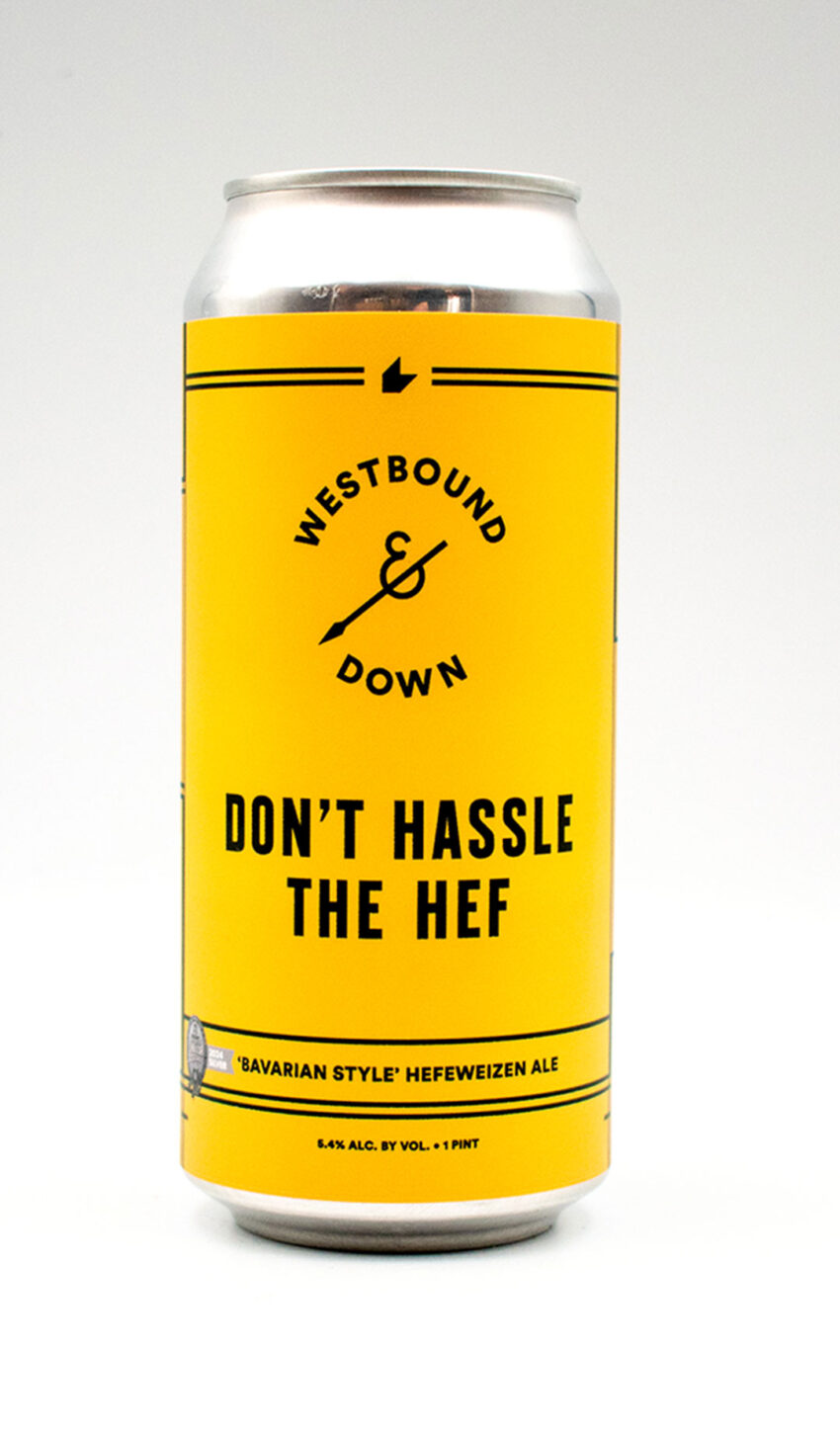
All beers contain some level of isoamyl acetate—Coors Banquet is frequently cited by Cicerones for its subtle banana notes developed during cold fermentation—but in many styles, an excess of this ester is considered a technical flaw. In German hefeweizens, however, it is the signature characteristic. Derek Goodman, head brewer at Westbound & Down Brewing in Colorado, notes that a successful hefeweizen should smell less like a fresh fruit and more like a "crushed-up banana Runt."
Technical Mastery: Coaxing Flavor from Yeast
Achieving the perfect banana profile without adding fruit requires precise control over yeast metabolism. Goodman’s award-winning "Don’t Hassle the Hef" relies on a process of intentional yeast stress. By "under-pitching"—adding only about one-third of the standard amount of yeast—and restricting oxygen, brewers force the yeast to reproduce rapidly. This metabolic struggle results in a surge of fruity esters.
Data from yeast suppliers suggests a resurgence in this traditional style. Jeff Mello, founder of Bootleg Biology and Spot Yeast, reports that hefeweizen strains have climbed to become the second best-selling products in his catalog, trailing only the ubiquitous hazy IPA yeasts. This trend indicates a pivot back toward fermentation-driven flavors, even as other segments of the market lean heavily into fruit additions.
At Wallenpaupack Brewing in Pennsylvania, the "Hawley Hefeweizen" has become a flagship precisely because of its yeast-driven banana profile. Head brewer Logan Ackerley observes that consumers often ask for it specifically as "the banana beer," illustrating that even without fruit additives, the aromatic associations are powerful enough to drive brand loyalty.
The Rise of Adjuncts: Purees, Pastry Stouts, and the "Cheetos Dilemma"
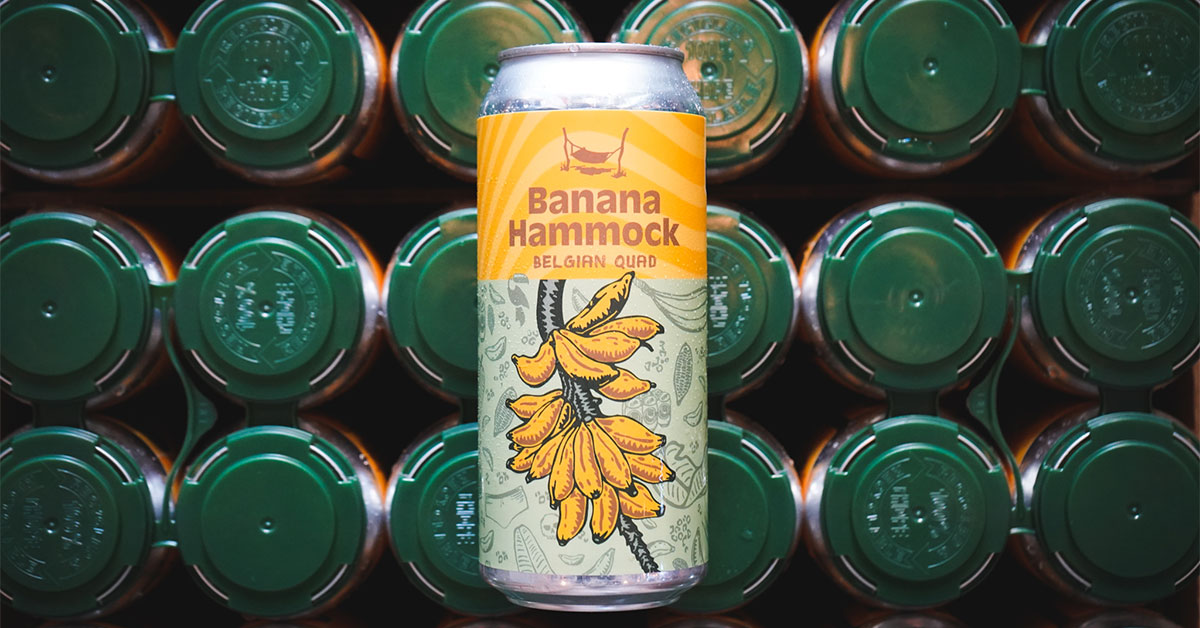
While traditionalists rely on yeast, a new wave of "pastry" brewers utilizes bulk purées to create dessert-like experiences. WeldWerks Brewing and Crooked Hammock Brewery have pioneered styles like Chocolate Banana Pudding Stouts and Belgian-style quadrupels conditioned on fruit.
However, adding real fruit introduces complex fermentation challenges. Larry Horwitz, director of brewing operations at Crooked Hammock, describes the "Cheetos dilemma": yeast cells, when presented with the simple sugars found in fruit purées, may stop processing more complex malt sugars. This can lead to stalled fermentations or "off" flavors such as excess sulfur. To mitigate this, many brewers add fruit only after primary fermentation is complete.
Furthermore, the physical properties of banana purée can be problematic. Nick Panchamé, president of HOMES Brewery, notes that banana additions can significantly increase the viscosity of a beer, creating a "smoothie-like" texture that is polarizing among consumers. This has led some high-end breweries to seek out a more concentrated, less obstructive alternative: the wild Thai banana.
The "Grand Cru" of Ingredients: Wild Thai Bananas and Economic Realities
The use of dried wild Thai bananas has become a hallmark of elite "whales"—rare, high-value beers that command premium prices. Rodrick Markus, CEO of Rare Tea Cellar, began importing these fructose-rich dried fruits over a decade ago. While 99% of his inventory originally went to the food industry, the "pastry stout" boom of 2019 saw breweries like Other Half and Evil Twin adopting the ingredient to provide a concentrated banana flavor without the sludge of a purée.
The economic impact of this trend is substantial. During the COVID-19 pandemic, Markus reported selling nearly 1,000 pounds of Thai bananas weekly to breweries, even as restaurant orders plummeted. However, this flavor comes at a steep price. Matt Tarpey, co-founder of The Veil Brewing, notes that wild Thai bananas can cost upwards of $50 per pound, exacerbated by 35% tariffs on Thai imports. For a barrel-aged imperial stout like "Sky Summoner," which requires over 10 pounds of fruit per barrel, the ingredient costs alone can erode profit margins.
"We’re not losing money on them, but they’re not a huge moneymaker," Tarpey says, describing the production of these high-adjunct beers as a "labor of love."
Regulatory Milestones: The 2023 TTB Expansion
Until recently, the use of bananas in beer was a bureaucratic hurdle. The Alcohol and Tobacco Tax and Trade Bureau (TTB) traditionally classified bananas as a non-traditional ingredient, requiring breweries to submit "formula exemptions" before they could legally sell banana-infused products. This process often involved weeks of paperwork and delayed product launches.
In late 2023, the TTB officially expanded the list of ingredients exempt from formula requirements, finally including bananas alongside traditional malts and hops. This regulatory shift is expected to further catalyze innovation in the sector, allowing smaller breweries to experiment with banana profiles without the administrative burden that hampered previous efforts.
Broader Implications and Market Outlook
The "banana moment" in craft brewing reflects a larger shift in the beverage industry toward "flavor-forward" products. As the lines between beer, cider, and "hard smoothies" (like HOMES Brewery’s Smooj) continue to blur, the technical ability to deliver consistent, intense fruit flavors becomes a competitive necessity.
The industry now operates on a spectrum of banana integration:
- Fermentation-Led: Traditional hefeweizens using yeast stress to produce isoamyl acetate.
- Purée-Based: High-volume additions used in "smoothie" sours and pastry stouts to add body and sweetness.
- Infusion-Based: Use of premium dried fruits (Thai bananas) for barrel-aged products where clarity and concentrated flavor are paramount.
- Improvised/Aseptic: The use of shelf-stable products like baby food for small-batch consistency, as seen in the DankHouse Brewing example.
As brewers navigate rising ingredient costs and fluctuating tariffs, the reliance on yeast-driven flavors may see a resurgence as a cost-effective alternative to expensive imports. However, for the segment of the market dedicated to "liquid desserts," the banana remains an essential, albeit expensive, tool in the brewer’s arsenal.
The success of events like the "Banana Brunch" at Nashville’s Fait La Force Brewing—where hefeweizens are paired with ice cream—suggests that the consumer appetite for these flavors is far from satiated. Whether through the scientific manipulation of yeast or the expensive acquisition of Southeast Asian fruit, the American craft beer industry has proven that it is willing to go to great lengths to "unpeel" the potential of the banana.