admin
admin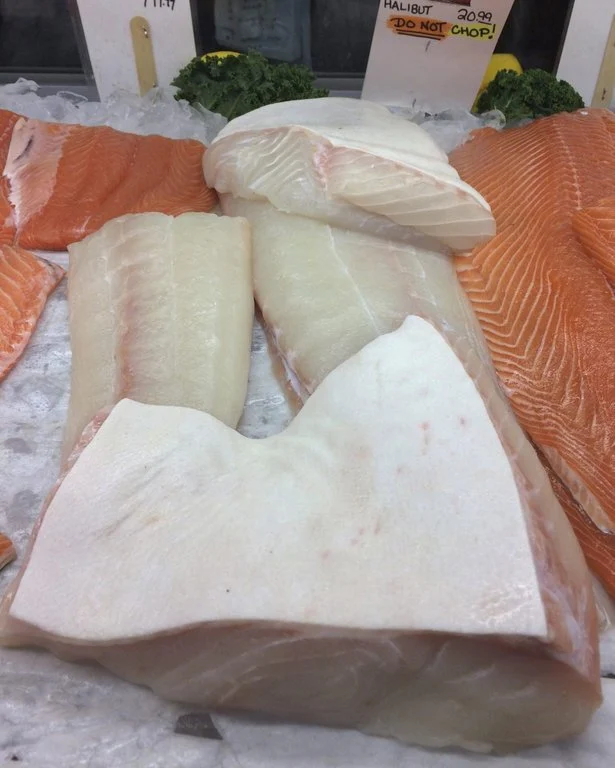
Federal fisheries officials have successfully executed a significant enforcement action, seizing more than $170,000 worth of Atlantic halibut following an alleged incident of illegal fishing within the ecologically sensitive St. Anns Bank Marine Protected Area (MPA) off the coast of Nova Scotia. The operation, conducted by Fisheries and Oceans Canada (DFO), culminated in the seizure of approximately 8,000 kilograms of fish and formal charges laid against the captain of the implicated vessel, underscoring the department’s unwavering commitment to protecting Canada’s vital marine ecosystems and ensuring the sustainability of its valuable fisheries. This incident, which unfolded over several days in early July, highlights the persistent challenges posed by illegal, unreported, and unregulated (IUU) fishing and the robust measures employed by authorities to combat such activities, particularly within designated conservation zones critical for biodiversity. The DFO’s proactive response serves as a stark reminder that unauthorized exploitation of marine resources carries severe consequences, both for individuals and the broader health of the ocean, reinforcing the stringent regulations governing Canada’s protected marine territories.
The Incident Unfolds: A Detailed Chronology of Enforcement
The multi-day operation began with the routine surveillance activities conducted by Fisheries and Oceans Canada, which play a crucial role in monitoring Canada’s vast maritime territory. On July 6, 2026, DFO officers, utilizing advanced vessel monitoring systems (VMS) and possibly supplementary aerial or at-sea patrols, detected unusual fishing activity within the St. Anns Bank Marine Protected Area, located strategically east of Cape Breton. The St. Anns Bank MPA is a federally designated zone with strict regulations designed to safeguard vulnerable marine species and their habitats, making any fishing activity within its boundaries a serious breach of federal law unless specifically authorized under rare, exceptional circumstances, which was not the case in this instance. The initial detection was a testament to DFO’s integrated surveillance capabilities, which combine satellite technology with on-the-ground intelligence to identify potential infringements.
Upon initial detection, DFO officials initiated a comprehensive tracking operation, meticulously monitoring the vessel’s movements over two days. Despite repeated attempts by the department to hail the boat through various communication channels, including radio and potentially visual signals, the vessel allegedly continued its fishing operations within the protected area. This alleged disregard for official communications and persistent activity within a prohibited zone escalated the situation, prompting DFO to prepare for a direct intervention. The defiance indicated a potential intentional violation, which significantly raised the stakes for enforcement officers. Such non-compliance not only complicates enforcement but also suggests a deliberate attempt to evade detection and accountability, thus necessitating a direct and decisive response from federal authorities to uphold the rule of law within Canadian waters.
By July 8, with the vessel still reportedly engaged in fishing within the MPA, DFO officers proceeded with an at-sea boarding. This procedure, often conducted in challenging maritime conditions, requires specialized training and adherence to strict safety protocols for both officers and crew. At-sea boardings are high-risk operations, demanding precision and effective communication to ensure the safety of all parties involved while securing the vessel and its crew. Upon boarding, officers formally instructed the captain to cease all fishing activities immediately and ordered the vessel to proceed to the nearest designated port for further investigation. Louisbourg, Nova Scotia, a historic fishing community on Cape Breton Island, was identified as the appropriate docking location, providing the necessary facilities for a thorough inspection and processing of the vessel and its catch. The precision and coordination required for such an operation underscore the DFO’s operational capabilities in maintaining maritime law and order.
The following day, July 9, the extensive catch was formally seized by DFO officials. The 8,000 kilograms of Atlantic halibut, valued at over $170,000 based on current market rates, represented a substantial haul and a significant loss for the alleged perpetrators. The seizure process involves careful documentation, weighing, and secure storage of the product, often followed by its sale with proceeds held in trust pending legal outcomes, or donation to charitable organizations if deemed appropriate. Subsequently, federal charges were formally laid against the captain of the vessel. These charges include illegal fishing within a protected area, obstruction of a fisheries officer, and failure to report catch—each carrying potentially severe penalties under the Fisheries Act, ranging from substantial fines to license suspensions and even potential vessel forfeiture, depending on the specifics and severity of the conviction. The legal process is now expected to proceed through the courts, where the captain will have the opportunity to respond to the allegations.

St. Anns Bank Marine Protected Area: A Vital Ecosystem Under Threat
The St. Anns Bank Marine Protected Area, established in 2017 under Canada’s Oceans Act, is a cornerstone of marine conservation efforts in the North Atlantic. Spanning an area of approximately 1,600 square kilometres, this MPA is critical for protecting a diverse array of deep-sea corals, sponges, and other vulnerable benthic habitats. These ecosystems are often slow-growing and extremely fragile, making them highly susceptible to damage from bottom-contact fishing gear such as trawls and longlines, which are commonly used in halibut fisheries. The area is characterized by a unique topography, including canyons and seamounts, which create diverse microhabitats supporting a rich biodiversity. The cold, deep waters of the North Atlantic nurture species that are rarely found in shallower regions, making St. Anns Bank a unique natural laboratory for marine science and a crucial sanctuary for species often overlooked.
The primary objective of the St. Anns Bank MPA is to conserve and protect these unique deep-sea coral and sponge communities, which provide essential habitat for numerous fish species, including commercially important ones at various life stages. These corals, some of which can live for centuries or even millennia, act as nurseries, feeding grounds, and refugia for a wide range of marine organisms, contributing significantly to the overall health and productivity of the broader Atlantic ecosystem. For instance, deep-sea corals provide complex three-dimensional structures that offer shelter from predators and strong currents for juvenile fish, while also increasing food availability through their filter-feeding activities. Without robust protection, these slow-recovering habitats could be irreversibly damaged, leading to cascading ecological consequences across the food web and impacting future fish stocks that rely on these critical foundations.
Regulations within the St. Anns Bank MPA are stringent, prohibiting all industrial activities that could harm its sensitive ecosystems. This includes a comprehensive ban on bottom trawling, dredging, and all forms of commercial fishing that utilize gear likely to disturb the seafloor or impact sensitive species. Unlike some multi-use MPAs that allow for limited, highly regulated activities, St. Anns Bank has been designated with a high level of protection to ensure the integrity of its vulnerable deep-sea features. The DFO’s role extends beyond mere designation; it involves active monitoring and enforcement to ensure these protections are upheld, as demonstrated by the recent halibut seizure. The designation of such areas is a testament to Canada’s commitment to international conservation targets, aiming to protect 25% of its marine and coastal areas by 2025, a goal that necessitates rigorous enforcement against any form of illicit activity.
The Atlantic Halibut Fishery: Economic Significance and Management
Atlantic halibut (Hippoglossus hippoglossus) is one of the most valuable groundfish species in Atlantic Canada, renowned for its firm texture and delicate flavour, commanding premium prices in both domestic and international markets. The species supports a multi-million dollar industry, providing significant economic benefits to coastal communities across the region, particularly in Nova Scotia. The market value of halibut, which can fluctuate based on supply, demand, and quality, made the 8,000-kilogram seizure particularly impactful, representing a substantial loss of potential revenue for the alleged perpetrators and a significant quantity of product removed from the illegal supply chain. At an estimated value exceeding $21 per kilogram (approximately $9.60 per pound), Atlantic halibut consistently ranks among the most lucrative catches for Canadian fishers, driving substantial economic activity in processing plants, transport, and retail.
The management of the Atlantic halibut fishery by DFO is complex and comprehensive, designed to ensure the long-term sustainability of the stock. It operates under a quota management system, where a Total Allowable Catch (TAC) is established annually based on scientific assessments of stock health, population dynamics, and environmental factors. This TAC is then allocated among various fleet sectors and individual license holders through an Individual Transferable Quota (ITQ) system, which provides fishers with a share of the overall quota that can be bought, sold, or leased. These quotas are critical for controlling fishing effort and preventing overexploitation, acting as a market-based mechanism to limit overall catch and promote responsible resource management.

In addition to quotas, DFO employs a range of management measures, including licensing requirements, gear restrictions (e.g., minimum mesh sizes, hook limits to prevent the capture of undersized fish or bycatch), seasonal closures (to protect spawning aggregations), and mandatory reporting of catches (to ensure accurate data for stock assessments). These regulations are meticulously crafted to minimize bycatch, protect juvenile fish, and ensure that fishing practices do not adversely impact the broader marine ecosystem. The vast majority of licensed fishers adhere diligently to these regulations, recognizing that the sustainability of the fishery is paramount to their livelihoods and the health of the resource. Incidents of illegal fishing, such as the one in St. Anns Bank, not only undermine these careful management efforts but also pose an unfair competitive threat to those who operate legally and responsibly, creating an uneven playing field.
DFO’s Role in Enforcement and Conservation
Fisheries and Oceans Canada holds a critical mandate to protect Canada’s oceans, freshwater resources, and coastal communities. Its responsibilities encompass not only the sustainable management of fisheries but also marine conservation, scientific research, and maritime safety. Enforcement is a cornerstone of this mandate, with fisheries officers serving on the front lines to uphold federal laws and regulations designed to safeguard marine life and ensure compliance within the fishing industry. The DFO’s Conservation and Protection (C&P) branch utilizes a multi-pronged approach to detect and deter illegal activities, deploying a diverse array of assets and strategies to cover Canada’s extensive marine territories.
Modern surveillance technologies are integral to DFO’s enforcement capabilities. Vessel Monitoring Systems (VMS) transmit real-time data on vessel location, speed, and direction, allowing officers to track fishing activities across vast distances, even in remote areas. This is often supplemented by aerial surveillance, which provides a broader overview of fishing grounds and can identify vessels without VMS, and at-sea patrols conducted by DFO vessels, which enable direct interaction and inspection. These integrated systems enable officers to identify suspicious activities, gather evidence, and respond effectively to potential violations, as demonstrated in the St. Anns Bank incident. The ability to track a vessel over several days, as was done in this case, highlights the sophistication of DFO’s monitoring network and its commitment to comprehensive oversight.
The consequences for illegal fishing and related offenses under the Fisheries Act are significant and designed to act as a strong deterrent. Penalties can include substantial monetary fines, ranging from thousands to hundreds of thousands of dollars, depending on the severity and nature of the offense. Additionally, convicted individuals or corporations may face license suspensions or revocations, preventing them from participating in future fishing activities. In some cases, vessels and fishing gear used in illegal operations can be forfeited to the Crown, representing a significant financial loss for offenders. The charges against the captain in this case—illegal fishing, obstruction, and failure to report—collectively represent serious infractions that could result in a combination of these penalties, sending a clear message about the government’s zero-tolerance policy for activities that jeopardize marine conservation and sustainable fisheries.
Reactions and Industry Perspectives
The news of the halibut seizure and charges has elicited strong reactions from various stakeholders, underscoring the broad consensus on the importance of marine conservation