admin
admin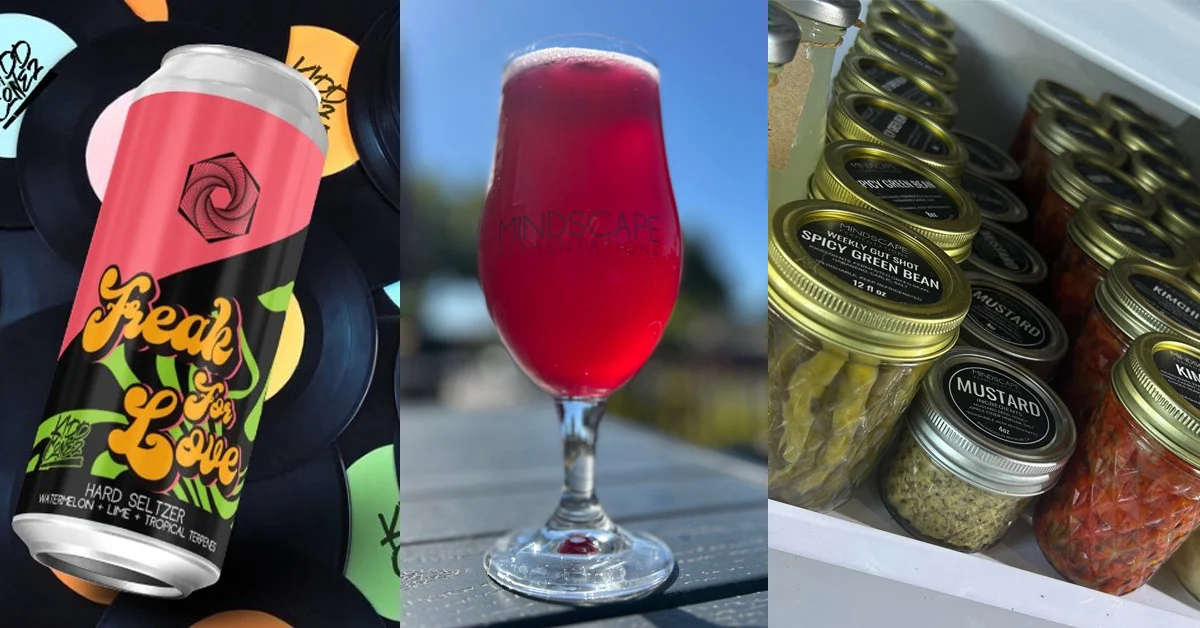
The modern brewery is undergoing a fundamental transformation, evolving from a strictly industrial production facility into a multifaceted community anchor. For decades, the craft beer movement was defined by the expansion of the taproom—a space where consumers could enjoy a pint at the source. However, as the global economic climate shifts and market saturation increases, the traditional brewery model is being challenged. To remain viable and relevant, a new generation of brewers is redefining the parameters of the industry, moving beyond the beverage itself to embrace communal ownership, diverse fermentation sciences, and the "third place" social philosophy.
This evolution comes at a critical juncture for the industry. According to data from the Brewers Association and various European trade bodies, breweries are facing a "perfect storm" of rising input costs—including malt, glass, and CO2—alongside shifting consumer preferences among younger demographics who increasingly prioritize variety and wellness over brand loyalty. In response, the industry is seeing a pivot toward radical collaboration and conceptual diversification.
The Rise of the Third Place and the Collective Model
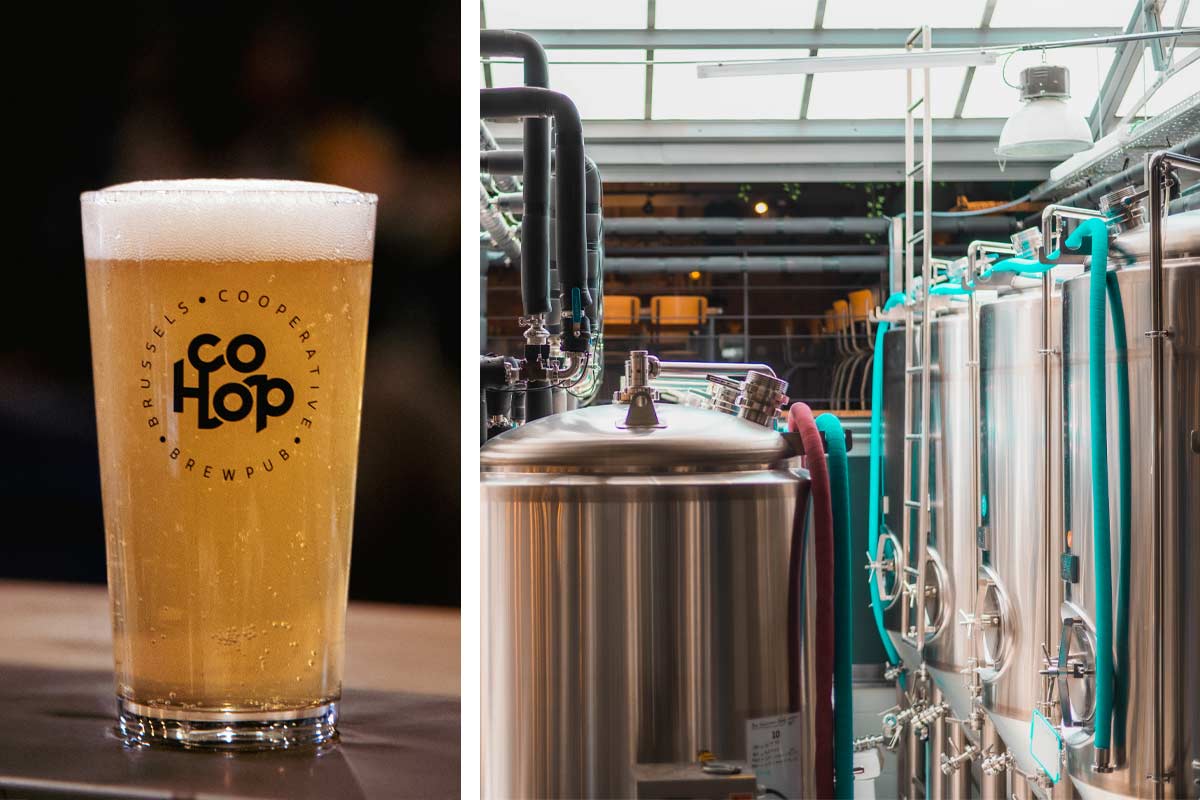
The concept of the "third place"—a social environment distinct from the two usual social environments of home ("first place") and the workplace ("second place")—has become the cornerstone of new brewery developments. In the Alsace region of France, Brasserie Les Semblables exemplifies this shift. Founded by Eliott Pernelle and Etienne Voinson, the brewery was established not in an isolated industrial park, but within a tiers-lieu (third place) known as Oasis Multikulti.
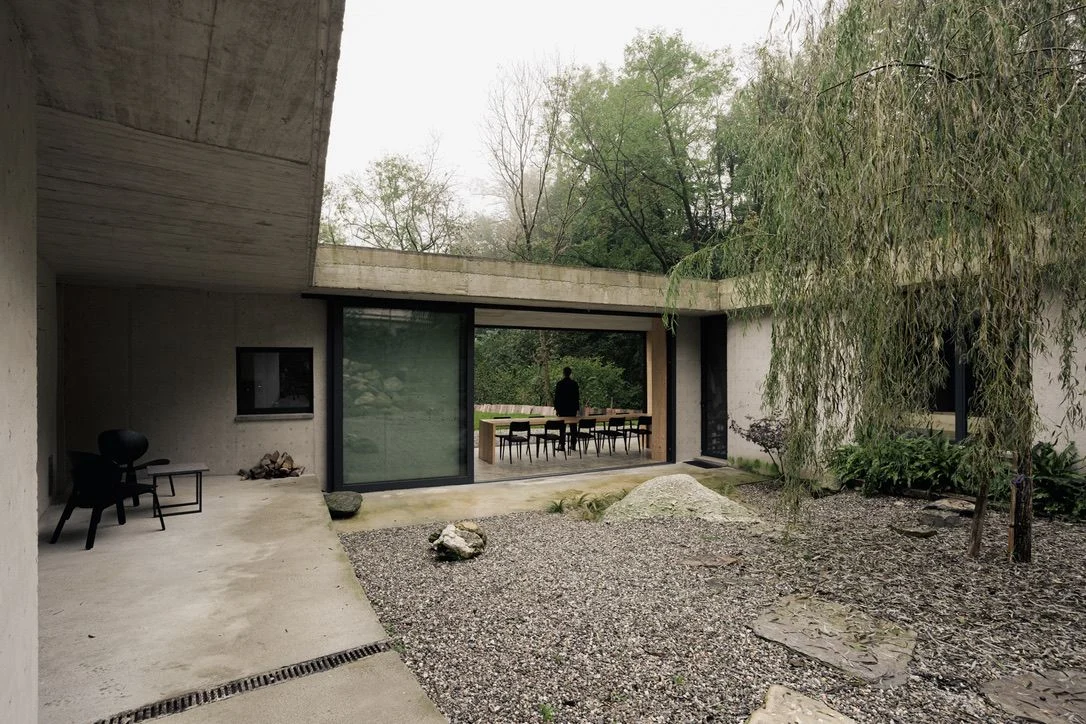
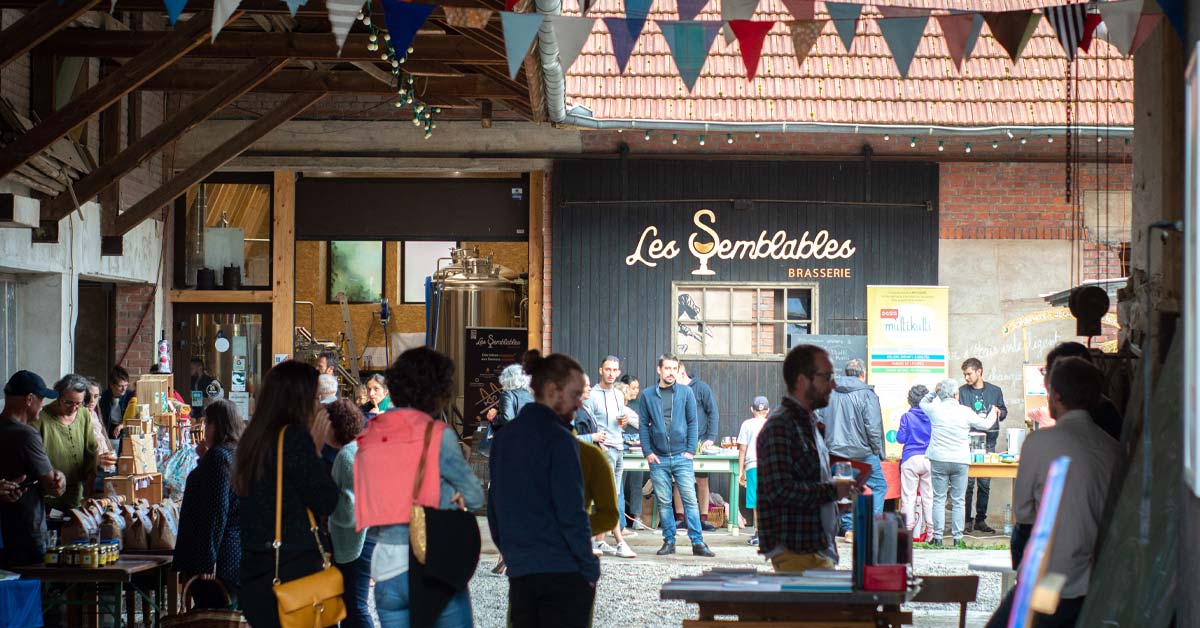
Settled on a historic farm in the village of Mietesheim, Oasis Multikulti operates as a volunteer-run collective that hosts a community garden, a farmer’s market, and various educational workshops ranging from pottery to linguistics. By integrating their production facility into an existing social ecosystem, Pernelle and Voinson bypassed the traditional hurdles of brand-building from scratch. The brewery benefits from an established footfall of visitors who may have originally arrived for a knitting class or fresh produce but remain for a locally brewed ale.
However, the collective model demands a level of civic engagement rarely seen in traditional business structures. To maintain their standing within the tiers-lieu, the brewers at Les Semblables contribute as volunteers, managing social media and supporting the association’s broader cultural goals. This symbiotic relationship suggests a future where breweries are not merely tenants in a neighborhood but active participants in its social fabric, trading labor and expertise for community integration and reduced marketing overheads.
Historical Precedents and the Modern Cooperative
The movement toward shared spaces is not entirely a modern invention; it draws heavily from European traditions that have recently gained renewed recognition. In Northern Bavaria, the tradition of Zoiglbier has persisted for centuries. This communal brewing practice involves non-professional brewers sharing a central, town-owned brewhouse. The cultural significance of this practice was formally recognized in 2018 when UNESCO added the Upper Palatinate Zoigl culture to its list of Intangible Cultural Heritage.
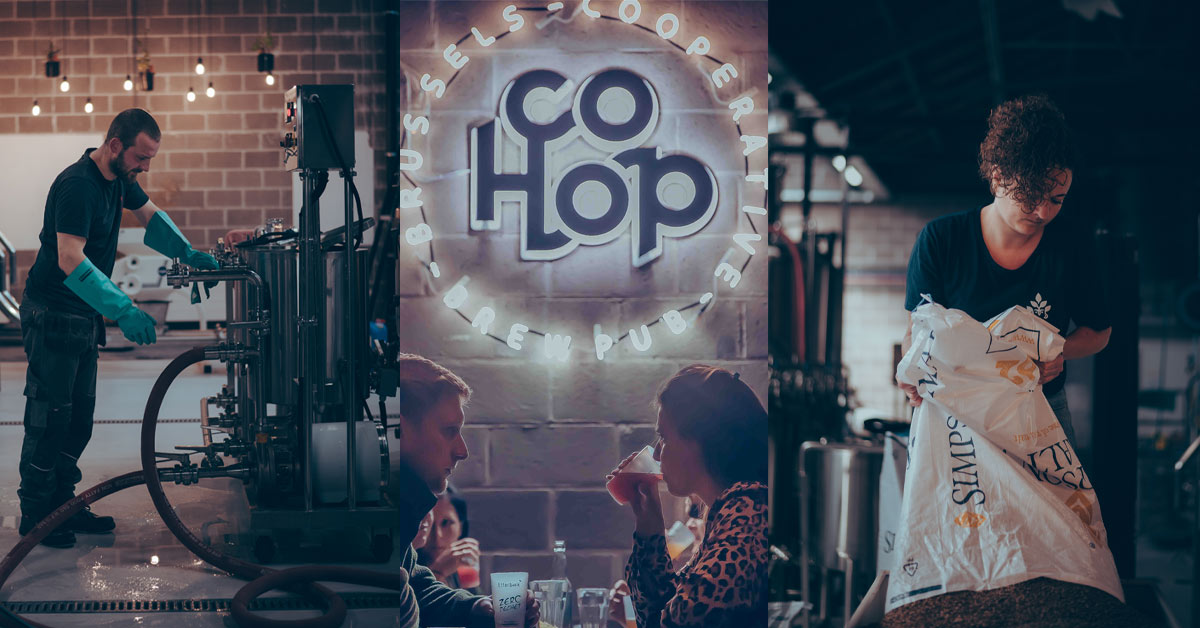
In Brussels, this historical concept has been modernized through the CoHop project. Founded in 2021 by Thomas Detourbe and currently coordinated by Rémi Pequin, CoHop serves as a shared production hub for five distinct microbreweries: La Bagarre, Janine, 1Bière 2Tartines, Brasserie Witloof, and most recently, La Flaque, which joined in 2025.
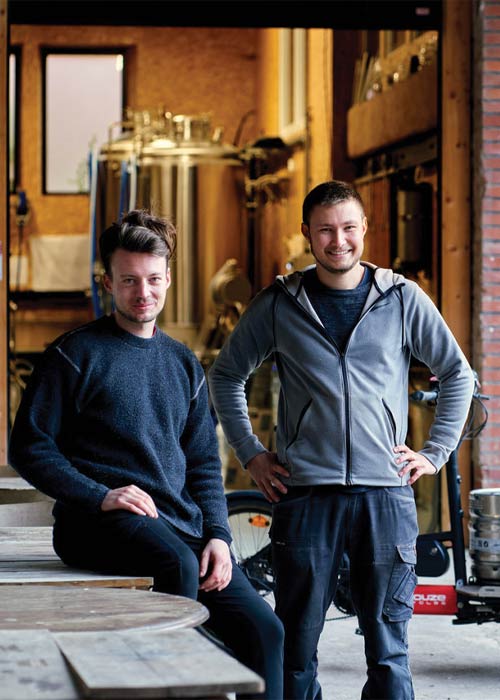
The rationale behind CoHop is primarily economic. By sharing a single high-specification brewhouse, five separate entities can split the costs of rent, utilities, and expensive machinery. This cooperative approach also offers environmental advantages, as the consolidated footprint of one shared facility is significantly lower than five independent operations. Operationally, the breweries divide administrative and logistical duties—one manages the brewing schedule, another handles raw material procurement, and a third oversees equipment maintenance. Despite the shared infrastructure, each brand maintains its unique identity, recipes, and brewing staff, proving that economic collectivism does not have to result in a loss of creative diversity.
Data and Economic Drivers of Change
The shift toward these unconventional models is driven by stark economic realities. Between 2021 and 2024, the global brewing industry saw energy prices fluctuate wildly, while the price of malting barley reached historic highs due to geopolitical instability and climate-related crop failures. In the United States, while the total number of breweries reached an all-time high of nearly 10,000 in 2023, the growth rate of craft beer sales has flattened.
Furthermore, the "No-and-Low" (NA/LO) alcohol market is projected to grow at a compound annual growth rate (CAGR) of over 7% through 2030. This data suggests that breweries relying solely on traditional high-alcohol beer styles are at risk. The transition toward becoming a "fermentory" or "fermentorium" is a strategic response to these market signals. By diversifying into kombucha, cider, seltzers, and fermented foods, businesses can hedge against the potential decline of traditional beer consumption.
The Fermentory: Broadening the Scientific Scope
A growing number of establishments are rebranding themselves to emphasize the broader science of fermentation rather than just the act of brewing beer. This conceptual shift allows for greater experimentation and attracts a wider demographic.
In Rocklin, California, Lauren Price and Lauren Houston, co-founders of Mindscape Fermentations, have consciously moved away from the "brewery" label. By defining their space as a fermentorium, they have created a platform for educating the public on the diverse applications of yeast and bacteria. Their portfolio includes not only beer but also kombucha, seltzers, and fermented food products.
This diversification has had a measurable impact on their clientele. Houston notes that their focus on fermentation as a health-conscious and sustainable craft has attracted a demographic that is roughly 50% female—a significant departure from the male-dominated crowds typical of traditional American craft breweries. This inclusive atmosphere is bolstered by a focus on education, where staff spend time explaining the nuances of different fermentation processes, effectively turning a retail transaction into a cultural experience.
Other notable examples of this trend include:
- Fermentery Form (Philadelphia): Utilizing winemaking techniques and the Solera system—a process of fractional blending—to create complex, aged beers.
- L’Annexe (Belgium): A "brasserie-fermenterie" that integrates botanical elements and flowers into various fermented beverages.
- The Fermentorium (Wisconsin): Offering a wide spectrum of fermented products, including apple ales and traditional ciders, to ensure a broader market reach.
Analysis of Implications for the Global Industry
The evolution of these "beyond-brewery" concepts suggests several long-term implications for the hospitality and beverage sectors.
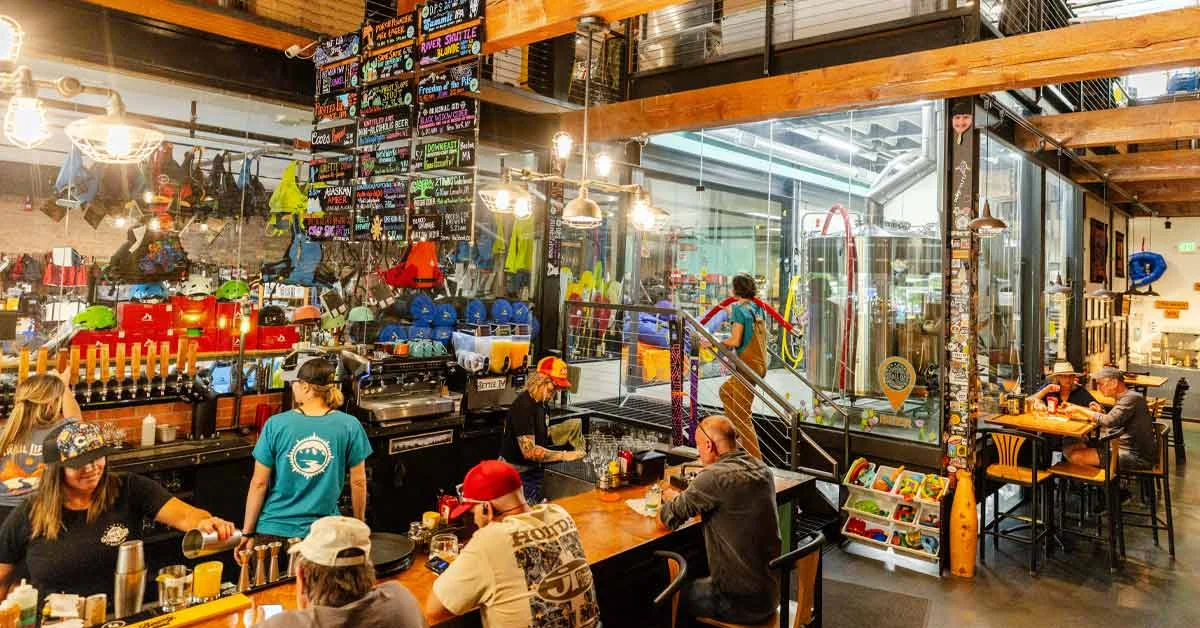
First, the "Third Place" model indicates that future breweries may need to be multi-revenue stream businesses. A facility that functions as a coffee shop by morning, a workspace by afternoon, and a taproom by evening is more resilient to economic downturns than a business that only operates during traditional bar hours.
Second, the cooperative brewing model seen in Brussels provides a blueprint for urban brewing. As real estate prices in major cities continue to climb, the ability to share costs while maintaining brand autonomy may be the only way for small-scale artisanal producers to survive in high-cost environments.
Finally, the shift toward fermentation as a whole signals a move toward "functional" beverages. As consumers become more health-conscious, the probiotic benefits of kombucha and the lower calorie counts of fermented seltzers offer a growth path that beer alone may no longer provide.
Conclusion
The traditional brewery is not disappearing, but it is being redefined. Whether through the communal spirit of the French tiers-lieu, the economic efficiency of the Belgian cooperative, or the scientific curiosity of the American fermentorium, the industry is moving toward a more integrated and diversified future. By embracing the roles of community organizer, educator, and master of all things fermented, brewers are ensuring their place at the heart of the modern social landscape. As Rémi Pequin of CoHop aptly summarized, the challenges of the current economic climate make the solitary path increasingly difficult to justify. The future of the industry, it seems, lies in the power of the collective and the versatility of the fermenter.