admin
admin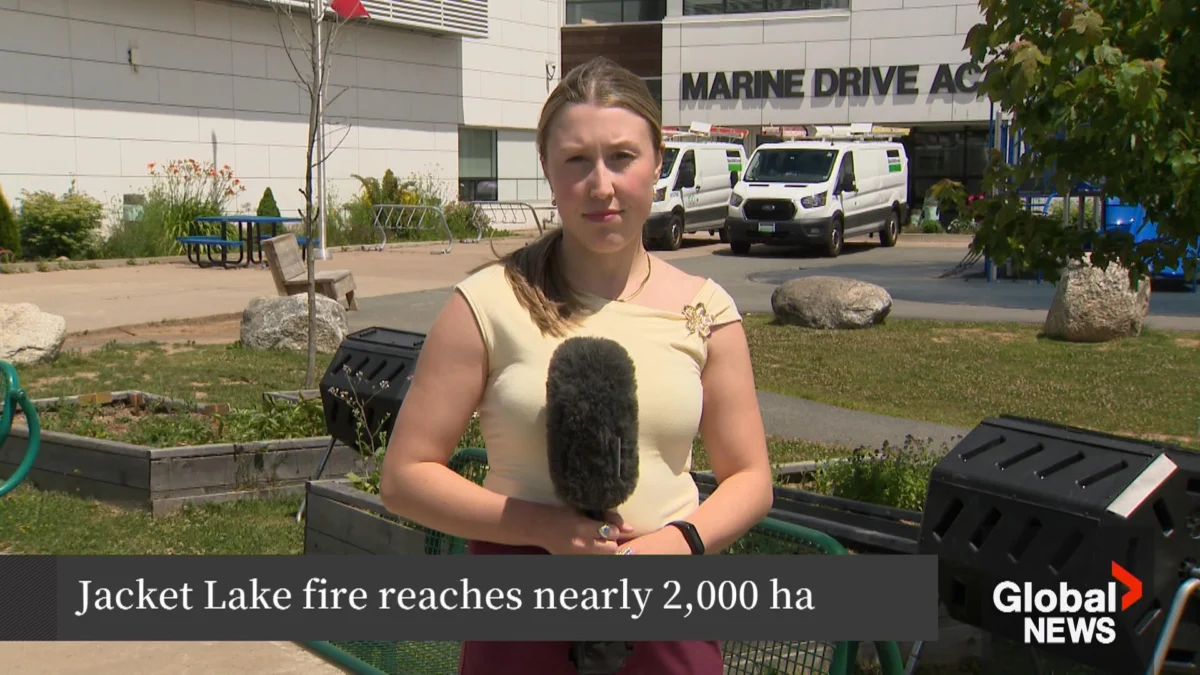
Crews in Nova Scotia are engaged in an intensive battle against an out-of-control wildfire burning northeast of Halifax, with the blaze, located on Mooseland Road, now estimated at nearly 14 square kilometres in size as of Saturday morning, July 18, 2026. This revised estimate, down from the 17 square kilometres reported on Friday, follows more precise mapping efforts by the province’s Natural Resources Department, which clarified that bodies of water and previously unburned pockets within the fire perimeter have been excluded from the total area. The significant fire has necessitated mandatory evacuations for a portion of the rural Mooseland Road area, affecting an estimated 100 to 150 residents, while a substantial contingent of aerial and ground resources, including inter-provincial aid, works tirelessly to contain the blaze that ignited on Wednesday night.
Escalation and Chronology of the Jacket Lake Wildfire
The wildfire, now widely referred to as the Jacket Lake fire due to its proximity to the eponymous lake system, first flared up late Wednesday evening, July 15, 2026. The initial reports from residents in the sparsely populated Mooseland Road area pointed to a rapidly spreading brush fire, fueled by dry conditions and prevailing winds. By Thursday morning, July 16, the scale of the threat became apparent, prompting Halifax Regional Fire and Emergency to issue a mandatory evacuation order for specific sections of Mooseland Road. This swift action aimed to ensure the safety of residents as the fire continued its aggressive expansion. Evacuees were directed to designated reception centres, where emergency services and volunteers offered support and temporary accommodation.
Throughout Thursday and into Friday, the fire’s perimeter expanded considerably, with initial aerial assessments on Friday, July 17, suggesting a size of approximately 17 square kilometres. This rapid growth highlighted the challenging conditions faced by firefighters, including dense forest fuels and the remote, rugged terrain characteristic of Nova Scotia’s eastern shore. The Nova Scotia Department of Natural Resources and Renewables (NSDNRR), the lead agency in provincial wildfire response, immediately deployed its full complement of available resources, including ground crews and initial aerial support.
The morning of Saturday, July 18, brought a clearer, albeit still concerning, picture. Advanced mapping technologies, including GPS-enabled drones and updated satellite imagery, allowed fire officials to refine the estimated size of the burn area. "Our updated mapping provides a more accurate representation of the actively burned area, excluding unburned islands and water bodies within the fire’s overall perimeter," explained Sarah MacLellan, a spokesperson for the Nova Scotia Department of Natural Resources and Renewables, in a press briefing earlier today. "This adjustment is a standard procedure in large-scale wildfire incidents to give a true indication of the impact and the area requiring suppression efforts." Despite the slight reduction in the estimated size, the fire remains a significant and uncontrolled threat.

Intensive Firefighting Operations and Inter-Provincial Cooperation
The battle against the Jacket Lake wildfire is a multi-faceted operation involving extensive aerial and ground resources. Nova Scotia has deployed a robust fleet of firefighting aircraft, including two helicopters capable of precision water drops and four fixed-wing water bombers, which are crucial for laying down fire retardant lines and dousing hot spots from above. These provincial assets have been working in continuous rotation since the fire’s inception, focusing on strategic points to prevent further spread towards residential areas and critical infrastructure.
In a testament to the collaborative spirit of Canadian emergency response, two additional fixed-wing water bombers from Newfoundland and Labrador have joined the fight. This inter-provincial assistance is critical, providing much-needed additional capacity to an already stretched provincial response. "The support from our colleagues in Newfoundland and Labrador is invaluable," stated Chief David Smith of Halifax Regional Fire and Emergency. "Wildfires don’t respect provincial borders, and neither does our commitment to protecting communities. These additional air assets significantly enhance our ability to combat this aggressive fire." The coordinated aerial attacks aim to cool the fire’s edge, create breaks in the fuel load, and protect structures.
On the ground, dozens of experienced wildfire crews, comprising both provincial firefighters and local volunteer fire departments, are working in challenging conditions. Equipped with hoses, hand tools, and heavy machinery, these crews are establishing containment lines, extinguishing smaller fires, and monitoring fire behavior. The terrain, characterized by thick forests, bogs, and uneven ground, presents significant obstacles, making manual suppression efforts arduous and time-consuming. Smoke plumes from the fire have been visible for many kilometres, posing air quality concerns and complicating aerial operations.
Impact on Evacuated Residents and Community Resilience
The mandatory evacuation order has profoundly impacted the approximately 100 to 150 residents of Mooseland Road. Forced to leave their homes with little notice, many have sought refuge with family and friends, while others are being accommodated in temporary shelters established by the Canadian Red Cross and local authorities. The emotional toll on these individuals is immense, marked by uncertainty, anxiety, and the fear of potential property loss.

"It all happened so fast," recounted Brenda Peterson, an evacuated resident who has lived on Mooseland Road for over three decades. "One minute you’re going about your evening, the next you hear sirens and are told to pack what you can. My biggest worry is for my home, but also for my neighbours. We’re a tight-knit community out here." Such sentiments underscore the deep connection residents have to their rural properties and the profound disruption caused by such events. Community support networks have quickly mobilized, with local businesses and volunteers offering food, supplies, and comfort to those displaced. Emergency officials are working to provide regular updates to evacuees, understanding that clear communication is vital during times of crisis.
Broader Context: Nova Scotia’s Wildfire Season and Climate Change Implications
The Jacket Lake wildfire is not an isolated incident but rather a stark reminder of the increasing vulnerability of Nova Scotia and other Canadian provinces to intense wildfire seasons. While the exact cause of this particular fire remains under investigation, the prevailing conditions—dry forest fuels, low humidity, and periods of strong winds—are typical accelerators of wildfire activity. Nova Scotia experienced a historically devastating wildfire season in 2023, which saw thousands evacuated and significant property damage, serving as a grim precedent and a catalyst for enhanced preparedness.
Experts point to the broader trend of climate change as a significant factor contributing to more frequent and severe wildfires. Warmer temperatures lead to longer dry spells, creating a larger window for fires to ignite and spread rapidly. "We are seeing a clear pattern of extended wildfire seasons and more extreme fire behavior across Canada," noted Dr. Emily Carter, a climatologist at Dalhousie University, commenting on the general trend. "While individual fires have local causes, the underlying climatic conditions are creating a ‘new normal’ where these events are becoming more intense and harder to control. This necessitates ongoing investment in both suppression capabilities and proactive forest management strategies."
The provincial government has invested in upgrading firefighting equipment, training personnel, and enhancing early detection systems in the wake of previous challenging seasons. However, the sheer scale and intensity of fires like the Jacket Lake incident continue to test these capacities, emphasizing the need for continuous adaptation and resource allocation.
Environmental and Economic Repercussions

Beyond the immediate threat to human life and property, the Jacket Lake wildfire carries significant environmental and economic implications. The destruction of nearly 14 square kilometres of forest directly impacts biodiversity, destroying habitats for numerous wildlife species, including migratory birds, mammals, and insects. The long-term ecological recovery of the affected area will be a slow process, potentially taking decades for some ecosystems to fully regenerate.
Economically, the wildfire poses a threat to the region’s forestry sector, although the specific impact on timber resources is yet to be fully assessed. The costs associated with firefighting operations, including personnel, equipment, and inter-provincial aid, are substantial, placing a considerable burden on provincial budgets. Furthermore, air quality degradation due to smoke can have public health implications, leading to respiratory issues and advising vulnerable populations to remain indoors. Tourism, a vital industry for Nova Scotia, could also experience short-term setbacks if prolonged wildfire activity creates a perception of risk or affects access to natural areas.
Ongoing Efforts and Future Outlook
As of Saturday afternoon, crews remain fully engaged in the fight against the Jacket Lake wildfire. Officials from the Natural Resources Department are expected to provide another update later today, detailing any progress in containment and revised assessments of the situation. The immediate focus remains on containing the fire, protecting lives, and minimizing property damage.
Looking ahead, the incident underscores the critical importance of public awareness and adherence to fire safety regulations, particularly during periods of high fire risk. Nova Scotia’s dry conditions and forested landscapes will continue to make it vulnerable to wildfires. Proactive measures such as controlled burns, community fire breaks, and stringent restrictions on open fires are essential components of a comprehensive wildfire management strategy. The Jacket Lake wildfire serves as a potent reminder of the destructive power of nature and the unwavering dedication of those who stand on the front lines to protect communities and natural environments. The province, supported by its neighbours, remains committed to bringing this significant blaze under control and assisting affected residents in their recovery.