Jia Lissa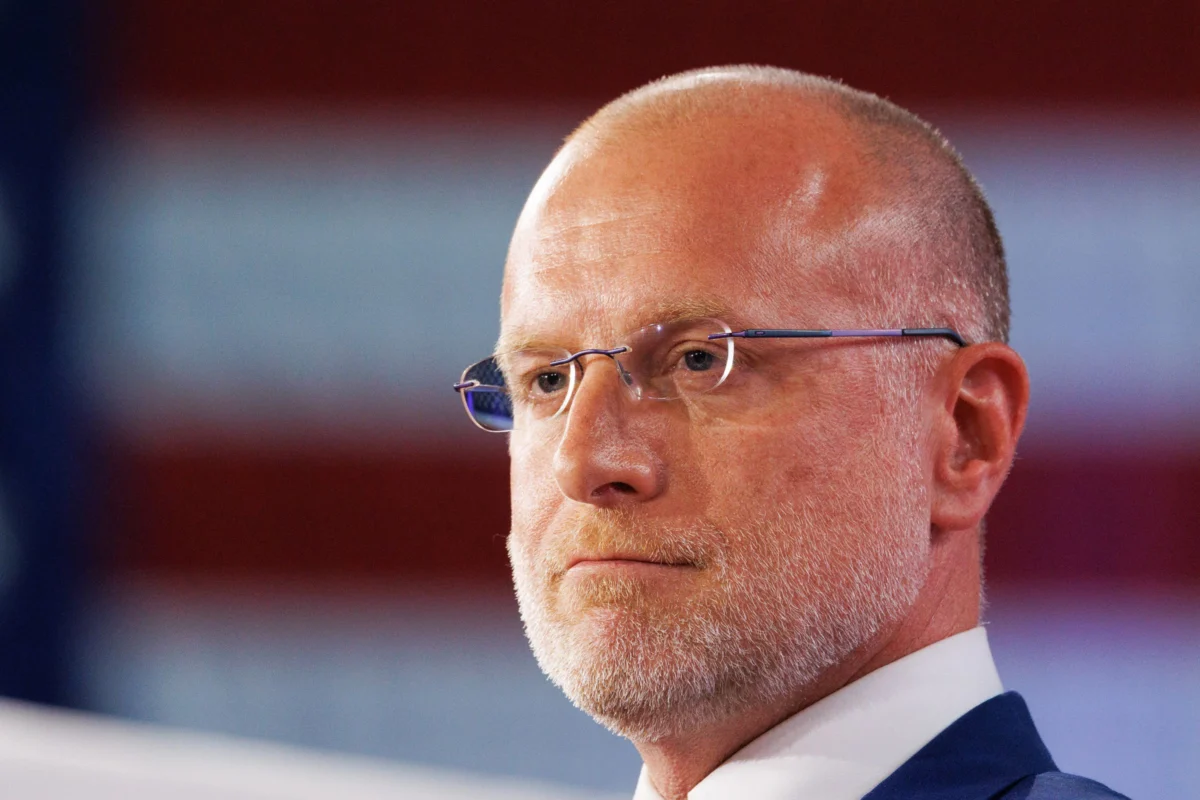
The correspondence reveals a sophisticated maneuver by the Center for American Rights (CAR), which routed its formal complaint directly to Chairman Brendan Carr’s senior counsel, bypassing the conventional review process typically handled by career staff within the agency’s consumer affairs division. This expedited access and the subsequent actions taken by the FCC have ignited a fierce debate about regulatory impartiality, media freedom, and the politicization of federal agencies.
Unveiling the Direct Channel: Bypassing Standard Procedures
The conventional pathway for public complaints to the FCC involves submission through its general consumer complaints portal, where they are typically logged, reviewed by dedicated consumer affairs staff, and then assessed for merit and regulatory jurisdiction. This process is designed to ensure equitable treatment of all complaints and to prevent undue influence from any single entity. However, the emails obtained by WIRED detail how Daniel Suhr, president of CAR and a former policy director for Wisconsin Governor Scott Walker, maintained a direct line of communication with Chairman Carr’s senior legal advisers.
This direct conduit allowed CAR to send its September complaint against Kimmel and ABC directly to Erin Boone, Carr’s senior counsel for media and enforcement, and Katie McAuliffe, the chairman’s policy adviser. The email, addressed to "Dear Erin and Katie," included a 12-page filing and five exhibits of opposition research, along with the ticket number from the public complaint system, ensuring easy retrieval by Carr’s office. This dual submission—via the public portal and direct email to top aides—suggests a deliberate strategy to ensure the complaint received immediate and high-level attention. Boone, notably, also served as the acting chief of the media bureau, the division holding direct jurisdiction over broadcast television and radio licensing, further underscoring the strategic importance of this direct access. Internal FCC instructions reportedly mandated that CAR’s complaints be routed directly to Boone, signaling a pre-existing arrangement that facilitated the group’s influence.
The Genesis of a Complaint: Targeting Kimmel and "News Distortion"
The specific complaint against Jimmy Kimmel emerged shortly after Chairman Carr made pointed remarks on a conservative podcast in September, discussing a Kimmel monologue that touched upon the killing of Charlie Kirk. Carr, in a statement that garnered significant attention, suggested that ABC affiliates could face regulatory scrutiny if they did not take action regarding Kimmel’s content. He famously stated, “We can do this the easy way or the hard way. These companies can find ways to take action on Kimmel, or there is going to be additional work for the FCC ahead.” This statement was widely interpreted as a clear warning shot to broadcasters and a potential precursor to regulatory action.
Kimmel was briefly suspended in September following these threats from the FCC, an action that drew immediate condemnation from press freedom advocates and First Amendment scholars alike. The core of CAR’s complaint, and a recurring theme in its advocacy, revolves around the concept of "news distortion." Suhr and CAR argue that broadcasters are failing their public interest obligations under the Communications Act by, among other things, presenting what they deem as politically biased content, particularly from Democratic-leaning late-night shows. Suhr asserts that the news distortion standard encompasses not only literal falsehoods but also content that misleads viewers, pointing to a 2018 letter from Senate Democrats urging the FCC to investigate Sinclair for news distortion as precedent for even-handed enforcement. This interpretation of "news distortion" is highly controversial, particularly when applied to satirical or comedic commentary, which typically enjoys robust First Amendment protections.
Chairman Carr’s Stance and the "Hard Way" Warning
Chairman Brendan Carr’s proactive stance on broadcast content and his willingness to engage with groups like CAR mark a significant departure from previous FCC leadership. His comments on the conservative podcast were not merely an off-the-cuff remark but rather a clear articulation of a regulatory philosophy that views certain types of broadcast content as potentially violating public interest standards. The "easy way or the hard way" ultimatum suggested a willingness to use the FCC’s enforcement powers to influence content decisions at major networks.
This approach contrasts sharply with that of his predecessor, Jessica Rosenworcel, who had previously dismissed three earlier complaints from CAR against ABC, CBS, and NBC stations, deeming them “at odds with the First Amendment.” Shortly after taking office, Carr reinstated these previously dismissed complaints, signaling a readiness to reconsider and potentially act upon grievances that had been previously deemed constitutionally problematic. This reinstatement of complaints, coupled with his public statements and the expedited handling of the Kimmel complaint, paints a picture of a chairman keen to leverage the FCC’s regulatory authority to address perceived imbalances in broadcast media, particularly those that align with criticisms often voiced by conservative political figures, including former President Donald Trump.
The Center for American Rights: A Profile in Advocacy
The Center for American Rights (CAR) presents itself as a legal group committed to upholding conservative principles and ensuring media accountability. Led by Daniel Suhr, who brings a background in conservative policy and state-level governance, CAR has positioned itself as a vocal critic of what it perceives as liberal bias and "news distortion" in mainstream broadcast media. Its filings often echo criticisms of the press frequently articulated by figures like former President Donald Trump, suggesting a strategic alignment with a broader political movement seeking to challenge established media narratives.
CAR’s consistent focus on major broadcast networks—ABC, CBS, and NBC—and its sustained efforts to influence FCC proceedings demonstrate a long-term strategy. Suhr has openly stated his ambition for "conservative dominance over American broadcasting," a goal he confirmed when asked in an interview whether that was the outcome he sought. This transparency about its objectives, combined with its demonstrated access to high-level FCC officials, positions CAR as a significant player in the ongoing debates over media regulation and content control in the United States. The group’s extensive prior research on news distortion, Kimmel, and late-night television, as claimed by Suhr, underscores a methodical approach to identifying and challenging broadcast content it deems problematic.
A Chronology of Accelerated Action and Influence
The timeline of CAR’s activities and their impact on FCC proceedings reveals a pattern of persistent advocacy and growing influence:
- Pre-Carr Era: Jessica Rosenworcel, Carr’s predecessor, dismisses three CAR complaints against ABC, CBS, and NBC stations, citing First Amendment conflicts.
- Carr’s Appointment: Upon taking office, Chairman Brendan Carr reinstates these previously dismissed CAR complaints, signaling a shift in regulatory posture.
- Ongoing Engagement: For months leading up to September, internal emails indicate CAR supplied Carr’s office with a steady stream of legal theories designed to challenge major broadcast networks, often those that had drawn the ire of the Trump administration.
- September Podcast: Chairman Carr makes public remarks on a conservative podcast, issuing a warning to ABC affiliates regarding Jimmy Kimmel’s content, suggesting regulatory action if internal steps are not taken.
- September 4: Daniel Suhr of CAR files an initial complaint against Kimmel through the FCC’s public portal. Simultaneously, he sends the complaint directly to Erin Boone and Katie McAuliffe in Carr’s office, along with supplementary research and the public complaint ticket number, ensuring immediate high-level attention.
- September (Undisclosed Date): Jimmy Kimmel is briefly suspended following the FCC threats, drawing widespread criticism.
- July 2025: CAR’s complaint against CBS over a 60 Minutes interview with Kamala Harris is confirmed to have influenced the FCC’s review of the Paramount-Skydance merger. The merger is cleared after Skydance commits to installing a conservative ombudsman at CBS News, a direct outcome linked to CAR’s advocacy.
This chronology illustrates how CAR’s efforts, amplified by direct access to the Chairman’s office, have not only accelerated specific complaints but have also demonstrably influenced significant regulatory outcomes, impacting corporate mergers and the internal governance of major news organizations.
Regulatory Precedent: The Paramount-Skydance Merger
Perhaps the most concrete example of CAR’s influence emerged in July 2025 with the clearance of the Paramount-Skydance merger. Records indicate that CAR’s complaint against CBS, stemming from a 60 Minutes interview with then-Vice President Kamala Harris, became a critical point of leverage during the FCC’s review of the multi-billion-dollar corporate transaction. Mergers of this scale typically undergo rigorous scrutiny by federal regulators, including the FCC, to ensure they serve the public interest and comply with existing media ownership rules.
In an unprecedented move, Skydance, as part of the conditions for merger approval, committed to installing a "conservative ombudsman" at CBS News. This commitment was explicitly linked to appeasing concerns, including those raised by CAR, about perceived liberal bias in CBS’s reporting. The establishment of an ideologically specific internal oversight position within a major news organization, mandated as a condition of a federal merger approval, represents a profound shift in regulatory practice and raises significant questions about editorial independence and the potential for government-backed ideological influence over news content. This outcome solidified CAR’s role as a potent force capable of shaping not just individual content decisions but also the structural governance of media entities.
Defense and Dissent: CAR’s Perspective and Broader Context
Reached for comment, Daniel Suhr maintains that CAR operates in full compliance with all FCC rules regarding public comments and ex parte meetings. He asserts that their initial September complaint was indeed filed through the agency’s consumer complaints portal, with relevant staff copied, and that the supplemental filing came together quickly after Carr’s podcast appearance because the group had already conducted extensive prior research on news distortion, Kimmel, and late-night television, without advance notice of the chairman’s remarks. Suhr emphasizes that CAR is merely advocating for "evenhanded enforcement of the public interest standard" under the Communications Act, arguing that broadcasters, particularly those with a perceived Democratic leaning in late-night programming, are failing their obligations amidst a general decline in trust in national news.
However, critics argue that the very concept of "news distortion" as applied to political commentary and satire is a dangerous path for a federal agency to tread. The FCC’s historical role has been to regulate technical aspects of broadcasting (spectrum, licensing, indecency standards for specific hours), not to adjudicate the political slant or perceived fairness of news and opinion content. The "Fairness Doctrine," which required broadcasters to present controversial issues of public importance in a manner that was honest, equitable, and balanced, was abolished in 1987, largely due to concerns about its chilling effect on free speech. Reintroducing similar subjective content-based regulations, even under a new guise, is seen by many as a direct threat to First Amendment protections.
First Amendment Concerns and Industry Reactions
The actions surrounding the Kimmel complaint and the broader influence of CAR have provoked strong reactions from various stakeholders. Press freedom advocates, including organizations dedicated to protecting journalists and media independence, have voiced deep concerns. They argue that the FCC’s apparent willingness to entertain politically motivated complaints and to use regulatory threats against satirical content creates a "chilling effect" on speech. This chilling effect could lead broadcasters to self-censor, fearing punitive action from a federal agency, thereby undermining the diversity of voices and opinions essential for a robust democracy.
First Amendment scholars have also weighed in, many expressing alarm over what they perceive as an overreach of regulatory authority. They contend that the FCC, as an executive branch agency, should not be in the business of dictating or even subtly influencing the political content of broadcast programming, especially when it comes to commentary and satire, which are highly protected forms of speech. The threats against Kimmel, followed by his brief suspension, are viewed as a direct challenge to the bedrock principles of free expression. While ABC and Disney did not immediately issue a public statement directly on the internal emails, the broader media industry is likely watching these developments closely, recognizing the potential precedent for future content regulation and the erosion of editorial autonomy.
The FCC’s Mandate and the Public Interest Standard
At the heart of this controversy lies the FCC’s foundational mandate: to regulate interstate and international communications by radio, television, wire, satellite, and cable in the public interest. The "public interest" standard, enshrined in the Communications Act of 1934, is broad and subject to interpretation. Historically, it has been invoked to ensure local programming, children’s educational content, and diversity of ownership. However, its application to the political content or perceived bias of news and commentary has always been fraught with constitutional challenges.
The tension between the FCC’s regulatory authority and the First Amendment’s protections for free speech is a perennial one. While the government has a legitimate interest in ensuring a fair and efficient broadcasting system, that interest has traditionally been balanced against the imperative to avoid government censorship or viewpoint discrimination. The current developments suggest a potential reinterpretation of the "public interest" standard, one that could empower the FCC to play a more active role in shaping the ideological landscape of broadcast media, moving beyond technical regulation into content oversight.
Implications for Media Freedom and Regulatory Integrity
The direct access afforded to the Center for American Rights and the subsequent regulatory actions taken by Chairman Carr’s office carry significant implications for the future of media freedom and the integrity of federal regulatory processes.
Firstly, the apparent circumvention of standard complaint review procedures raises serious questions about transparency and fairness at the FCC. If special access can expedite complaints from politically aligned groups, it undermines the principle of equal treatment for all stakeholders and opens the door to perceptions of politicized enforcement.
Secondly, the targeting of a late-night comedian and the successful imposition of an ideological ombudsman as a merger condition send a clear message to broadcasters: content deemed politically undesirable by certain groups, particularly those with direct lines to regulators, could lead to adverse consequences. This fosters a climate of self-censorship and could stifle the very critical, diverse, and sometimes uncomfortable commentary that is vital for a healthy public discourse.
Finally, the broader debate over "news distortion" versus editorial independence threatens to redefine the boundaries of media regulation. If federal agencies begin to actively police the ideological slant of news and opinion, it could fundamentally alter the relationship between government and the press, shifting it from one of oversight to one of active content management. The precedent set by these events could embolden future administrations or politically motivated groups to use regulatory bodies to shape media narratives, ultimately diminishing the independence and vitality of American journalism. The FCC did not immediately respond to a request for comment, leaving many questions unanswered about the future direction of media regulation under its current leadership.