admin
admin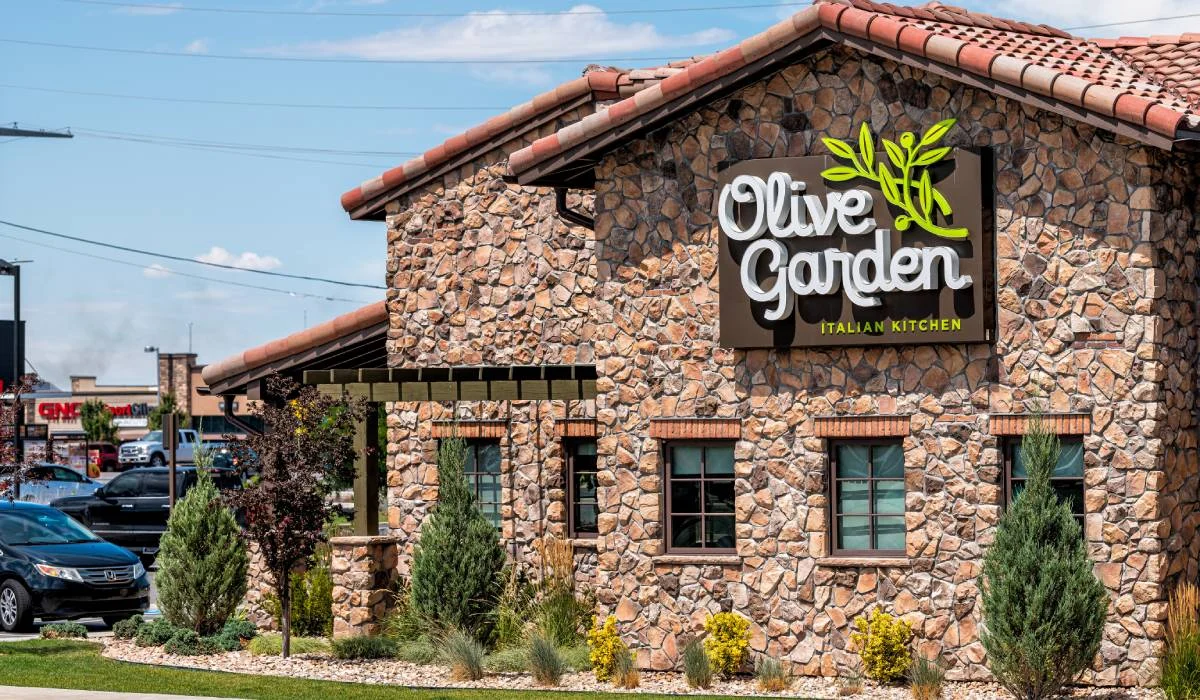
The American restaurant landscape in 2026 is defined by a rigorous consumer focus on fundamental reliability, with Olive Garden and McDonald’s maintaining their positions as the most considered brands in their respective categories. According to the 2026 U.S. Restaurant Brand Rankings released by YouGov, a global public opinion and data analytics firm, the intersection of value perception and quality remains the primary engine driving foot traffic and brand loyalty. The report, which synthesizes a year’s worth of consumer sentiment data, highlights a market where casual-dining and quick-service restaurant (QSR) chains are increasingly rewarded for consistent brand positioning and operational excellence.
Casual Dining: The Reign of Olive Garden and Texas Roadhouse
In the casual-dining segment, Olive Garden has secured its position as the most considered brand in the United States. The YouGov data indicates that 30.7 percent of U.S. adults would consider dining at Olive Garden when looking for a sit-down meal. This metric, known as the "Consideration Score," serves as a vital indicator of a brand’s market health and future revenue potential. Following closely behind Olive Garden are Texas Roadhouse and Applebee’s, completing a trio of legacy brands that have successfully navigated the shifting economic climate of the mid-2020s.
Olive Garden’s success is largely attributed to its dominance in value perception. Within the casual-dining peer group, the brand ranked number one for value, a testament to its long-standing marketing strategy centered on abundant portions and affordable entry points, such as its signature "Never Ending" promotions. Analysts suggest that Olive Garden’s ability to maintain this perception, even amidst fluctuating food supply costs, has allowed it to capture a significant share of middle-income households looking for a "safe bet" for family outings.
While Olive Garden leads in consideration and value, Texas Roadhouse has claimed the top spot for quality within the segment. The Kentucky-based steakhouse chain has built a reputation for high-quality cuts of meat and a vibrant atmosphere, which has resonated with consumers who are willing to trade up for a perceived premium experience. The dichotomy between Olive Garden’s value and Texas Roadhouse’s quality suggests a bifurcated consumer base: one that prioritizes the "deal" and another that prioritizes the "plate."
The Fast-Food Dominance: McDonald’s and the Frequency Factor
The 2026 report reaffirms that fast food remains the bedrock of American dining habits. Approximately two-thirds of Americans report purchasing fast food at least once a month, with a staggering 30 percent of the population doing so on a weekly basis. This high frequency of consumption makes the QSR sector the most competitive arena in the industry.
McDonald’s continues to be the most considered fast-food brand in the country. Nearly 40 percent of consumers surveyed stated they would consider purchasing from the Golden Arches. Despite facing criticism over price increases in previous years, the brand’s massive physical footprint and ubiquitous marketing have maintained its status as the default choice for millions. Chick-fil-A and Wendy’s rounded out the top three in consideration, reflecting a consumer preference for established, reliable menus.
However, the data reveals a complex relationship between reach and reputation. While McDonald’s leads in sheer consideration, Chick-fil-A continues to set the industry standard for quality perception. Ranking number one among all fast-food brands for quality, Chick-fil-A’s "service-first" model and consistent product output have created a "halo effect" that keeps consumer sentiment high despite its more limited operating hours compared to competitors.
Value Wars and the Rise of Sandwich Chains
As inflationary pressures from the 2024-2025 period began to stabilize, value emerged as the most influential factor for frequent fast-food diners. The YouGov report ranks Wendy’s as the top brand for value in the QSR space, followed by Taco Bell and Domino’s. These rankings indicate that consumers are highly sensitive to price-to-volume ratios and the effectiveness of digital app-based discounts.
The report also highlights the strong performance of sandwich-focused chains. Jersey Mike’s and Firehouse Subs have shown significant growth in quality perception, challenging the traditional dominance of burger-centric brands. In the specific category rankings, Subway remains the leader in the sandwich segment, leveraging its massive domestic presence and recent menu overhauls to stay relevant.
Other category leaders identified in the report include:
- Burgers: Five Guys (Top Quality/Brand Strength)
- Tacos and Burritos: Taco Bell (Market Share and Value Leader)
- Chicken: Chick-fil-A (Dominant in Quality and Consideration)
- Pizza: Pizza Hut (Leading in Brand Consideration)
- Fries: McDonald’s (Maintaining a clear lead over all competitors)
Specialty Dining: The Battle for the Morning Routine
In the specialty dining and coffee segment, the rivalry between Starbucks and Dunkin’ remains the central narrative. Both brands continue to dominate consumer consideration, effectively splitting the market based on brand identity and regional loyalty. Starbucks holds the lead in coffee quality perception, appealing to consumers who view their morning caffeine as a premium experience.
In the frozen dessert category, Cold Stone Creamery emerged as the top ice cream brand. This suggests that in the "treat" category, consumers are more likely to prioritize the "experience" of customization and premium ingredients over lower-priced grocery store alternatives.
Methodology and Chronology of the Study
The YouGov 2026 U.S. Restaurant Brand Rankings are based on a comprehensive data set collected between March 1, 2025, and February 28, 2026. The research firm utilized several of its proprietary tools—CategoryView, BrandIndex, and BrandIndex Voices—to gather insights from nationally representative samples of U.S. adults.
To ensure statistical significance, the rankings only included brands that had at least six months of tracked data and a minimum sample size of 300 respondents. The metrics used are defined as follows:
- Consideration Score: The percentage of consumers who would consider a brand for their next purchase.
- Quality and Value Scores: Net scores calculated by subtracting negative perceptions from positive perceptions.
- Frequency: Self-reported data on how often consumers visit specific segments.
This twelve-month window captures the transition of the U.S. economy into a period of more predictable consumer spending, following the volatility of the early 2020s.
Industry Implications: Fundamentals and Relevance
The findings of the report suggest that the "honeymoon phase" of post-pandemic experimental dining has ended, replaced by a return to routine and reliability. Ashley Brown, Senior Director at YouGov America, emphasized that the current winners in the restaurant space are those that have mastered the "fundamentals."
"Restaurant brands that succeed today are those that consistently deliver on value, quality, and a reliable customer experience—while also adapting to evolving consumer expectations," Brown stated. "What this data makes clear is that brand strength isn’t just about awareness or scale; it’s about relevance. Whether it’s McDonald’s maintaining broad appeal, Chick-fil-A excelling on quality, or Starbucks and Dunkin’ competing closely in specialty dining, the brands that win are those that understand exactly what matters most to their customers and deliver on it every day."
For industry analysts, the 2026 rankings underscore a shift toward "defensive dining." As consumers become more discerning with their discretionary income, they are less likely to take risks on unknown brands. This favors large-scale incumbents who can afford to invest in clean dining environments, advanced mobile loyalty programs, and aggressive value-based marketing.
Analysis of Future Trends
The YouGov report points toward several emerging trends that will likely shape the 2027 outlook. First, the importance of "clean dining environments" has risen to the second most influential factor for frequent diners, trailing only value and discounts. This suggests that operational hygiene is no longer just a background requirement but a front-facing competitive advantage.
Second, the data indicates that promotions and digital loyalty programs are becoming the primary drivers of "routine behavior." Brands that can successfully integrate their value propositions into a seamless mobile experience are seeing higher frequency scores. Taco Bell and Domino’s, both of which appear in the top three for value, have been noted by industry observers for their best-in-class digital ecosystems.
Finally, the report highlights a "quality gap" in the burger segment. While McDonald’s leads in reach, the high quality scores for Five Guys suggest there is still significant room for premium players to capture the "special occasion" fast-food market.
As the U.S. restaurant industry moves further into 2026, the brands that can balance the "Value-Quality-Routine" trifecta will be best positioned to weather any potential economic headwinds. For now, Olive Garden and McDonald’s remain the benchmarks for an industry that is increasingly focused on giving the American consumer exactly what they expect, every single time.