admin
admin
The San Francisco Peninsula is currently witnessing a significant transformation in its craft beverage landscape, moving beyond its historical reputation as a commuter corridor to become a premier destination for artisanal brewing. While San Francisco and the East Bay have long held the mantle of Northern California’s beer capitals, a thirty-mile stretch of San Mateo County along Highway 101—stretching from the transit hubs of Burlingame to the historic downtown of Redwood City—has quietly developed into a sophisticated "beer trail." This emergence is characterized by a blend of technical brewing innovation, the repurposing of industrial real estate, and a high-end culinary integration that reflects the region’s affluent and discerning demographic.
The Regional Shift in Craft Beverage Dynamics
Historically, the brewing industry in the Bay Area was concentrated in urban centers where industrial zoning and high foot traffic converged. However, as real estate prices in San Francisco escalated and the workforce began to distribute more evenly across the Peninsula, a vacuum was created for high-quality, local gathering spaces. This geographic shift has led to the establishment of breweries that function not just as production facilities, but as community anchors.
In San Mateo County, the development of this beer trail follows the Caltrain line, a critical piece of infrastructure that facilitates "transit-oriented imbibing." By positioning taprooms near commuting hubs, breweries have successfully tapped into a captive audience of professionals seeking a "third space" between the office and home. This phenomenon is most visible in Burlingame and Redwood City, where the proximity of world-class beer to rail transit has significantly bolstered the local evening economy.
Twelvemonth and the Intersection of Tech and Gastronomy
The trail begins in Burlingame at Twelvemonth, a venue that epitomizes the Peninsula’s unique intersection of the technology sector and the hospitality industry. Founded by former tech executive Bob Trahan, Twelvemonth represents a multi-million dollar investment in a former brewery space, reimagined as a plant-based restaurant, bakery, and high-capacity taproom.
The beverage program at Twelvemonth is a study in regional excellence. Rather than focusing solely on in-house production, the venue curates a "best of" list from Northern California’s most respected labels. This includes staples from the legendary Russian River Brewing Company, such as the internationally acclaimed Pliny the Elder, and the precise, European-inspired lagers of East Brother Beer Co. from Richmond. The inclusion of non-alcoholic options from Fort Point Beer Company highlights a growing industry trend toward inclusivity and "mindful drinking," catering to a demographic that values health-conscious choices alongside artisanal quality.
Industrial Revitalization: Alpha Acid Brewing Company
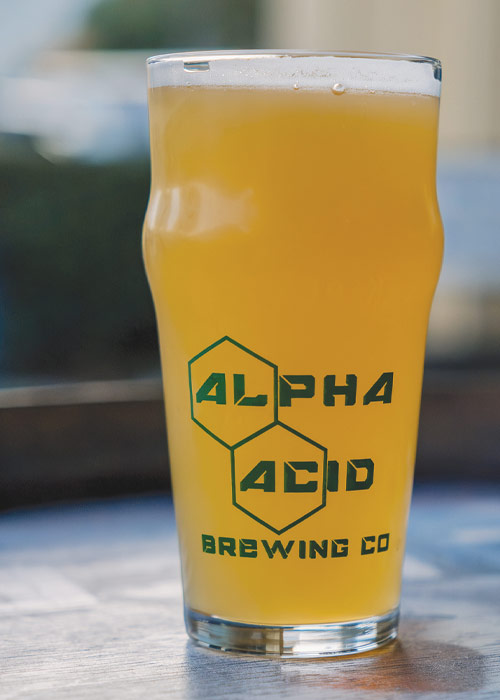
Moving south to Belmont, the brewing scene takes on a more industrial, "maker-space" aesthetic. Tucked into the Harbor Business Center, Alpha Acid Brewing Company has operated as a cornerstone of the Peninsula beer community since 2014. The brewery is a prime example of how small-scale manufacturing can revitalize underutilized industrial lots.
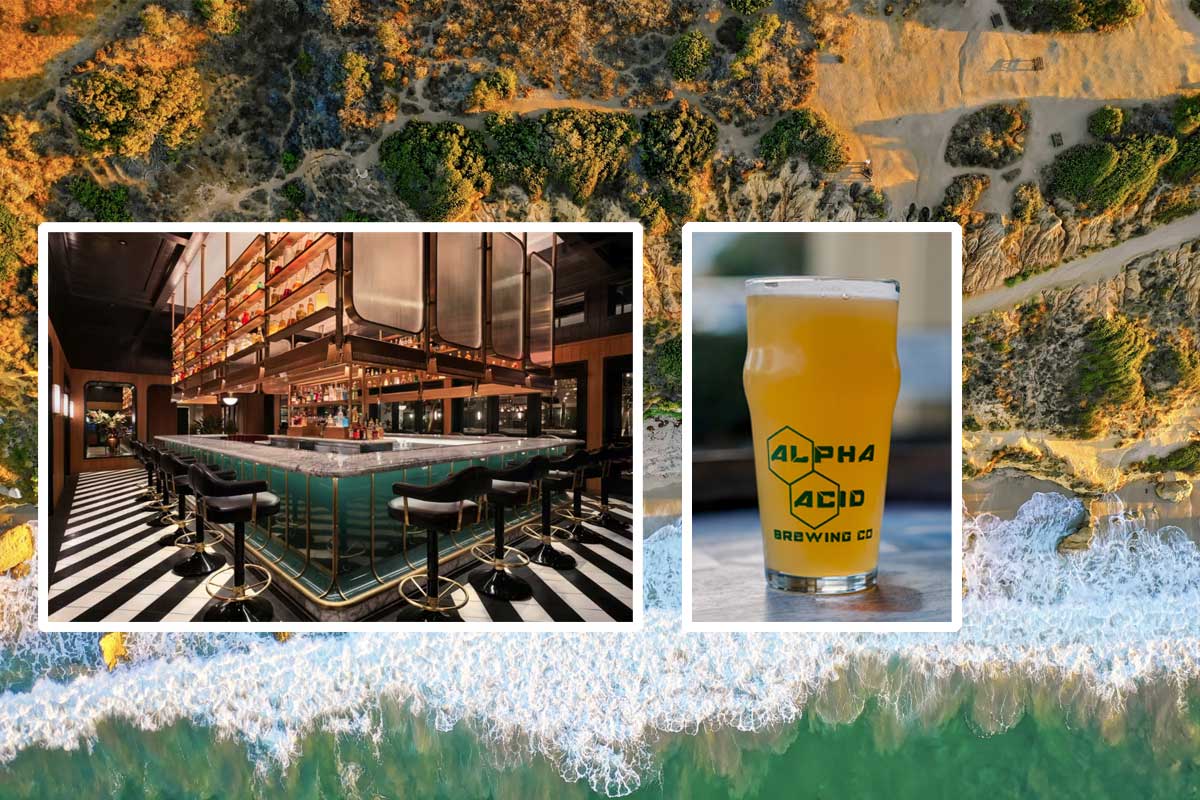
Alpha Acid is recognized for its technical versatility, producing everything from the crisp, accessible La Chulita Mexican Lager to complex, high-gravity barrel-aged projects. The brewery’s "May The Haze Be With You," a 7% ABV New England-style IPA, showcases the modern preference for "hazy" profiles characterized by citrus and pine aromatics with low perceived bitterness. For more seasoned enthusiasts, Alpha Acid’s barrel-aging program—exemplified by the Flying Dutchman, a 10.2% ABV tropical stout aged in rum barrels—demonstrates the patience and chemistry required to compete at the highest levels of the craft. The presence of rotating food trucks, specifically those offering tacos, creates a symbiotic relationship between local mobile food vendors and the stationary brewery, a model that has become a staple of the American craft beer experience.
Technological Innovation in San Carlos: Blue Oak Brewing Co.
In San Carlos, Blue Oak Brewing Co. focuses on the intersection of science and flavor. The brewery has gained a reputation for its sour program and its use of advanced fermentation techniques. A notable example of their innovation is the "Hello Motueka" hazy IPA, which utilizes "thiolized" yeast. This specific strain of yeast is engineered or selected to unlock "thiols"—aromatic compounds found in hops and grape skins that provide intense notes of passionfruit and guava—which would otherwise remain trapped and unperceivable to the palate.
Blue Oak’s portfolio also includes fruited sours like the Cherry Bomb and the "POG is My Copilot," which incorporates passion fruit, orange, and guava. The brewery’s expansive indoor-outdoor layout reflects the post-pandemic demand for ventilated, flexible spaces that can accommodate both families and large social groups. By maintaining a transparent food truck calendar, Blue Oak integrates itself into the broader local food ecosystem, ensuring that the taproom remains a dynamic destination for culinary exploration.
Redwood City: The Southern Anchor of the Peninsula Trail
Redwood City serves as the dense, multi-faceted southern terminus of the trail, offering three distinct models of the craft beer experience: the neighborhood brewpub, the traditional English ale house, and the European-style bottle shop.
Ghostwood: The Community Social Club
Ghostwood represents the "neighborhood brewpub" model, prioritizing atmosphere and accessibility. While the venue offers competitive entertainment like billiards, Mario Kart, and trivia nights, its technical brewing credentials are confirmed by awards for "Extra Crispy," a light American lager. In an era where "Cold IPAs"—beers fermented at lower temperatures using lager yeast but heavily hopped like traditional IPAs—are gaining market share, Ghostwood’s "Serial Chiller" stands as a representative of the style, utilizing Riwaka, Nelson, and Enigma hops to achieve a bright, citrusy profile.
Freewheel Brewing: A Focus on Heritage
In the Marsh Manor Shopping Center, Freewheel Brewing Company offers a distinct departure from American West Coast styles by specializing in English cask ales. Since 2012, Freewheel has championed the "Real Ale" movement, serving beers that are naturally carbonated and served at cellar temperatures. Their flagship Big V Amber, brewed with Maris Otter malt, provides a rich, malty counterpoint to the hop-heavy offerings found elsewhere on the trail. The use of nitro pours for their stouts provides a creamy mouthfeel that has made the brewery a destination for British expatriates and traditionalists alike.
Gourmet Haus Staudt: International Standards
Finally, Gourmet Haus Staudt provides the trail with an international perspective. Functioning as a Bavarian Bierstube, market, and bottle shop, the establishment is a major hub for German imports. It is reputedly one of the largest purveyors of Weihenstephaner—from the world’s oldest continuously operating brewery—outside of Germany. This venue bridges the gap between domestic craft innovation and the centuries-old traditions that inform modern brewing.
Economic Data and Industry Analysis
The growth of the Peninsula beer trail is supported by broader economic trends in California. According to the California Craft Brewers Association (CCBA), the state’s craft brewing industry contributes over $9 billion annually to the economy. As of 2023, California remains home to more than 1,100 craft breweries, the most of any state in the U.S.
Industry analysts point to several factors driving the Peninsula’s success:
- Demographic Wealth: San Mateo County consistently ranks among the wealthiest counties in the United States, providing a consumer base with the disposable income necessary to support premium-priced artisanal products.
- Real Estate Adaptation: The conversion of light industrial spaces in Belmont and San Carlos into taprooms has allowed for high-ceilinged, airy environments that are attractive to modern consumers.
- Culinary Synergy: The integration of high-end food—such as the world-class pizzas of Lars Smith at State of Mind Public House and Pizzeria—elevates the beer trail from a simple drinking excursion to a comprehensive gastronomic experience.
Chronology of Development
The evolution of the Peninsula beer scene can be viewed through three distinct phases:
- 2010–2014: The Foundation. The arrival of pioneers like Freewheel Brewing and Alpha Acid established the feasibility of craft brewing in San Mateo County, proving that there was a local appetite for styles beyond mass-produced lagers.
- 2015–2019: Diversification. During this period, breweries like Blue Oak and Ghostwood entered the market, introducing specialized styles such as sours and New England IPAs, and expanding the "brewpub" concept into more social, activity-based venues.
- 2020–Present: The Sophistication Era. The post-pandemic landscape saw the rise of large-scale, chef-driven concepts like Twelvemonth and the continued dominance of hybrid retail/taproom spaces like Gourmet Haus Staudt. This era is marked by a focus on "experience" over mere "consumption."
Official Perspectives and Community Impact
While local municipal governments were initially cautious about the expansion of "tasting rooms" in industrial zones, the positive impact on foot traffic and tax revenue has led to a more supportive regulatory environment. City planners in Redwood City and Burlingame have increasingly viewed these establishments as vital components of their "downtown revitalization" strategies.
Inferred statements from regional business associations suggest that the beer trail has also boosted local tourism. Visitors who might previously have only stayed in San Francisco are now exploring the Peninsula, drawn by the density of high-quality taprooms within a short driving or train-riding distance.
Implications for the Future of the Peninsula
The rise of the San Francisco Peninsula beer trail suggests a permanent shift in how suburban communities approach hospitality. No longer content with chain restaurants or generic bars, residents are demanding locally produced, technically superior beverages that reflect the identity of their specific neighborhoods.
As the craft beer market nationwide faces challenges such as shifting consumer preferences toward spirits and canned cocktails, the Peninsula trail’s emphasis on "place" and "community" provides a resilient model. By combining technical brewing excellence with high-end culinary offerings and accessible transit, San Mateo County has established a blueprint for the modern regional craft beer destination. The 30-mile stretch along Highway 101 is no longer just a path between cities; it is a destination in its own right, defined by the quality of what is in the glass.