admin
admin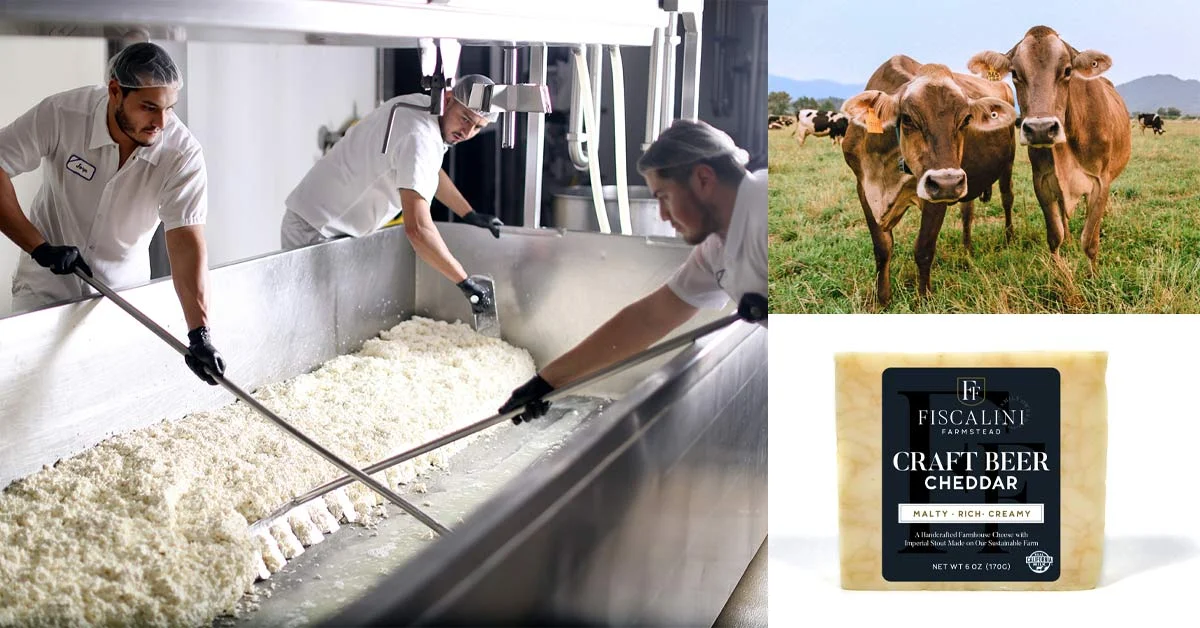
The landscape of American specialty food is currently witnessing a sophisticated transformation of a mid-century tavern staple. Once defined primarily as a pungent, orange-hued spread served in rural Kentucky roadhouses, beer cheese has evolved into a diverse category of farmstead products that represent a high-level culinary collaboration between the nation’s independent brewers and artisanal cheesemakers. This shift marks a departure from utilizing beer as a secondary flavoring agent toward integrating it as a fundamental component of the cheesemaking process, reflecting broader trends in local sourcing, fermentation science, and regional branding.
The Historical Foundations of a Kentucky Classic
The narrative of beer cheese in the United States begins in the 1940s in Clark County, Kentucky. While historical accounts vary, the most widely accepted origin point is Johnny Allman’s restaurant, a riverside establishment where the sharp, spicy spread was first served to patrons. The recipe was born of necessity and sustainability; leftover sharp cheddar was processed with spices and flat beer to create a durable, flavorful appetizer.
In 2006, the legacy was formalized when Kathy Gorman Archer, president of Howard’s Creek Authentic Beer Cheese, revived the brand. Archer noted that the original model relied on a "southwestern flare," utilizing cayenne pepper, garlic, and other spices to provide a "kick" that complemented the bitterness of the beer. The significance of this regional product was eventually recognized by the Kentucky General Assembly, which officially designated Clark County as the birthplace of beer cheese. Today, the Beer Cheese Trail in Winchester, Kentucky, serves as a testament to the enduring economic and cultural impact of this original iteration. However, as the American craft beer movement surged in the 21st century, cheesemakers began to look beyond the spreadable format toward more complex, aged varieties.
The Pacific Northwest and the Organic Integration
In the West, the evolution of beer cheese has been driven by a focus on organic certification and farmstead traceability. Rogue Creamery, based in Central Point, Oregon, has spent decades bridging the gap between the dairy and brewing industries. Though often confused with Rogue Ales due to their shared name and proximity, the two entities operated independently, collaborating on anniversary ales and pairing programs. Rogue Creamery’s Oregon Blue, established in 1953 as the first cave-aged blue cheese west of the Mississippi, set a high bar for regional innovation.
For nearly ten years, Rogue Creamery has produced a Chocolate Stout Cheddar in partnership with Portland’s Hopworks Brewery. This product exemplifies the technical shift in the category: rather than mixing beer into a finished cheese, the brewers’ product is introduced during the "milling" stage. As the whey begins to separate from the curd, the beer is added, infusing the milk solids with a subtle maltiness and creating a marbled aesthetic.
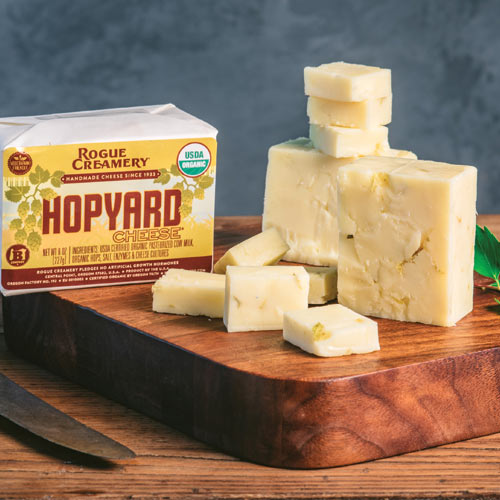
According to Marguerite Merritt, Rogue Creamery’s brand manager and a certified sommelier, the goal is a balance that avoids overpowering the natural profile of the cheese. This experimental spirit led to the creation of "Hopyard," a cheddar-style cheese infused with fresh, local Northwest-grown hops rather than liquid beer. The process reinforces the citrus and pine notes common in West Coast IPAs, effectively translating the sensory experience of a craft beer into a solid dairy form.
Technical Synergy in the Central Valley
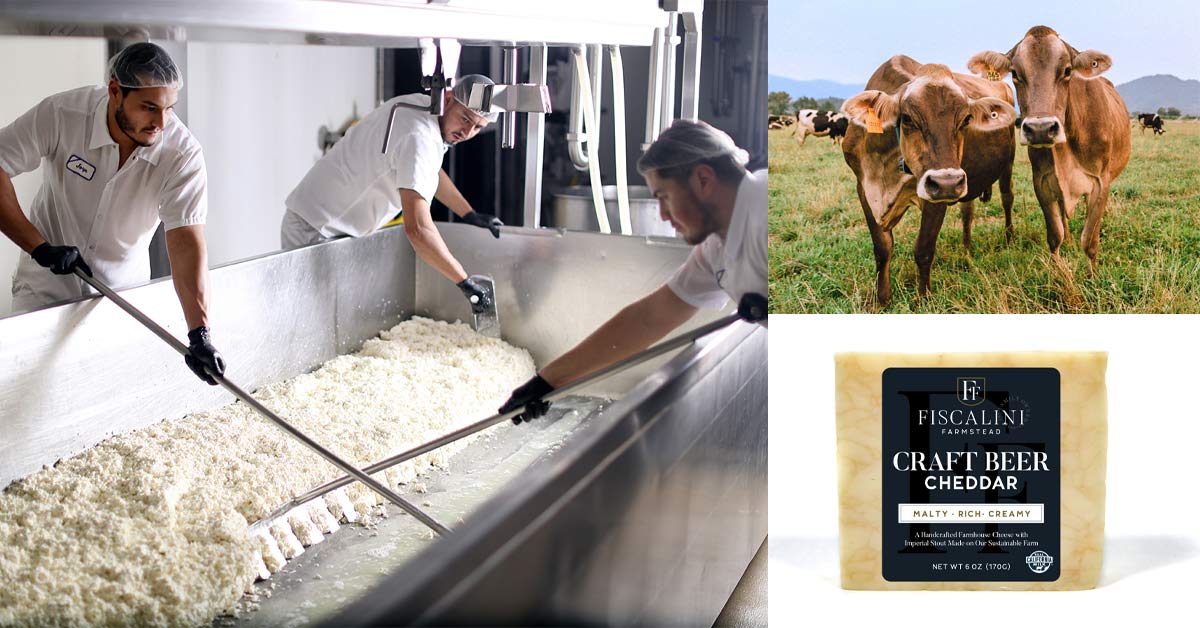
Further south in Modesto, California, Fiscalini Farmstead has applied a century of dairy expertise to the beer cheese category. Operating since 1914, Fiscalini transitioned to artisanal cheesemaking in 2000, maintaining a strict "farmstead" status, meaning they only use milk from their own closed herd of cows. This level of traceability provides a unique canvas for their "Craft Beer Cheddar," a collaboration with Dust Bowl Brewing in nearby Turlock.
The collaboration utilizes Dust Bowl’s Black Blizzard Imperial Stout, a heavy, roasty brew with notes of coffee and chocolate. Fourth-generation owner Laura Genasci emphasizes that the beer is mixed with the curds before they are formed into 40-pound blocks and pressed overnight. This pressure ensures that the beer flavor permeates every molecule of the curd.
Alex Borgo, Fiscalini’s head cheesemaker, views the process as a collision of microbial sciences. The fermentation of malted barley in brewing mirrors the activation of starter cultures in cheesemaking. When a rich, creamy milk stout is paired with a sharp, tangy cheddar, the resulting product undergoes a three-month aging process. Borgo notes that as the cheese matures, both the cheddar and beer flavors intensify, demonstrating that beer can act as a catalyst for flavor development during the aging cycle.
The Mid-Atlantic Model and Economic Revitalization
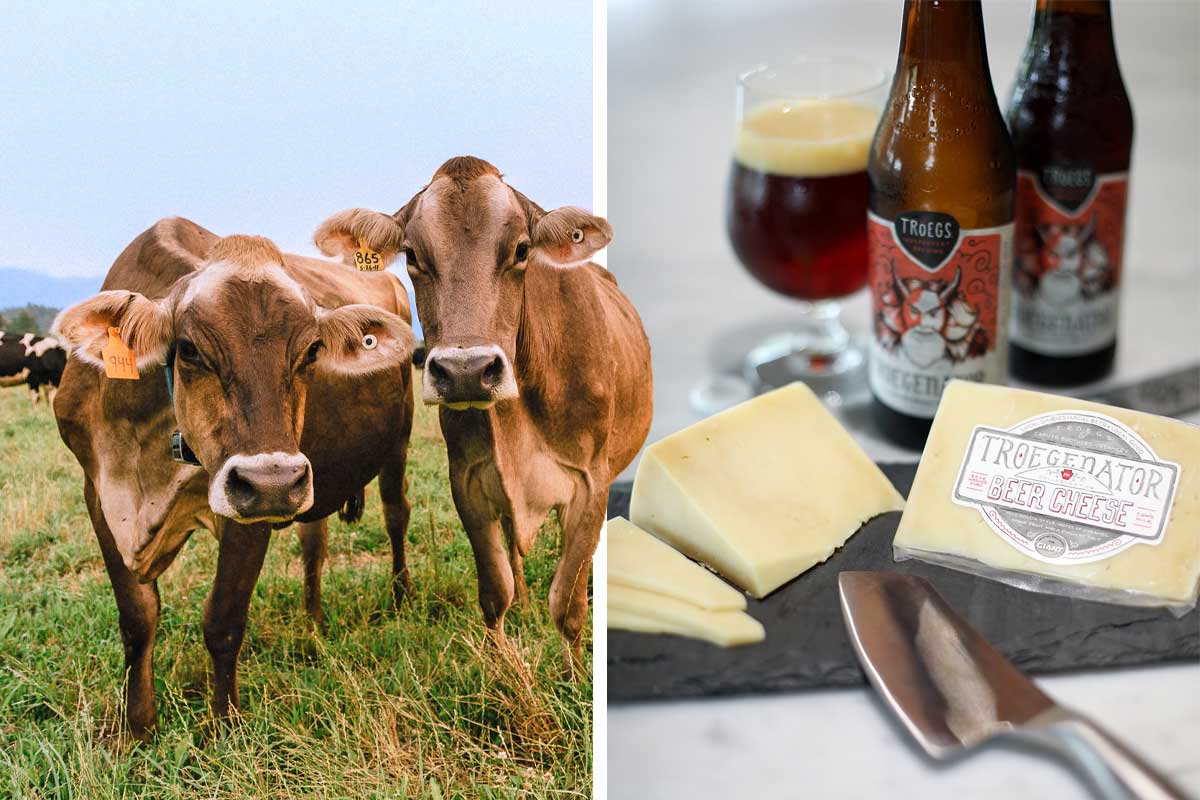
In Pennsylvania, the intersection of the dairy industry and craft brewing has taken on a significant role in regional economic development. Giant Food Stores, a major grocery chain, recently catalyzed a partnership between Caputo Brothers Creamery and Tröegs Independent Brewing to create a series of beer-infused cheeses that support local dairy farmers.
Rynn Caputo, co-founder of Caputo Brothers, noted that the geography of the partnership was intentional: the dairy farms supplying the milk sit directly between the brewery in Hershey and the creamery in Spring Grove. This "circular economy" approach resulted in the Troegenator Beer Cheese, a Gouda-style cheese infused with Tröegs’ flagship double bock. The high residual sugar in the beer lends a golden color and a distinct sweetness to the cheese.
The technical complexity reached a peak with the development of "Perpetual Beer Cheese," based on a popular IPA. To capture the volatile aromatics of the hops, Caputo developed a method of "dry-hopping" the milk itself before the cheesemaking process began. By spraying the rinds with beer and brining the wheels in a salt-and-beer solution, the creamery produced a cheese that replicates the bitterness and citrus profile of the beer.
Caputo’s success led to the founding of Custom Cheesemakers, a subsidiary that helps breweries nationwide develop their own proprietary cheeses. This business model highlights the growing demand for "brand-aligned" food products, where a brewery’s intellectual property—its beer recipes—is translated into other culinary categories.
Washed Rinds and Urban Innovation
While many producers focus on infusing the curd, others utilize beer as a topical treatment. Tulip Tree Creamery in Indianapolis employs the "washed-rind" technique, a traditional European method where cheese wheels are regularly bathed in a solution of bacteria, salt, and beer. Co-owner Laura Davenport explains that this process allows the essence of the beer to permeate the wheel without altering the internal structure of the double-cream cheese.
Tulip Tree has collaborated with several Indiana breweries, including Sun King and 3 Floyds. Davenport notes that the choice of beer is critical; while she personally enjoys high-bitterness IPAs, she prefers using lower-IBU (International Bitterness Units) beers like the JinxProof Pilsner for cheesemaking to avoid an astringent finish on the rind.
The trend has also reached urban centers, where "urban creameries" are reviving traditional European styles. Urban Stead, located in downtown Cincinnati, honors the city’s German heritage by producing "quark," a fresh farmer’s cheese. However, they also produce a Kentucky-style beer cheese spread using Braxton Brewing’s Storm Golden Cream Ale. By using a fresh, unaged cheese as the base, Urban Stead is able to maintain a high production volume, processing 1,500 pounds of milk per batch to meet the demand for a spread that bridges the gap between the historical Kentucky roadhouse style and modern craft standards.
Broad Implications for the Specialty Food Industry
The evolution of beer cheese from a simple tavern snack to a sophisticated farmstead product has several broader implications for the food and beverage industry:
- Sustainability and Waste Reduction: The origins of beer cheese as a way to use "leftover" ingredients have evolved into a modern sustainability model where breweries can find new avenues for their product, and dairies can add value to their milk, helping to stabilize a volatile dairy market.
- Microbial Innovation: The collaboration between brewers and cheesemakers has led to a deeper understanding of how alcohol and hops interact with milk proteins and fats. The management of pH levels—ensuring they remain between 6.4 and 6.8 for milk while avoiding the "rubbery" texture that occurs below a pH of 4.0—has turned beer cheese production into a precise science.
- Regional Identity: By using local beers and local milk, these producers are creating "terroir-driven" products that cannot be replicated elsewhere. This strengthens regional branding and tourism, as seen in the success of the Kentucky Beer Cheese Trail and Pennsylvania’s "farm-to-shelf" initiatives.
- Market Diversification: For artisanal creameries, beer-infused cheeses provide a point of entry for consumers who may be intimidated by traditional specialty cheeses but are familiar with craft beer brands. This "crossover appeal" is essential for the continued growth of the American artisan cheese sector.
As the category continues to mature, the distinction between "beer cheese" as a spread and "beer-infused cheese" as a solid, aged product is likely to blur, resulting in a diverse family of dairy products that celebrate the complex relationship between the vat and the brewhouse. The trajectory of these collaborations suggests that the American palate is increasingly seeking out products that tell a story of regional partnership and technical mastery.