admin
admin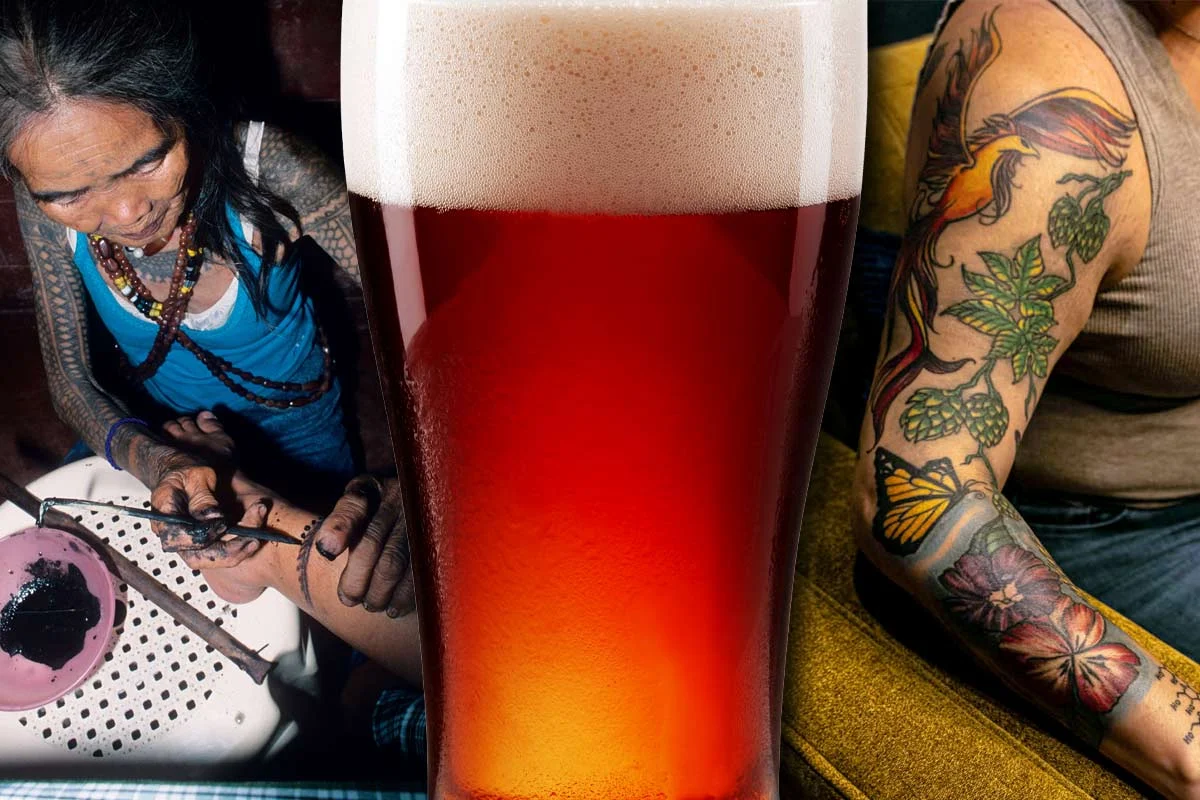
The practices of tattooing and fermentation, while seemingly disparate in the modern industrial world, share a profound and ancient kinship rooted in the transformation of raw materials into symbols of identity and sustenance. Across diverse Indigenous cultures—from the subarctic forests of northern Japan to the tropical savannas of the Amazon—these two crafts have historically operated within the same ritual and relational spheres. Both tattooing and fermentation involve a deliberate process of change: one inscribes ancestry and spiritual protection onto the human canvas, while the other preserves and enriches the fruits of the land through biological alchemy. Together, they represent a shared grammar of continuity, allowing communities to maintain a living conversation with their ancestors, their environment, and their future.
Historical Foundations and the Technology of Transformation
To understand the intersection of "ink and drink," one must look at the historical role of the domestic hearth. In many traditional societies, the hearth was not merely a utility for heat but the cosmological center of the home. It was the site where food was transformed into nourishment and where the materials for sacred markings were birthed. Anthropological records indicate that the soot collected from cooking vessels—the very tools used to brew fermented beverages—often served as the primary pigment for tattoos.
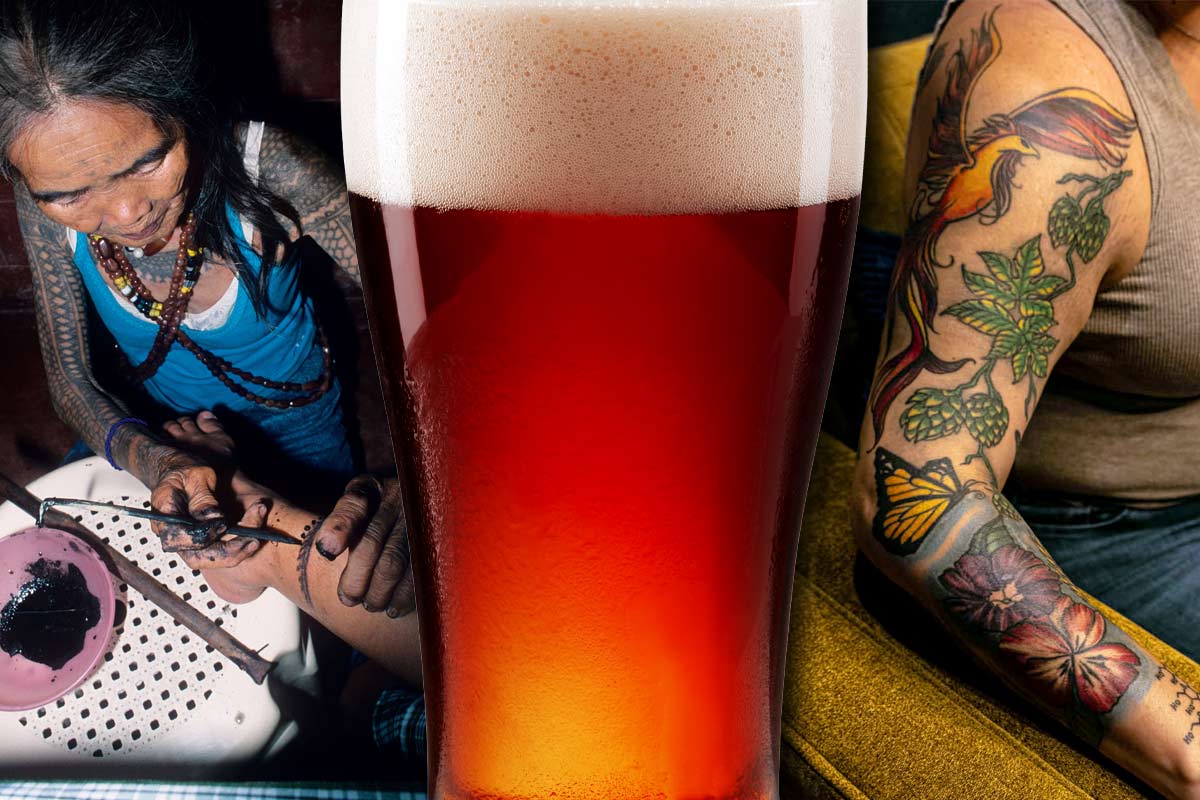
This relationship is not merely functional but symbolic. Fermentation is a process of controlled decay and rebirth, facilitated by invisible microorganisms. Similarly, tattooing involves a controlled wounding of the skin to allow for a permanent decorative or spiritual "rebirth." In both instances, the practitioner acts as a mediator between the raw state of nature and the refined state of culture. This duality is central to the survival of Indigenous epistemologies, particularly in regions where colonial forces attempted to erase these markers of identity.
The Ainu of Northern Japan: The Sacred Hearth and the Goddess Kamuy Fuchi
For the Ainu, the Indigenous people of Hokkaido, Sakhalin, and the Kuril Islands, the hearth served as the residence of Kamuy Fuchi, the goddess of the fire. As the overseer of all domestic labor, Kamuy Fuchi governed the two most vital transformative arts: the brewing of tonoto (a rice-and-millet beer) and the application of facial and hand tattoos.
Historically, Ainu tattooing was a gendered ritual performed by women on women. The process involved using a makiri (tattooing knife) to create incisions, into which soot from the bottom of earthenware pots was rubbed. This soot was the direct byproduct of the fire over which tonoto was brewed. The resulting blue-black markings, particularly the distinctive "mustache" tattoos around the lips, were believed to provide spiritual protection and ensure the woman’s entry into the afterlife.
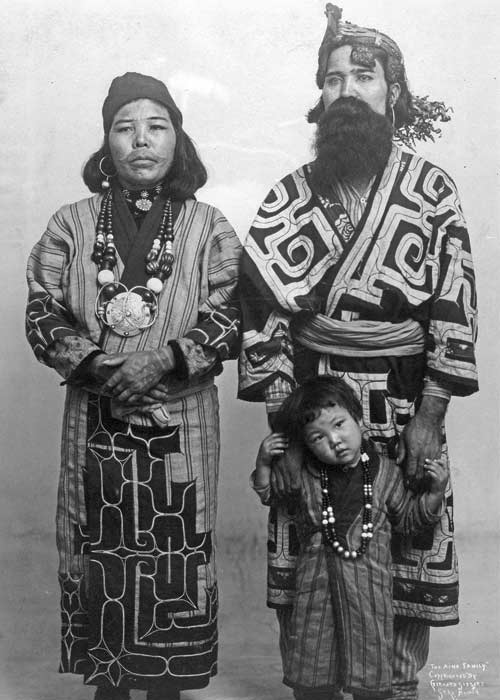
The brewing of tonoto followed a parallel spiritual logic. Prepared exclusively by women, the beverage was more than a drink; it was a sacred offering to the kamuy (divine spirits). The suppression of these practices began in earnest during the Meiji Restoration (1868–1912), when Japanese colonial policy enforced the Hokkaido Former Aborigines Protection Act. This legislation prohibited Ainu tattooing and traditional ceremonies, stripping the culture of its visible and ritualistic continuity. However, in recent decades, a resurgence of Ainu identity has seen a renewed interest in these ancestral links, as modern Ainu seek to reclaim the hearth as a site of cultural sovereignty.
The Kalinga of the Philippines: Fermented Ink and the Mark of the Warrior
In the rugged Cordillera mountains of Luzon, the Kalinga people have maintained the tradition of batok, a hand-tapped tattoo practice that signals social status, bravery, and beauty. The most famous living practitioner, Apo Whang-od Oggay, who is over a century old, continues to use a mixture of soot and water to mark the skin of those who travel from across the globe to visit her village of Buscalan.
The intersection with fermentation in Kalinga culture is found within the chemistry of the ink itself. Historically, some mambabatok (tattoo artists) utilized sugarcane juice as a carrier for the soot pigment. When left to sit, the sugars in the juice would naturally ferment, creating a mild alcoholic solution. While the primary purpose of the ink was visual, the use of a fermented medium tied the act of tattooing to the broader agricultural cycles of the region.
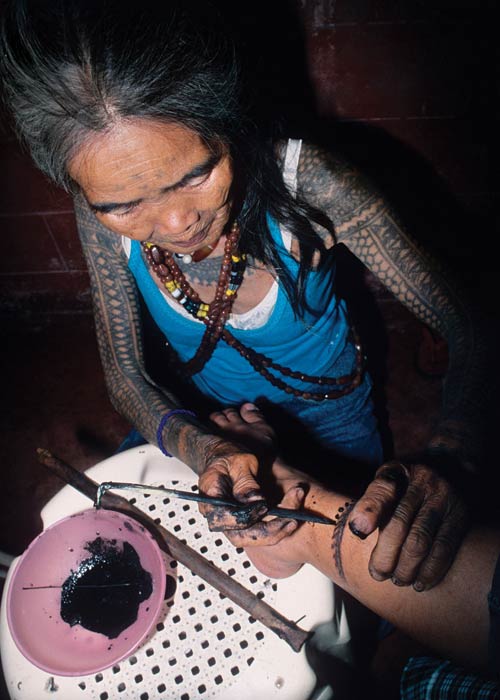
Parallel to the tattooing rituals are the communal gatherings centered around tapuy (rice wine) and tubâ (palm wine). These fermented beverages are essential for budong (peace pacts) and healing rites. In Kalinga society, a man’s tattoos historically testified to his success in warfare, while a woman’s tattoos were considered "jewelry" necessary for attraction and social standing. Today, while the headhunting traditions have faded, the tattoos remain as a testament to the resilience of the Kalinga spirit, with younger generations like Grace Palicas carrying forward the art of batok in a globalized context.
The Makushi of Guyana: Tattoos as Brewing Charms
The Makushi people of the Guiana Shield provide perhaps the most direct link between the physical act of tattooing and the success of fermentation. For the Makushi, the staple crop is cassava, which is transformed into parakari, a complex beer produced through a dual fermentation process involving both mold (Aspergillus) and yeast.
Anthropological studies by Dr. Lars Krutak highlight the use of kansku—tattoos specifically designed as brewing charms. Makushi women would receive tattoos on their arms and jaws featuring motifs of bees or scorpions. These markings were believed to influence the quality of the parakari. A "bee" motif was intended to make the brew as sweet as honey, while a "scorpion" motif was meant to give the drink a desirable "sting" or "kick" (yekî).
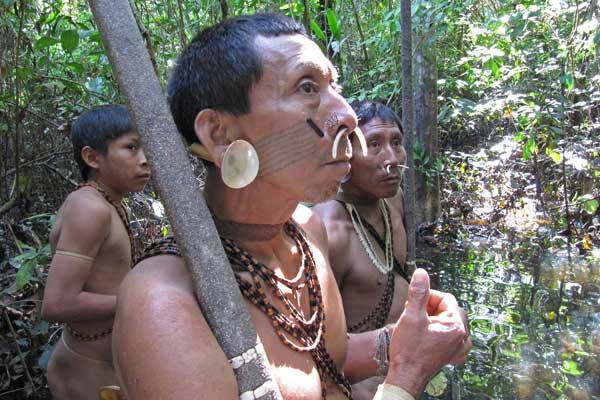
In the Makushi language, the term yekî carries a double meaning, referring to both the potency of the alcohol and the physical sensation of a sting. The social protocol was strict: a woman’s ability to serve drink to a man was often contingent upon her possessing these tattoos, as they served as a visual guarantee that the beverage had been prepared under the correct spiritual and bodily conditions. Although these specific tattoos have declined under missionary influence, the cultural memory of the "tattooed brewer" persists as a symbol of the vital role women played in maintaining communal harmony through fermentation.
Hawaiian Epistemology: Kalo, Kākau, and Kinship
In Native Hawaiian culture, the relationship between tattooing (kākau) and fermentation is framed through the concept of genealogy. The cultivation and fermentation of kalo (taro) into poi is not merely food production; it is an act of kinship with Hāloa, the ancestral elder brother of the Hawaiian people.
Dr. Lindsay Malu Kido, a scholar of Indigenous body sovereignty, notes that kākau serves as a living record of this ancestry. The designs on the skin often mimic the patterns found in nature and the lineage of the wearer. When a Hawaiian person consumes fermented poi, they are nourishing themselves with their "elder sibling," and when they wear kākau, they are displaying their connection to that same earth and lineage.
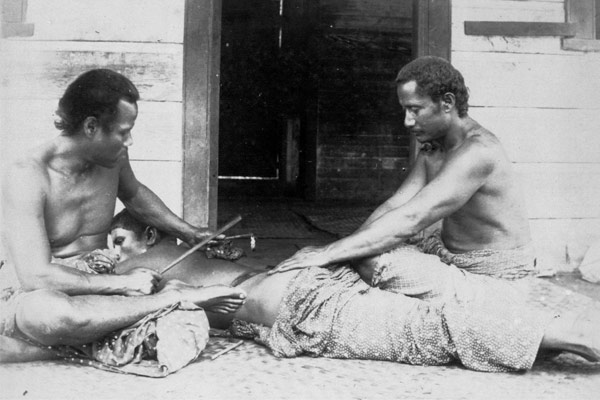
This holistic view suggests that transformation is a continuous loop. The fermentation of the land’s fruit sustains the body, and the tattooing of the body honors the land. In the face of historical efforts to suppress Hawaiian language and culture, the revival of both traditional agriculture and kākau represents a powerful movement toward decolonization and the reclamation of the physical body as a site of Indigenous authority.
Contemporary Echoes: The Modern Craft Brewery
The ancient links between ink and drink have found a new, albeit secular, expression in the modern craft brewing industry. Today, the "brewer’s tattoo" has become a hallmark of the trade, with professionals marking their bodies with images of hop bines, yeast cells, and chemical formulas. While these modern tattoos lack the specific mythological framework of the Ainu or Makushi, they serve a similar sociological function: they signal belonging to a specialized community of practice.
For many modern brewers, tattooing is a way to externalize a personal transformation. Sandra Murphy, owner of Murphy’s Law Brewery in Texas, utilized tattooing as a means of processing profound personal grief, creating a sleeve that incorporates the chemical structure of yeast alongside symbols of memory and rebirth. Similarly, Rachael Engel of Sound2Summit Brewery views her tattoos as an expression of her identity and her journey within the craft.
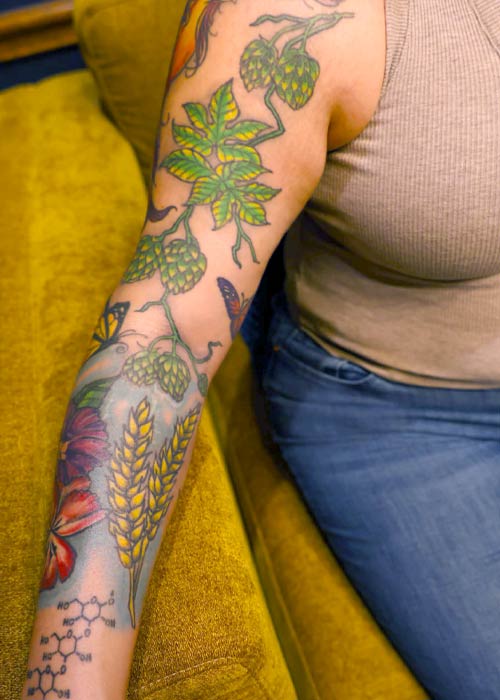
Data from the Brewers Association suggests that the craft beer industry is increasingly defined by a culture of "makers" who value manual labor and artisanal skill. In this environment, the tattoo serves as a permanent badge of dedication to the craft of fermentation.
Analysis: Technologies of Continuity and Resistance
The intersection of tattooing and fermentation reveals a fundamental human desire to master the process of change. In a journalistic and sociological sense, these practices can be analyzed as "technologies of continuity." By binding the ephemeral (the act of drinking/fermentation) to the permanent (the tattoo), cultures create a sense of stability across generations.
- Embodied Knowledge: Both crafts require "felt" knowledge—knowing the right temperature for a mash or the right depth for a needle. This knowledge is rarely learned from books; it is passed down through apprenticeship and ritual.
- Gendered Authority: In many of the cultures discussed, women were the primary keepers of both fermentation and tattooing. This highlights a historical domain of female power that was often the first target of colonial suppression.
- Resistance through Ritual: The persistence of these practices in the 21st century acts as a form of cultural resistance. To wear an ancestral tattoo or to brew a traditional beverage is to assert that one’s culture is not a museum piece but a living, breathing reality.
Conclusion
Ink and drink remain two of humanity’s oldest methods for marking time and identity. Whether through the soot-stained needles of the Ainu or the hop-adorned arms of a modern brewmaster, the act of transformation remains central to the human experience. As we look toward the future, these ancient practices continue to offer a roadmap for how communities can stay connected to their roots while navigating the shifts of a changing world. Fermentation marks the food, and ink marks the body, but together, they mark the soul of a culture, leaving an indelible trace of where we have been and who we are becoming.