admin
admin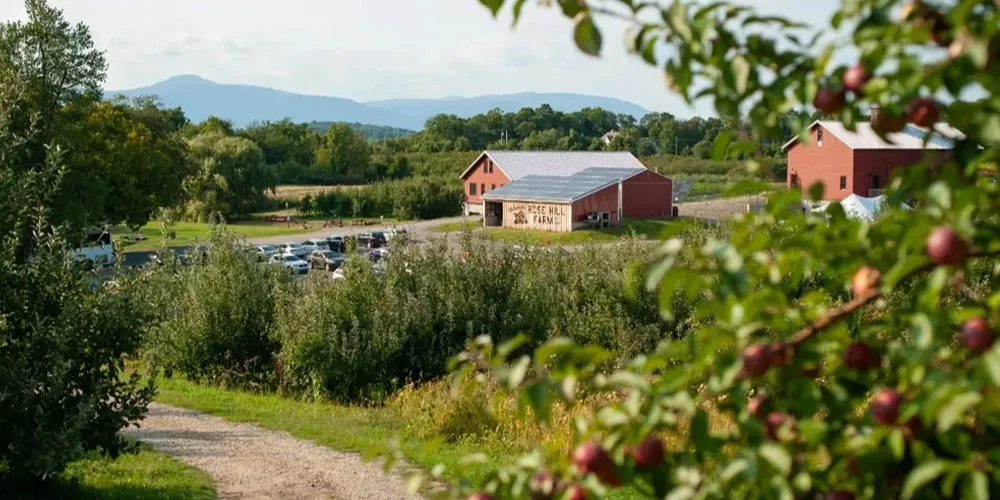
The American cider landscape has undergone a seismic transformation over the last two decades, evolving from a nascent niche into a multi-billion-dollar industry that bridges the gap between craft beer and fine wine. At the turn of the 21st century, the domestic cider scene was remarkably sparse, consisting of only a few dozen cideries primarily concentrated in the traditional apple-growing regions of the Pacific Northwest and the Northeast. Today, the United States boasts more than 1,000 active cideries, reflecting a cultural and economic shift that has redefined the nation’s relationship with its most historic fermented beverage. This resurgence is not merely a revival of colonial-era traditions but a sophisticated modern movement characterized by agricultural innovation, complex fermentation techniques, and a growing emphasis on terroir.
The Growth Trajectory: From Niche to National Mainstream
The modern era of American cider was catalyzed by a period of explosive growth between 2011 and 2017. During this window, the industry witnessed a staggering 500% increase in sales. This surge was largely fueled by significant capital investments from major national beer conglomerates, most notably the Boston Beer Company. Their flagship cider brand, Angry Orchard, served as a gateway for millions of consumers, utilizing the massive distribution networks of the beer industry to place cider on supermarket shelves and tap handles nationwide.
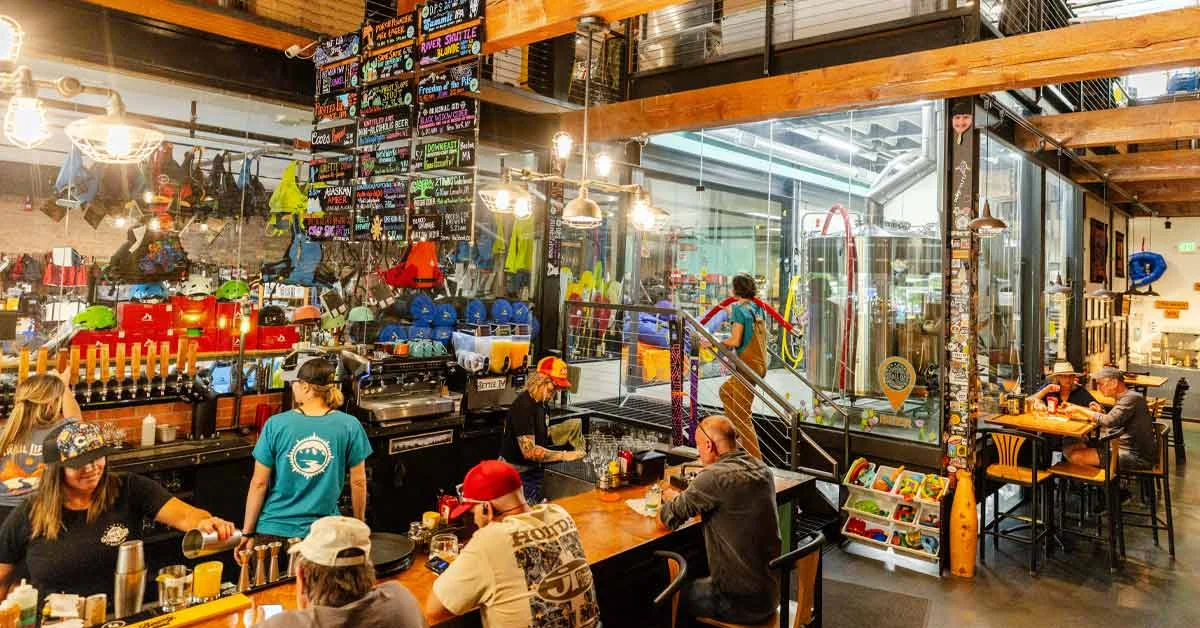
Following the trail blazed by "Big Cider," regional brands began to scale their operations to meet rising demand. Companies such as Stem Ciders in Colorado, Schilling Cider in Washington, and Blake’s Hard Cider in Michigan transitioned from local favorites to national players. This expansion has been supported by a diversifying consumer base seeking gluten-free alternatives to beer and lower-alcohol alternatives to wine. As the market matured, the industry bifurcated into two distinct but overlapping segments: the "modern" style, characterized by fruit-forward, easy-drinking profiles often packaged in cans, and the "heritage" style, which emphasizes specific apple varieties, traditional fermentation, and bottle conditioning.
The Science of the Orchard: The Rise of the Cosmic Crisp
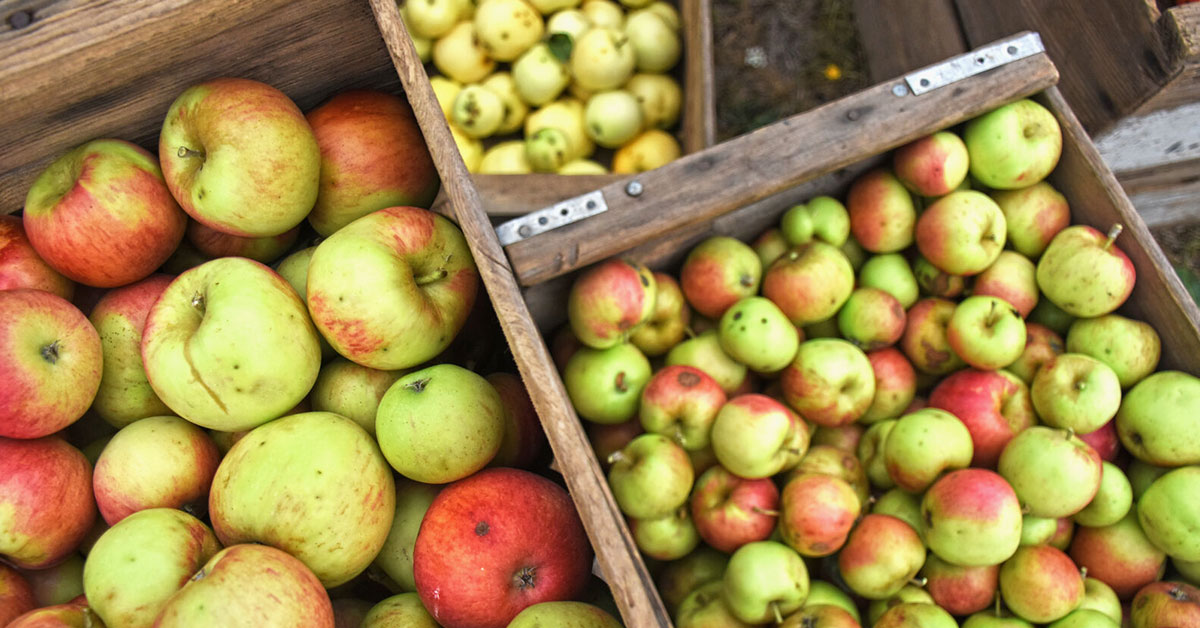
The backbone of any cider is the fruit itself, and the American cider industry is currently benefiting from a revolution in pomology—the branch of botany that studies fruit. While there are more than 15,000 documented varieties of apples in North America, the vast majority of commercial orchards have historically focused on "eating apples" or dessert fruit. However, the introduction of the Cosmic Crisp variety has marked a turning point for both growers and cidermakers.
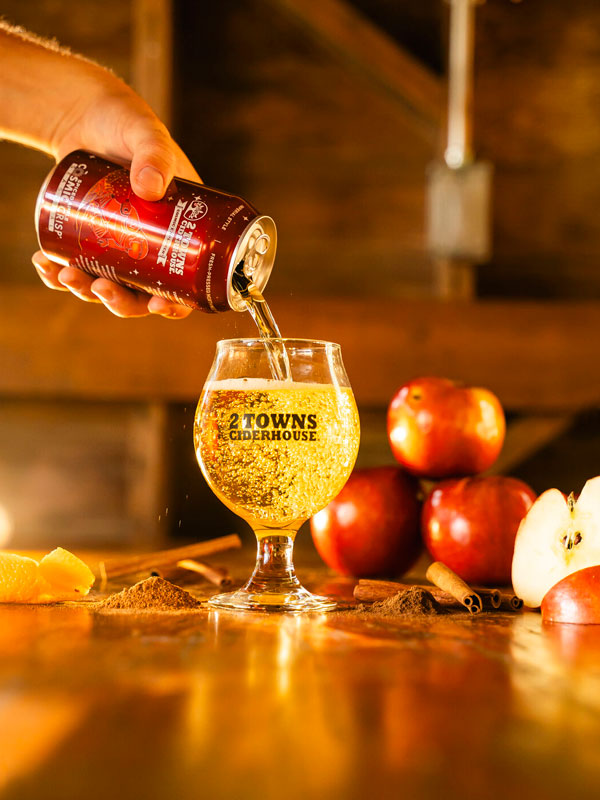
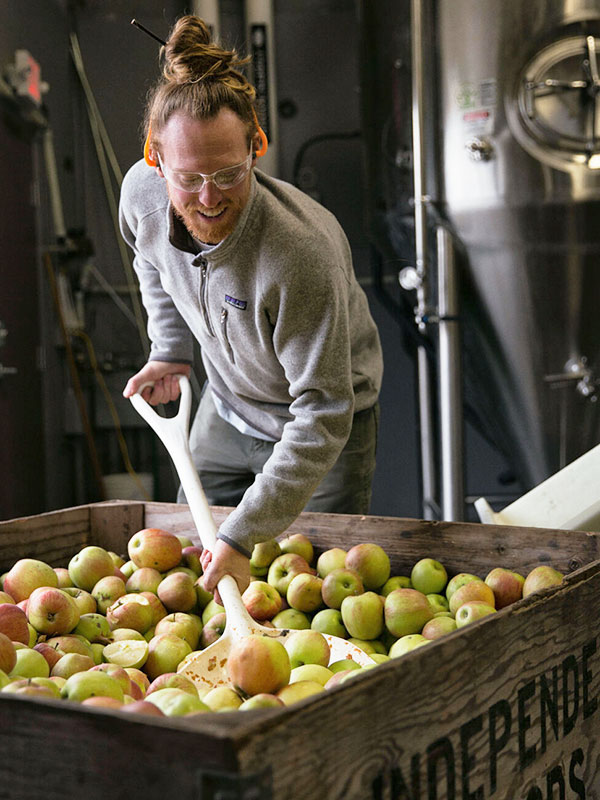
Developed by Washington State University and officially launched in 2019, the Cosmic Crisp was the result of 20 years of research. While originally intended for the fresh-fruit market, its high sugar content and vibrant acidity made it an accidental masterpiece for fermentation. Dave Takush, co-owner and head cidermaker of 2 Towns Ciderhouse in Corvallis, Oregon, notes that the Cosmic Crisp offers notes reminiscent of gooseberry and Sauvignon Blanc. In a testament to the variety’s impact, 2 Towns was named the inaugural Cidermaker of the Year at the 2024 Great American Beer Festival.
The data regarding the Cosmic Crisp’s adoption is indicative of its industry-wide influence. Upon its release in 2019, the variety accounted for roughly 1% of Washington’s total apple crop. By 2024, that figure has climbed toward 10%. For producers like 2 Towns, this apple serves as the foundation for high-gravity "imperial" ciders, providing a robust structural backbone of aroma and texture that can withstand higher alcohol fermentations without losing its character.
Agricultural Resilience and the Search for Terroir
As the industry matures, cidermakers are increasingly looking toward the concept of terroir—the idea that the environment, soil, and climate in which a fruit is grown impart a unique character to the final product. For the past two centuries, American apple cultivation was dominated by varieties suited for the lunchbox rather than the glass. Early pioneers of the craft cider movement in the 1980s and 90s, such as Farnum Hill in New Hampshire and Foggy Ridge in Virginia, sought to rectify this by importing tannic, "bittersweet" apple varieties from Europe.
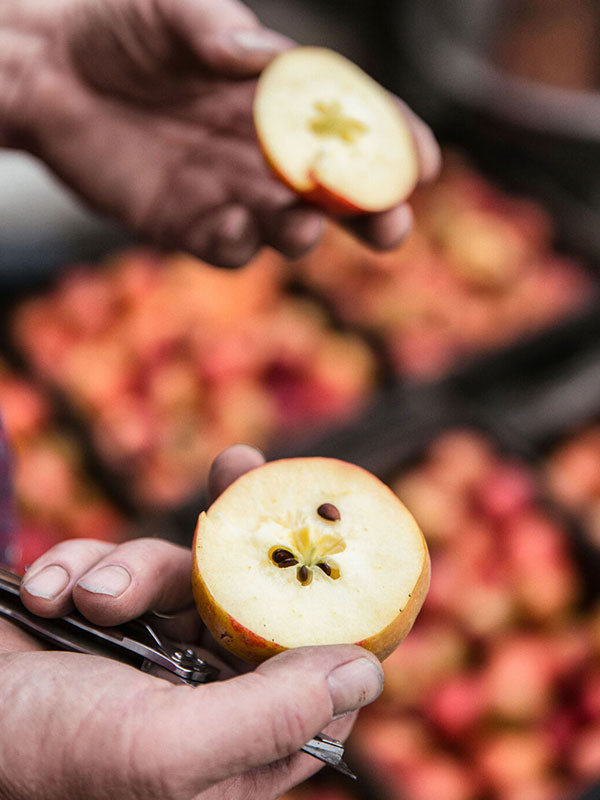
However, the North American climate often presents challenges for these European imports. Consequently, a new wave of research is focusing on indigenous and "lost" varieties that are better adapted to local conditions. In the Southeastern United States, orchards are rediscovering the Winter Jon apple. Originally prized in the Appalachian Mountains for its ability to store through the winter without refrigeration, the Winter Jon is now being hailed for its resilience in the face of a warming climate and its ability to produce full-flavored, high-acid juice in the heat of northern Georgia.
Similarly, in Vermont, a recently discovered wild seedling known as the "Nailbiter" has gained attention for its ability to thrive without human intervention, producing fruit with the tannin structure necessary for complex, shelf-stable ciders. Even large-scale commercial nurseries are joining the effort; Stark Bro’s introduced the Franklin apple in 2017, marketing it as a cold-hardy alternative to European cider apples that can withstand the harsh winters of the American Midwest and Northeast.
Innovation in the Cellar: Co-fermentation and Hybridization
The modern cidermaker is increasingly viewed as a hybrid of a winemaker and a brewer, utilizing techniques from both disciplines to push the boundaries of flavor. This is most evident in the rise of co-fermented ciders, where apples are fermented alongside other fruits, botanicals, or even grains.
Rose Hill Farm in New York’s Hudson Valley has become a leader in this experimental space. Established in 1798, the farm has transitioned from a traditional "pick-your-own" orchard to a cutting-edge fermentation lab. Cidermaker Matthew Sanford has adopted a philosophy of "if it has sugar, ferment it," leading to the creation of "Quincy" (apple and quince) and "Jerkum" (a traditional plum-based ferment).
This spirit of experimentation has also led to the "Graf," a hybrid beverage that blends cider with malted grain. Named after a fictional drink in Stephen King’s Dark Tower series, the Graf has become a favorite for collaborations between cideries and craft breweries. Recent projects, such as those between Rose Hill and Hudson Valley’s Plan Bee Farm Brewery, involve bottle-conditioning and disgorging—a labor-intensive process used in Champagne production—to create ciders with notes of brioche and baked apple that rival fine sparkling wines.
The wine industry itself is also turning toward cider. In California, several Sonoma County wineries have begun integrating cider into their portfolios as a strategic response to climate change. After years of wildfires and "smoke-tainted" grape harvests, producers like Ashanta Wines and Horse & Plow have found that apples, which often ripen at different times and in different microclimates than grapes, provide a necessary agricultural hedge. By applying winemaking techniques like bâtonnage (lees stirring) and oak aging to varieties like the Newtown Pippin, these producers are creating ciders that mimic the palate of a high-end Chardonnay.
Market Analysis and Future Outlook
The economic and cultural implications of cider’s rise are significant. As the craft beer market experiences a period of stabilization and saturation, cider represents a "blue ocean" of growth. The industry has successfully moved past its reputation for producing overly sweet "alco-pops," instead positioning itself as a premium, agricultural product.
Educational initiatives have played a vital role in this professionalization. Institutions like Michigan State University have spearheaded research into red-fleshed apple genetics, providing growers with data on how to maximize the vibrant color and antioxidant content of these unique fruits. Meanwhile, the Cider Institute of North America has standardized training for cidermakers, ensuring that as the industry scales, quality remains consistent.
The future of American cider appears increasingly intertwined with the broader "slow food" and "locavore" movements. Consumers are demonstrating a willingness to pay a premium for products that have a clear connection to the land. This shift is encouraging brewers and winemakers to look toward their local "foodsheds" for ingredients, fostering a collaborative environment where knowledge and resources are shared across the fermentation spectrum.
While the road ahead remains competitive, the American cider industry has built a foundation based on diversity—both in the bottle and in the orchard. By embracing a spectrum that ranges from "patio pounders" made with Fuji apples to complex, barrel-aged scrumpy made with bitter European varieties, the industry has ensured its relevance for the next generation of drinkers. As cider continues to reintroduce itself to the American public, it does so not just as a beverage of the past, but as a sophisticated, sustainable, and essential pillar of the modern craft movement.