admin
admin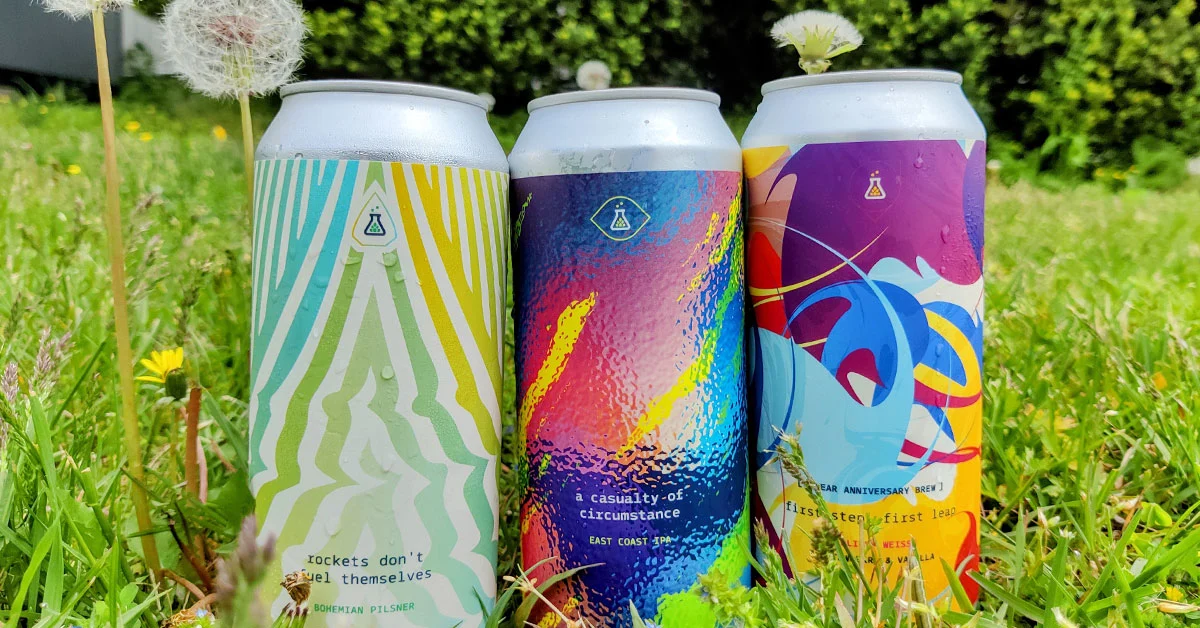
The North Fork of Long Island has long been celebrated as the Napa Valley of the East, a pastoral expanse where rolling vineyards and maritime breezes create an ideal environment for viticulture. For decades, the region’s identity was forged through its award-winning Cabernet Francs and crisp Sauvignon Blancs, drawing hundreds of thousands of oenophiles from New York City and beyond. However, a significant cultural and economic shift is underway across the 30-mile peninsula. While the grape remains a cornerstone of the local economy, the North Fork is rapidly evolving into a premier destination for craft beer, characterized by a sophisticated production landscape of IPAs, Pilsners, sours, and stouts that emphasize local terroir.
This transformation is not merely a trend but a robust expansion of the region’s agricultural heritage. What began as a niche movement is now a primary driver of agrotourism, luring a diverse demographic of visitors who are as likely to seek out a farm-to-glass ale as they are a vintage Merlot. The emergence of a "liquid trail"—a symbiotic network of wineries, breweries, distilleries, and cider houses—has redefined the North Fork as a comprehensive destination for artisanal beverages.
The Evolution of a Brewing Hub: A Chronological Perspective
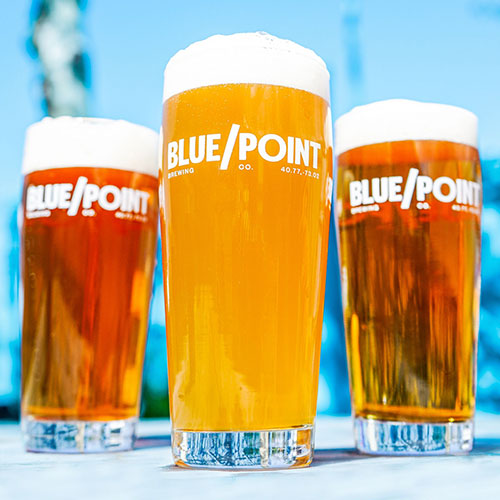
The seeds of the North Fork’s brewing scene were planted in 1998 with the establishment of Blue Point Brewing Company in nearby Patchogue. While not located on the North Fork proper, Blue Point proved that Long Island had the palate and the market for craft beer, eventually paving the way for more localized operations. The true catalyst for the North Fork’s current boom, however, was the 2009 opening of Greenport Harbor Brewing Company.
Founded by John Liegey and Richard Vandenburgh in a renovated 19th-century firehouse, Greenport Harbor acted as the vanguard for the movement. Their success demonstrated that craft beer could coexist with—and even enhance—the established wine culture. Over the ensuing fifteen years, the industry’s footprint expanded exponentially. The 2012 passage of the New York State Farm Brewery Law served as a critical legislative turning point, providing tax incentives and streamlined licensing for brewers who utilized a specific percentage of New York-grown ingredients. This legislation effectively tied the success of the brewing industry to the health of local agriculture, fostering the "farm-to-pint" ethos that defines the region today.
Following Greenport’s lead, a wave of innovative producers entered the market. Jamesport Brewery, Eastern Front Brewing, Twin Fork Beer Co., Übergeek Brewing, and North Fork Brewing Company have each carved out distinct identities, contributing to a diverse ecosystem that ranges from scientifically-driven experimentalism to traditionalist, music-themed branding.
The Economic Impact of Agrotourism and the Farm Brewery Model
The rise of the North Fork brewing scene is intrinsically linked to the broader success of New York’s craft beverage sector. According to data from the New York State Brewers Association, the craft beer industry contributes over $6.6 billion annually to the state’s economy. On the North Fork, this impact is felt through increased seasonal employment, the preservation of agricultural land, and the diversification of the tourism sector.
The "Farm Brewery" designation has been particularly influential. By requiring brewers to source ingredients from within the state—currently set at 90% of hops and 90% of all other ingredients to qualify for the highest tier of the license—the law has revitalized local hop farming and malting operations. In Orient Point, at the very tip of the North Fork, farmers now harvest Cascade and Willamette hops that go from the vine to the kettle within hours.
This localized supply chain creates a unique "terroir" for North Fork beer. Unlike mass-produced lagers, these craft offerings reflect the specific soil and climate of Long Island. This agricultural connection is a significant draw for modern consumers, who increasingly prioritize transparency, sustainability, and regional authenticity in their purchasing decisions.
Profiles in Innovation: The Pillars of North Fork Brewing
The current marketplace is defined by several key players whose distinct approaches have collectively elevated the region’s reputation.
Greenport Harbor Brewing Company
As the regional pioneer, Greenport Harbor has scaled its operations to meet surging demand. After outgrowing its original Greenport location, the company opened a massive second facility in Peconic. This site serves as a model for modern agrotourism, featuring a state-of-the-art kitchen, sprawling lawns for social distancing and games, and a stage for live music. Head brewer Sean Galligan manages a diverse portfolio that includes the citrus-forward Harbor Ale and the Otherside IPA. Notably, the brewery utilizes sea salt and New York-grown wheat for its Lucha Lager, further anchoring its products in the local environment.
Übergeek Brewing
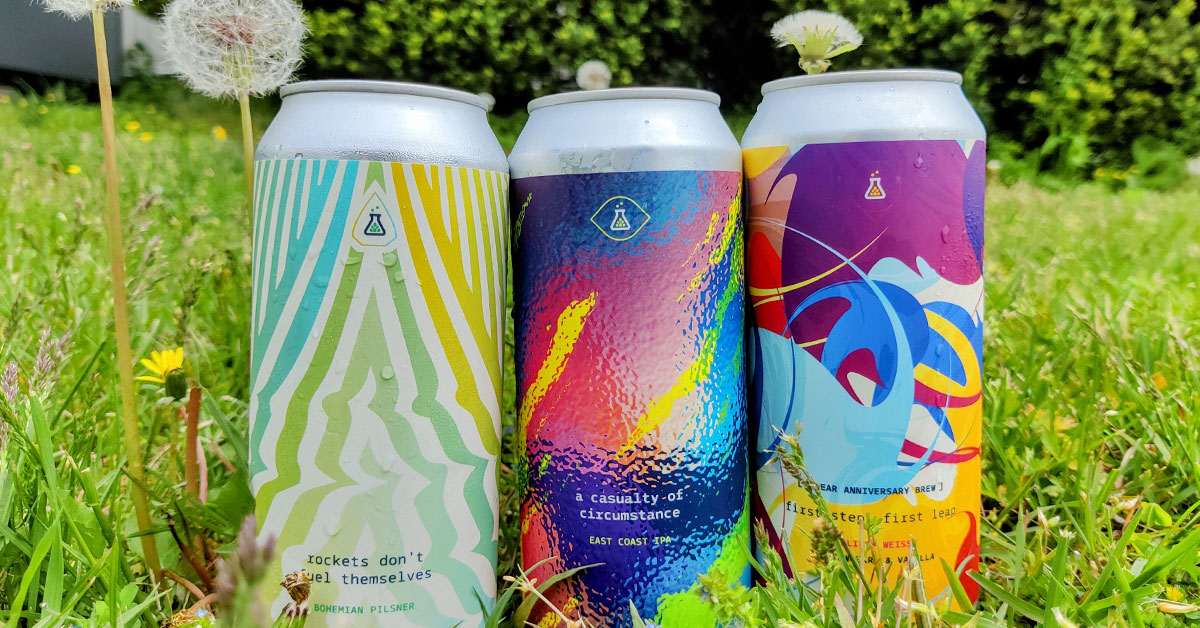
Located in Riverhead, the gateway to the North Fork, Übergeek Brewing represents the intellectual and experimental wing of the movement. Founded by Rob Raffa, a former physics and astrophysics student, the brewery is a testament to the "science of the suds." Raffa’s approach is characterized by rigorous experimentation and a penchant for unconventional naming conventions, such as "A Casualty of Circumstance" and "Space Age Times, Stone Age Minds." Since taking over the former Moustache Brewing space in 2021, Übergeek has seen rapid growth, expanding from four fermenters to sixteen, with plans to double production capacity in the near future.
Twin Fork Beer Co.
Founded by twin brothers Peter and Dan Chekijian, Twin Fork Beer Co. leverages a unique intersection of brewing and music. Their branding is built around musical theory, with flagship offerings like the Prelude Pilsner and the Crescendo IPA. Their facility in Riverhead has become a staple for organized tours, catering to bike groups and excursion buses that traverse the North Fork’s "alcohol trail." The Chekijians view their role as part of a larger hospitality ecosystem, noting that the influx of New York City and New Jersey tourists benefits all stakeholders in the region.
North Fork Brewing Company
Peter Barraud’s North Fork Brewing Company is perhaps the most vocal advocate for the "terroir" of the fork. Barraud integrates a wide array of local ingredients, collaborating with entities such as the Peconic River Herb Farm and Herricks Lane Farm. His rotating tap list of approximately 80 beers per year includes ingredients like foraged herbs, ancho chiles, and local fruits from Lewin Farms. This commitment to seasonal produce—resulting in strawberry ales and peach golden sours—ensures that the brewery’s offerings change in tandem with the local harvest.
A Symbiotic Ecosystem: Beer, Wine, and the "Alcohol Trail"
One of the most significant developments in the North Fork’s evolution is the lack of friction between the established wine industry and the burgeoning beer scene. Rather than competing for a finite pool of tourists, the two industries have formed a symbiotic relationship.
"We are riding the coattails of the wine business," admits Peter Chekijian of Twin Fork. This sentiment is echoed across the industry. Wineries often stock local craft beers to accommodate guests who may not be wine drinkers, ensuring that large groups or families remain within the local hospitality loop. Furthermore, technical collaborations are becoming more common. Greenport Harbor recently earned a silver medal at the New York State Craft Beer Competition for a sour beer conditioned on Carménère grapes from Osprey’s Dominion, fermented with wild yeast strains.
This cross-pollination of industries has led to the formalization of the North Fork as a multi-beverage destination. The "Alcohol Trail" now includes craft cideries and small-batch distilleries, creating a year-round draw that helps mitigate the "shoulder season" slump traditionally experienced by seasonal tourist towns.
Broader Implications and Future Outlook
The rise of craft beer on the North Fork is a microcosm of a larger national shift toward localized, artisanal production. However, its specific success on Long Island offers a blueprint for how traditional agricultural regions can modernize without losing their soul.
By integrating with local farms, breweries are helping to keep land in production that might otherwise be lost to residential development. The demand for niche ingredients—such as the ancho chiles used by North Fork Brewing or the specific grains required for New York State Farm Brewery compliance—provides local farmers with high-value, reliable buyers.
As the industry looks toward the future, the focus remains on sustainable growth. The expansion of tasting rooms into full-scale entertainment venues suggests that the North Fork is no longer just a place to buy a bottle of wine or a four-pack of cans; it is a destination for an "experience." With Übergeek doubling its capacity and Greenport Harbor maintaining its status as a regional anchor, the North Fork’s identity is now firmly established as a dual-powerhouse of both the vine and the grain.
The transition of the North Fork from a singular wine destination to a diverse craft beverage hub represents a maturation of the Long Island economy. As visitors continue to flock to the eastern edge of the island, they are finding an area that offers "something for everyone"—a phrase that, in the context of the North Fork, now carries the weight of a multi-billion dollar agricultural and tourism reality. Whether it is a fresh-hopped ale from Orient Point or a barrel-aged stout from Riverhead, the message is clear: the beer bandwagon has arrived, and it is here to stay.