admin
admin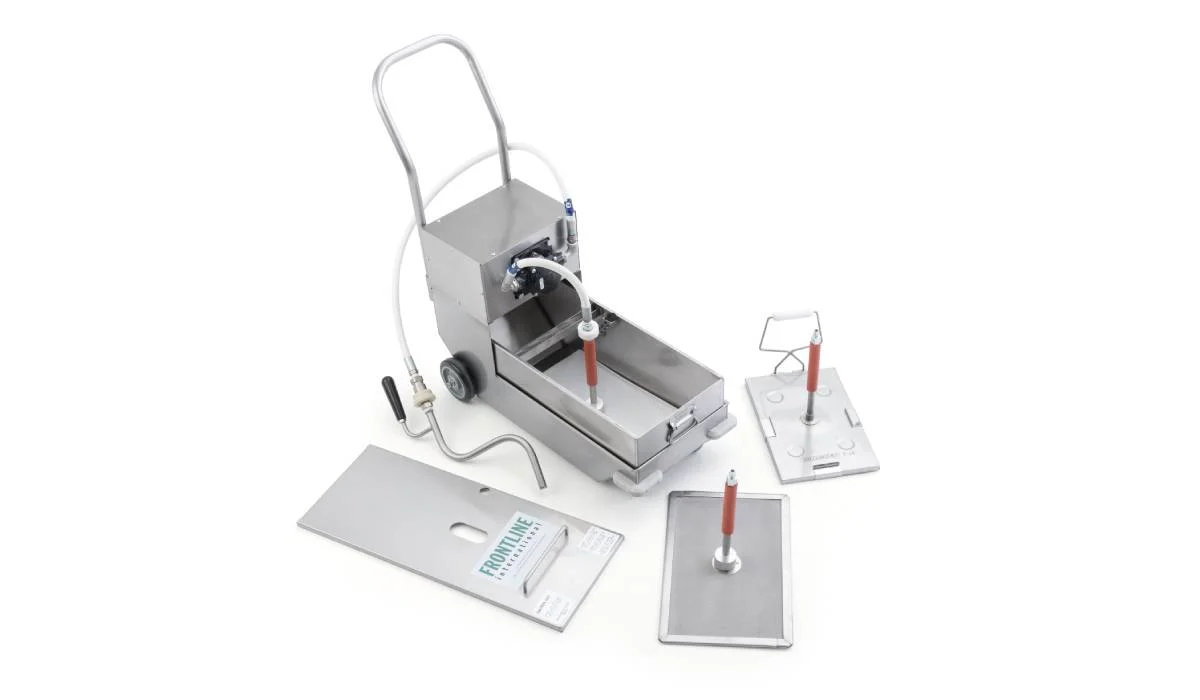
The commercial foodservice industry is currently facing a dual challenge: the rising cost of raw ingredients and an increasingly sophisticated consumer base that demands consistent food quality. In response to these market pressures, Frontline International has introduced its standalone Filtration Machine, a sophisticated solution designed to integrate seamlessly into kitchens where fryers lack built-in filtration systems. By extending the usable life of frying oil by as much as 50%, the machine addresses both the economic and qualitative needs of modern restaurant operations. As the industry pivots toward more sustainable and cost-effective practices, the introduction of such flexible technology represents a significant step forward in back-of-house optimization.
The Critical Role of Oil Quality in Foodservice Operations
In any high-volume kitchen, the fryer is often the heart of the operation, yet the oil within it is frequently one of the most volatile expenses. Oil degradation is an inevitable chemical process caused by heat, oxygen, and moisture, but the primary catalyst for spoilage in a commercial setting is the accumulation of food particles. When breading, batter, or moisture from frozen products enters the oil, it creates "fall-off" particles that carbonize at high temperatures. These carbonized bits accelerate the breakdown of the oil’s molecular structure, leading to off-flavors, smoking, and a greasy texture in the finished product.
Frontline International’s Filtration Machine is engineered to halt this degradation process. By removing these microscopic contaminants, the machine ensures that the oil remains "clean" for a significantly longer period. This is not merely a matter of cost-cutting; it is a matter of brand integrity. Food consistency is the cornerstone of customer loyalty in the quick-service restaurant (QSR) and fast-casual sectors. A customer expects a french fry to taste the same on Tuesday as it did on Sunday. When oil is allowed to degrade, that consistency vanishes, replaced by a bitter or burnt flavor profile that can alienate even the most loyal patrons.
Technical Specifications and Operational Versatility
The Filtration Machine is designed with the rigors of a professional kitchen in mind. Constructed from 100% heavy-duty stainless steel, the unit is built to withstand the high-temperature environment and the frequent cleaning cycles required in foodservice. One of its most impressive technical feats is its speed; the system can pump its full 75-pound capacity of oil in just two minutes. This rapid turnaround is essential in high-volume environments where downtime directly translates to lost revenue.
Portability and ease of use were also central to the design philosophy. The machine is mounted on smooth-rolling, heavy-duty casters, featuring swivel-front brakes that allow it to be locked securely in place during operation. This mobility allows a single filtration unit to serve multiple fryer batteries across a kitchen, providing a flexible alternative to expensive, built-in filtration systems that are tied to specific pieces of equipment.
Adaptability to Diverse Culinary Applications
A significant advantage of the Frontline Filtration Machine is its adaptability to different types of food and varying store volumes. Not all fried foods affect oil in the same way, and a one-size-fits-all approach to filtration often leads to inefficiency. For example, kitchens that primarily serve french fries will find that their oil lasts longer because potatoes produce fewer fall-off particles. In these instances, the filtration cycle can be less frequent.
Conversely, establishments that specialize in breaded or battered products—such as fried chicken, seafood, or tempura—face much faster oil degradation. These breading materials act as a catalyst for oil spoilage, necessitating more frequent and rigorous filtration. The Filtration Machine allows operators to customize their maintenance schedule based on these specific needs. Furthermore, the machine easily switches between different types of filter media. Operators can choose between a disposable paper filter element for fine particulate removal or a reusable stainless-steel filter for a more sustainable, long-term solution. Frontline International’s representatives provide consultative support to help kitchens determine the optimal media based on their specific menu and frying frequency.
The Economic Impact: Beyond the Purchase Price
The financial implications of implementing an advanced filtration system are profound. When a kitchen extends its oil life by 50%, the return on investment (ROI) can often be measured in months rather than years. For a high-volume restaurant spending thousands of dollars a month on cooking oil, reducing that expenditure by half represents a massive boost to the bottom line.
However, the savings extend beyond the initial purchase of the oil. The Filtration Machine also plays a crucial role in the management of Used Cooking Oil (UCO). In the modern "green" economy, UCO is a valuable commodity used in the production of biodiesel and other renewable fuels. Renderers and recycling companies often provide rebates to restaurants for their used oil. The value of these rebates is frequently tied to the quality of the oil being collected. By giving the UCO a "final scrub" through the filtration machine before it enters the containment tank, operators can command higher rebates, turning what was once a waste product into a consistent revenue stream.
Safety and Labor Efficiency in the Modern Kitchen
In addition to the financial and qualitative benefits, the Filtration Machine addresses two of the most pressing issues in the modern foodservice industry: labor and safety. Manual oil filtration is a dangerous, messy, and time-consuming task. It exposes staff to the risk of severe burns and creates slip-and-fall hazards due to spilled oil.
By automating the movement and filtration of oil through a closed or semi-closed system, Frontline International significantly reduces the risk of workplace injuries. This not only protects the staff but also reduces the restaurant’s liability and potential workers’ compensation claims. From a labor perspective, the ease of use and speed of the machine allow employees to complete the filtration process quickly and move on to other tasks, such as food preparation or customer service. In an era of chronic labor shortages, any technology that simplifies a difficult task is a major operational win.
Industry Context and Market Trends
The launch of this filtration machine comes at a time when the global cooking oil market is experiencing unprecedented volatility. Factors ranging from geopolitical conflicts to climate-related crop failures have caused the prices of soybean, canola, and palm oils to fluctuate wildly. In such an environment, oil conservation is no longer just a "best practice"—it is a necessity for survival.
Furthermore, the "Smart Kitchen" trend is driving a demand for equipment that provides better data and control. While the Filtration Machine is a mechanical solution, it fits into a broader ecosystem of oil management that Frontline International has championed for years. By integrating filtration with storage and disposal systems, operators can gain a holistic view of their oil usage, identifying patterns of waste and optimizing their ordering schedules.
Chronology of Innovation at Frontline International
Frontline International has a long-standing history of innovation in the field of oil management. The company began by addressing the problems associated with the "grease bin" behind the restaurant—an unsightly, smelly, and often dangerous method of storing used oil. Over the decades, they moved toward indoor storage solutions and eventually toward the "closed-loop" systems that are now the gold standard in the industry.
The development of the standalone Filtration Machine represents a continuation of this timeline. It recognizes that while many new, high-end fryers come with built-in filtration, there remains a vast market of existing kitchens using traditional equipment. This machine "fills the gap," bringing the benefits of modern filtration technology to any kitchen, regardless of the age or model of their fryers.
Expert Analysis: The Broader Implications
Industry analysts suggest that the move toward high-efficiency filtration is part of a larger shift toward "precision foodservice." As margins in the restaurant industry remain thin, the ability to control every variable—from the micron-level cleanliness of fry oil to the exact rebate per gallon of UCO—becomes a competitive advantage.
"The introduction of standalone units like Frontline’s Filtration Machine democratizes high-level oil management," says one industry consultant. "It allows independent operators and smaller chains to compete with the efficiency of major global brands. When you consider the combined impact of oil savings, labor reduction, and increased UCO rebates, it becomes clear that this is an investment in overall profitability, not just a piece of kitchen hardware."
Conclusion: A Future-Proof Solution for Foodservice
As the foodservice landscape continues to evolve, the demand for equipment that is flexible, durable, and economically impactful will only grow. Frontline International’s Filtration Machine is positioned as a vital tool for any kitchen looking to modernize its operations without the need for a complete equipment overhaul. By focusing on the fundamentals of oil chemistry, operational safety, and economic recovery, Frontline has provided a solution that addresses the immediate needs of today’s chefs while preparing them for the sustainability requirements of tomorrow.
For more information on how the Filtration Machine can be integrated into specific kitchen environments, or to explore the full range of oil management solutions, interested parties are encouraged to visit www.frontlineii.com. In a world where every penny counts and every meal must be perfect, the right filtration system is not just an accessory—it is an essential component of a successful culinary business.