admin
admin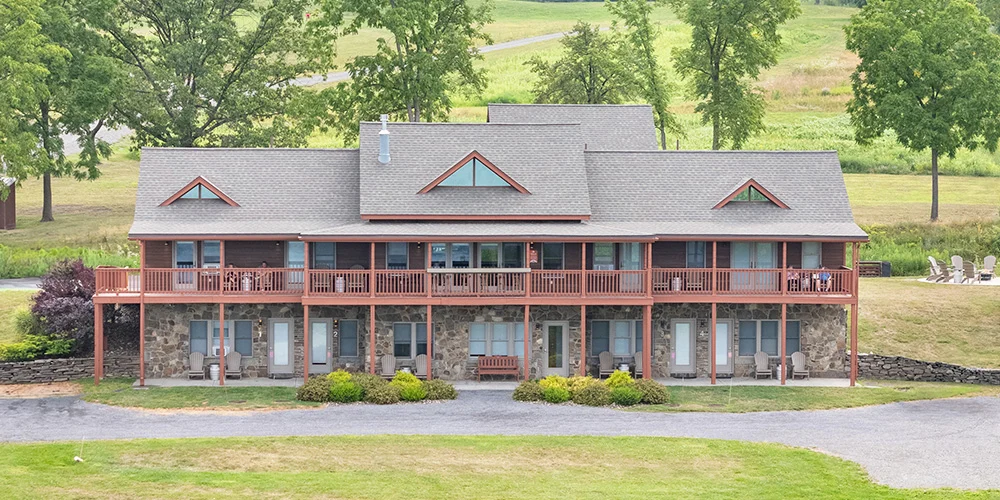
The landscape of American craft brewing is undergoing a significant structural evolution, moving beyond the traditional taproom model to embrace a comprehensive hospitality strategy known as "beercations." Across the United States, independent brewers are increasingly diversifying their portfolios by transforming historic buildings, rustic barns, and scenic acreage into boutique accommodations. This shift represents a strategic response to a maturing craft beer market, where brand loyalty is increasingly driven by immersive experiences rather than retail availability alone. From the rugged cliffs of the Columbia River Gorge to the rolling hills of the Finger Lakes, these brewery-led lodging destinations allow consumers to integrate themselves into a brand’s ethos, offering a seamless blend of tourism, storytelling, and artisanal production.
The Strategic Evolution of Craft Beer Tourism
The emergence of brewery-owned lodging is a calculated move within the broader "experience economy," a term coined by researchers to describe a shift where consumers prioritize memorable events over mere commodities. For the craft brewing industry—which contributed approximately $72.2 billion to the U.S. economy in recent years according to the Brewers Association—the move into hospitality is a way to secure higher margins and deeper customer engagement. By providing overnight stays, breweries extend the "dwell time" of their patrons, turning a 45-minute tasting flight into a 48-hour brand immersion.
This trend is particularly vital as the retail shelf space in supermarkets becomes increasingly crowded. Industry analysts note that direct-to-consumer sales, particularly those occurring on-site, offer the highest profit margins for small and independent brewers. By adding beds to their business models, breweries are effectively creating captive audiences for their flagship and experimental pours, while insulating themselves from the volatility of traditional distribution networks.
Cabin Culture and Regional Identity: Backwoods Brewing Company
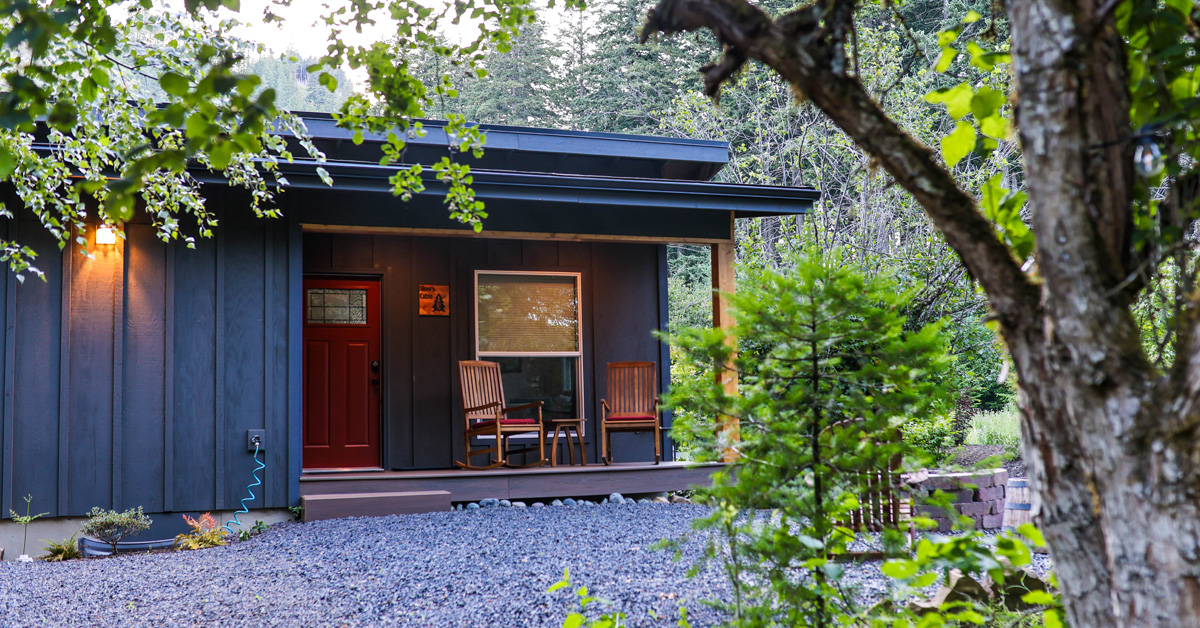
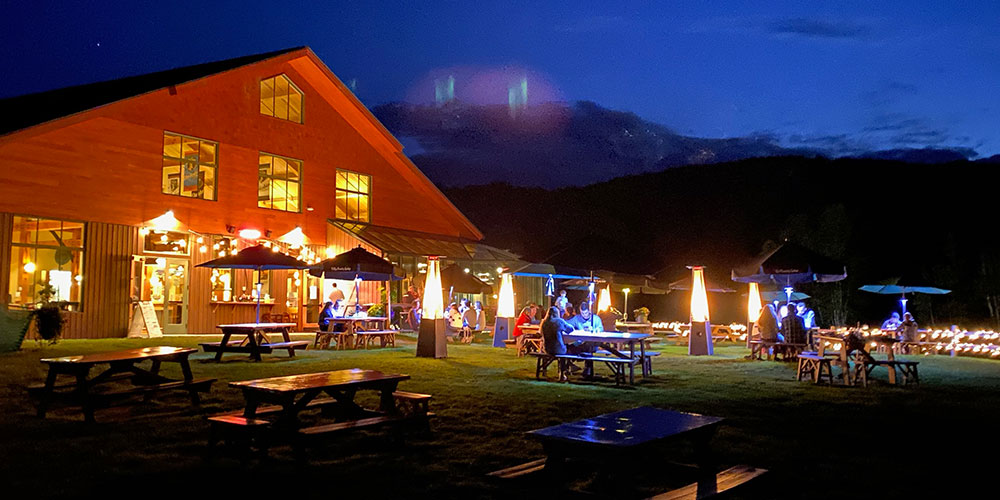
A primary example of this successful integration is found in Carson, Washington, where Backwoods Brewing Company has leveraged its location in the Columbia River Gorge to create a destination that appeals to both outdoor enthusiasts and beer connoisseurs. Situated roughly an hour from Portland, Oregon, the brewery recognized that while their taproom was a popular stop for day-trippers, there was an untapped demand for multi-day stays that reflected the region’s "cabin-core" aesthetic.
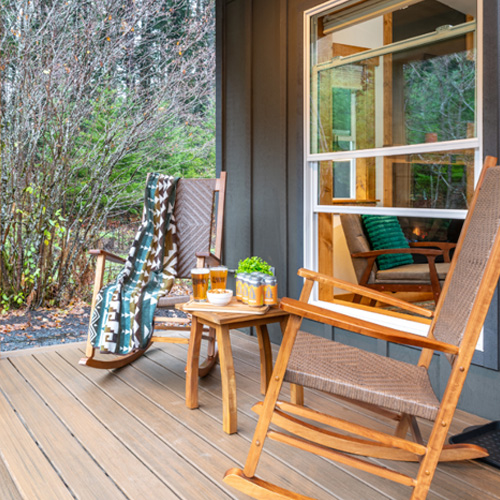
Under the leadership of CEO Steve Waters, the company launched Backwoods Cabins, a collection of eight luxury-leaning units. Each cabin is themed to reflect local recreational activities—such as hiking, kayaking, and stargazing—ensuring that the lodging feels like an extension of the natural environment rather than a standard hotel room. The cabins feature high-end amenities, including 600-thread-count sheets and gas fireplaces, alongside brewery-specific touches like hops-scented spa soaps and kitchenettes designed to store growlers and local provisions.
Waters emphasizes that the hospitality component is not merely an ancillary service but a core storytelling platform. Guests have the option to pre-stock their rooms with a curated selection of current releases, such as the Party Acres Hazy IPA or the Ridge Run Oatmeal Stout. This level of integration ensures that the brewery’s products are the centerpiece of the guest’s relaxation, reinforcing the brand’s identity as a staple of Pacific Northwest outdoor culture.
Historical Preservation and Alpine Tradition: The von Trapp Legacy
While some breweries build new structures, others utilize existing historical legacies to anchor their hospitality offerings. In Stowe, Vermont, the von Trapp Family Lodge—founded by the family that inspired The Sound of Music—has successfully blended its cinematic history with a world-class brewing operation. Johannes von Trapp initiated the brewery with a specific focus on Austrian-style lagers, seeking to replicate the crisp, clean profiles of European beers that were often absent in the early American craft movement.
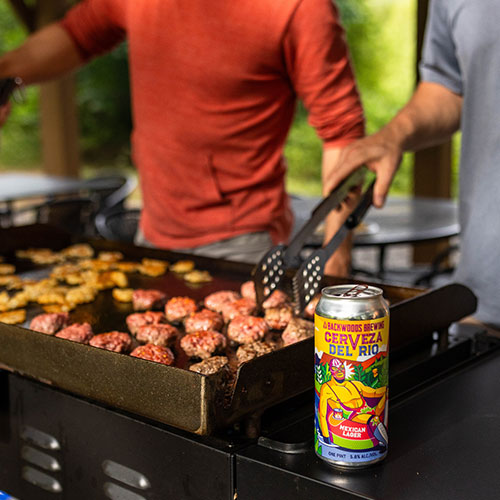
The 2,600-acre alpine resort functions as a fully integrated ecosystem. The von Trapp Brewing facility utilizes natural spring water sourced directly from the property, a fact highlighted during guided brewery tours led by family members. The on-site Bierhall serves traditional Austrian cuisine, such as schnitzel and bratwurst, paired with their award-winning Helles and Kölsch-style ales. For the von Trapp family, the brewery and the lodge are inseparable; the beer is a liquid representation of the land’s heritage, and the lodge provides the context necessary for guests to appreciate the technical precision of their lager-making.
The Integration of Lodging and Production: Grist Iron Brewing
In the Finger Lakes region of New York, Grist Iron Brewing in Watkins Glen took an unconventional path by prioritizing lodging from its inception. Unlike many breweries that add rooms after establishing a brand, Grist Iron’s founders selected their location specifically because it already contained existing accommodations. This "lodging-first" mindset allowed them to design the brewery experience around the needs of an overnight traveler.
The Lodge at Grist Iron features a rustic-modern aesthetic with specific nods to the brewing process, including black-and-white murals and mini-fridges stocked with their own cans, such as the Lake Life IPA and MaXXimus Brown Ale. One of the most notable innovations at the property is the inclusion of built-in "shower beer" ledges in the bathrooms—a playful yet functional design choice that acknowledges and celebrates a specific subculture within the craft beer community.
Furthermore, Grist Iron has expanded its footprint to include "Beer Mountain," a recreational area featuring a disc golf course and a dog park with a "Woof Top" bar. This diversification suggests that the future of brewery stays lies in creating a "resort" atmosphere where the beer serves as the social lubricant for a variety of lifestyle activities.
Adaptive Reuse and Hyper-Branded Environments
The trend of brewery hospitality is also revitalizing urban and historic districts through adaptive reuse. McMenamins, a dominant force in the Pacific Northwest, has become a national model for transforming derelict historic buildings—including former schools, churches, and poor farms—into eclectic hotel-brewery hybrids. Their properties are famous for maintaining original architectural details while adding secret speakeasies and vibrant local art, creating a "treasure hunt" atmosphere that encourages exploration.
In Fargo, North Dakota, Drekker Brewing’s "Brewhalla" project represents the cutting edge of hyper-branded hospitality. The "Crash Pad" boutique hotel features rooms that are direct translations of specific beer labels. For example, the Mind Bullets suite utilizes industrial ductwork and psychedelic murals to mirror the branding of their sour IPA. This approach treats the hotel room as an immersive advertisement, allowing fans to "live" inside the aesthetic of their favorite beverage.
Economic Impact and Market Analysis
The move toward brewery-owned accommodations is supported by shifting travel demographics. According to data from travel industry analysts, "culinary tourism" is one of the fastest-growing sectors in the hospitality market. For small towns and rural areas, these brewery destinations serve as vital economic engines. They create jobs not only in production but also in housekeeping, guest services, and culinary arts.
Moreover, these establishments often act as hubs for other local businesses. A guest staying at a brewery cabin is likely to visit nearby farmers’ markets, equipment outfitters, and independent restaurants, creating a multiplier effect on the local economy. In Mineral Point, Wisconsin, the Commerce Street Brewery Hotel provides a quintessential example of this, where a five-room inn perched above a European-style brewpub anchors the historic district, drawing tourists to a town they might otherwise bypass.
Challenges and Future Outlook
Despite the clear benefits, the integration of brewing and hospitality presents unique challenges. Operators must navigate complex zoning laws and liquor licenses that were often written before the concept of a "brewery hotel" existed. Additionally, the skill sets required to run a consistent brewing operation are vastly different from those needed to manage a luxury hotel. Successful breweries in this space have had to invest heavily in professional hospitality management to ensure that the guest experience matches the quality of the beer.
As the market continues to mature, industry experts predict that the "beercation" model will become increasingly specialized. We may see the rise of wellness-focused brewery retreats offering beer-infused spa treatments, or educational residencies where guests can participate in the brewing process.
The success of destinations like Backwoods, von Trapp, and Grist Iron demonstrates that for the modern consumer, a great pint is no longer enough. The modern beer traveler seeks a connection to the source—a chance to see the stainless steel tanks from their bedroom window and to understand the history of the liquid in their glass. By transforming from manufacturers into hosts, American craft brewers are not just selling beer; they are selling a sense of place, ensuring their relevance in an increasingly experiential world.