admin
admin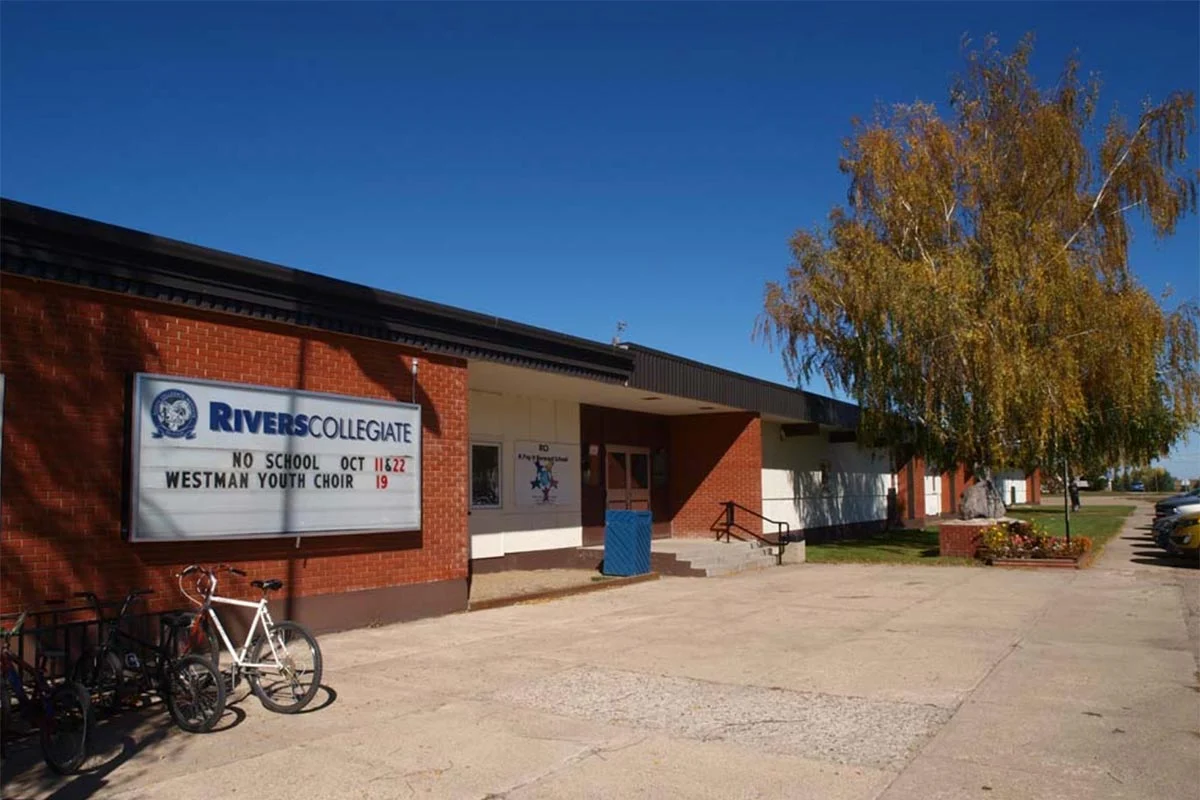
Communities across Canada are grappling with a profound sense of unease and a barrage of difficult questions following the revelation that police in Nova Scotia and Manitoba successfully thwarted separate, yet allegedly coordinated, school attack plots by two teenagers. The arrests, stemming from an international intelligence alert, have sent shockwaves through the seemingly tranquil small towns involved, igniting urgent conversations about online radicalization, youth mental health, and the evolving landscape of school safety in the digital age. The incident has cast a stark light on the vulnerabilities inherent in an increasingly interconnected world, where alarming intentions can fester online before manifesting as tangible threats.
Unraveling a Cross-Provincial Conspiracy
The complex investigation began when a "concerning online conversation" between two Canadian teenagers was detected and flagged to Canadian authorities by the Federal Bureau of Investigation (FBI) and Interpol. This critical international cooperation allowed law enforcement agencies to act swiftly, preventing potential tragedy. Investigators allege that the teens, whose identities are protected under the Youth Criminal Justice Act due to their age, had been actively discussing plans to execute simultaneous violent attacks at Rivers Collegiate in Rivers, Manitoba, and Park View Education Centre in Bridgewater, Nova Scotia. The precision and coordination of the alleged plot, spanning thousands of kilometers across the country, underscore the sophisticated nature of online threat generation and the imperative for robust intelligence sharing among international partners.
The subsequent police actions led to two arrests. A 14-year-old male in Manitoba now faces a charge of uttering threats, reflecting the severity of the language and intent conveyed in the online discussions. In Nova Scotia, a 15-year-old male was apprehended and charged with more serious offenses, including conspiracy to commit murder and uttering threats to cause death. These charges highlight the alleged progression of the plot from mere ideation to active planning and intent to cause grievous harm. Authorities have reassured the public that while there was evidence of planning, the attack was not believed to be imminent at the time of intervention, a testament to the proactive measures taken by law enforcement.
A Timeline of Intervention and Discovery
The sequence of events leading to the arrests unfolded rapidly once the international alert was received. The chronology, though precise details remain under wraps due to the ongoing investigation and the involvement of minors, can be pieced together from official statements:
- Early March: The Federal Bureau of Investigation (FBI) and Interpol identify a concerning online exchange between two Canadian teens. The nature of this exchange, involving discussions of violence and specific targets, prompts immediate flagging.
- Mid-March: The intelligence is relayed to Canadian law enforcement agencies, including the RCMP, triggering an urgent, multi-jurisdictional investigation.
- Investigation Unfolds: Canadian investigators swiftly work to identify the individuals involved and their locations. This phase likely involved digital forensics to trace online activity and physical surveillance.
- Nova Scotia Search and Arrest: Police execute a search warrant at a residence in Nova Scotia. This search yields critical evidence, including detailed handwritten plans for an attack, imitation weapons (including a roughly made imitation pipe bomb and an assault rifle), electronic devices containing concerning content, and clothing adorned with hate symbols and disturbing comments. The 15-year-old suspect is arrested and charged.
- Manitoba Arrest: Concurrently, authorities in Manitoba apprehend the 14-year-old suspect, who is subsequently charged with uttering threats.
- Public Disclosure: Law enforcement and school officials, after ensuring the immediate threat is neutralized and initial support structures are in place, publicly announce the foiled plots and arrests. This disclosure aims to inform the communities, address potential rumors, and outline measures being taken.
- Community Reaction and Support Mobilization: Following the public announcement, community leaders, parents, and students begin to process the information, leading to widespread concern and the mobilization of mental health and safety resources for the affected schools.
Echoes of Disbelief in Quiet Communities
The news has reverberated profoundly in Bridgewater, Nova Scotia, and Rivers, Manitoba—two communities unaccustomed to such disturbing headlines. Bridgewater Mayor David Mitchell articulated the prevailing sentiment, noting that while the immediate threat had been neutralized, the emotional impact was far from over. "It’s March break right now… but kids are going back next week… how do you cope with that? How are you going to adjust?" Mitchell questioned, highlighting the daunting task facing parents, educators, and students as they prepare for a return to school under a cloud of anxiety. The mayor’s poignant query, "In a small town or in a peaceful country like this, how did we get here?" encapsulates a broader national introspection into the societal factors contributing to such alarming incidents.

In Rivers, Manitoba, a village with a population of just over 1,200, the shock was equally palpable. Cole Lelond, a Grade 11 student at Rivers Collegiate, expressed his disbelief: "I was shocked. I didn’t really expect something like this to happen in a small town. I was in disbelief when I heard about it at the start." Lelond noted that with schools already back in session in Manitoba, the close call had visibly altered daily routines, fostering a heightened sense of vigilance. "Everyone is just more cautious and careful with their surroundings," he observed, illustrating the immediate psychological impact on the student body. The disruption of a community’s sense of security, particularly in environments often perceived as insulated from larger societal ills, presents a significant challenge for recovery and reassurance.
The Digital Underbelly and Mental Health Crisis
For many parents, the incident serves as a grim validation of existing fears regarding children’s exposure to harmful content online and the systemic inadequacies in mental health support. Megan Carbonetto, a parent of students at Park View Education Centre, articulated a disheartening lack of surprise. "What I thought as a parent, I was not shocked, which is really unfortunate," she told Global News. Carbonetto critically linked the incident to broader societal failures: "I think it’s very tragic. I think speaks to our mental health system and how there’s huge gaps in care for kids." Her statement resonates with a growing body of evidence and public discourse concerning the escalating mental health crisis among adolescents, exacerbated by factors such as social media pressures, cyberbullying, and limited access to timely and appropriate professional support.
The online dimension of the alleged plot is particularly troubling. The internet, while a tool for connection and learning, also harbors dark corners where extremist ideologies, violent content, and communities fostering harmful intentions can thrive. Youth, often more susceptible to influence and less equipped to discern dangerous rhetoric, can become targets for radicalization or simply find echo chambers that validate disturbing thoughts. The fact that an "online conversation" triggered an international alert underscores the critical role of digital surveillance and the need for parents, educators, and tech companies to collaborate in creating safer online environments. Data from organizations like MediaSmarts consistently highlight the challenges children face online, from exposure to hate speech to the potential for grooming by malicious actors. The average Canadian teenager spends several hours a day online, making digital literacy and parental oversight more crucial than ever.
The "huge gaps in care for kids" that Carbonetto points to are not unique to Nova Scotia or Manitoba. Across Canada, child and adolescent mental health services are often overstretched and underfunded. Wait times for psychological assessments and therapy can be prohibitively long, leaving many young people struggling without adequate support. A 2023 report by the Canadian Institute for Health Information (CIHI) indicated that emergency department visits for mental health and substance use issues among children and youth have significantly increased in recent years, especially post-pandemic. This incident tragically illustrates the potential consequences when mental distress, perhaps coupled with exposure to radicalizing content, goes unaddressed.
Official Responses and A Path Forward
In the immediate aftermath, official bodies have moved swiftly to provide reassurance and establish support mechanisms. Both the South Shore Regional Centre for Education (SSRCE), overseeing Park View Education Centre, and the Rolling River School Division, responsible for Rivers Collegiate, have committed to offering extensive support for staff and students. The SSRCE affirmed that Park View Education Centre is safe for students to return, outlining specific measures: "We know this arrest has raised questions and concerns within the school community, including students who may feel unsafe at school. Staff from SSRCE, including school psychologists, will be at the school next week for any student who needs support. Our School Safety Resource Officer will also be supporting the school when students return from March Break." This multi-pronged approach, integrating mental health professionals with security personnel, aims to address both the emotional and physical safety concerns of the school community.
Similarly, the superintendent of the Rolling River School Division emphasized their focus on the "safety and wellbeing of the students and staff" through ongoing collaboration with the RCMP and the provision of "added supports." These statements reflect a standardized protocol for crisis management in educational settings, prioritizing psychological first aid and creating a visible presence of support staff.

Mayor Mitchell’s encouragement for Bridgewater residents to "seek help and have open conversations" and his assurance that "the community knows those resources are there" underscore the importance of destigmatizing mental health discussions and ensuring accessibility to professional assistance. This community-wide approach to healing and prevention is vital for long-term recovery.
The investigation, police confirmed, is ongoing, with authorities currently believing that only the two apprehended teenagers were involved in the alleged plots. This detail, while reassuring in terms of the scope of the immediate threat, does not diminish the gravity of the incident or the questions it raises about how two young individuals could allegedly conceive and plan such violent acts.
Broader Implications: Redefining Safety in a Complex World
The foiled school attack plots compel a broader national dialogue on school safety, online vigilance, and the holistic well-being of young Canadians. Mayor Mitchell’s question, "So how do we protect our kids? And is that really where we are in the country?" resonates deeply. It challenges Canadians to confront the evolving nature of threats, which increasingly originate in digital spaces before manifesting in the physical world.
The incident highlights several critical areas for focus:
- Enhanced Online Safety and Digital Literacy: There is an urgent need for more comprehensive programs in schools and homes to teach digital literacy, critical thinking about online content, and how to report harmful material. Social media platforms also face increasing pressure to improve their monitoring and moderation capabilities to identify and flag concerning content more effectively.
- Robust Mental Health Infrastructure: The "huge gaps in care" for youth mental health must be addressed through increased funding, expanded services, and reduced wait times. Early intervention and accessible support are crucial in diverting young people from pathways that could lead to violence or self-harm.
- Community Vigilance and Open Communication: Fostering environments where students feel comfortable reporting suspicious activities or concerns about their peers, without fear of reprisal, is paramount. Parents, educators, and community members must be equipped with the knowledge to recognize warning signs and know how to seek help.
- Strengthened Threat Assessment Protocols: Schools and law enforcement agencies must continuously review and update their threat assessment and management protocols, integrating insights from incidents like this to improve preventative measures. This includes clear communication channels between schools, police, and mental health professionals.
- International Cooperation: The successful intervention in this case underscores the invaluable role of international intelligence sharing. Maintaining and strengthening these partnerships is essential in an era where threats often transcend national borders.
The events in Nova Scotia and Manitoba serve as a stark reminder that even in peaceful, close-knit communities, vigilance remains indispensable. While the immediate danger has been averted, the long-term work of healing, education, and prevention is just beginning. It is a collective responsibility to ensure that Canadian schools remain safe havens for learning and growth, and that every young person has the support systems necessary to navigate the complexities of adolescence in an increasingly challenging world. The answers to "how did we get here?" will likely be found in a multi-faceted approach that addresses the digital, psychological, and social dimensions of youth vulnerability and aggression.