admin
admin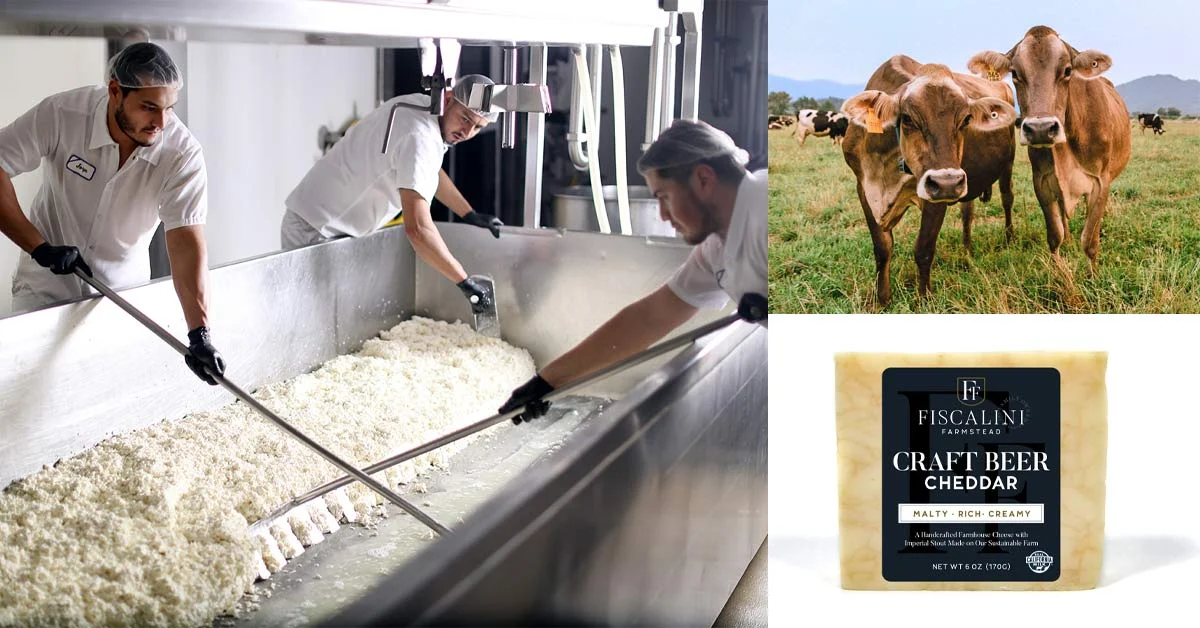
The American culinary landscape is currently witnessing a sophisticated transformation of beer cheese, moving beyond its mid-20th-century origins as a simple tavern spread toward a complex category of artisanal, farmstead cheeses. While the traditional "Kentucky-style" beer cheese—a spicy, spreadable mixture of processed cheddar and flat beer—remains a regional staple, a new generation of American cheesemakers is reimagining the relationship between the creamery and the brewery. By integrating craft beer directly into the cheesemaking process, from curd infusion to rind washing, these producers are creating a distinct market segment that prioritizes traceability, microbial science, and regional terroir.
The Historical Foundations of Kentucky Beer Cheese
The lineage of beer cheese in the United States is rooted in the 1940s in Clark County, Kentucky. Historically, the credit for the original recipe is given to Johnny Allman, who served the "golden-orange" spread at his namesake restaurant on the banks of the Kentucky River. Originally conceived as a sustainable solution to utilize leftover sharp cheddar and flat beer, the product was defined by its "Southwestern flare," incorporating cayenne pepper, garlic, and proprietary spice blends.
In 2006, the legacy was formalized when Kathy Gorman Archer, president of Howard’s Creek Authentic Beer Cheese, revived the brand to significant acclaim. The resurgence of the original recipe coincided with a broader movement in the Commonwealth to recognize the product’s cultural value. In 2013, the Kentucky General Assembly officially designated Clark County as the birthplace of beer cheese, leading to the creation of the Beer Cheese Trail, a tourism initiative that highlights the economic impact of this regional specialty. However, as the craft beer revolution gained momentum in the 21st century, the definition of beer cheese began to expand from a post-production blend to an integrated dairy product.
The Pacific Northwest and the Integration of Hops and Malt
Oregon’s Rogue Creamery has been at the forefront of this evolution, utilizing its proximity to a robust brewing culture to experiment with cheese infusion. Though often confused with Rogue Ales due to their shared name and geographical proximity, the two entities operated independently, maintaining a partnership that lasted until the brewery’s closure in late 2024. For over a decade, Rogue Creamery has produced a Chocolate Stout Cheddar in collaboration with Portland’s Hopworks Brewery, an organic-certified partner that aligns with the creamery’s sustainability standards.
The technical process at Rogue Creamery involves adding beer at a critical juncture: just as the whey begins to separate from the curd. This timing allows the milk and curd to absorb the malty nuances of the stout without overwhelming the natural profile of the cheese. The result is a marbled aesthetic and a subtle sweetness that contrasts with the traditional sharpness of cheddar.
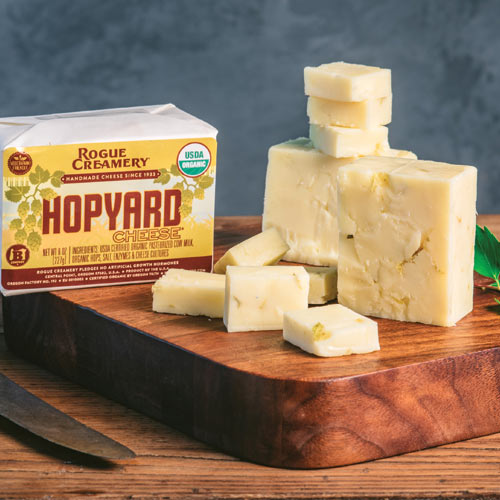
Building on this success, the creamery introduced "Hopyard," a cheddar that utilizes fresh, local Northwest-grown hops rather than finished beer. According to Marguerite Merritt, Rogue Creamery’s brand manager and a certified sommelier, the floral bitterness of the hops provides a unique pairing opportunity for India Pale Ales (IPAs), effectively mirroring the citrus and pine notes characteristic of West Coast brewing styles. This approach represents a departure from traditional flavoring, treating hops as a botanical inclusion similar to herbs or peppercorns.
Farmstead Traditions and the Science of the Curd
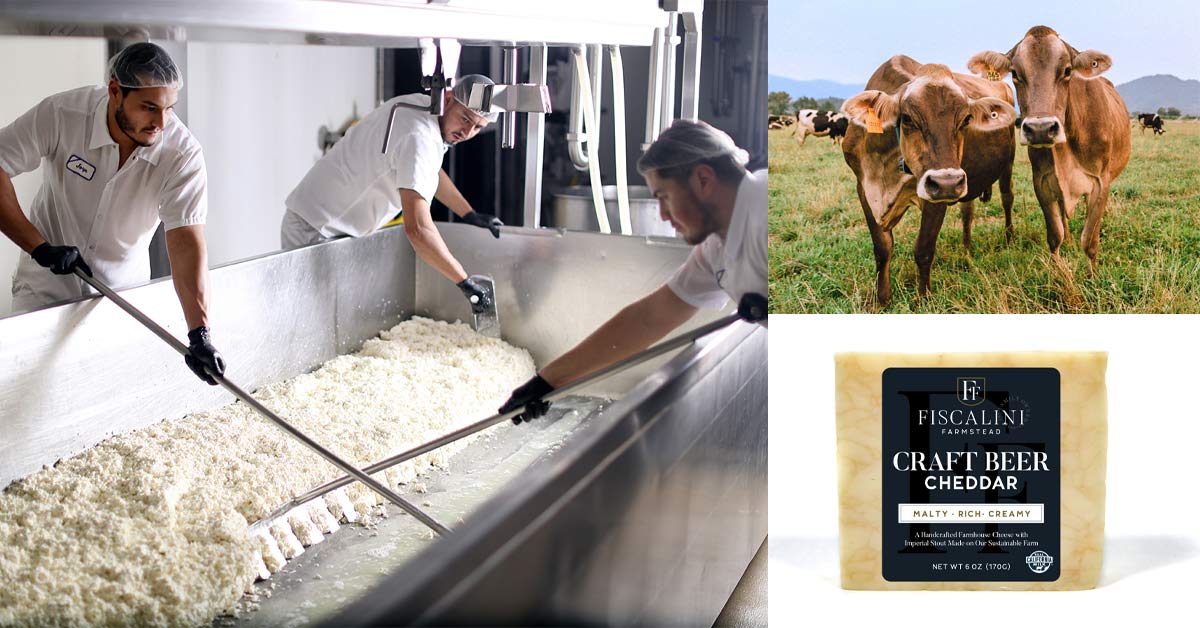
Further south in Modesto, California, Fiscalini Farmstead has applied a century of dairy experience to the craft beer cheese category. Operating since 1914, Fiscalini transitioned to farmstead cheesemaking in 2000, emphasizing a "closed-loop" system where only milk from their own cows is used. This commitment to traceability is exemplified in their Craft Beer Cheddar, a collaboration with Dust Bowl Brewing Company located just 20 minutes away.
The collaboration utilizes Dust Bowl’s Black Blizzard Imperial Stout, a roasty, high-gravity beer that imparts notes of coffee and chocolate to the cheese. According to owner Laura Genasci, the process involves mixing the beer with the curds before they are pressed into 40-pound blocks. The overnight pressing phase is essential, as it forces the beer into the structure of the cheese, creating a mottled appearance and ensuring a consistent flavor profile throughout the wheel.
Alex Borgo, Fiscalini’s cheesemaker, highlights the microbial synergy between brewing and cheesemaking. Both processes rely on enzymatic activity—malt activation in brewing and starter culture activation in cheesemaking. When a rich, creamy milk stout is introduced to a sharp, tangy cheddar base, the resulting product undergoes a complex aging process. While the beer cheddar is typically aged for three months, Borgo notes that extended aging intensifies both the cheddar’s sharpness and the beer’s malty characteristics, a fact demonstrated by limited "two-year reserve" releases that mirror the robustness of barrel-aged ales.
The Mid-Atlantic Model: Retail Partnerships and Regional Impact
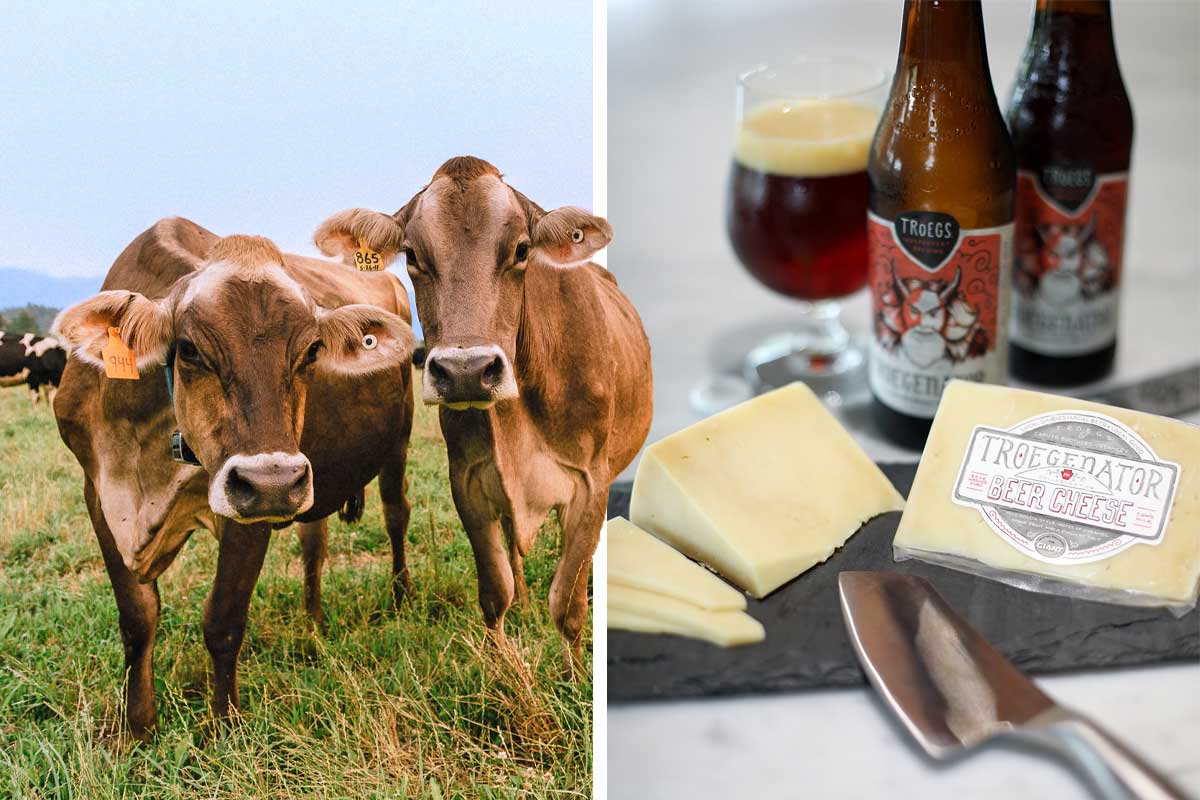
In Pennsylvania, the development of beer cheese has been driven by strategic partnerships between local producers and major retail chains. Caputo Brothers Creamery, based in Spring Grove, entered the category at the request of Giant Food Stores, a regional grocery giant looking to stock local collaborations. The resulting partnership between Caputo Brothers and Tröegs Independent Brewing created a supply chain that benefited Pennsylvania dairy farmers directly.
Rynn Caputo, co-founder of the creamery, noted that the project was designed for regional impact. By using Tröegs’ flagship Troegenator Double Bock, the creamery produced a gouda-style cheese that gained immediate traction on social media and in retail aisles. The process is resource-intensive; an entire keg of beer is used for a single batch of cheese, providing a distinct golden hue and a noticeable sweetness.
The creamery’s experimentation has since expanded to include Tröegs’ Perpetual IPA and Mad Elf, an 11% ABV Belgian-style holiday ale. For the Perpetual IPA cheese, Caputo implemented a "dry-hopping" technique, infusing the milk with Citra hops before the cheesemaking process begins. To further enhance the profile, the rinds are sprayed with beer during the salt-water brining phase.
The technical success of these products hinges on pH management. Milk typically sits at a pH of 6.4 to 6.8; if the acidity of the added beer drops the pH too low (below 4.0), the curds become rubbery. Conversely, if the pH remains too high, the curds fail to bind. Mastering this balance has allowed Caputo to launch "Custom Cheesemakers," a subsidiary that provides specialized production services for breweries nationwide, effectively industrializing the artisanal beer cheese concept.
Washed Rinds and Urban Creameries
In the Midwest, the trend has manifested through "washed-rind" techniques and the rise of urban creameries. Indianapolis-based Tulip Tree Creamery specializes in double-cream cheeses where the rinds are washed with a solution of bacteria cultures, salt, and local beer. This method, rooted in Dutch cheesemaking traditions, allows the essence of the beer to permeate the cheese through the rind rather than being mixed into the curd.
Tulip Tree has collaborated with numerous local breweries, including Sun King and 3 Floyds. Laura Davenport, co-owner of Tulip Tree, emphasizes that not all beers are suitable for this process. While high-IBU (International Bitterness Units) beers like IPAs are popular for drinking, they can impart an unpleasant bitterness to the cheese rind. Consequently, the creamery often opts for cleaner profiles, such as 3 Floyds’ JinxProof Pilsner, to achieve a balanced flavor.
Similarly, Urban Stead Cheese in Cincinnati, Ohio, has utilized its urban location to tap into the city’s German heritage. Founded in 2018 by Andrea Robbins, the creamery focuses on "fresh" cheeses like quark, which require no aging. Their foray into beer cheese involves a collaboration with Braxton Brewing Company’s Storm Golden Cream Ale. Unlike the hard cheddars of the West Coast, Urban Stead’s product is a "Kentucky-style" fresh spread with the texture of ricotta or cream cheese. Because it is a fresh product, it allows the creamery to maintain a consistent cash flow while their more complex English-style clothbound cheddars age for up to 20 months.
Broader Economic and Culinary Implications
The shift toward integrated beer cheese reflects a broader trend in the American food industry: the "premiumization" of regional staples. By moving away from the "leftover" mentality of the 1940s and toward intentional, science-based collaborations, cheesemakers are tapping into a lucrative market of craft beverage enthusiasts.
Data from the Specialty Food Association suggests that "collaborative products" are a significant growth driver in the artisanal dairy sector. These partnerships allow creameries to leverage the existing brand loyalty of established breweries, while breweries gain a presence in the specialty food aisle. Furthermore, these initiatives provide a critical outlet for local dairy farms, many of which have struggled with fluctuating milk prices. By turning raw milk into a value-added, branded product like "Troegenator Cheese" or "Black Blizzard Cheddar," farmers and producers can command higher margins.
The culinary applications are also expanding. Chefs are increasingly using these beer-infused cheeses not just as snacks, but as ingredients in pasta fillings, baking, and sophisticated charcuterie presentations. As the American palate continues to evolve, the intersection of the brewery and the dairy farm represents a unique synthesis of tradition and innovation, proving that beer cheese is no longer just a tavern appetizer, but a legitimate category of domestic artisanal craft.