admin
admin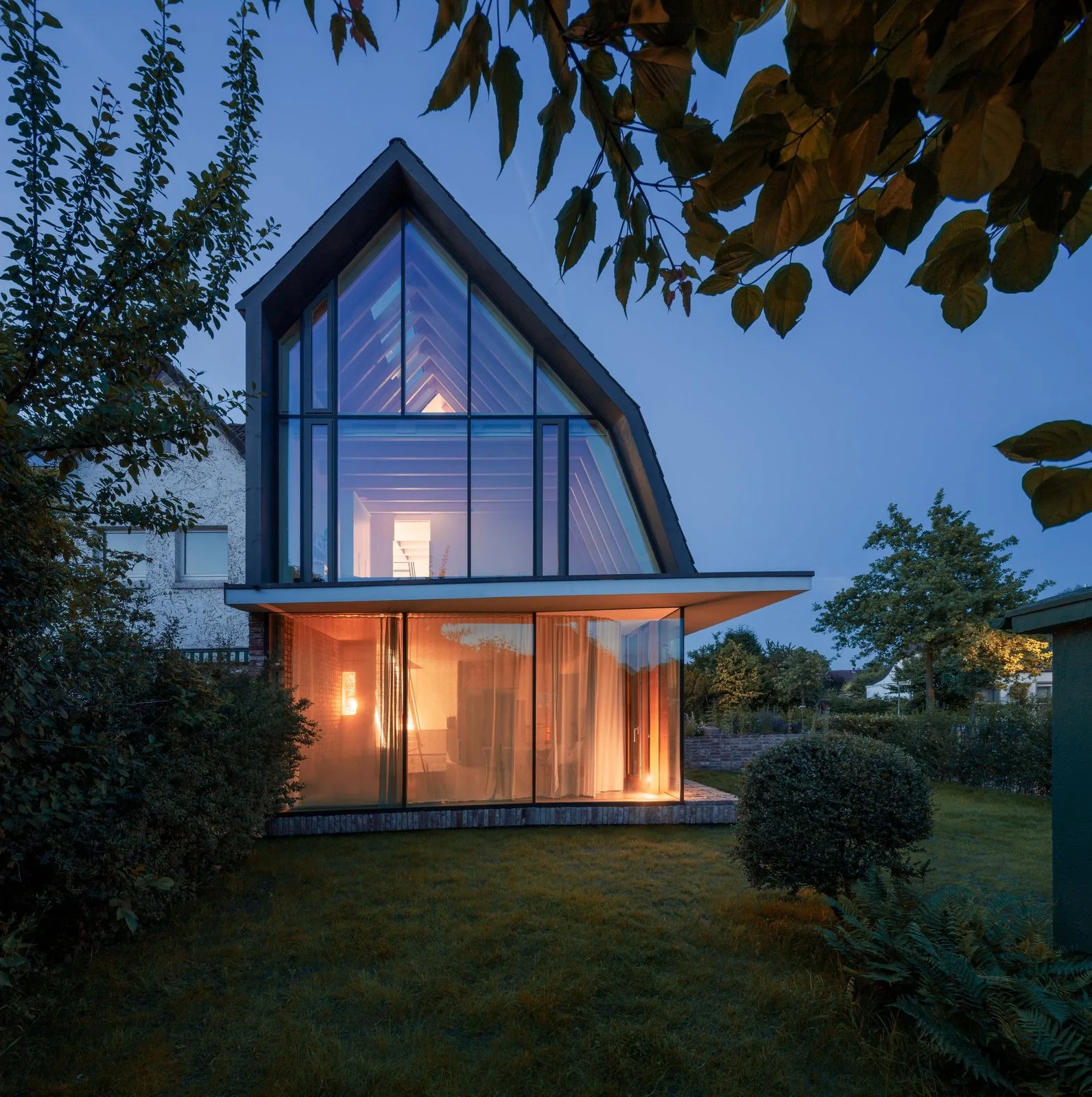
Münster, Germany – In a remarkable act of architectural metamorphosis, a historic officer’s residence, originally part of the sprawling Train Barracks built in 1913, has been meticulously reimagined by Andreas Schüring Architekten. Known as House No. 24 on Weissenburgstraße, this once-stately brick edifice, a silent witness to a century of history, has been transformed into a luminous and ecologically conscious dwelling, serving as a striking urban landmark within the city’s evolving Weissenburg garden settlement. This project stands as a powerful testament to adaptive reuse, skillfully bridging historical preservation with cutting-edge sustainable design, and symbolizing a deliberate shift from a military past to a peaceful, community-oriented future.
A Century of Transformation: From Barracks to Modern Dwelling
The narrative of House No. 24 is deeply interwoven with Münster’s urban development and Germany’s post-military landscape. The original Train Barracks, erected in 1913, were a significant feature of Münster’s urban fabric during the Wilhelminian era, reflecting a period of rapid industrialization and military expansion. These two-story brick houses along Weissenburgstraße were specifically constructed to accommodate officers, embodying the architectural sensibilities of the time, characterized by robust construction and often subtle, yet distinctive, ornamentation.
Münster itself, a city with a rich history dating back to its founding as a monastic settlement, evolved through various historical epochs, including its prominence as a Hanseatic city and later as a significant administrative and cultural center in Westphalia. The presence of military installations like the Train Barracks was common in many German cities, serving strategic and logistical purposes. For decades, these barracks were active, contributing to the city’s social and economic life, albeit with a military rather than civilian character.
The late 20th and early 21st centuries brought about profound changes. Following the end of the Cold War and the restructuring of military forces in Germany, many former barracks and military sites became redundant. This presented both a challenge and an opportunity for urban planners. The concept of "Konversion" – the conversion and repurposing of former military sites – became a cornerstone of urban regeneration efforts across the nation. These sites, often large and strategically located, offered prime opportunities for creating new housing, commercial spaces, and green areas, fostering sustainable urban growth.
In Münster, this process culminated in 2008 with the demolition of the main barracks building, though other ancillary structures had already been removed. Crucially, some residential houses, including the commandant’s house and the officers’ residences on Weissenburgstraße, were preserved. On the cleared land, the visionary Weissenburg garden settlement emerged. This development was conceived as a "deliberate counter-design" to its former military use, emphasizing a car-free environment, extensive green spaces, and a strong sense of community – values antithetical to the rigid, hierarchical nature of a military installation. The transformation underscored a societal shift towards more humane, ecological, and resident-focused urban living.
Within this renewed context, House No. 24, dating back to 1913, now occupies a pivotal position. While it lacks formal legal listing as a historical monument, its architectural integrity and deep integration with its surroundings ensure its status as a culturally defining structure. It exemplifies the typical residential architecture of its era, closely interwoven with the streetscape, and plays a character-shaping role for Weissenburgstraße. The architect’s decision to preserve and enhance this structure was therefore not merely a renovation but an act of urban stewardship, recognizing its intangible heritage value.
Architectural Vision: A Dialogue Between Eras, Where Brick Meets Light
The architectural brief for House No. 24 was ambitious: to respect the building’s historical essence while infusing it with contemporary functionality, energy efficiency, and a distinctly modern aesthetic. The project, led by Andreas Schüring Architekten, sought to create a dialogue between the solidity of the past and the transparency of the present. The challenge lay in transforming a structure inherently linked to a military past, despite its "playful and charming" ornamentation, into a symbol of open, sustainable living.
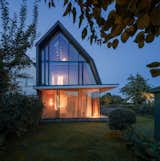
The architects observed that the original house, with its "almost sugar-coated ornamentation," possessed an unexpected lightness that set it apart from the more austere barracks architecture of its time. This inherent charm became a starting point for the new design, which aimed to acknowledge and enhance the neighborhood’s existing character. Rather than imposing a completely new aesthetic, the renovation sought an "organic continuation" of the existing building, a concept central to sensitive adaptive reuse.
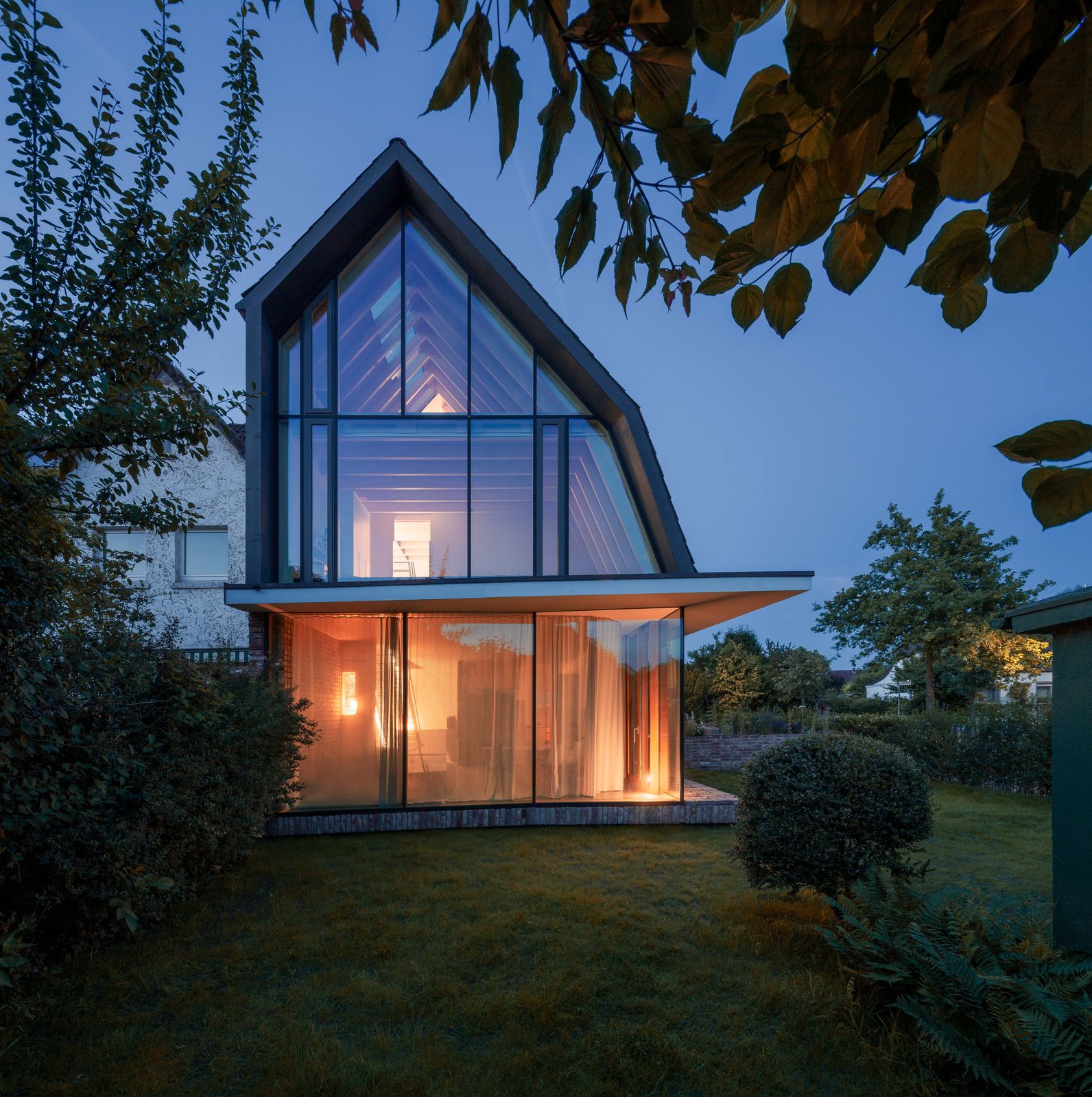
The most dramatic exterior intervention involves the roofline. A "morphing transition" from the robust, solid brick body of the original house gives rise to a new volume that elegantly unfolds within the mansard roof, culminating in a striking "glass lantern." This innovative approach allows the original building’s form to remain legible, its historical geometry and tectonic qualities subtly carried forward into the modern addition. The traditional mansard’s inflection is softened, and the historic eaves are ingeniously extended and transformed into a contemporary shading canopy. This design move creates a visual narrative: the historic facade becomes "the starting point of a movement that culminates in light at the roof," symbolizing the house’s journey from its dense, historical origins to an airy, illuminated present.
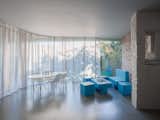
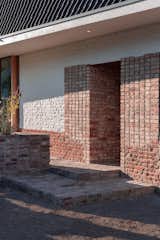
Materiality plays a crucial role in this dialogue. The warm, earthy tones and robust texture of the original brick facade are juxtaposed with the sleek, reflective surfaces of the new glass and steel elements. This contrast is particularly evident at the entrance, where a precisely cut niche recedes into the interior, framed by a plain steel plate that deliberately contrasts with the historic brick. This bold, minimalist intervention at the threshold serves as a clear demarcation between old and new, yet it is executed with a precision that respects the original structure.
Even the ancillary elements were thoughtfully integrated. A relic from the barracks era, a laundry shed, was given a "subtle, muted green tone." This specific color, chosen in careful consultation with the city planning department, was also applied to other outbuildings and technical installations, such as electrical boxes and the air-source heat pump. This strategic color choice allows these functional elements to "visually recede and blend discreetly into the overall appearance," ensuring that the architectural character of the neighborhood, and specifically House No. 24, remains paramount. This attention to detail underscores a holistic approach to urban design, where every component contributes to the harmonious integration of the building within its historical and contemporary surroundings.
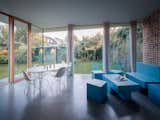
Illuminating the Interior: A Journey Through Light and Space
The interior transformation of House No. 24 is as profound as its exterior evolution, meticulously crafted to maximize natural light and create a dynamic, multi-layered living experience. The architects envisioned the interior as an upward-opening space, a deliberate departure from the more compartmentalized layouts typical of early 20th-century officer residences.
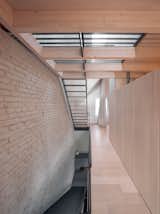
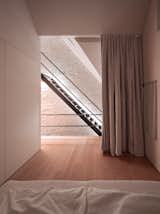
Central to this vision is a new, central stairwell that acts as the vertical spine of the house, connecting all levels from the basement to the attic. This is no mere functional element; it is a sculptural intervention designed to channel daylight deep into the building’s core. The new steel staircase is characterized by its "filigree and open" construction. Its continuous handrail, flowing seamlessly from one floor to the next, and its perforated steps are not just aesthetically pleasing but serve a critical purpose: they allow light to pass freely, ensuring that even the lower levels benefit from the abundant natural illumination filtering down from above. This design choice fosters a sense of transparency and connectivity throughout the house, making each floor feel integrated rather than isolated.
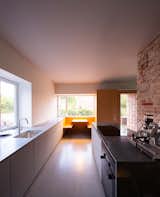
Further enhancing the penetration of daylight, a "light floor" made of open steel grating has been installed in the attic. This innovative element replaces a traditional closed slab above the central void, effectively extending the light well and ensuring that daylight reaches deep into the heart of the house. The effect is transformative, turning what might have been dark corners into bright, inviting spaces. The strategic use of reflective surfaces and light-colored materials further amplifies this effect, creating an interior environment that feels expansive and uplifting.
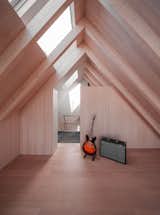
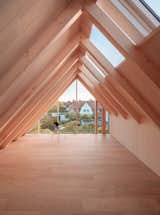
The journey through House No. 24 is conceived as a "staged path." Upon entering, the precisely cut niche, framed by a plain steel plate, provides a modern counterpoint to the historical brick facade, signaling the architectural dialogue at play. This entry point initiates a sensory progression that culminates at the uppermost level: an open studio space beneath the new glass lantern roof. This attic studio is described as a "place of curiosity," designed to inspire and offer "wide views over the city’s rooftops." This panoramic vantage point transforms the attic from a utilitarian space into a vibrant, creative hub, connecting the residents directly with the urban landscape and the sky above. It is a space that encourages contemplation and engagement with the surroundings, embodying the spirit of openness that defines the renovation.
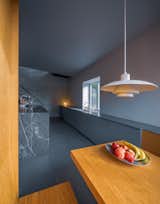
Complementing the upward flow of light and space, the glazed rear facade opens the building toward the garden. This direct visual and physical connection to the outdoor environment further blurs the lines between interior and exterior, inviting nature into the living spaces. The design emphasizes natural ventilation and a fluid transition to the private garden, creating a serene oasis amidst the urban setting.
Sustainable Symbiosis: Blending Heritage with Modern Efficiency
Beyond its aesthetic and spatial innovations, the renovation of House No. 24 exemplifies a deep commitment to sustainable design and environmental responsibility. The architects have skillfully integrated both passive and active strategies to ensure the building operates with high energy efficiency and provides optimal comfort for its inhabitants, all while respecting its historical context.
A cornerstone of the sustainability approach is the implementation of passive design elements for effective climate control. Generous roof overhangs, a feature often seen in traditional architecture for protection against the elements, are reimagined here to provide crucial shading. Similarly, the historic cornice, a decorative projection near the top of the wall, is cleverly transformed into a protective canopy. These elements work in concert to significantly reduce solar gain, especially during the warmer months. Furthermore, strategically placed closed wall sections on the south side of the building are designed to minimize direct sun exposure, thereby preventing overheating. These measures collectively provide "effective summer heat protection," often eliminating the need for conventional, energy-intensive shading systems. This intelligent integration of historical features with modern climate control principles demonstrates a thoughtful approach to eco-conscious design.
In terms of active energy systems, the house incorporates an air-source heat pump. This technology is a hallmark of modern sustainable construction, drawing heat from the outside air (even in cold temperatures) to warm the interior and provide hot water, significantly reducing reliance on fossil fuels. Its integration, along with other technical installations, was carefully considered in collaboration with the city, resulting in the discreet, muted green color palette for external elements. This not only ensures visual harmony but also reflects a broader municipal commitment to sustainable infrastructure and urban aesthetics.
The choice of materials also contributes to the building’s sustainable profile. The preservation and reuse of the original brick facade minimize the embodied energy associated with new construction materials. Where new elements are introduced, such as steel for the staircase and glass for the lantern and rear facade, they are selected for their durability, recyclability, and ability to enhance natural light and ventilation, further reducing the building’s operational energy demand. The transparent glass elements allow for maximum daylight penetration, lessening the need for artificial lighting during the day, which is a significant energy saver.
Moreover, the integration with the natural environment is a key aspect of the project’s sustainability. The glazed rear facade not only opens the interior to the garden but also encourages a symbiotic relationship between the built environment and nature. The car-free nature of the Weissenburg garden settlement itself promotes a healthier, more pedestrian-friendly lifestyle, reducing the carbon footprint associated with daily commutes. This holistic approach, encompassing site planning, passive design, active energy systems, and material selection, positions House No. 24 as a model of sustainable adaptive reuse in a historical urban context.
A Model for Urban Regeneration: Preserving the Past, Building the Future
The transformation of House No. 24 on Weissenburgstraße transcends a mere renovation; it represents a significant case study in urban regeneration and the sensitive adaptive reuse of historical structures. This project offers profound implications for architectural practice, urban planning, and community development, particularly in cities grappling with the legacy of their past and the demands of a sustainable future.
One of the most critical implications lies in its successful navigation of the complex relationship between architectural preservation and modernization. The house, though not legally protected, held immense cultural value. The architects demonstrated that it is possible to respect and even enhance this heritage while simultaneously introducing radical contemporary elements and upgrading the building to meet stringent modern standards for comfort, energy efficiency, and functionality. This approach avoids the pitfalls of both overly rigid preservation, which can render buildings obsolete, and indiscriminate demolition, which erases valuable historical layers. Instead, it advocates for a dynamic form of stewardship where the past is not just conserved but actively engaged with and revitalized for contemporary life.
The project significantly contributes to the evolving urban identity of Weissenburgstraße and, by extension, Münster. By converting a former military site into a car-free garden settlement and sensitively renovating its historical remnants, the city signals a clear commitment to peaceful, green, and livable urban spaces. House No. 24, with its striking blend of old and new, acts as a visible symbol of this transformation, becoming a benchmark for other adaptive reuse projects within the city and beyond. Its status as a "striking urban landmark" is a testament to its successful integration into the new urban narrative.
In terms of community impact, the Weissenburg garden settlement itself represents a forward-thinking approach to residential development. The creation of a car-free environment prioritizes pedestrians and cyclists, fosters social interaction, and reduces noise and air pollution, contributing to a higher quality of life for its residents. The renovation of House No. 24, as a key component of this settlement, reinforces these community-oriented values, demonstrating how individual architectural projects can contribute to broader urban planning goals that enhance livability and well-being.
Statements and reactions from various stakeholders, while not explicitly quoted, can be logically inferred. The architects’ detailed narrative, emphasizing the "deliberate counter-design" to military use and the desire to "acknowledge and enhance" the neighborhood’s character, speaks volumes about their vision. The "consultation with the city" regarding paint tones for the outbuildings and technical installations suggests a collaborative process, indicating municipal support for projects that balance historical sensitivity with sustainable innovation. Urban planners and city officials would likely view this project as a successful model for Konversion, showcasing how former military sites can be transformed into vibrant, ecologically sound residential areas. The positive reception implied by its designation as a "culturally defining structure" and "urban landmark" suggests that the community and design enthusiasts appreciate the thoughtful blend of history and modernity.
Looking forward, the transformation of House No. 24 positions it within broader architectural trends of adaptive reuse, sustainable urban densification, and the creation of resilient cities. As urban populations grow and the imperative for environmental responsibility intensifies, projects like this offer valuable lessons in how existing building stock can be leveraged to meet future housing needs without sacrificing historical character or ecological principles. It demonstrates that with creative vision and careful execution, even buildings with a historically rigid purpose can be reborn as vibrant, light-filled spaces that resonate with contemporary values. The house stands as a luminous example of how architecture can reconcile the past with the future, offering a blueprint for sustainable living in a historically rich setting.