admin
admin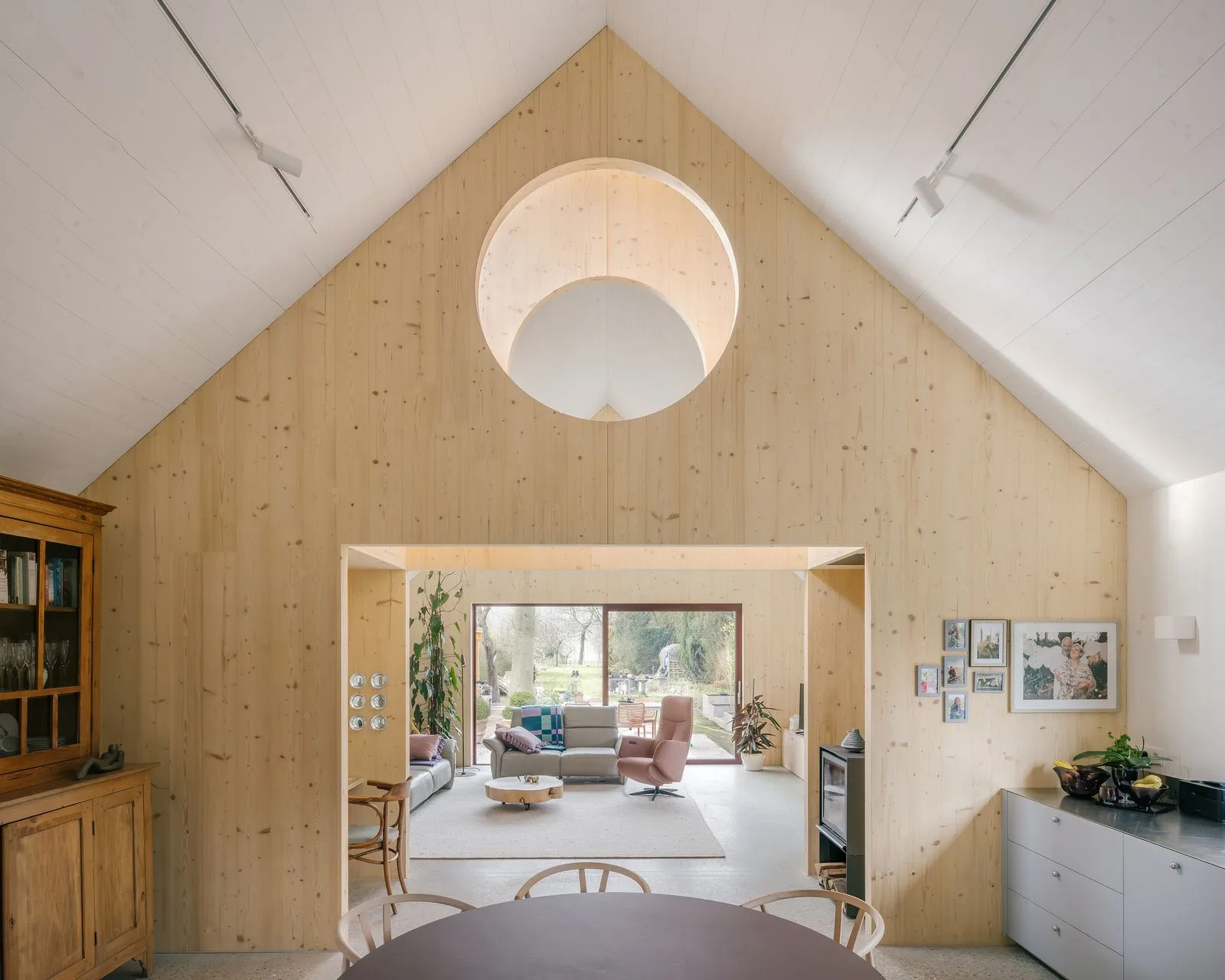
In the historic and picturesque city of Ghent, Belgium, a single-story residence has emerged as a compelling model for adaptive and sustainable living, meticulously designed to support a retired couple’s desire to age in place with unparalleled dignity, autonomy, and comfort. Spanning an intelligent 1,830 square feet, this architectural marvel, photographed by the discerning eye of Stijn Bollaert, transcends conventional notions of retirement housing, offering a forward-thinking framework that harmonizes functional necessity with aesthetic elegance and environmental responsibility. The project’s core philosophy, as articulated by its architect, centers on creating a fully accessible environment structured around a clear sequence of alternating "served and servant" living spaces, adeptly anticipating both everyday routines and potential future care needs.
The Evolving Landscape of Aging in Place

The concept of "aging in place" has rapidly transitioned from a niche preference to a critical global demographic imperative. As populations worldwide, particularly in developed nations like Belgium and across Europe, experience significant increases in life expectancy and a corresponding rise in the proportion of elderly citizens, the demand for housing solutions that support independent living into later life has soared. According to projections by the United Nations, the number of people aged 65 and older is expected to double globally by 2050, reaching 1.6 billion. In the European Union, the share of people aged 65 and over is already approaching 21%, a trend that places immense pressure on traditional care infrastructures and necessitates innovative residential designs.
Historically, aging has often been associated with a transition to institutional care facilities, which, while providing essential services, can sometimes detract from an individual’s sense of autonomy and connection to their community. The "aging in place" movement champions the right of older adults to live in their homes and communities for as long as possible, maintaining their independence, social networks, and quality of life. This shift is driven by a combination of factors: personal preference for familiarity and comfort, the economic burden of long-term institutional care, and a growing recognition of the psychological benefits of remaining in one’s own environment. Architects and designers are increasingly tasked with creating homes that are not only aesthetically pleasing but also inherently adaptable, accessible, and resilient to the changing needs of their occupants over decades. The Ghent project stands as a testament to this evolving paradigm, showcasing how thoughtful design can proactively address these challenges, moving beyond mere compliance with accessibility standards to craft spaces that actively enhance well-being and foster a sense of belonging across generations.
A Blueprint for Dignified Living: Design Philosophy
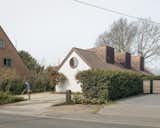
The architectural vision for this Ghent residence is deeply rooted in a human-centric approach, prioritizing the long-term well-being of its occupants. The single-story layout is a foundational element of its accessibility, eliminating stairs and ensuring seamless navigation throughout the home. This consideration is paramount for individuals with mobility challenges, but it also contributes to a general ease of living for anyone, reducing potential hazards and simplifying daily tasks.
Central to the design is the innovative organization around a "clear sequence of alternating served and servant living spaces." This concept is a sophisticated take on functional zoning. "Served spaces" refer to the primary living areas – the kitchen, dining room, living room, and master bedroom – where the majority of daily life unfolds. These areas are typically designed to be expansive, well-lit, and comfortable, serving as the heart of the home. Conversely, "servant spaces" encompass the supporting functions: bathrooms, utility rooms, storage areas, and circulation paths. By intentionally separating and articulating these two types of spaces, the architect has created a highly efficient and intuitive flow within the home. This strategic arrangement not only optimizes convenience for everyday routines but also provides a robust framework for future care needs. For instance, the layout ensures that essential services are easily accessible, and pathways are wide enough to accommodate mobility aids should they become necessary, all without compromising the aesthetic integrity or spaciousness of the main living areas. This proactive design philosophy ensures that the home can gracefully adapt to evolving physical capabilities, allowing the retired couple to maintain their independence without the need for costly or disruptive renovations later in life.
Cross-Laminated Timber: Structure, Warmth, and Sustainability
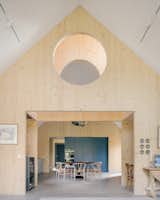
A striking feature of the interior architecture, and indeed a cornerstone of the home’s structural and material identity, is the visible rhythm of exposed Cross-Laminated Timber (CLT) frames. CLT is an engineered wood product made by gluing together multiple layers of solid wood, with each layer oriented perpendicular to the adjacent layers. This cross-lamination technique provides exceptional structural rigidity, making CLT panels highly stable and strong, capable of serving as walls, floors, and roofs.
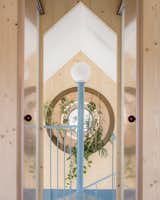
The choice of CLT for this project is multifaceted, reflecting a commitment to both performance and principles. From a structural perspective, the exposed timber frames offer robust support, lending a sense of solidity and permanence to the residence. Aesthetically, the natural grain and warm tones of the timber imbue the interior with an inviting and organic richness that synthetic materials cannot replicate. This "material richness" creates a palpable sense of comfort and tranquility, enhancing the psychological well-being of the occupants. The visible rhythm of the frames also serves as an intuitive guide through the home, subtly defining different zones and adding a distinctive architectural character.
Beyond its immediate functional and aesthetic contributions, CLT embodies a profound commitment to sustainability. As a renewable resource, timber has a significantly lower embodied energy compared to conventional building materials like concrete and steel. The production process of CLT sequesters carbon dioxide, effectively locking it away in the building structure for the lifetime of the house, thereby contributing to a reduced carbon footprint. Furthermore, CLT panels are often prefabricated off-site, leading to faster construction times, reduced on-site waste, and greater precision in assembly. This efficiency minimizes disruption to the surrounding environment during the construction phase. The thermal properties of wood also contribute to the home’s energy performance, offering natural insulation that helps regulate indoor temperatures, reducing reliance on artificial heating and cooling systems. The growing global adoption of CLT in modern architecture, from single-family homes to high-rise buildings, underscores its versatility and its role in shaping a more sustainable built environment. For the Ghent residence, CLT is not merely a building material; it is an integral part of its identity, speaking to a harmonious blend of innovative engineering, timeless aesthetics, and ecological responsibility.
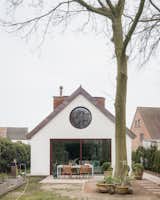
Sculpting Light and Form: The Enigmatic Exterior and Luminous Interior
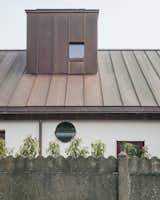
From its street-facing perspective, the house presents a "modest and barnlike" presence, a design choice that respects the vernacular architecture of the Belgian countryside while also offering a subtle nod to its functional clarity. This unassuming exterior, however, harbors a "quiet enigma," hinting at the thoughtful complexity within. The true architectural distinctiveness of the home is revealed in its roofline, which features three sculptural, chimney-like volumes. These vertical elements are not merely decorative; they are ingeniously integrated components that serve multiple critical functions.
These "chimney-like volumes" are strategically placed to mark the "servant spaces" – areas like bathrooms, storage, and utility zones – subtly articulating the interior organization from the outside. More significantly, they are designed to introduce natural light deep into the plan, from various orientations. This innovative use of vertical light shafts ensures that even the most central or traditionally dark areas of the home are bathed in ample natural illumination. The interplay of light from different angles creates a dynamic and ever-changing atmosphere, enhancing spatial perception and mood. Natural light has well-documented benefits for human health, influencing circadian rhythms, improving mood, and boosting productivity. For an aging couple, consistent exposure to natural light can be particularly beneficial for maintaining cognitive function and overall well-being.
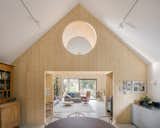
The careful orchestration of natural light also contributes significantly to the home’s energy efficiency. By maximizing daylighting, the need for artificial lighting during the day is substantially reduced, leading to lower energy consumption and operational costs. The sculptural forms themselves become architectural statements, transforming utilitarian elements into expressive features that contribute to the home’s unique identity. This intelligent integration of form and function exemplifies a sophisticated design approach, where every element is conceived to enhance the living experience, proving that even a modest exterior can conceal a richly layered and brilliantly illuminated interior world.
Bridging Generations: A Future-Proof Framework
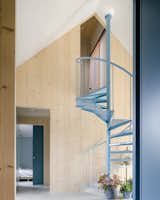
The design extends its foresight beyond the immediate needs of the retired couple, incorporating elements that ensure its relevance and functionality for future generations. Nestled within one of the distinctive volumes is a "sleeping loft for visiting grandchildren," a thoughtful addition that speaks volumes about the home’s inherent generosity and its capacity to foster intergenerational connections. This loft transforms the house from a solitary retreat into a vibrant hub for family gatherings, allowing the couple to share their home and create lasting memories with their loved ones. The inclusion of such a space underscores a holistic understanding of aging – one that emphasizes not just physical comfort but also emotional fulfillment and social engagement.
This multi-generational aspect is crucial to the architect’s broader vision of the house as "not just a house for retirement—it is a generous and future-proof framework for living, sharing, and aging with grace." The term "future-proof" here signifies more than just accessibility; it implies adaptability and resilience. The inherent flexibility of the "served and servant" space organization, combined with the robust and adaptable CLT construction, means the house can evolve with its inhabitants and their family dynamics. Should the need arise, spaces could potentially be reconfigured to accommodate live-in care, or simply to provide different functionalities as interests and lifestyles change. The durable and sustainable nature of CLT also contributes to its long-term viability, ensuring the home remains a valuable asset for decades.
This forward-thinking design contrasts sharply with the often-transient nature of contemporary residential architecture. Instead of a temporary dwelling, the Ghent house is conceived as a permanent home, a legacy structure that can nurture successive generations. It champions a philosophy where architecture supports a full life cycle, acknowledging that homes are not static entities but dynamic spaces that must adapt to the ebb and flow of human existence. By integrating elements for both independent aging and family interaction, the project offers a compelling blueprint for how residential design can proactively enrich lives across different life stages.
Expert Commentary and Broader Implications
The Ghent residence serves as an exemplary case study in how contemporary architecture can respond to complex societal challenges with innovative, humane, and sustainable solutions. Architectural critics might laud this project for its elegant fusion of functionality and aesthetics, highlighting how it elevates the concept of "aging in place" from a mere set of specifications to a truly aspirational lifestyle. Its use of CLT could be seen as a pioneering step in mainstreaming sustainable timber construction for residential purposes in the region, offering a tangible example of how environmental consciousness can be seamlessly integrated into high-quality design.
Specialists in elder care and gerontology could point to this home as a model for promoting independence and dignity among older adults. The proactive inclusion of accessibility features and the thoughtful zoning of spaces demonstrate a deep understanding of the practical and psychological needs of an aging population. The ability to host grandchildren within a dedicated, yet integrated, space further positions the home as a facilitator of crucial intergenerational bonds, a factor increasingly recognized for its positive impact on mental and emotional health in later life.
Economically, such future-proof designs hold significant implications. While the initial investment might reflect the quality of materials and design, the long-term cost savings associated with avoiding institutional care and minimizing future renovation needs are substantial. This project suggests a paradigm shift where homes are viewed as long-term investments in personal well-being and family legacy, rather than short-term assets. From a broader urban planning perspective, designs like this could inspire policy changes and development guidelines that encourage more adaptable and inclusive housing options, helping communities better support their aging populations and fostering more resilient, integrated neighborhoods. The Ghent house is not just an individual dwelling; it is a profound statement about the future of living, offering valuable lessons for architects, policymakers, and individuals alike.
In conclusion, this remarkable single-story house in Ghent, Belgium, is a testament to the power of thoughtful and empathetic architectural design. By meticulously integrating principles of accessibility, sustainability, and intergenerational living, the project creates a home that is not only beautiful and functional but also deeply resonant with the human desire for autonomy and connection. The exposed CLT timber frames provide warmth and structure, while the innovative roofline draws natural light deep into the heart of the home, creating an environment that is both nurturing and uplifting. As societies grapple with the challenges and opportunities presented by an aging global population, this Belgian residence stands as a luminous example of how architecture can provide a generous and future-proof framework for living, sharing, and aging with grace.