admin
admin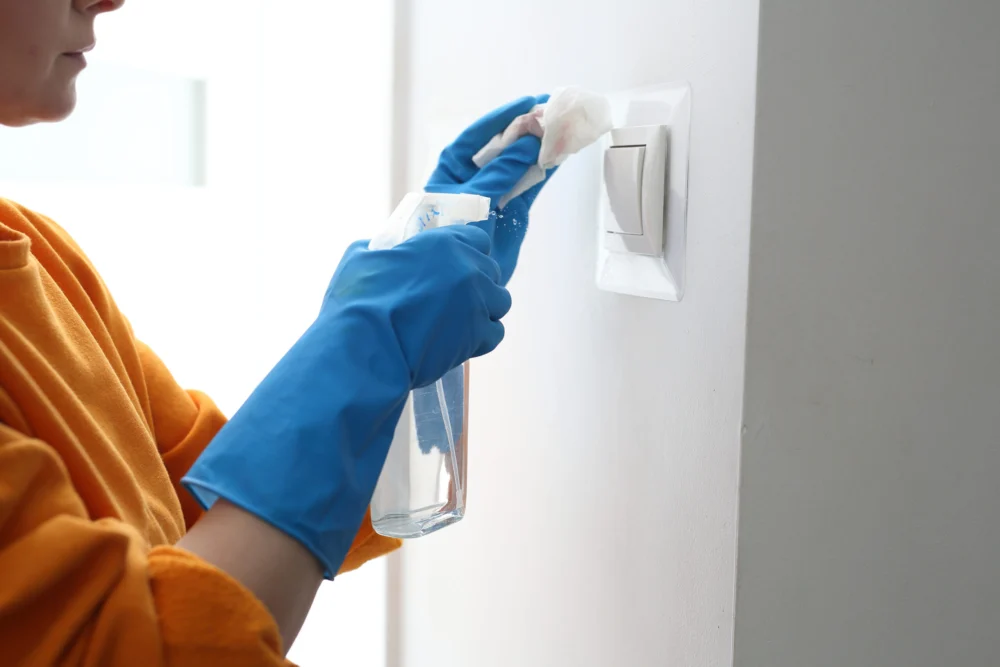
As the transition from winter to spring brings longer daylight hours and rising temperatures, millions of households across the country begin the annual tradition of spring cleaning. While the practice is often associated with the aesthetic improvement of the home, professional cleaners and environmental health experts emphasize that the primary goal should be the removal of accumulated allergens, pathogens, and debris that have settled during the months of closed-loop indoor living. Despite the most vigorous efforts to scrub floors and organize closets, a significant "cleanliness gap" remains in most residences. Research into domestic hygiene suggests that the most neglected areas are often those that are out of direct sight or require specialized maintenance, yet these spots frequently harbor the highest concentrations of bacteria and dust mites.
The Historical and Psychological Context of Spring Cleaning
The tradition of spring cleaning is rooted in both practical necessity and cultural history. Historically, in the era of coal and wood-burning heating, the end of winter signaled the first opportunity to open windows and scrub away the soot and ash that had coated every interior surface. In contemporary society, the practice has evolved into a vital health intervention. According to the American Lung Association, indoor air can be significantly more polluted than outdoor air due to the accumulation of pet dander, mold spores, and volatile organic compounds (VOCs).
Psychologically, the act of "resetting" a home environment has been linked to reduced cortisol levels and increased productivity. However, to achieve a truly sanitary environment, homeowners must move beyond surface-level cleaning. Industry experts from across the United States have identified a specific set of "hidden" zones that are routinely overlooked during the seasonal purge.
1. Window Treatments and the Allergen Reservoir
One of the most common oversights involves window treatments, which act as a filter for both indoor dust and outdoor pollen. Erica Flynn, executive director of brand management at Springs Window Fashions, notes that blinds and drapes are prime real estate for allergens. "Dust and buildup love to hide in blinds, shades, and drapes," Flynn stated, emphasizing that neglect in this area can lead to a visible degradation of the materials over time.

For wood and faux wood blinds, experts recommend a specialized approach using a vacuum with a brush attachment or a soft, dry cloth. Fabric shades require a delicate touch, often necessitating a low-suction vacuum setting to prevent damage to the pleats. The cleaning of window treatments is not merely aesthetic; it is a critical step in managing seasonal allergies as windows are opened for the first time in months.
2. High-Touch Surface Degradation: Light Switches
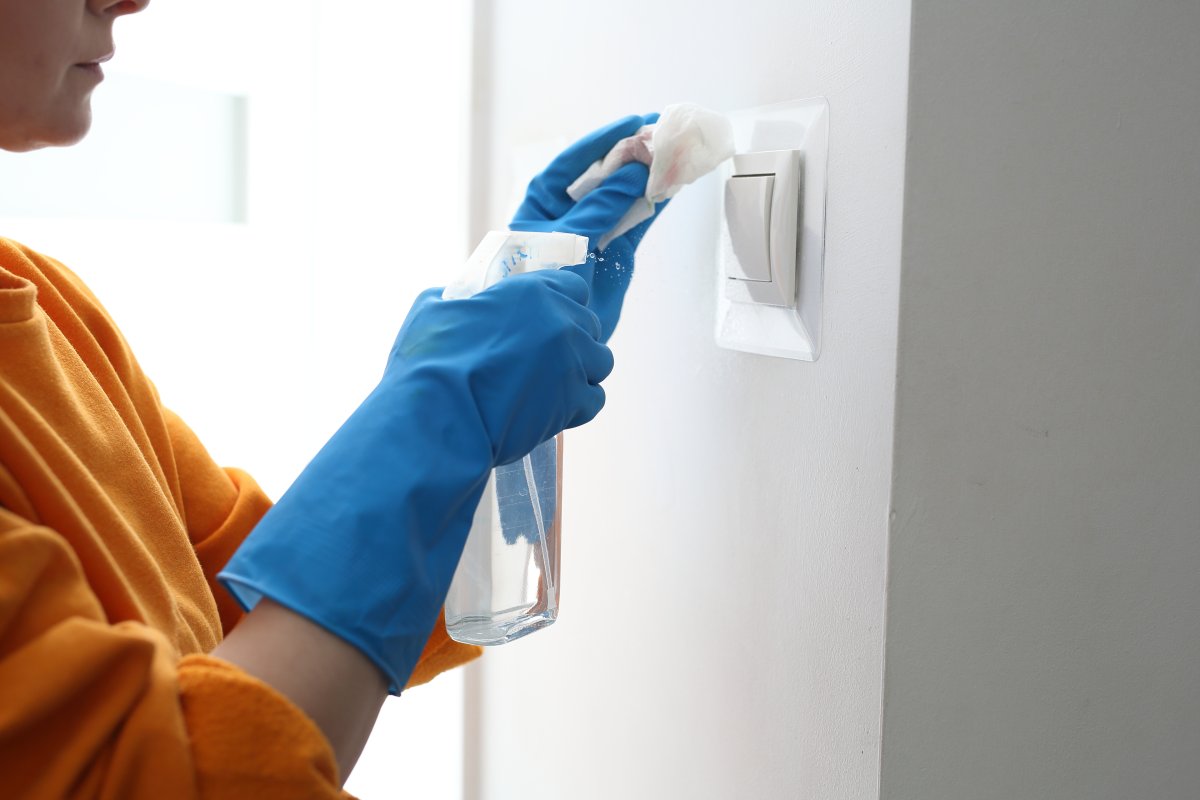
While countertops are frequently disinfected, light switches—some of the most frequently touched surfaces in any building—are often ignored. Jecko De Leon, operations manager at Bears Brothers Cleaning, explains that these points of contact are magnets for sweat, skin oils, and environmental grime. Over time, these substances can cause permanent discoloration of the plastic.
From a microbiological perspective, light switches can serve as "hotspots" for the transmission of common viruses. A simple routine of wiping these areas with a microfiber cloth and a general surface cleaner can significantly reduce the microbial load in a household.
3. Soft Furniture and the Accumulation of Bio-Waste
Upholstered furniture presents a unique cleaning challenge because it hides dirt within its fibers. Brian Young, owner of Heavenly Touch Carpet Care, highlights that because dirt is not immediately visible on a couch, homeowners assume it is clean. However, upholstery acts as a giant sponge for body oils, dead skin cells, and food particles.
"The average person spends hours on their furniture, and over time, that bio-waste adds up," Young explained. This accumulation is a primary food source for dust mites, which can trigger skin irritation and respiratory distress. To combat this, experts recommend a monthly deep vacuuming of all crevices using a slim nozzle attachment, a task that should be prioritized during the spring deep-clean.
4. Ceiling Fans and Indoor Air Quality
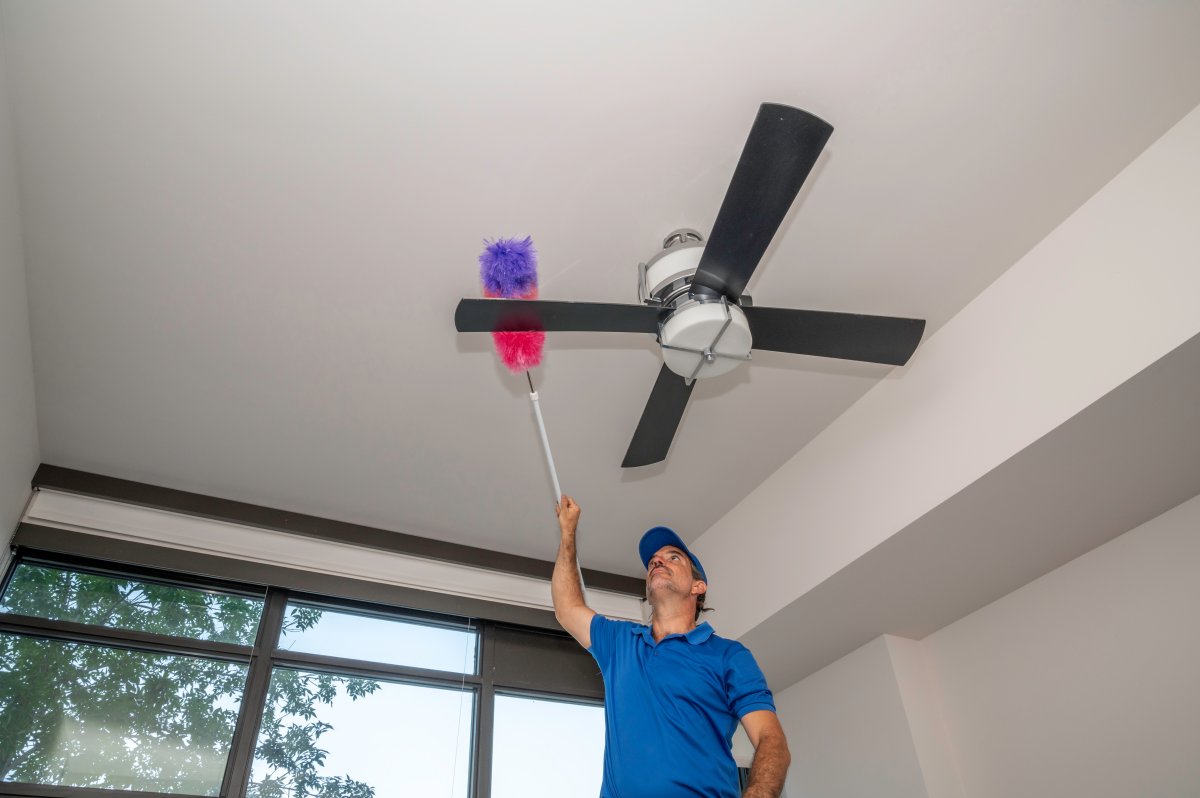
Ceiling fans are often "out of sight, out of mind" until they are switched on for the first time in the spring, at which point they can redistribute months of accumulated dust throughout a room. Iryna Balaban, CEO of Elite Maids NY, points out that the inconvenience of using a ladder often leads to these fixtures being neglected.
When dust sits on fan blades, it becomes a breeding ground for allergens. Balaban suggests using an extendable duster or a microfiber cloth. A professional tip involves placing a drop cloth or old sheet beneath the fan before cleaning to prevent the debris from settling on freshly cleaned floors or furniture.
5. The Mattress: A Year of Accumulated Skin Cells
The mattress is perhaps the most significant overlooked area in the bedroom. Data from the sleep industry suggests that the average human sheds approximately one pound of dead skin per year, much of which is deposited directly into the mattress. Brian Young notes that this creates a "buffet" for dust mites.
Deep-cleaning a mattress involves more than just changing the linens. Professionals recommend vacuuming the surface with an upholstery tool every few months and rotating the mattress every six months to ensure even wear and to disrupt the environments where mites thrive.
6. The Bathroom’s Hidden Odor Source: Sink Overflow Drains
A common complaint among homeowners is a persistent musty smell in bathrooms that persists despite clean countertops and toilets. Cameron Figgins, president of Absolute Maintenance & Consulting, identifies the sink overflow drain—the small hole near the top of the basin—as the likely culprit.
Because this area rarely sees a high volume of water, it becomes a damp environment for the growth of anaerobic bacteria and biofilm. Figgins recommends a simple three-minute fix: scrubbing the hole with a pipe cleaner, followed by a flush of baking soda, warm water, and white vinegar. This chemical reaction breaks down the organic matter responsible for the odors.
7. Kitchen Safety and Efficiency: Vent Hoods and Toaster Trays
In the kitchen, the vent hood serves as the primary defense against grease and smoke, but it is also a significant fire hazard if not maintained. Chris Willatt, owner of Alpine Maids, reports that grease buildup can become "gross" within three to six months. He recommends a yearly deep-soak of the metal filters in warm, soapy water, followed by a scrub with steel wool.
Similarly, the toaster tray is a frequently forgotten zone. Willatt notes that many homeowners are unaware that their toasters even have a removable tray. Regular removal of crumbs is not just a matter of cleanliness; it prevents the charring of old food, which can release carcinogens and pose a fire risk.
8. The Appliance Paradox: Cleaning the Cleaners
The final frontier of spring cleaning involves the interior of appliances designed to clean other things. Iryna Balaban notes that refrigerator drawers and compartments are often skipped because of the labor involved in emptying the unit. However, food spills can lead to bacterial cross-contamination.
Furthermore, Cameron Figgins warns of the "gunk" that accumulates in the rubber gaskets of front-loading washing machines. "Lint, hair, and soap scum can turn into visible mold within two to three months," Figgins stated. He recommends a maintenance cycle using white vinegar and hot water for both washing machines and dishwashers to eliminate musty odors and ensure the longevity of the machines.

Chronology of a Deep Clean: A Recommended Timeline
To ensure these hidden spots are not missed, professional organizers suggest a structured timeline for the spring cleaning process:
- Week 1: High-Altitude and Windows. Tackle ceiling fans, light fixtures, and window treatments first. This allows any dislodged dust to fall before floors are cleaned.
- Week 2: Soft Surfaces. Deep-clean mattresses and upholstered furniture. This is also the ideal time to launder heavy winter bedding.
- Week 3: Kitchen and Appliances. Focus on the vent hood, toaster, refrigerator interiors, and the "cleaners" (washer/dishwasher).
- Week 4: Detail Work. Address light switches, sink overflow drains, and baseboards.
Broader Impact and Implications
The implications of a thorough spring cleaning extend beyond personal comfort. From a property management perspective, regular maintenance of vent hoods, appliances, and window treatments can extend the lifespan of these assets by years, saving homeowners thousands of dollars in replacement costs.
From a public health standpoint, the reduction of indoor allergens is a critical component of preventative medicine. As asthma and allergy rates continue to rise in the United States, the "spring reset" serves as a primary intervention. By addressing these eight hidden spots, homeowners can transition into the warmer months with an environment that is not only organized but truly sanitary, supporting both physical health and psychological well-being.