admin
admin
The contemporary culinary landscape is undergoing a significant transformation, driven largely by the evolving preferences and digital-native behaviors of Generation Z. Born between 1997 and 2012, this demographic cohort represents a formidable and increasingly influential segment of consumers, whose unique expectations are reshaping how food establishments, particularly pizzerias, operate and market themselves. Understanding and catering to Gen Z’s specific demands—which span from authentic digital engagement to highly personalized dining experiences and innovative menu items—is no longer merely an advantage but a crucial imperative for sustained success in the competitive food service industry.
The Rise of Generation Z as a Culinary Force
Generation Z, often characterized as digital natives, has grown up in an era of ubiquitous internet access, social media saturation, and instant gratification. This upbringing has profoundly influenced their consumer habits, particularly concerning dining out. Unlike previous generations, Gen Z’s purchasing decisions are heavily influenced by online interactions, peer recommendations, and visual content shared across various social platforms. Their spending power, while still maturing for the younger end of the cohort, is rapidly increasing, making them a critical demographic for businesses looking to secure future loyalty and market share. Estimates suggest that Gen Z already influences trillions in spending, a figure projected to grow substantially as they fully enter their prime earning years. Their value proposition often prioritizes convenience, experience, and perceived value over strict adherence to traditional pricing models, a trait that presents both challenges and opportunities for the restaurant sector.
A key psychological driver for Gen Z is what marketers have termed "little treat culture." This trend reflects a propensity for small, affordable indulgences, often purchased as a form of self-care or a reward for minor achievements. A survey conducted by NinetyEight, a Los Angeles-based Gen Z marketing agency, and its research arm, The Koi Pond, revealed compelling statistics: an overwhelming 89% of Gen Z individuals reported purchasing a "little treat" after a stressful day, while 75% did so after achieving a small goal. Crucially, 74% cap these treats at $10 or less, underscoring the importance of accessibility and affordability within this indulgence framework. Mariel Fuentes, digital marketing manager for NinetyEight, emphasizes the emotional rather than physiological motivation behind these purchases, stating, "The motivation behind the purchase isn’t hunger and instead the desire for a small dopamine boost or ‘win.’" This insight highlights that for pizzerias, offering smaller, customizable, and visually appealing items that fit this "treat" category can significantly boost engagement and sales. Examples might include gourmet pizza slices, mini calzones, or unique dessert pizzas designed for individual consumption.
Digital Dominance: Social Media as the New Menu and Review Board
The pervasive influence of social media on Gen Z’s dining choices cannot be overstated. For this generation, social media platforms are not just communication tools but primary sources for discovery, validation, and inspiration. According to a joint survey by Eater and Vox Media, a staggering 77% of Gen Z respondents discover new restaurants through social media channels. Furthermore, 72% place significant trust in social media reviews and recommendations, indicating a strong reliance on peer-generated content over traditional advertising. The visual nature of these platforms is particularly impactful, with 60% of Gen Z members stating that "what I ordered" videos directly influence their desire to try a new restaurant. This emphasizes the need for pizzerias to cultivate a strong, authentic, and visually engaging online presence.
Effective social media strategies for pizzerias targeting Gen Z extend beyond mere presence; they demand genuine engagement and compelling content. As Tony Scardino, owner of Professor Pizza in Chicago, advises, "You’ve got to be confident in your product in the first place… Have something about your business that separates yourself from the pack and that you are most passionate about." For Professor Pizza, this differentiation lies in offering a diverse range of pizza styles—Cracker, Detroit, Grandma, New York, and Sicilian. This variety not only caters to different palates but also creates abundant "organic content-creation opportunities," showcasing the artistry and passion behind each unique pie. Scardino cautions against chasing fleeting trends, noting that by the time a trend is widely visible, it’s often too late to participate authentically. Instead, a focus on consistent, high-quality content that highlights the pizzeria’s core strengths and unique offerings is more sustainable and effective.
Beyond showcasing food, pizzerias can leverage social media to highlight their brand personality, community involvement, and staff culture. Gaines Street Pies in Tallahassee, Florida, with its three locations, exemplifies this approach. Co-founder Jeremy Matlow explains that their social media strategy centers on food and employee features, such as posts about staff distributing gift cards to local workers. This builds loyalty by connecting with customers on a personal level, showcasing "our great staff and our work in the community," ultimately establishing the pizzeria as a trusted local favorite. Such authentic storytelling resonates deeply with Gen Z, who often prioritize brands with transparent values and a positive societal impact.
The Power of Personalization and Experiential Dining
Gen Z diners are not passive consumers; they actively seek customization and opportunities to co-create their dining experiences. This desire extends to menu items, where they often enjoy tailoring dishes to their exact preferences, even if the combinations seem unconventional to older generations. SF Hole In The Wall Pizza, with its two California locations, has successfully tapped into this trend. Owner and operator Awadalla Awadalla highlights their extensive array of pizza toppings and a popular "Make Your Own Pasta Bowl" section. The freedom to experiment has led to intriguing, albeit sometimes unusual, combinations like pineapple and anchovies on pizza and pasta, ordered repeatedly by Gen Z customers. This demonstrates a willingness to push culinary boundaries and a desire for unique, personalized taste adventures.
Beyond customization, Gen Z appreciates experiences that feel unique and authentic to their generation. This includes everything from menu item names to restaurant aesthetics. Awadalla’s "Hill Bomb Pasta," a spaghetti dish named after a skateboarding activity common in hilly San Francisco, directly appeals to the youthful demographic, making it a popular choice. This demonstrates that thoughtful, culturally relevant branding can significantly enhance a menu item’s appeal.

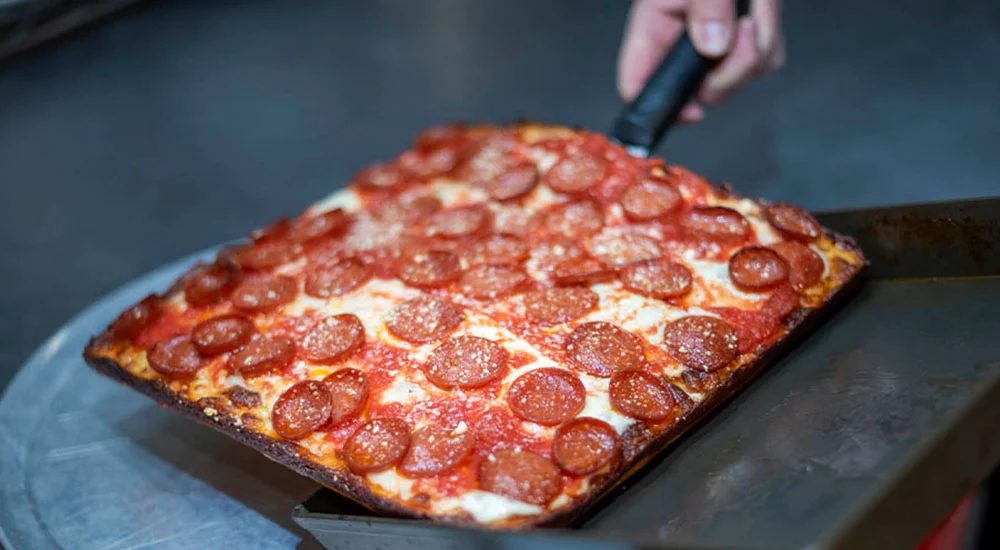
The physical environment of a pizzeria also plays a role in attracting Gen Z. Gaines Street Pies, for instance, features decor with pizza-themed superheroes, deliberately cultivating an atmosphere that is distinct from traditional, "old-school pizza shops." This modern, playful aesthetic resonates with Gen Z’s appreciation for unique visual experiences that are often Instagrammable. Similarly, Frederico Santos, co-owner of Square Pizza Co. in San Diego, notes the popularity of Detroit-style pizza among Gen Z. He attributes this to their curiosity about the pizza’s unique shape and the style’s recent surge in popularity, indicating a generational interest in novel food trends. The embrace of unexpected flavor pairings, such as ranch dressing on pizza, further exemplifies Gen Z’s adventurous palate and their influence on contemporary food trends. Santos explicitly states, "We do serve ranch at our restaurant and even have a couple of pies on the menu that feature ranch as a finishing touch. Can’t get more Gen Z than that." This acceptance of non-traditional ingredients reflects a broader shift towards innovative and less conventional culinary preferences.
Economic Realities and Spending Habits: Convenience Over Cost
While Gen Z adults may not yet be in their peak earning years, their spending habits defy traditional notions of budget-consciousness, particularly when it comes to convenience and experiential purchases. Awadalla Awadalla of SF Hole In The Wall Pizza observes a notable shift: "Now, people are literally spending more money on delivery than on the food itself. They don’t care. They value convenience." This statement underscores a critical insight: for Gen Z, the premium placed on ease and accessibility often outweighs the direct cost of the food itself. This willingness to pay for convenience, whether through delivery services or seamless online ordering, is a defining characteristic of their consumer behavior.
This perspective aligns with broader economic trends impacting Gen Z. Many face student loan debt and a challenging housing market, yet they often prioritize discretionary spending on experiences, self-care, and convenient services. "Little treat culture" perfectly encapsulates this, offering an affordable way to derive emotional satisfaction without breaking the bank. For pizzerias, this means investing in robust online ordering systems, efficient delivery partnerships, and user-friendly digital interfaces is paramount. A clunky online experience or slow delivery can be a significant deterrent, regardless of the quality of the pizza.
Beyond the Plate: Aesthetics, Authenticity, and Community
For Gen Z, dining out is often more than just a meal; it’s a holistic experience that encompasses the food, the ambiance, the brand story, and the social interaction. Over-branding or overly corporate marketing efforts are quickly dismissed as inauthentic. Mariel Fuentes warns, "Gen Z can spot forced Gen Z marketing instantly. If it feels try-hard or overly corporate, it breaks the emotional payoff of the little treat." Authenticity is highly valued, whether it’s in the genuine passion displayed by a pizzeria owner like Tony Scardino or the community-focused initiatives of Gaines Street Pies.
The aesthetic of a restaurant, both in its physical space and its digital representation, is crucial. Gen Z gravitates towards visually appealing environments that are "Instagrammable"—places that offer unique backdrops for photos and videos shared on social media. This necessitates thoughtful interior design, appealing food presentation, and consistent brand messaging that aligns with their values. Elements like unique artwork, modern furnishings, and creative lighting can all contribute to an attractive aesthetic.
Furthermore, Gen Z shows a growing interest in ethical sourcing, sustainability, and supporting local businesses. While not explicitly detailed in the original article, these are broader trends within the demographic that pizzerias can strategically incorporate. Highlighting locally sourced ingredients, eco-friendly packaging, or community engagement programs can strengthen brand loyalty and appeal to Gen Z’s conscience.
Challenges and Future Outlook for the Pizzeria Industry
Adapting to Gen Z’s preferences presents both opportunities and challenges for the pizzeria industry. Traditional establishments may need to re-evaluate their marketing strategies, menu offerings, and even their operational models. The emphasis on digital engagement means that a pizzeria’s online presence is almost as important as its physical location. Investing in professional photography, engaging video content, and active social media management is no longer optional.
The demand for customization implies a need for flexible kitchen operations and staff training to accommodate diverse orders efficiently. The "little treat culture" may encourage the development of smaller, more specialized menu items that can be quickly prepared and are visually appealing. The embrace of convenience necessitates robust technological infrastructure for online ordering, delivery tracking, and potentially even AI-driven customer service.
Looking ahead, the influence of Gen Z will only continue to grow. Pizzerias that proactively embrace social media, offer genuine customization, innovate with unique and appealing menu items, and cultivate an authentic, visually engaging brand will be best positioned for long-term success. The industry must remain agile, continuously monitoring evolving trends and consumer behaviors, and be willing to experiment with new approaches to capture the hearts and dollars of this dynamic and influential generation. The ability to blend culinary excellence with digital savviness and a deep understanding of Gen Z’s psychological drivers will be the ultimate recipe for success in the evolving pizza landscape.