admin
Spain’s Christmas season, far from being confined to a single day, unfurls into an expansive and deeply rooted period of celebration that commences well before December 25th and stretches significantly into the new year. Across the diverse regions of this Iberian nation, the festive period is a profound time for families, friends, and entire communities to converge, embracing a vibrant mosaic of centuries-old traditions, innovative modern spectacles, and an unparalleled abundance of gastronomic delights and libations. From breathtaking light displays that mayors playfully claim are visible from orbital heights to enigmatic, ancient forest-dwelling figures bearing gifts, Spain’s holidays are steeped in both awe-inspiring spectacle and charming superstitions. It is a period that invites both reflection and exuberance, demanding participation, whether it’s the careful consumption of twelve grapes at midnight or the leisurely enjoyment of a glass of Cava, all while savoring a culinary journey as delicious as it is culturally fascinating.
The Enduring Tapestry of Spanish Christmas: A Chronology of Festivities
Early Stirrings: Pre-Christmas Preparations and Anticipation
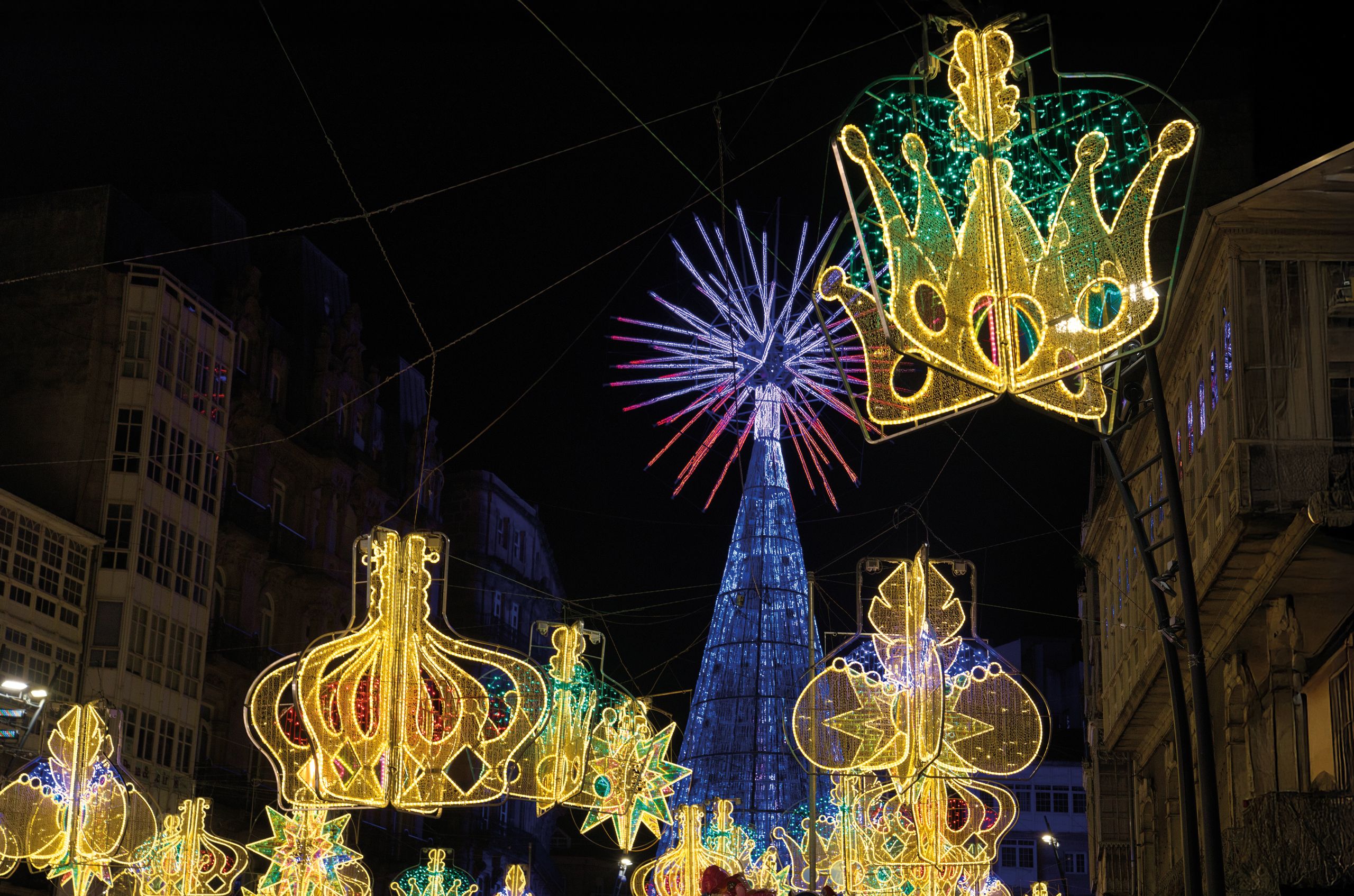
The Spanish festive season is remarkable for its prolonged duration, beginning subtly in late November and gathering momentum throughout December. Cities across the country transform, draped in elaborate lighting schemes and decorations. The Galician coastal city of Vigo, in particular, has elevated this transformation to an art form, aiming to become the "international capital of Christmas." Its preparations commence as early as July, when Mayor Abel Caballero initiates the deployment of over 12 million LED lights, thousands of Christmas trees, and extensive decorative arches. This monumental undertaking draws tens of thousands of visitors from across Spain and Europe, creating a significant tourism boom and showcasing a modern reinvention of festive celebration. The city’s bold claim, though ambitious, underscores the national enthusiasm for making Christmas a truly grand public affair, merging civic pride with festive cheer.
December 22: The Grand Lottery of El Gordo
The true kick-off to the Spanish Christmas season is arguably December 22nd, with the eagerly anticipated draw of "El Gordo" (The Fat One), Spain’s national Christmas lottery. Hosted annually at Madrid’s historic Teatro Real, this event is more than just a lottery; it is a profound social ritual, deeply embedded in the national psyche. Dating back to 1812, El Gordo is one of the oldest and largest lotteries globally, boasting a colossal prize pool that often exceeds €2 billion.
The lottery’s unique structure encourages communal participation. While a full ticket costs €200, most Spaniards purchase a décimo, or a tenth of a ticket, for €20. Even more common is the sharing of participaciones – smaller shares of décimos – among family members, friends, and colleagues. This collective spirit means that when a winning number is announced, it’s not just one individual but often dozens, sometimes entire villages or workplaces, celebrating simultaneously. The draw itself is a captivating spectacle, with children from the San Ildefonso school singing out the winning numbers and their corresponding prize amounts in a distinctive, melodic chant. The emotional scenes of shared joy, tears, and impromptu street parties that follow are a testament to the lottery’s role as a symbol of collective hope and shared fortune, fostering a powerful sense of community during the festive period. While the top prize of €4 million for a full ticket is life-changing, the widespread distribution of smaller prizes, known as the pedrea, ensures that many households feel the touch of luck, providing a welcome boost during a time of increased spending.
December 24: Nochebuena – A Culinary Extravaganza
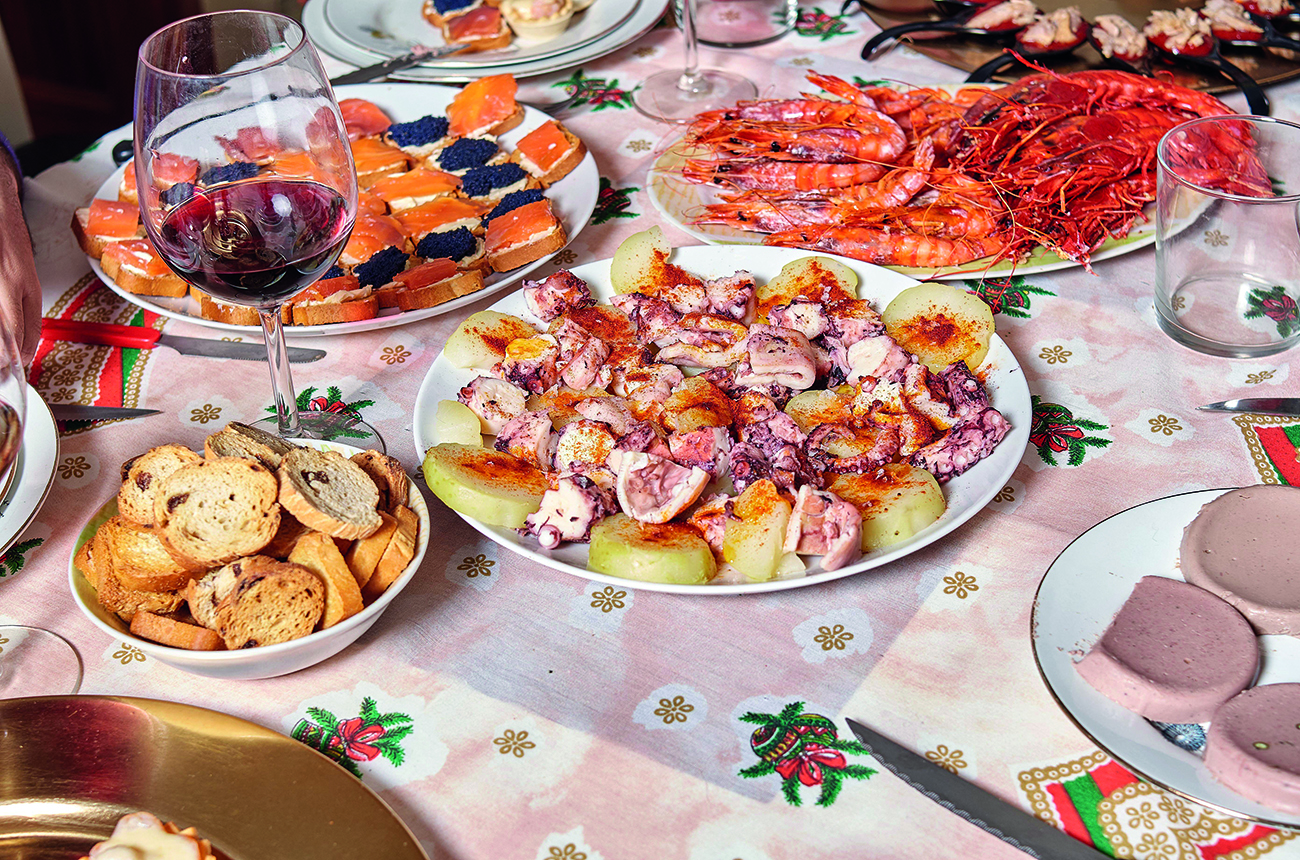
Christmas Eve, known as Nochebuena, stands as the paramount family gathering in Spain, a night dedicated to elaborate feasting and profound connection. Unlike many Western traditions where Christmas Day is the main event, Nochebuena in Spain is a culinary marathon that extends late into the night. Families typically begin their festive repast with a sumptuous seafood course, often featuring delicate prawns, succulent langoustines, or even hearty spider crabs, particularly in coastal regions. The main course is a showcase of regional culinary diversity: slow-roasted suckling pig (cochinillo) is a beloved centerpiece in Castile, while roast lamb (cordero asado) graces tables in other areas. In Galicia and along the Mediterranean coast, various types of fish, often baked or prepared in rich sauces, are traditional.
Following the extensive meal, the Spanish tradition of sobremesa comes into its own. This cherished custom involves lingering at the table for hours, engaging in lively conversation, reminiscing, debating, and simply enjoying the company of loved ones. The table remains laden with an array of digestifs and spirits, from fine Spanish brandies like those from Jerez, to whiskies and gin-tonics, facilitating an atmosphere of relaxed camaraderie that can stretch until the early hours of Christmas Day. This is a time when the bonds of family are truly celebrated and reinforced, making the meal not just about food, but about the enduring strength of human connection.
December 25: Navidad – A Quieter Reflection
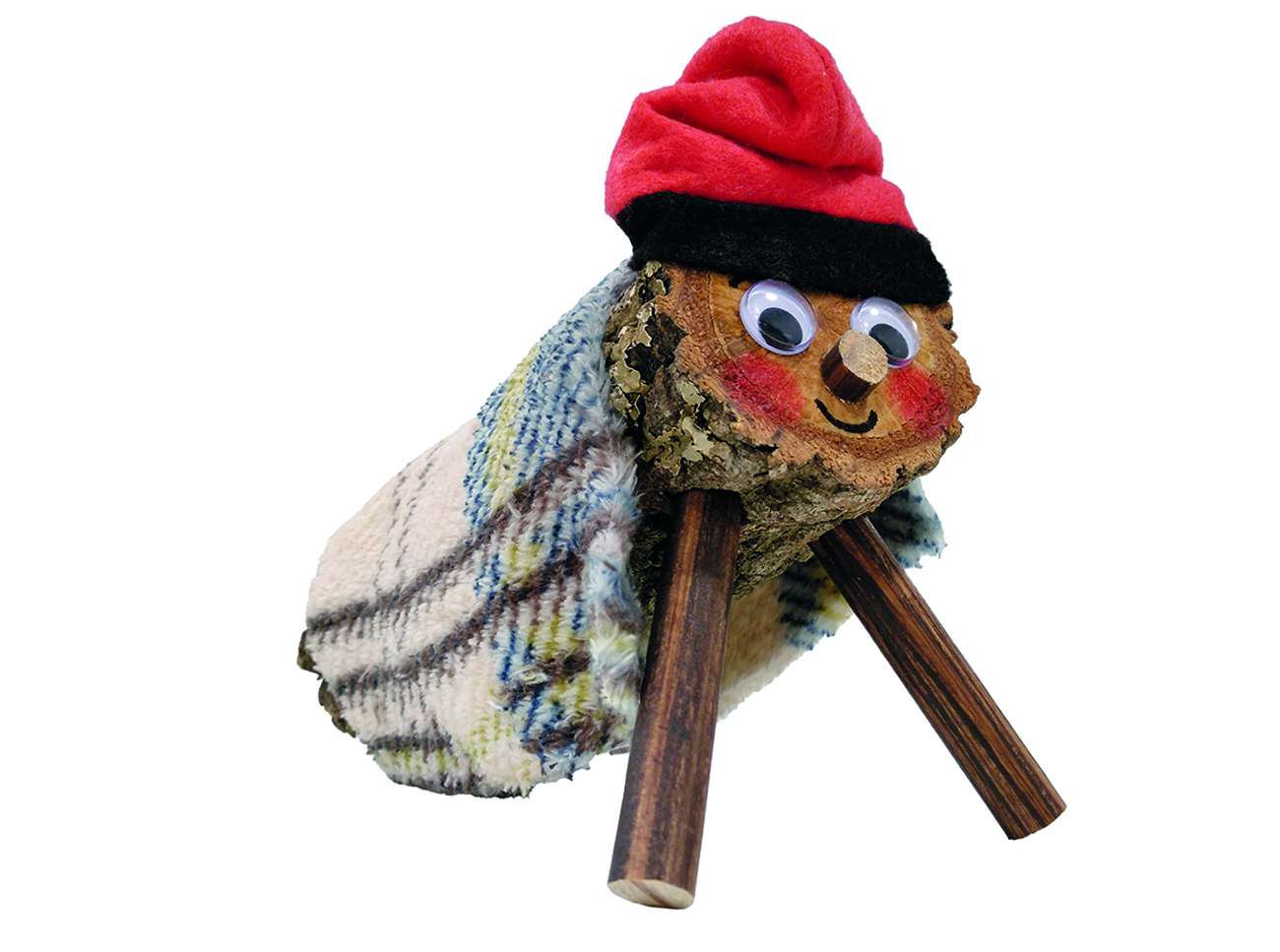
Christmas Day, or Navidad, in Spain, offers a quieter contrast to the effervescent Nochebuena. While families may gather again for a more modest meal, the intensity of the previous night’s celebrations often means a more relaxed pace. Many children, especially in regions like Catalonia, look forward to the "Tió de Nadal" (Christmas Log) ritual. This anthropomorphic wooden log, often adorned with a smiling face and a small blanket, is "fed" with fruit peels and nuts in the weeks leading up to Christmas. On Christmas Eve or Christmas Day, children sing traditional songs and gently hit the log with sticks, demanding that it "poop" out presents from its rear end, a quirky and much-loved tradition that highlights regional distinctiveness.
December 28: Día de los Santos Inocentes – A Day for Pranks
Adding another layer to Spain’s extended festive calendar is the Día de los Santos Inocentes, observed on December 28th. Similar to April Fool’s Day in other cultures, this is a day for playful pranks and innocent jokes. Media outlets often publish satirical news stories, and friends and family members enjoy tricking one another. While not directly tied to Christmas gift-giving or feasting, it underscores the light-hearted and communal spirit that permeates the Spanish holiday season, offering a moment of levity amidst the more solemn or celebratory events.
December 31: Nochevieja – Grapes, Bells, and Bubbles

The transition into the New Year, Nochevieja, is marked by one of Spain’s most iconic and universally practiced traditions: the eating of "las doce uvas de la suerte" (the twelve lucky grapes). The national countdown is broadcast live from the Puerta del Sol public square in the heart of Madrid, where thousands gather, and millions watch from home. As the clock at the 18th-century Real Casa de Correos building begins its twelve chimes leading up to midnight, a peculiar silence falls across the country. Spaniards are intensely focused on consuming one grape with each strike of the bell. Successfully finishing all twelve grapes before the final chime is believed to guarantee good luck and prosperity for the coming year.
This seemingly ancient tradition is, in fact, relatively modern, tracing its origins to 1909. That year, a massive grape surplus in Alicante led clever growers to market "Good Luck Grapes" in convenient packets of twelve, capitalizing on a pre-existing, albeit less widespread, custom. The commercial success quickly cemented it as a national phenomenon.
Accompanying the grapes, a bottle of traditional-method sparkling wine is an indispensable part of ringing in the New Year. While Belle Époque Spaniards might have favored French Champagne, Cava, produced predominantly in Catalonia’s Penedès region since the late 19th century, became the national drink of choice. Cava, made using the same méthode traditionnelle as Champagne, offers a diverse range of styles and price points, from accessible bottles found in local supermarkets to high-end prestige cuvées. Spain produces approximately 250 million bottles of Cava annually, with a significant portion consumed during the festive season, cementing its role as a symbol of Spanish celebration and national pride.
January 5: Cabalgata de Reyes – The Royal Procession
As the festive season draws to a majestic close, attention shifts to the "Cabalgata de Reyes" (Three Kings’ Parade) on the evening of January 5th. This enchanting spectacle, held in cities and villages across Spain, celebrates the arrival of Los Reyes Magos (the Three Kings or Magi). Elaborate floats, often depicting biblical scenes or fantastical characters, wind through decorated streets, carrying the "Kings" – Melchior, Caspar, and Balthazar. From their lofty perches, they generously toss sweets and small gifts to the throngs of excited children lining the pavements, often equipped with inverted umbrellas to catch the falling treasures. The air buzzes with anticipation, creating a truly magical atmosphere that preludes the most important day for children’s gift-giving.
January 6: Día de Reyes – Gifts and Roscón
January 6th, Día de Reyes (Three Kings’ Day), marks the culmination of the Spanish Christmas period. This day commemorates the biblical account of the Magi bringing gifts to the baby Jesus, and traditionally, it is when Spanish children receive their main presents. In the morning, families gather to open gifts, often left by the "Kings" in shoes placed by windows or under the Christmas tree.
The day’s culinary centerpiece is the "Roscón de Reyes," a distinctively ring-shaped sweet bread adorned with candied fruits that symbolize the jewels on the Kings’ crowns. What makes the Roscón particularly exciting are the two hidden surprises within: a small figurine (often a king or baby Jesus) and a dry bean (haba). The person who finds the figurine is crowned king or queen for the day, signifying good luck for the year ahead. Conversely, the unlucky individual who finds the bean is traditionally responsible for purchasing the Roscón the following year. This playful custom adds an element of delightful suspense to the final festive meal, providing a memorable conclusion to Spain’s extended holiday celebrations.
Supporting Data and Cultural Context
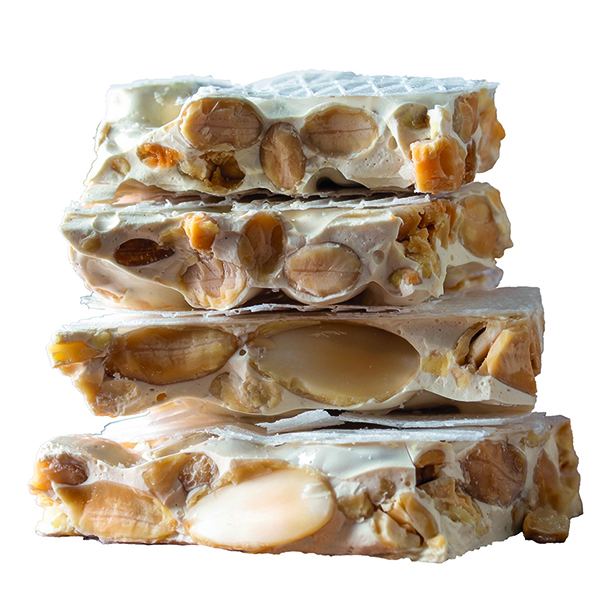
The economic impact of Spain’s festive season is substantial. The El Gordo lottery alone generates immense revenue, with a significant portion redistributed as prizes, stimulating local economies. Retail sales surge, particularly in food and beverages, as families prepare for elaborate feasts. Tourism, exemplified by Vigo’s Christmas lights, becomes a crucial driver for local economies, extending the tourist season beyond traditional summer months. Data suggests that millions of euros are spent on festive preparations, from decorations to specialty foods and gifts, underpinning a significant annual economic cycle. The blend of ancient traditions, such as the Moorish-influenced turrón (a confection of almonds, honey, and sugar, with hard Turrón de Alicante and soft Turrón de Jijona being iconic varieties), and modern spectacles showcases Spain’s ability to evolve while honoring its heritage. This cultural richness is preserved through the active participation of communities and the dedicated efforts of cultural institutions, ensuring these customs continue to thrive for future generations.
Official Responses and Societal Implications
Spanish authorities, from municipal councils to regional governments, actively support and promote these festive traditions, recognizing their vital role in cultural preservation, community cohesion, and economic benefit. Mayor Abel Caballero’s ambitious promotion of Vigo’s Christmas lights is a prime example of a civic leader leveraging festive displays for urban branding and tourism. Likewise, the organization of the elaborate Cabalgata de Reyes parades involves extensive logistical planning and public funding, reflecting their importance as cultural touchstones.
The societal implications are profound. These traditions foster intergenerational connections, with grandparents passing down customs to grandchildren. They provide opportunities for shared experiences that transcend socio-economic divides, particularly evident in the communal hope associated with El Gordo. In an increasingly globalized world, these distinct Spanish traditions, from the mythical figures like Galicia’s O Apalpador and the Basque Country’s Olentzero to the Catalonian Tió de Nadal, serve as powerful markers of regional identity and national pride. While some traditions see modern adaptations – younger generations may integrate social media into their celebrations or seek out innovative culinary twists on classic dishes – the core values of family, community, generosity, and joy remain steadfast, reinforcing a collective identity that is uniquely Spanish.
Conclusion: A Celebration of Shared Identity
Spain’s extended Christmas season is a magnificent testament to a culture that cherishes celebration, community, and tradition. It is a period where the sacred and the secular intertwine, where ancient folklore meets modern spectacle, and where the simple act of sharing a meal or a moment of hope strengthens the fabric of society. From the thrilling anticipation of El Gordo to the intimate family gatherings of Nochebuena, the playful pranks of Día de los Santos Inocentes, the symbolic grape ritual of Nochevieja, and the magical procession of the Three Kings, each event contributes to a grand narrative of shared identity and collective joy. It is a time for feasting, for laughter, for reflection, and above all, for reaffirming the enduring bonds that tie Spaniards together, making their festive season one of the most vibrant and profoundly human experiences in Europe.