admin
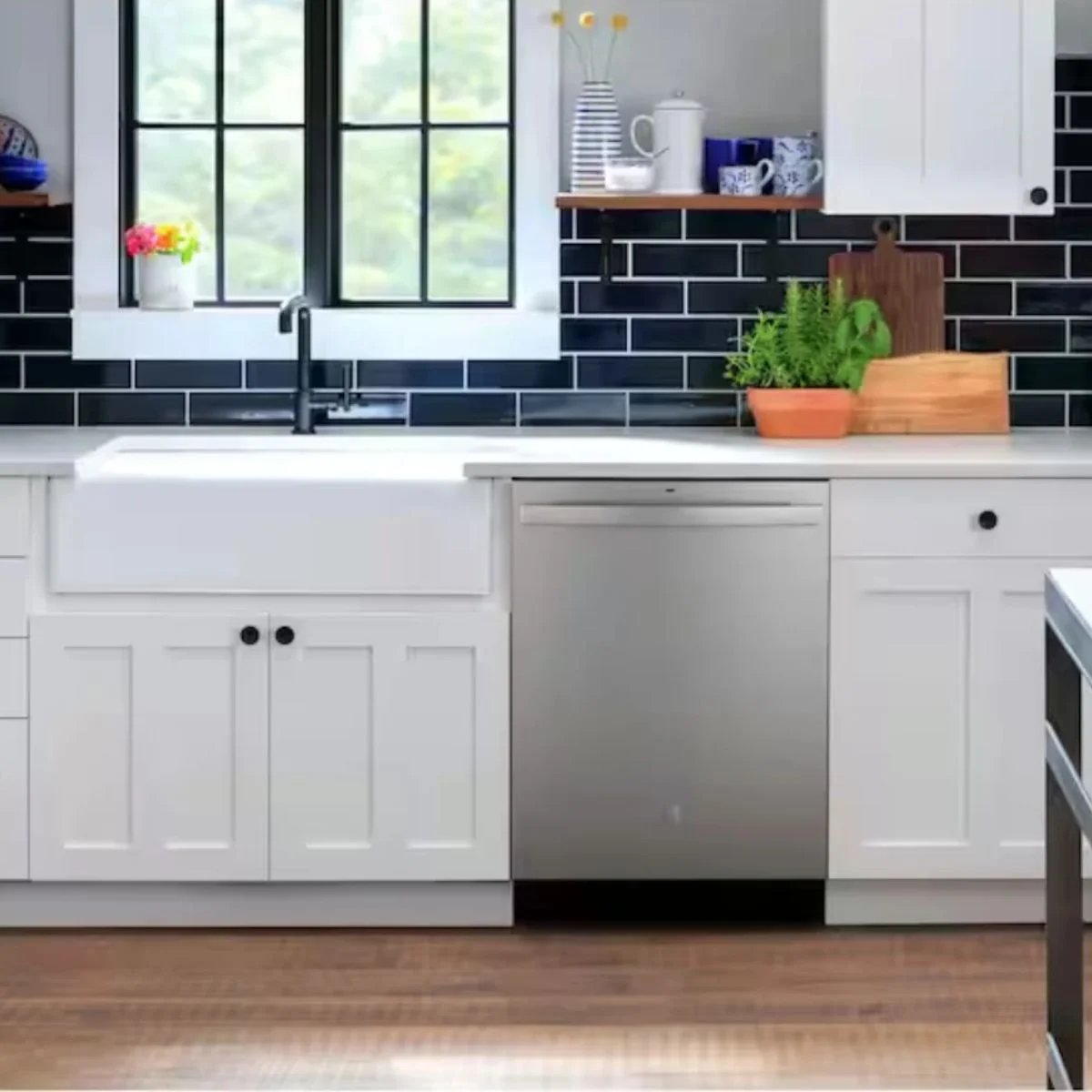
The home improvement retail sector has officially entered its most competitive period of the year as The Home Depot unveils its comprehensive Black Friday appliance event, featuring significant price reductions on major kitchen hardware. Among the most aggressive discounts are those found in the dishwasher category, where prices have been slashed by as much as 47 percent. As the holiday season approaches—a period traditionally associated with increased culinary activity and larger household gatherings—the demand for high-capacity, efficient cleaning appliances has surged. Retail analysts note that these seasonal price drops are strategically timed to capture consumers looking to upgrade failing units before the peak of the winter entertaining season.
Leading the promotional event is the GE Top-Control Dishwasher with Sanitize and Dry Boost, which has seen its price point plummet from $749 to $399. This 47 percent reduction represents one of the most substantial margins in the current market, positioning the unit as a primary target for budget-conscious homeowners. The model features a 52 dBA noise rating and a high-heat sanitize cycle, a feature increasingly prioritized by consumers in the post-pandemic era. Additionally, the inclusion of Dry Boost technology addresses a common consumer complaint regarding residual moisture on plasticware, utilizing integrated heating elements to ensure items are ready for the cupboard immediately following the cycle.
Strategic Pricing and Market Positioning
The Home Depot’s 2026 Black Friday strategy appears to focus on three distinct consumer segments: the budget-driven renovator, the smart-home enthusiast, and the premium-tier buyer. For those prioritizing entry-level pricing, the Frigidaire Front-Control Smart Dishwasher is being offered at $279, down from its original $419. Despite its lower price point, the unit maintains modern standards with a 14-place setting capacity and a five-level wash system, making it a viable option for rental properties and starter homes.
At the opposite end of the spectrum, the premium segment is highlighted by the KitchenAid 44 dBA Dishwasher with Third Rack. Currently discounted by $450, bringing the price to $899 from an original $1,349, this model targets consumers for whom acoustic performance and loading flexibility are paramount. The unit’s 44 dBA rating is significant; in the context of modern open-concept floor plans, a dishwasher that operates at a near-whisper allows for kitchen cleanup without disrupting nearby social or media activities. This model also incorporates 360-degree jets for the third rack, specifically designed to clean deep vessels like glasses and mugs that often struggle for water exposure in traditional layouts.
Chronology of the Black Friday Appliance Cycle
The timeline for these discounts has shifted significantly over the last decade. Historically, Black Friday was a single-day event characterized by "doorbuster" deals available only in physical stores. However, the 2026 cycle demonstrates the permanence of the "Black November" trend. The Home Depot initiated its appliance markdowns in early November, allowing for a longer sales window and more manageable logistics for delivery and installation.
This extended timeline is a response to supply chain lessons learned in previous years. By spreading the volume of sales over several weeks, retailers can more accurately predict inventory needs and schedule professional installations, which often see a backlog of three to five weeks during the holiday rush. Industry insiders suggest that the current inventory levels are robust, with retailers like The Home Depot stocking up on popular SKUs from GE, LG, and Samsung to avoid the fulfillment delays that plagued the industry in the early 2020s.
Data Analysis: The Value of Modern Dishwasher Technology
When analyzing the value proposition of these Black Friday deals, it is essential to consider the operational data. Modern dishwashers are significantly more efficient than models manufactured just ten years ago. According to data from the Department of Energy, an Energy Star-certified dishwasher costs about $35 per year to run and can save an average of 3,800 gallons of water over its lifetime compared to hand-washing.
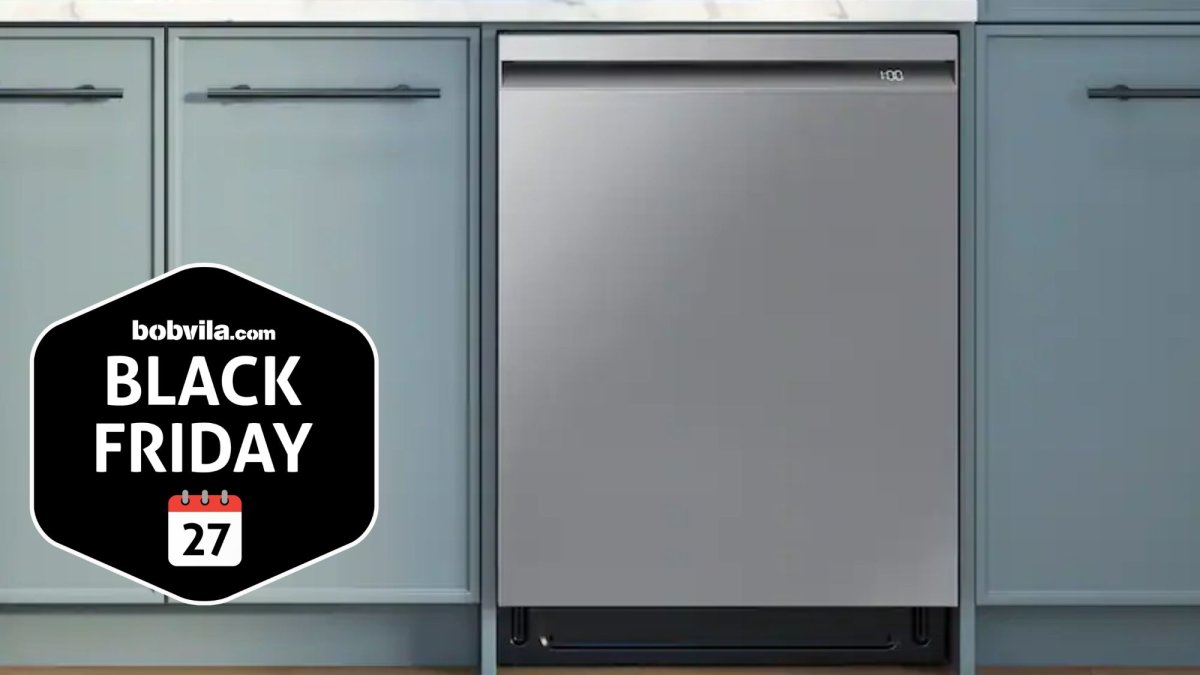
The technical specifications of the units on sale reflect a broader industry move toward specialized cycles.
- Sanitize Cycles: These cycles, found in the discounted GE and LG models, use high-temperature water (often exceeding 150°F) to eliminate 99.9% of food soil bacteria.
- Acoustic Ratings (dBA): The decibel levels in this year’s sale range from 62 dBA (audible but not intrusive) to 44 dBA (virtually silent). For every 10-point drop in dBA, the perceived sound level is halved.
- Third Rack Configuration: Once a luxury feature, the third rack is now present in many mid-range models on sale. This addition increases loading capacity by up to 30 percent, allowing for more efficient use of water and energy per item cleaned.
Industry Response and Economic Context
Market analysts suggest that the aggressive pricing seen at The Home Depot is a direct response to a cooling housing market. With fewer consumers moving into new homes, the appliance industry has shifted its focus toward the "replacement and remodel" market. Manufacturers are incentivizing retailers to move volume through deep discounts to offset the slower pace of new construction installations.
In a statement regarding the seasonal retail landscape, industry experts noted that consumers are becoming more discerning, often researching "total cost of ownership" rather than just the sticker price. This includes looking at energy ratings, expected lifespan, and the cost of professional installation. The Home Depot has addressed this by offering tiered delivery and installation packages, often bundling these services with the purchase of premium models during the Black Friday window.
Broader Impact and Consumer Implications
The implications of this sale extend beyond individual household savings. The mass adoption of high-efficiency appliances contributes to larger municipal water conservation goals. As retailers like The Home Depot make these units more accessible through 40-50% discounts, the "green gap"—the price difference between standard and high-efficiency models—virtually disappears.
However, consumers are urged to exercise caution regarding the logistical aspects of their purchase. The transition from an old unit to a new one involves more than just a delivery truck. Homeowners must ensure their existing plumbing and electrical configurations meet the requirements of modern machines. For instance, many new high-efficiency models require specific drain hose heights to prevent backflow, and some premium units may have different depth requirements than older "standard" 24-inch cutouts.
Technical Considerations Before Purchasing
Professional installers emphasize that the "standard" dishwasher size can be deceptive. While most openings are 24 inches wide, the vertical clearance can vary, especially in older homes where new flooring may have been laid over the old, effectively reducing the height of the cabinet opening.
- Measurement Verification: Before committing to a Black Friday deal, consumers should measure the height from the floor to the underside of the countertop at three different points.
- Electrical Requirements: Most dishwashers on sale are designed for a 120-volt, 15-amp circuit. Some newer models may require a dedicated circuit to handle the high-heat drying cycles.
- Tub Material: The sale includes models with both plastic and stainless steel tubs. While plastic tubs are found in the most affordable models (like the $279 Frigidaire), stainless steel tubs (found in the GE and KitchenAid models) offer better heat retention, which improves drying performance and reduces the risk of odors.
Looking Ahead: The Future of the Appliance Market
As the Black Friday event concludes, the appliance market is expected to stabilize, though the shift toward smart, connected features is likely to continue. Many of the models currently on sale at The Home Depot feature Wi-Fi connectivity, allowing users to monitor cycle times and receive leak alerts on their smartphones. This technology, once a niche offering, is becoming standard in the mid-to-high-tier categories.
The 2026 sale highlights a pivotal moment where high-end features—third racks, ultra-quiet operation, and advanced sanitization—have become accessible to the average consumer. For The Home Depot, the success of this event will likely be measured not just in units sold, but in the capture of long-term "Pro" and "DIY" customers who view the retailer as the primary destination for home infrastructure upgrades. For the consumer, the window of opportunity remains open through the end of November, providing a rare chance to secure essential household technology at prices that reflect a near-wholesale valuation.