admin
Artificial intelligence has transitioned from a niche academic pursuit to one of the most significant technological, social, and economic drivers of the current decade. While much of the public discourse surrounding AI focuses on its potential to disrupt traditional white-collar sectors or its role in automated logistics, the technology has permeated industries far removed from the digital core, including the highly artisanal world of craft brewing. As the United States craft beer market—an industry that contributed roughly $28.4 billion to the economy in recent years—faces rising ingredient costs and shifting consumer preferences, brewers are increasingly turning to machine learning and data analytics to maintain a competitive edge.
The integration of AI in brewing is not merely a gimmick for marketing purposes; it represents a fundamental shift in how beverages are conceived, monitored, and produced. From the precision of the packaging line to the complex chemistry of recipe formulation, AI is being utilized to solve age-old problems of consistency, efficiency, and creative stagnation. While fears regarding job security and the "dehumanization" of craft remain, early adopters in the industry suggest that AI serves less as a replacement for the brewmaster and more as a sophisticated tool for augmenting human capability.
Operational Precision and Quality Control
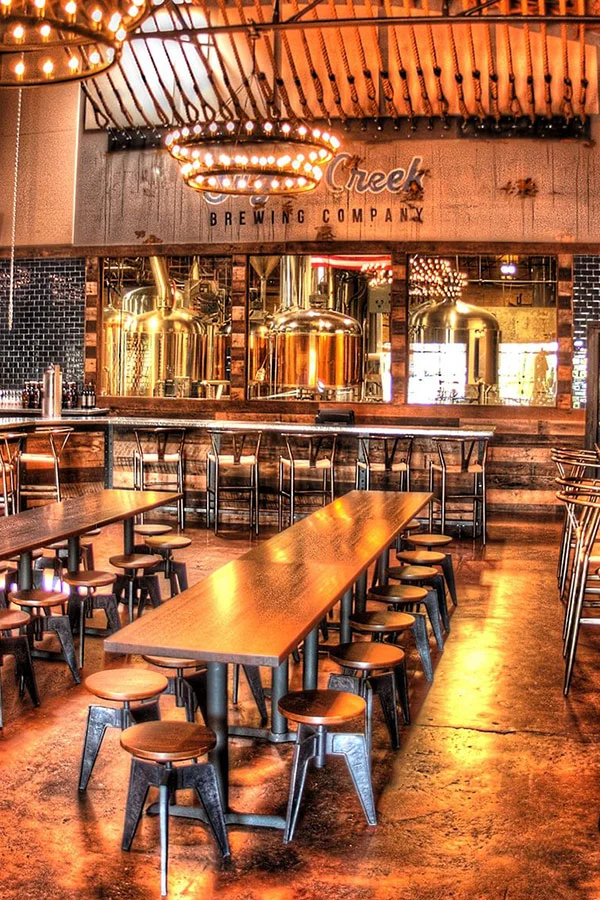
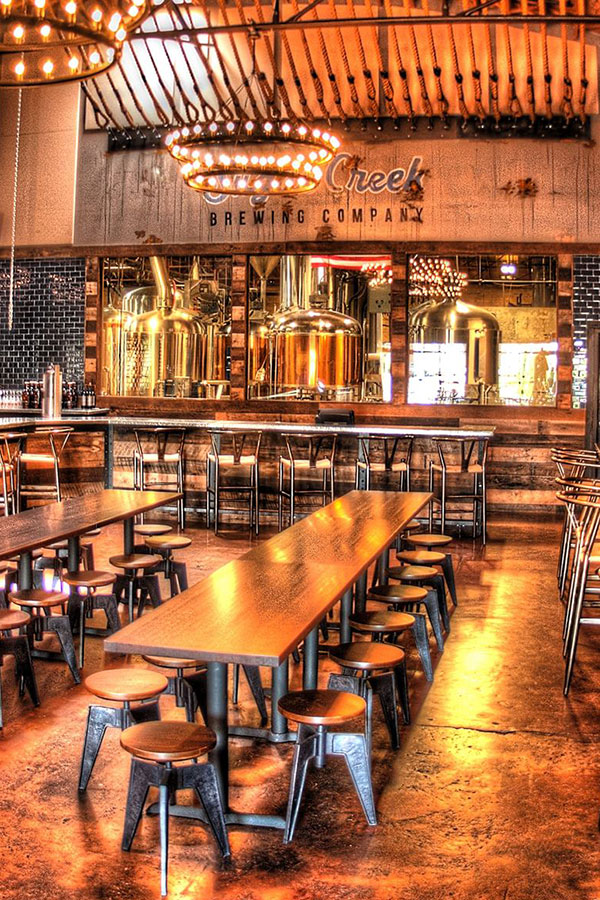
One of the most immediate applications of AI in the brewing industry is found in the optimization of business operations and quality assurance. Sugar Creek Brewing Company, based in Charlotte, North Carolina, serves as a primary case study for this technological integration. By deploying a network of Internet of Things (IoT) devices and AI-driven monitoring systems, the brewery has tackled one of the most persistent issues in packaging: the "foam level" or "fobbing" during the bottling process.
Excessive foaming during packaging leads to wasted product and inconsistent fill levels, which can negatively impact shelf life and flavor stability. The AI system at Sugar Creek monitors variables such as temperature, pressure, and flow rates in real-time. By analyzing this data, the system can identify the precise conditions that lead to excessive foam, allowing the production team to make immediate adjustments. This level of granular oversight ensures that every bottle meets strict quality standards, reducing waste and increasing the overall profitability of the operation.
Beyond the packaging line, AI is being used to predict equipment failure and manage supply chains. For a mid-sized craft brewery, a single day of downtime due to a broken pump or a clogged heat exchanger can result in thousands of dollars in lost revenue. Predictive maintenance algorithms can analyze vibration and temperature data from machinery to alert staff before a failure occurs, shifting the industry from a reactive to a proactive maintenance model.
The Rise of the AI-Generated Recipe
While operational efficiency provides the backbone for business stability, the "creative" application of AI has garnered the most public attention. Several American breweries have begun experimenting with Large Language Models (LLMs), such as OpenAI’s ChatGPT, to develop entirely new beer recipes.
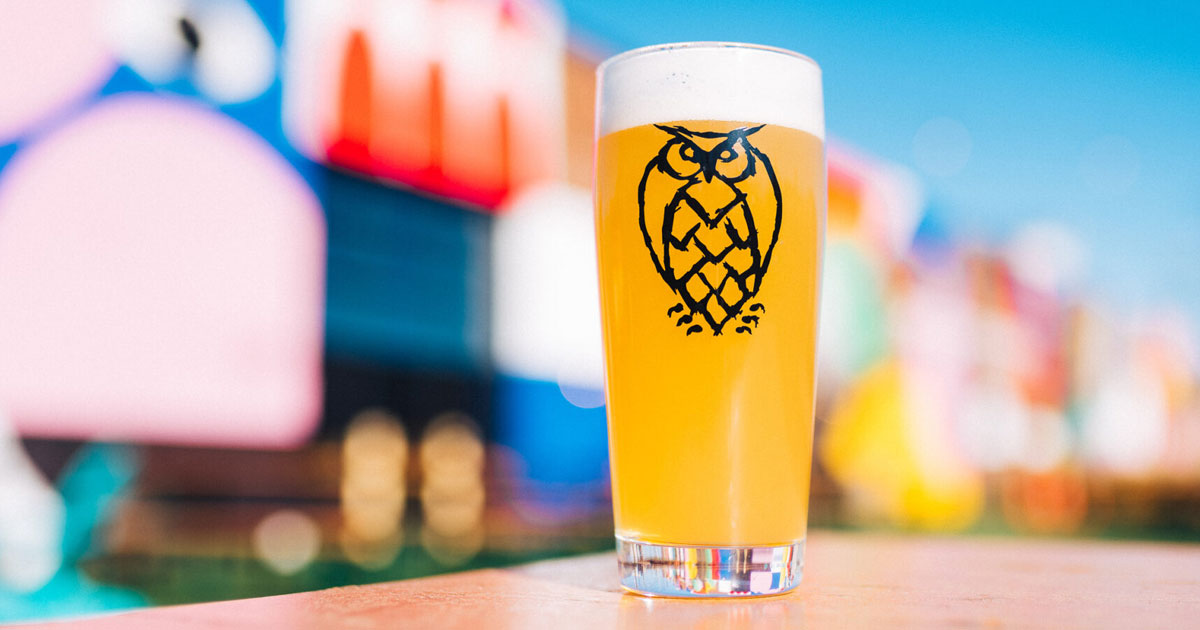
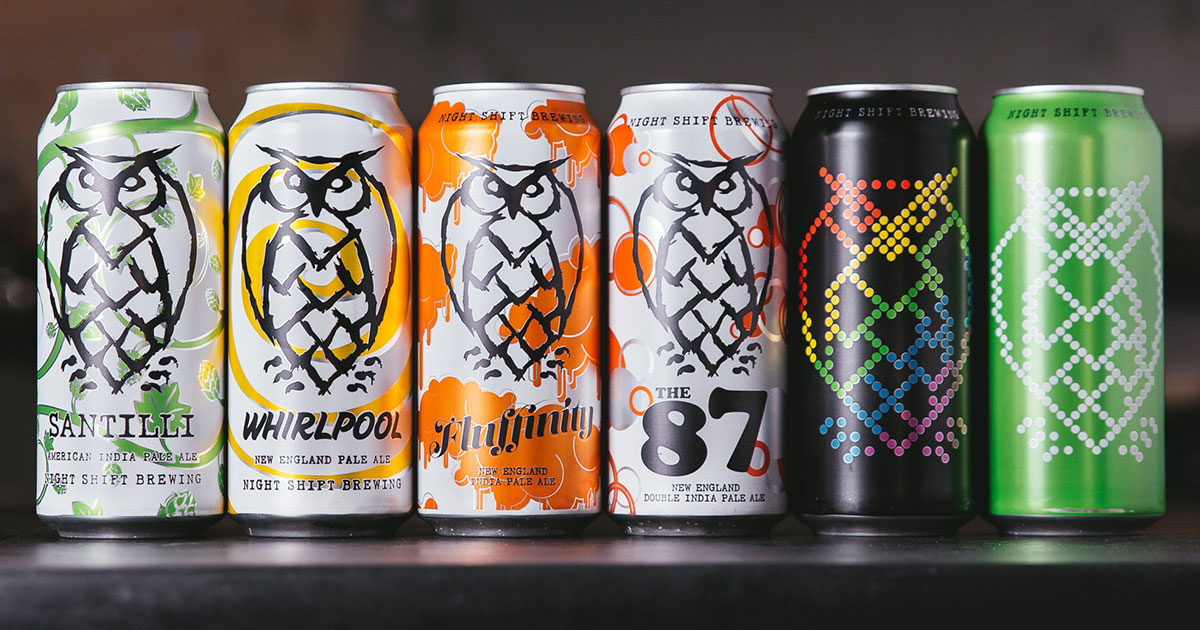
In Boston, Night Shift Brewing co-founder Michael Oxton recently explored the capabilities of ChatGPT to design a hazy IPA. The experiment revealed that the AI was capable of producing a comprehensive brewing blueprint, including a specific water mineral profile, grain bill, hop schedule, and fermentation instructions. Oxton noted that the AI’s ability to generate a target water profile—a task that typically requires weeks of research, testing, and chemical calculations—was completed in a matter of minutes.
The resulting "AI-PA" featured a complex flavor profile characterized by notes of mango, watermelon, and lemon-lime. While the beer was a critical and commercial success, the process highlighted a vital nuance: the necessity of human intervention. The Night Shift team had to adjust the AI’s suggestions based on the specific inventory of hops and malts available in their warehouse and the physical limitations of their brewing system. This "human-in-the-loop" requirement underscores that while AI can suggest a direction, the execution remains a manual craft.
Other notable examples of this trend include Asbury Park Brewery in New Jersey and Atwater Brewing in Detroit, both of which released AI-designed IPAs to test consumer interest in "machine-made" flavors. Urban Forest Craft Brewing in Rockford, Illinois, took a linguistic approach with its "Put the AI in sAIson," demonstrating that the technology can also assist in the branding and conceptualization of seasonal releases.
Deep Learning and the Evolution of Flavor Profiles
While general-purpose LLMs like ChatGPT are accessible to any brewer with an internet connection, some industry innovators are developing proprietary models tailored specifically to zymurgy—the study of fermentation. The now-closed Species X Beer Project, founded by Beau Warren, represented the vanguard of this movement. Warren, who possesses a background in both beer microbiology and data analytics, created seven distinct AI models to push the boundaries of traditional brewing.
Warren’s approach divided his offerings into two categories: "Carbon Species" (human-designed) and "Silicon Species" (AI-designed). To build the Silicon Species models, Warren utilized regression models and neural networks trained on vast datasets. These datasets included water chemistry profiles, yeast strain characteristics, hop alpha-acid percentages, and historical data from highly-rated human recipes.
The AI models were also fed "subjective" data, such as internal reviews and customer feedback, to help the machine understand what humans define as "balanced" or "delicious." This resulted in recipes that Warren described as being "out of left field," often ignoring centuries of brewing tradition. One such creation was an amber lager brewed with 100% Maris Otter malt—a choice a human brewer would typically avoid due to the malt’s traditional association with heavy porters and stouts. The AI’s unconventional logic produced a well-balanced, successful lager that challenged the brewer’s own preconceptions.
Another AI model, named "Beh3moth," designed an imperial pastry Baltic porter that utilized an exhaustive list of ingredients, including three types of fruit, coffee, vanilla, 12 varieties of malt, lactose, and marshmallows, followed by a dry-hopping technique usually reserved for New England IPAs. The result was a beer that Warren claimed was unlike anything he had ever tasted—a sentiment that suggests AI may be the key to breaking through the "style fatigue" currently affecting the craft beer market.
Optimizing the Microscopic: AI and Yeast Management
The innovation extends beyond the brewhouse and into the laboratory. Colorado-based Propagate Lab, a yeast propagation facility, has introduced "Yeast Buddy," an AI chatbot designed to help brewers navigate the complexities of fermentation. Yeast is arguably the most critical component of beer, responsible not only for alcohol production but also for the development of esters, phenols, and other flavor compounds.
With over 120 yeast strains in their database, Propagate Lab found that brewers often defaulted to "standard" or "safe" strains due to the overwhelming amount of data required to choose a more specialized alternative. Yeast Buddy acts as an automated consultant, filtering through strain characteristics, optimal temperature ranges, and flocculation rates to match a brewer’s specific goals.
According to Matthew Peetz, founder of Propagate Lab, the AI encourages brewers to be more adventurous by lowering the barrier to entry for complex scientific data. By providing options that a brewer might have previously overlooked, the technology fosters diversity in the marketplace, preventing the "homogenization" of craft beer styles.
Chronology of AI Integration in Brewing
The adoption of AI in the brewing sector has followed a clear timeline, reflecting broader trends in global technology:
- 2014–2018: The IoT Era. Early adoption focused on hardware. Large-scale craft breweries began installing sensors to monitor fermentation temperatures and tank pressures, though data analysis remained largely manual.
- 2019–2021: Big Data and Quality Control. Companies like Sugar Creek began partnering with tech firms to apply machine learning to the data collected by IoT sensors, specifically targeting waste reduction and shelf-stability.
- 2022–2023: The Generative AI Boom. The release of ChatGPT and other LLMs led to a surge in experimental "AI-PAs." This period was marked by marketing-heavy releases intended to gauge consumer reaction to AI involvement.
- 2024–Present: Specialized Modeling. The industry is moving toward "Niche AI," where breweries and labs build custom models trained on proprietary brewing data rather than general internet text.
Broader Impact and Industry Implications
The integration of AI into craft brewing brings with it a set of complex implications for the future of the workforce. While the technology can act as a "creativity enhancer," as Michael Oxton of Night Shift Brewing suggests, it also raises questions about the value of human intuition.
Industry analysts point out that AI is currently limited by its inability to perform sensory evaluation. An AI can predict that a certain hop combination will yield a citrus aroma based on chemical data, but it cannot "taste" the subtle astringency of a specific batch or the "mouthfeel" of a finished product. Therefore, the role of the brewmaster is evolving from a manual laborer and recipe-writer to a "data curator" and "final arbiter."
Furthermore, the economic reality of the industry remains a hurdle. The closure of Species X Beer Project shortly after its launch serves as a reminder that even the most advanced technology cannot fully insulate a business from macroeconomic pressures, such as rising rent, labor costs, and shifts in consumer spending. AI can optimize a recipe, but it cannot fix a flawed business model or a saturated local market.
Conclusion: The "Superhuman" Brewer
As the craft beer industry continues to mature, the distinction between "handmade" and "machine-assisted" may become increasingly blurred. The consensus among early adopters is that AI is not a replacement for the soul of craft beer but a powerful extension of it. By handling the "calculative" aspects of brewing—such as water chemistry, yeast selection, and waste monitoring—AI allows brewers to focus on the "artistic" aspects of their trade.
In the words of Beau Warren, the technology has the potential to make humans "superhumans" by providing them with the tools to process information at an impossible scale. For the consumer, this likely means a future of higher-quality, more consistent, and increasingly innovative beverages. The taproom of the future will not be run by robots, but it will almost certainly be powered by the algorithms they created.