admin
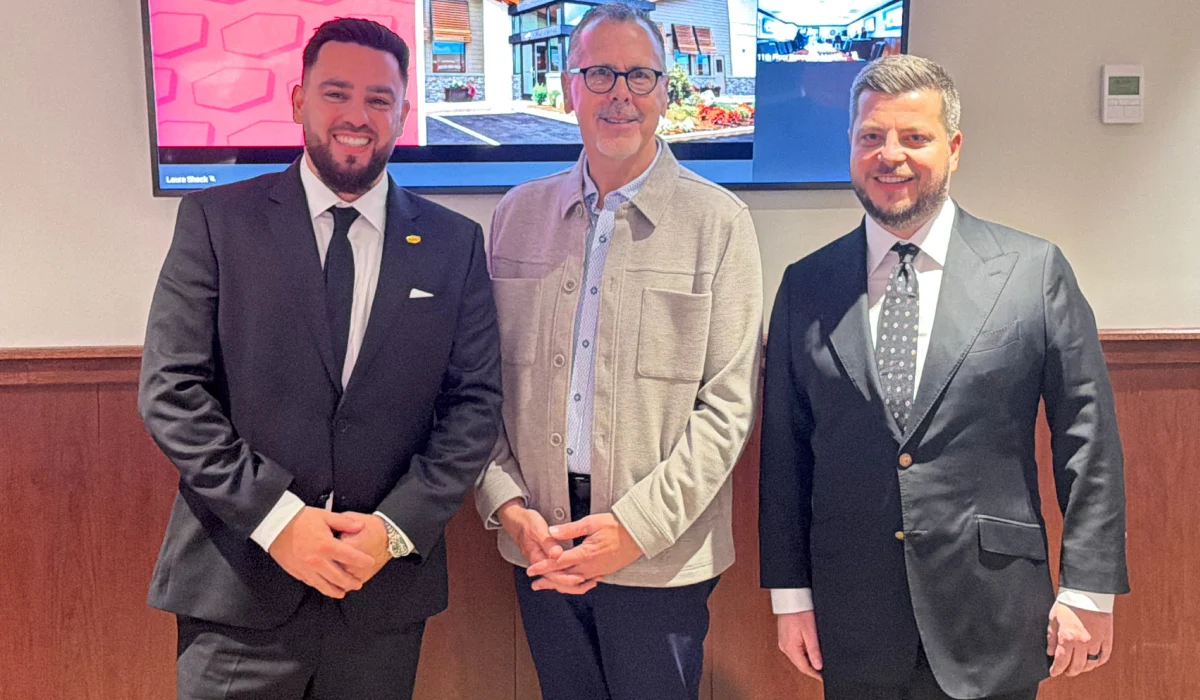
Denny’s Corporation, the iconic American diner chain, has officially announced a pivotal development agreement to establish its first-ever presence in the European Union, signaling a major shift in its global growth strategy. The agreement, signed with experienced Romanian entrepreneurs Honorius Prigoană and Marian Ionescu, outlines the development of 10 Denny’s locations across Romania over the next seven years. This move is not merely a localized expansion but serves as the foundational "tip of the spear" for a broader entry into Central and Eastern European markets, including potential future developments in Poland and the Czech Republic.
The Strategic Importance of the Romanian Market
The selection of Romania as the gateway to the European Union is a calculated decision based on the country’s evolving consumer landscape and its historical affinity for American culture. For decades, the American lifestyle has held a symbolic place in the Romanian consciousness, often attributed to the cultural impact of Western media during and after the communist era. Honorius Prigoană, one of the lead franchise partners, noted that the popularity of American television shows like "Dallas" played a significant role in shaping the aspirations of the Romanian public, fostering a long-standing desire for the "American Dream" and its associated culinary experiences.
Beyond cultural sentiment, the Romanian market presents a lucrative gap in the dining sector. While major American Quick Service Restaurant (QSR) brands such as McDonald’s, KFC, and Starbucks have successfully saturated the urban landscape, the "Full-Service Restaurant" (FSR) diner segment remains largely untapped. Denny’s aims to fill this void by offering the traditional, 24-hour American diner experience that differentiates itself from fast-food outlets through sit-down service, a diverse all-day menu, and a distinct "home-away-from-home" atmosphere.
A Proven Partnership and Operational Expertise
The success of this expansion hinges on the expertise of the franchise partners, Prigoană and Ionescu. Prigoană is no stranger to the complexities of bringing American casual dining to Eastern Europe; he was instrumental in the successful introduction of Chili’s Grill & Bar to the Romanian market. His experience navigating the logistical hurdles of international supply chains and European food safety regulations provides a blueprint for Denny’s rollout.
The performance of Chili’s in Romania has already demonstrated a robust appetite for American FSR concepts. The first location continues to see significant waitlists on weekends, and a second unit is already in development. This track record gave the Denny’s executive team confidence in the partners’ ability to scale. Marian Ionescu adds a layer of marketing sophistication to the venture, bringing over 15 years of experience working with major American brands and a deep understanding of how to leverage social media and influencer partnerships to build brand equity in a new territory.
Project Grand Slam: A Corporate Catalyst for Growth
The Romanian deal is a key component of "Project Grand Slam," Denny’s comprehensive enterprise strategy. Launched to revitalize the brand both domestically and internationally, Project Grand Slam focuses on four primary pillars: restaurant performance, modernization of the guest experience, menu innovation, and aggressive geographic growth.
For the past decade, Denny’s international growth had remained relatively stagnant, focused primarily on maintaining existing relationships rather than pioneering new territories. Mark Burgess, Denny’s Chief Development Officer, acknowledged that the brand had not "leaned in enough" to international markets over the last ten years. Project Grand Slam represents a course correction, dedicating more corporate resources to identifying and vetting multi-unit operators who possess the financial liquidity and local infrastructure necessary to sustain long-term growth.
The corporate strategy now prioritizes "quality over quantity" in its franchise recruitment, seeking partners who understand the intricate balance between brand authenticity and local market adaptation. In the case of Romania, the partners have expressed a commitment to preserving the authentic American diner experience rather than localizing the menu to the point of dilution.
Navigating European Regulatory and Supply Chain Hurdles
Entering the European Union presents a unique set of challenges, particularly regarding food safety standards and ingredient sourcing. EU regulations are among the strictest in the world, often prohibiting certain additives and genetically modified organisms (GMOs) that are common in the U.S. food supply.
Prigoană’s previous experience with Brinker International (the parent company of Chili’s) involved a year-long process of auditing local suppliers and testing ingredients to ensure they met both the brand’s flavor profile and the EU’s legal requirements. This rigorous groundwork is expected to streamline the Denny’s launch. By establishing a compliant supply chain in Romania, the brand effectively creates a "Green Zone" that facilitates easier entry into neighboring EU member states. Once a supplier is approved under EU law in one country, they can often serve as a regional hub for expansion into nearby markets like Hungary, Bulgaria, or Poland.
Chronology of the Deal and Future Timeline
The partnership between Denny’s and the Romanian entrepreneurs developed rapidly following an initial meeting in South Florida. The following timeline outlines the progression of the agreement:
- September 2023: Mark Levis, Denny’s lead for new business development, met with Honorius Prigoană in Fort Lauderdale, Florida. The initial discussions centered on the feasibility of the diner concept in Bucharest and beyond.
- Late 2023: The prospective partners underwent a rigorous evaluation process, including financial audits and operational assessments.
- Early 2024: Prigoană and Ionescu attended a franchise orientation at Denny’s corporate headquarters in Spartanburg, South Carolina. During this visit, they sampled the core menu and met with the executive leadership team to align on the "Project Grand Slam" vision.
- Mid-2024: The 10-unit development agreement was officially signed, covering a seven-year development window.
- 2025–2026: The first Romanian locations are expected to begin construction, with the brand focusing on high-traffic urban centers.
- 2026: Denny’s projects the opening of six to seven new international locations globally, with Romania serving as a primary focus in the European theater.
- April 2027: Denny’s plans to headline an international franchise event in London to further its Western European recruitment efforts.
Global Context and Comparative Performance
While Romania is the newest frontier, Denny’s has seen remarkable success in other international markets that serve as a proof of concept for the Romanian venture. In Honduras, the franchise group Grupo Comidas has demonstrated the high ceiling for the brand abroad. Their traditional Denny’s units, which seat over 200 guests, are currently generating an Average Unit Volume (AUV) of $2.7 million—outperforming many domestic U.S. locations.
The company is also eyeing significant expansion in Latin America and Asia. Following a successful retail expansion summit in Mexico City, Denny’s is actively recruiting developers for Mexico and Central America. Additionally, the brand is evaluating potential partners in high-growth regions including India and Oceania.
Analysis of Implications: Why the "Diner" Model Works Abroad
The decision to export the American diner experience is a strategic move to capitalize on the "experience economy." In many international markets, dining at an American brand is viewed as a form of "culinary tourism." For Romanian consumers, the ability to order authentic American pancakes or hash browns—items frequently seen in Hollywood films but rarely found in local eateries—provides a novelty factor that drives initial traffic.
Furthermore, the diner’s versatility is a significant asset. Unlike QSR brands that are strictly focused on fast service, Denny’s provides a space for social gathering, late-night dining, and family breakfasts. This flexibility allows the brand to compete across multiple dayparts (breakfast, lunch, dinner, and late-night), maximizing the revenue potential of each square foot of real estate.
From a corporate perspective, the international push helps diversify Denny’s revenue streams. As the brand faces headwinds in the U.S. market—including rising labor costs and a highly competitive domestic landscape—high-performing international units provide a necessary buffer and a platform for system-wide growth.
Conclusion: The Tip of the Spear
The 10-unit deal in Romania is more than just a franchise agreement; it is a litmus test for Denny’s ability to translate its 70-year-old American legacy into a modern European success story. By partnering with local experts who understand both the operational rigors of the EU and the cultural nuances of the Romanian consumer, Denny’s is positioning itself to capture a significant share of the European full-service dining market.
As Project Grand Slam continues to roll out, the success of the Bucharest locations will likely determine the pace of expansion into the rest of the continent. If the Romanian appetite for pancakes and hash browns matches the initial enthusiasm of its franchise partners, the "American Diner" may soon become a ubiquitous fixture across the European landscape, proving that the appeal of a classic American breakfast knows no borders.