admin
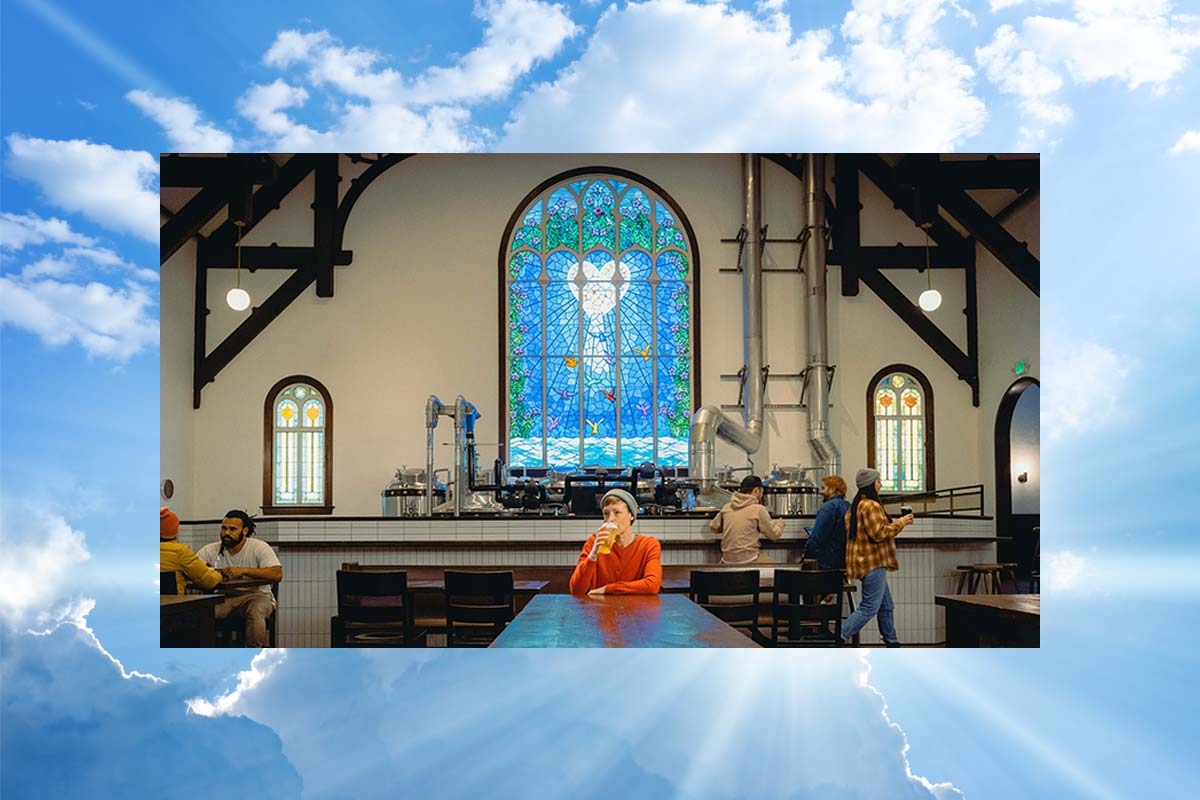
The landscape of American craft brewing is undergoing a significant transformation, and nowhere is this evolution more visible than in Portland, Oregon—a city often referred to by the moniker Beervana. While breweries across the United States are grappling with a shrinking marketplace and shifting consumer preferences, Portland’s established and emerging brewers are pivoting toward "elevated" experiences to maintain their foothold. This shift is exemplified by the success of Grand Fir Brewing in the Buckman neighborhood, where the traditional brewpub model has been augmented by high-end culinary integration, signaling a new era for the region’s legendary beer scene.
The Convergence of Culinary Arts and Craft Brewing
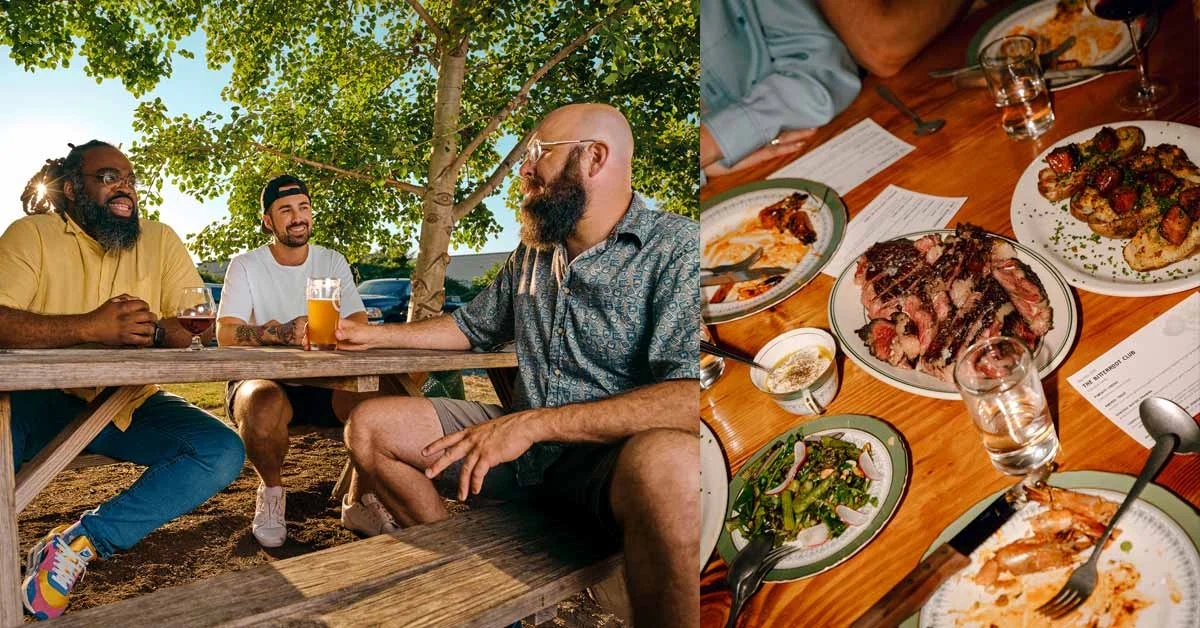
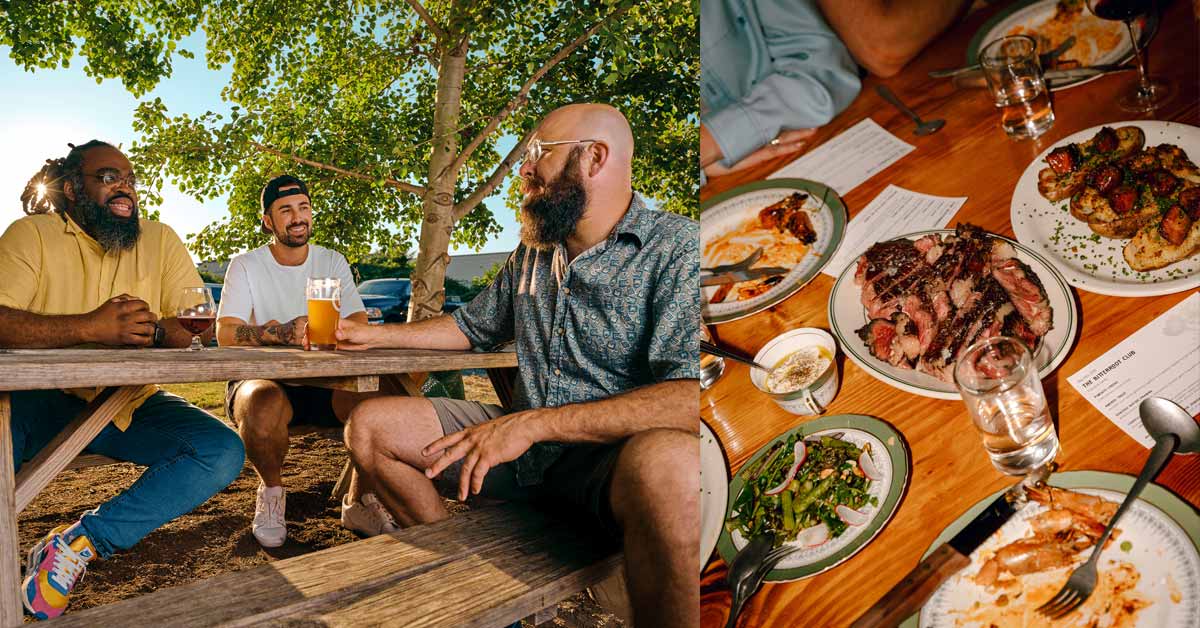
Opened in November 2022, Grand Fir Brewing represents a strategic fusion of elite culinary talent and veteran brewing expertise. Co-owners Doug and Whitney Adams have moved beyond the standard pub fare of burgers and fries to offer a more sophisticated "supper club" experience known as The Bitterroot Club. Doug Adams, a former Top Chef finalist and James Beard Award semifinalist, utilizes his background to create seasonal, locally sourced menus that are meticulously paired with beers brewed by Whitney Adams.
Whitney Adams, a veteran of the Northwestern brewing industry with experience at Upright Brewing, Elysian, and 10 Barrel Brewing Company, notes that the "elevated" approach is a necessity in a modern, saturated market. The Bitterroot Club, which requires a $135 prepaid reservation, serves as an extension of the brewery’s broader ethos: providing a premium attraction that distinguishes the brand from the hundreds of other establishments in the city.
The brewery’s regular menu further reflects this trend toward sophistication, featuring items such as shrimp rolls with jalapeño Old Bay tartar and fried chicken sandwiches with garlic buffalo sauce. According to Whitney Adams, the decision to lead with a high-end food program was a calculated business move. "I felt that if I were to just open up a brewery, I honestly don’t think it would make it," she stated, emphasizing that a unique "angle" is now required for success in the post-pandemic economy.
Historical Foundations: The Birth of Beervana
To understand Portland’s current market dynamics, one must look to the historical factors that allowed the city to become a global epicenter for craft beer. The term "Beervana" was first coined in 1994 by Willamette Week, a local alternative weekly, but the roots of the culture stretch back to the early 1980s. Portland’s development as a brewing hub was facilitated by its proximity to the Willamette Valley, one of the world’s premier hop-growing regions.
Unlike many other American cities, Portland was historically shielded from the total dominance of national macro-breweries like Miller and Anheuser-Busch. Van Havig, master brewer and co-founder of Gigantic Brewing, attributes this to the region’s geographical isolation. During the formative years of the 1980s and 90s, local distributors and brewpubs were left to cultivate the market without significant interference from "Big Beer."
By the early 2000s, Portland had established what Havig describes as the most developed craft market in the country. During this era, a "Big Six" group of local labels dominated the taps: Widmer Brothers’ Hefeweizen, Deschutes’ Mirror Pond Pale Ale and Black Butte Porter, Portland Brewing’s MacTarnahan’s Amber Ale, Full Sail’s Amber Ale, and BridgePort Brewing’s India Pale Ale. These brands set the standard for what consumers expected from "just beer," effectively removing the need for the labels "microbrew" or "craft" in local parlance.
The Evolution of the Northwest-Style IPA
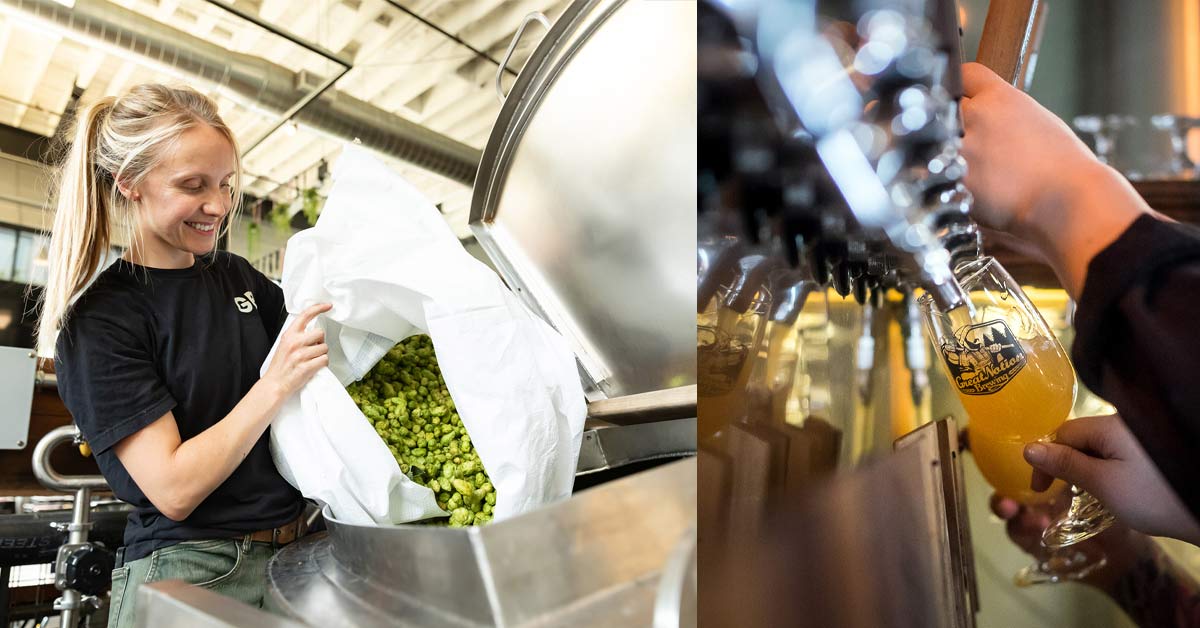
A defining moment in Portland’s brewing history occurred in 1996 with the introduction of BridgePort Brewing’s IPA. This beer, characterized by its aggressive use of five local hop varietals, provided the template for the Northwest-style IPA. Known for its citrus, floral, and pine notes, the style was initially considered too "aggressive" for mainstream palates outside of Oregon and Washington.
However, within Portland, the Northwest IPA became the cornerstone of the industry. As palates continued to evolve through the 2010s, brewers like those at Breakside Brewing and Gigantic Brewing began pushing the boundaries of experimentation. This period saw the rise of Belgian-style ales, barrel-aging programs, and "wild" inventions, such as beers brewed with Japanese black rice and plums. The consumer base proved remarkably receptive to these innovations, allowing brewers to move substantial volumes of experimental styles that might have failed in less discerning markets.
Supporting Data: The Economic Impact of Oregon Craft Beer
The resilience of Portland’s beer scene is supported by significant economic data. According to the Oregon Brewers Guild and the Brewers Association, Oregon remains a national leader in the craft brewing sector:
- Economic Contribution: The craft beer industry contributes more than $6.6 billion to Oregon’s economy annually.
- Employment: The sector supports approximately 50,000 jobs across the state, including positions in brewing, distribution, and hospitality.
- Brewery Density: Oregon consistently ranks in the top five states for breweries per capita, with Portland boasting one of the highest concentrations of breweries of any major U.S. city.
- Agricultural Synergy: Oregon is the second-largest hop-producing state in the U.S., with the Willamette Valley providing a direct supply chain that reduces logistical costs for local brewers.
Despite these strong figures, the industry faces headwinds. Rising real estate costs in Portland’s urban core and a general plateauing of craft beer sales nationally have forced local breweries to innovate. The "growler phenomenon" of the mid-2010s, which saw gas stations and grocery stores installing draft towers, has evolved into a demand for more specialized, on-premise experiences.
The Modern Marketplace: Diversification and Specialization
As the market matures, Portland’s breweries are diversifying their offerings to capture various niche audiences. The current landscape includes:
- Lager-Centric Producers: Wayfinder Brewing has gained national acclaim for popularizing "Cold IPAs" (brewed with lager yeast) and focusing on traditional German styles.
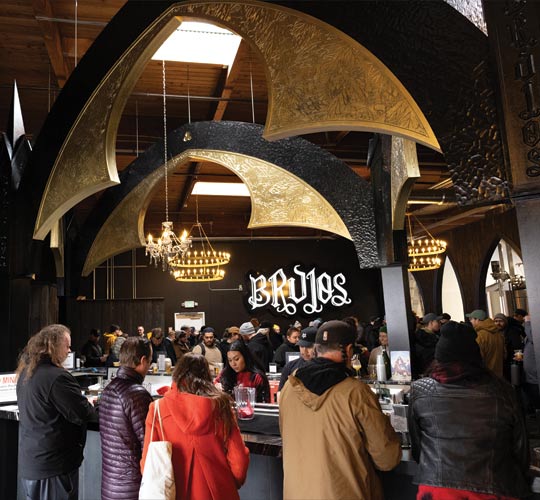
- Thematic Taprooms: Brujos Brewing utilizes a "heavy metal" aesthetic and focuses on hazy IPAs to attract a specific subculture.
- Experimental Hubs: Living Häus Beer Company serves as a center for experimental brewing, often hosting collaborations and limited-run releases.
- Non-Alcoholic Innovation: Deschutes Brewery, a longtime industry stalwart, has invested heavily in high-quality non-alcoholic (NA) versions of its flagship beers, such as Black Butte Porter, to appeal to the "sober-curious" demographic.
Ben Edmunds, brewmaster at Breakside Brewing, notes that the current era is defined by an "influx of new blood" from experienced brewers who have branched off from established pillars to start their own ventures. This "brewing family tree" ensures that even as the market becomes more competitive, the quality of the product remains high.
Broader Impact and Industry Implications
The trends observed in Portland serve as a bellwether for the national craft beer industry. The move toward "elevated" food programs, as seen at Grand Fir Brewing, suggests that the future of the brewpub may lie in its ability to function as a full-service culinary destination rather than just a taproom.
Furthermore, the Portland market demonstrates the importance of a "savvy" consumer base. In regions where beer knowledge is high, breweries are held to a higher standard of quality and innovation. Whitney Adams argues that this shared passion between the brewer and the drinker is what maintains the city’s resilience in the face of economic woes.
However, the challenges are real. The closure of several long-standing institutions in recent years—including BridgePort Brewing in 2019—serves as a reminder that even the most iconic brands are not immune to market shifts. The survival of Portland’s "Beervana" identity likely depends on the industry’s ability to balance its historic roots with the demands of a modern, more discerning audience.
Conclusion: The Persistence of Beervana
Ultimately, Portland’s brewing culture remains unique because of its integration into the daily life of its citizens. As Van Havig observed, in Portland, "craft beer" is simply "beer." The city has moved past the novelty phase of the craft movement and into a period of sophisticated maturation.
While the "Bittersweet Club" and other premium experiences represent a shift toward high-end hospitality, the core of the industry remains focused on the quality of the liquid in the glass. With a deep-rooted history, a robust agricultural foundation, and a consumer base that treats beer as a cultural cornerstone, Portland continues to define the standard for the American craft beer experience. The city’s ability to adapt—transforming from a collection of industrial microbreweries into a landscape of elevated culinary and social hubs—ensures that its status as Beervana remains intact, even as the marketplace continues to evolve.