admin
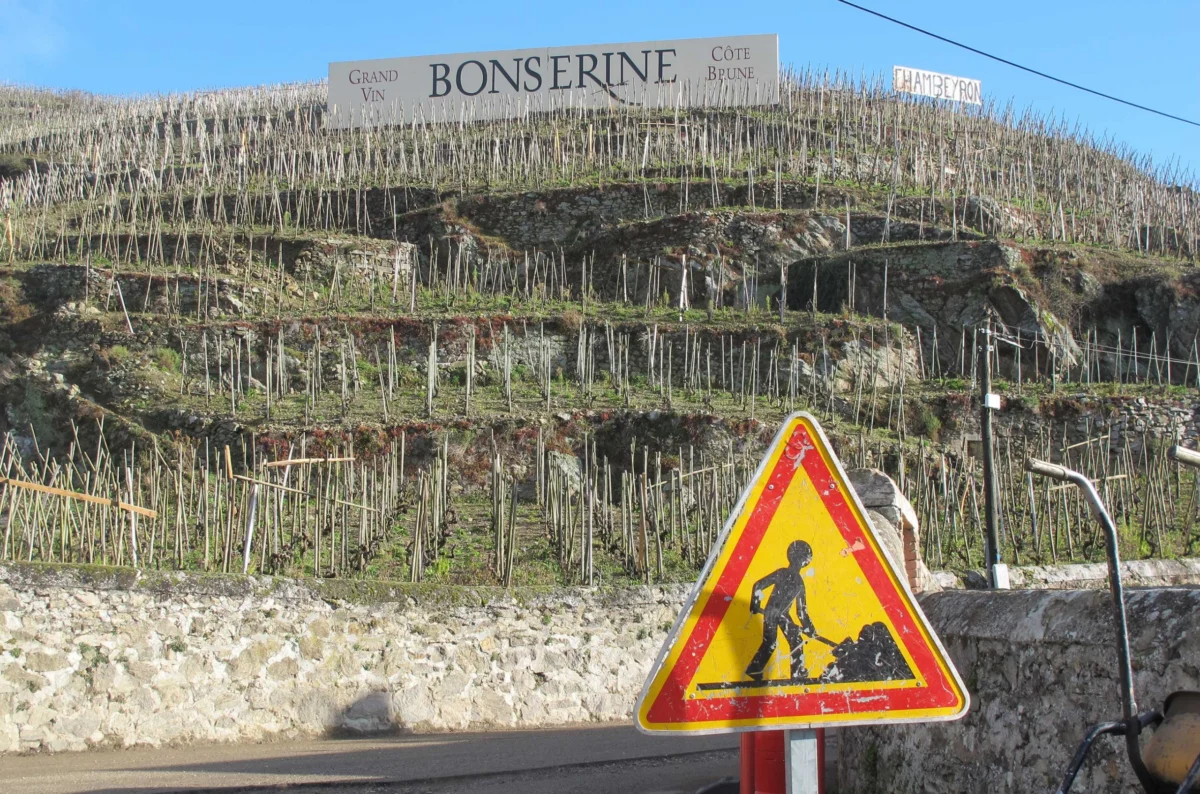
A prominent observation from award-winning wine writer and consultant Matt Walls proposes a novel dual classification for wines, dividing them into categories akin to an "armchair" or a "motorbike." This conceptual framework, increasingly adopted by Walls, suggests that each wine possesses an inherent character aligning with either a comforting, contemplative experience or a dynamic, exhilarating journey, with no single wine occupying both realms simultaneously. This fresh perspective offers a relatable lens through which to approach the vast and often complex world of wine, moving beyond traditional technical descriptors to focus on the experiential aspects that resonate deeply with consumers and professionals alike.

The Genesis of a New Classification
The wine industry has long grappled with the challenge of communicating the nuanced characteristics of its products to a diverse audience. Historically, wine descriptions have relied on a technical vocabulary encompassing elements such as tannin structure, acidity levels, alcohol content, and specific aromatic compounds. While precise, this language can often be intimidating or inaccessible to the average enthusiast. Over time, a more evocative language emerged, employing analogies to fruits, flowers, spices, and minerals to paint a sensory picture. Walls’ "armchair" and "motorbike" paradigm represents a further evolution in this descriptive journey, shifting the focus from what a wine tastes like to how it makes one feel and the occasion it best suits.
This intuitive classification likely stems from a growing demand for clearer, more personal connections to wine. In an era of unprecedented choice, consumers are seeking guidance that transcends mere tasting notes, aiming to match wines with moods, social settings, and personal preferences. Walls, a contributing editor for Decanter and a specialist in the Rhône Valley, introduces this dichotomy as a practical tool for discernment, suggesting that the ideal drinking moment is intrinsically linked to a wine’s inherent personality.

Defining the ‘Armchair’ Wine Experience
"Armchair" wines are those that evoke comfort, familiarity, and a sense of effortless relaxation. These are the wines designed for unwinding, for thoughtful contemplation, or for sharing in intimate, unhurried settings. Characteristics typically associated with armchair wines include:
- Smoothness and Mellow Texture: Often indicative of well-integrated tannins in red wines, or a creamy, rounded mouthfeel in whites. Oak aging, particularly in larger, older barrels, can contribute to this textural harmony.
- Balanced Acidity and Alcohol: No sharp edges or overpowering heat; the components are in seamless equilibrium, contributing to a sense of ease on the palate.
- Complex, Evolved Aromas: Notes of dried fruit, leather, tobacco, forest floor, or tertiary spice, often developed through bottle aging. These aromas invite introspection rather than immediate sensory assault.
- Gentle Persistence: A lingering finish that is pleasant and subtle, encouraging another sip without demanding immediate attention.
- Classic Regionality: Many traditional wines from established regions, especially those with a history of bottle aging, tend to fit this profile. Think of a mature Bordeaux, an aged Rioja Gran Reserva, a gracefully evolving Barolo, or a mellow, barrel-aged Chardonnay from Burgundy.
The ideal moments for an "armchair" wine are those where comfort is paramount: a quiet evening by the fire, a relaxed dinner with close friends, or a moment of personal reflection. These wines serve as a backdrop, enhancing the experience without dominating it. Market data consistently shows a strong base demand for wines perceived as "smooth," "mellow," or "easy-drinking," particularly among consumers seeking consistency and reliability. Surveys often reveal that for many, wine is primarily a tool for relaxation and social enjoyment, aligning perfectly with the "armchair" archetype.
Embracing the ‘Motorbike’ Wine Adventure
In stark contrast, "motorbike" wines are characterized by their dynamism, energy, and invigorating presence. These are wines that demand attention, stimulate the senses, and offer an exhilarating, often challenging, experience. They are for moments of adventure, lively discussion, and culinary exploration. Key attributes of "motorbike" wines often include:
- Vibrant, Incisive Acidity: A prominent, mouth-watering acidity that provides structure and freshness, often described as "racy" or "electric." This is particularly common in cool-climate whites or high-altitude reds.
- Tannic Grip or Minerality: In red wines, firm, sometimes rustic tannins that provide a textural edge. In whites, a pronounced minerality that speaks of the soil and origin, adding a savory complexity.
- Purity of Fruit and Terroir Expression: Often less influenced by new oak, these wines showcase unadulterated fruit character, sometimes with herbaceous or savory undertones. They are transparent expressions of their specific vineyard sites.
- Unconventional or Youthful Character: May include wines with oxidative notes (like some orange wines), reductive qualities, or those made with minimal intervention, exhibiting a raw, untamed essence. They can be young, vibrant expressions of powerful varietals.
- Energetic Finish: A crisp, sometimes tart or savory finish that invigorates the palate and leaves a lasting impression, prompting engagement rather than repose.
- Emerging and Dynamic Regions/Styles: Many natural wines, biodynamic productions, wines from volcanic soils, or experimental expressions from both established and new-world regions embody this spirit. Examples might include a youthful Northern Rhône Syrah, a high-altitude Sancerre, an orange wine with noticeable skin contact, or a vibrant, unadorned expression of a lesser-known indigenous grape.
The moments best suited for a "motorbike" wine are typically more active and engaging: pairing with adventurous cuisine, sharing during an animated debate, or exploring new flavors and experiences. The rising popularity of natural wines, artisanal small-batch productions, and wines from lesser-known grape varieties underscores a consumer trend towards seeking out unique and stimulating wine experiences, mirroring the "motorbike" ethos. The image of a rider skillfully navigating a curve on a sport motorbike, as depicted in the original context, perfectly encapsulates the precision, excitement, and focused engagement these wines offer.
Chronology and Evolution of Wine Description
The idea of classifying wines by their experiential impact rather than solely by their chemical profile or regional origin is not entirely new but has gained significant traction in recent years. For decades, wine criticism often focused on a hierarchical system, with certain regions and styles deemed inherently superior. The language reflected this, emphasizing pedigree, ageability, and adherence to classic norms.
However, the late 20th and early 21st centuries witnessed a democratization of wine, driven by global production, increased accessibility, and a burgeoning interest in diverse styles. This shift necessitated a more inclusive and relatable vocabulary. Wine writers and educators began experimenting with broader categories, such as "food-friendly," "party wines," "contemplative wines," or even "meditation wines." Walls’ "armchair" and "motorbike" distinction refines these concepts into a memorable and highly effective binary. It represents a move away from prescriptive tasting notes towards a more consumer-centric approach that prioritizes the feeling a wine evokes. This evolution aligns with broader trends in lifestyle marketing, where products are increasingly sold based on the experiences they promise rather than just their functional attributes.
Inferred Industry Reactions and Broader Implications
Walls’ classification, while informal, holds significant implications for various stakeholders within the wine industry:
For Wine Critics and Educators: This framework offers a valuable new tool for simplifying complex wine narratives. While some traditionalists might argue that such broad categories risk oversimplification, many wine educators and critics would likely welcome an intuitive system that makes wine more approachable. It could facilitate more engaging discussions and help demystify tasting notes. However, it also challenges them to articulate why a wine fits into one category over another, requiring deeper experiential analysis. For instance, a critic might state, "This mature Cabernet Sauvignon, with its velvety tannins and notes of cedar, is a quintessential ‘armchair’ wine, perfect for quiet reflection," or "The electrifying acidity and saline minerality of this Albarino position it firmly in the ‘motorbike’ camp, ideal for cutting through rich seafood."
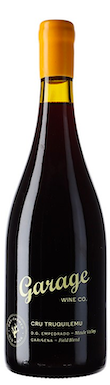
For Producers and Winemakers: Such a clear categorization could influence winemaking decisions and marketing strategies. Producers aiming for the "armchair" market might prioritize extended aging, softer extraction techniques, or specific oak regimes to achieve a mellow, rounded profile. Conversely, those targeting the "motorbike" segment might focus on retaining vibrant acidity, expressing raw terroir, or experimenting with minimal intervention techniques to achieve a more energetic and challenging wine. It could also help them articulate their brand identity more clearly to consumers. A winemaker might say, "Our philosophy has always been to craft wines that provide comfort and familiarity, embodying the true ‘armchair’ spirit of our region," or "We strive for wines that push boundaries, offering an invigorating and thought-provoking ‘motorbike’ experience."
For Retailers and Sommeliers: This classification provides an incredibly practical framework for merchandising, inventory management, and customer recommendations. Retail shelves could be organized by "mood" or "experience" rather than just region or varietal. Sommeliers could more effectively guide diners to wines that align with their dining occasion and personal preferences. "Are you looking for something comforting and classic tonight, perhaps an ‘armchair’ experience, or something more adventurous and lively to pair with your dish, a ‘motorbike’ selection?" Such questions could transform the customer interaction, making wine selection less daunting and more enjoyable.
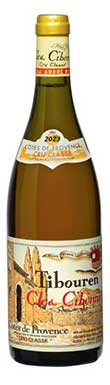
For Consumers: Ultimately, the greatest benefit lies with the consumer. Navigating the vast array of wines available can be overwhelming. Walls’ "armchair" and "motorbike" classification offers a simple, memorable heuristic that allows individuals to quickly align a wine with their desired experience, whether it’s a quiet evening at home or an exciting culinary adventure. It empowers them to make more informed choices based on personal preferences rather than just price point or perceived prestige. This intuitive approach fosters a deeper, more personal connection to the wines they choose.
The Nuance of Experience: Beyond the Binary
While the "armchair" and "motorbike" classification offers a powerful simplification, it’s important to acknowledge the inherent nuances and complexities of wine. No single binary can fully capture the kaleidoscopic range of flavors, textures, and aromas that wines offer. Some wines might evolve over time, perhaps starting as a vibrant "motorbike" in their youth and mellowing into a contemplative "armchair" with significant age. The context of consumption also plays a crucial role; a wine that feels like an "armchair" on a relaxing evening might, when paired with a particularly challenging dish, reveal a more "motorbike"-like edge.
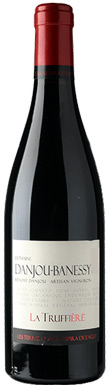
However, the strength of Walls’ framework lies in its accessibility and its focus on the primary experiential characteristic. It serves as an excellent starting point for understanding, a foundational layer upon which more detailed analysis can be built. It acknowledges that wine appreciation is as much about the emotional and situational context as it is about the objective sensory evaluation.
Conclusion
Matt Walls’ introduction of the "armchair" and "motorbike" wine classification marks a significant step in the ongoing evolution of wine discourse. By offering a simple, relatable, and experientially focused dichotomy, it provides a valuable tool for demystifying wine and enhancing consumer engagement. This framework transcends traditional technical jargon, allowing wine lovers to connect with bottles based on the comfort or excitement they promise. As the global wine landscape continues to diversify, such intuitive classification systems will become increasingly vital in helping both professionals and enthusiasts navigate its rich and varied terrain, ultimately enriching the overall appreciation of wine as both a beverage and an experience.