admin
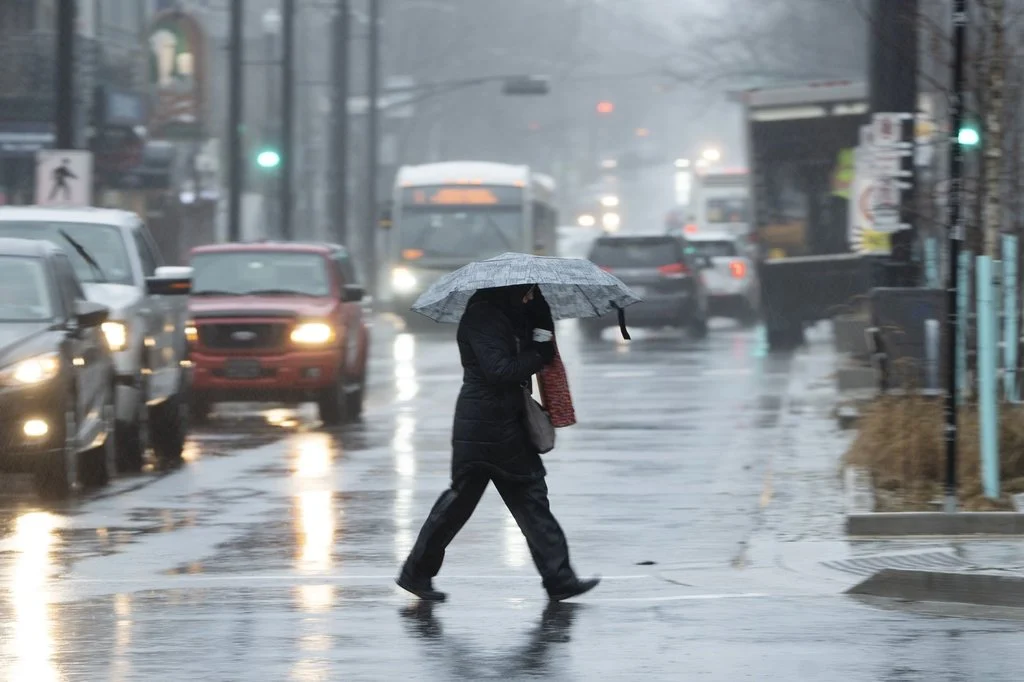
The 2025 hop harvest season in Colorado reached a quiet conclusion this week as weather patterns over the Rocky Mountains grounded one of the craft brewing industry’s most ambitious logistical undertakings. Eric Serani, co-founder and president of Denver-based FlyteCo Tower, confirmed that for the first time since the brewery’s inception in 2019, the annual "hop flight"—a mission to transport fresh hops from the Western Slope to the brewhouse via private aircraft—was canceled due to persistent cloud cover and unsafe flying conditions.
The cancellation marks a rare setback for the "Hop Is My Co-Pilot" Fresh Hop IPA, a seasonal release that has become a symbol of the brewery’s dual commitment to aviation and craft beer. While the hops will be shipped via traditional overnight methods this year to ensure the beer is still produced, the absence of the flight highlights the precarious nature of "wet hop" brewing, where timing, meteorology, and agricultural cycles must align perfectly within a narrow 24-hour window.
The Logistics of the Fresh Hop Flight
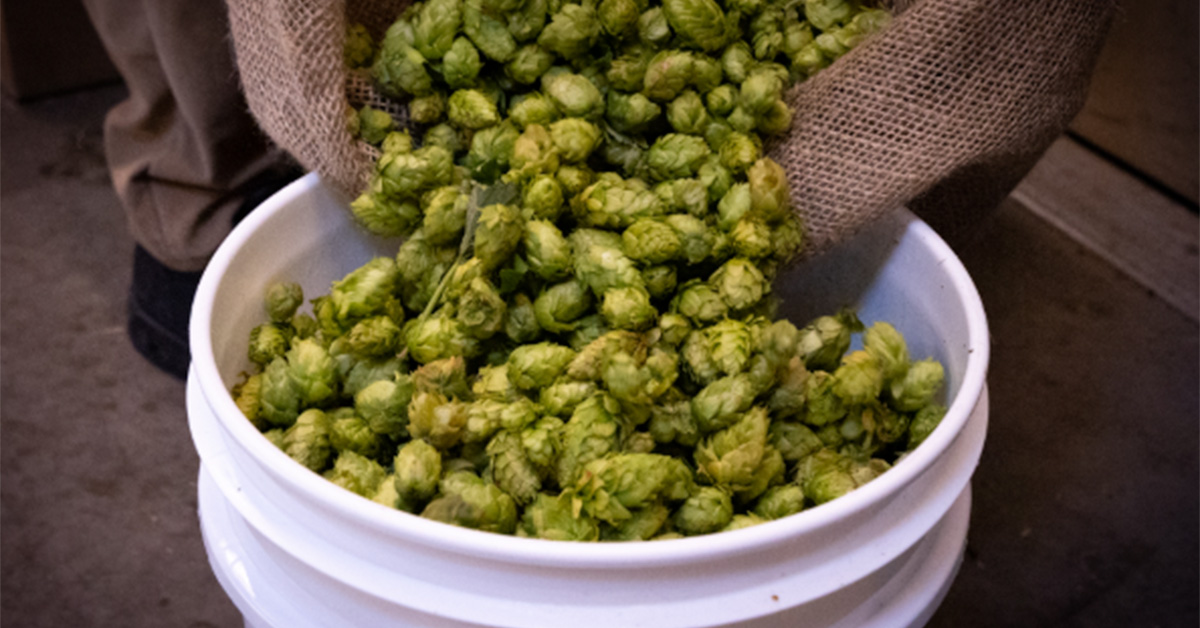
Fresh hop brewing, also known as "wet hopping," differs significantly from standard brewing processes. Most commercial beers utilize dried hop pellets or extracts, which are shelf-stable and easy to transport. Fresh hops, however, are picked straight from the vine and remain un-kilned. They possess a high moisture content and volatile aromatic oils that begin to degrade almost immediately after harvest. To capture the "radiant" grassy and floral notes unique to these hops, brewers must introduce them to the kettle or fermenter within hours of picking.
For FlyteCo, this involves a 175-nautical-mile journey over the Continental Divide. Serani, a licensed pilot and aerospace engineer, typically utilizes his four-seater Van’s Aircraft RV-10 for the mission. The flight path from Erie Municipal Airport to Billy Goat Hop Farm in Montrose, Colorado, requires navigating altitudes between 11,000 and 13,000 feet.
The 2025 timeline illustrated the volatility of this endeavor. Initially scheduled for a Monday in late August, the flight was postponed to Wednesday, and then delayed further as a stubborn weather system moved through the region. "The harvest, they don’t know when that’s going to be until a few weeks ahead of time," Serani noted. "The weather for the flight, we don’t know for sure until the day of. Every time we’ve been able to make this beer, it’s a miracle."
Technical Challenges of High-Altitude Transport
Transporting hops by air is less an act of efficiency and more an act of brand-aligned passion. According to FlyteCo co-founder Morgan O’Sullivan, the fuel costs for the RV-10 often exceed the actual market price of the hops. However, the mission serves as a critical training exercise for the pilots involved, keeping their mountain flying skills sharp.
The RV-10, a popular kit-built aircraft, is known for its speed and payload capacity, but space remains a primary constraint. During a typical year, the crew transports between 80 and 100 pounds of hops for a 15-barrel system. Following FlyteCo’s transition to a smaller 2.5-barrel experimental system at their Tower location, the requirement has dropped to approximately 20 pounds. Despite the lower weight, the sheer volume of the uncompressed sacks of Chinook, Cascade, or Nugget hops requires them to be packed into every available space in the cabin.
The coordination requires the brewing team in Denver to begin the "mash" process while the plane is still in the air. By the time the aircraft touches down at Erie and the hops are shuttled to the brewery, the wort is ready for the addition, ensuring the shortest possible interval between the farm and the kettle.
A Legacy Rooted in Stapleton History
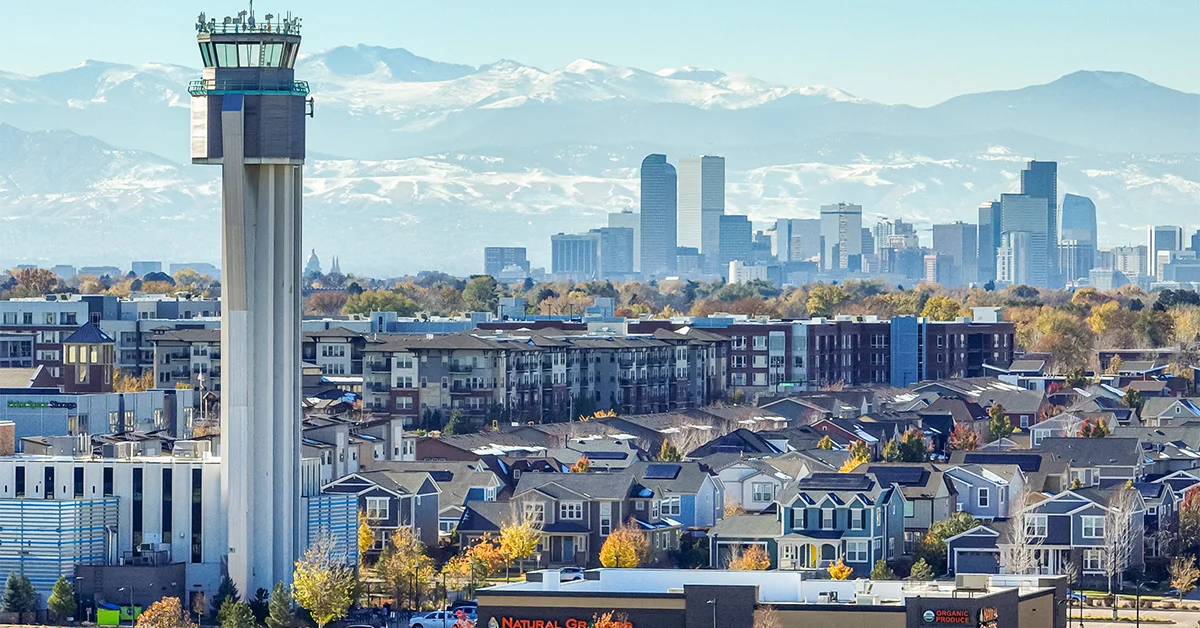
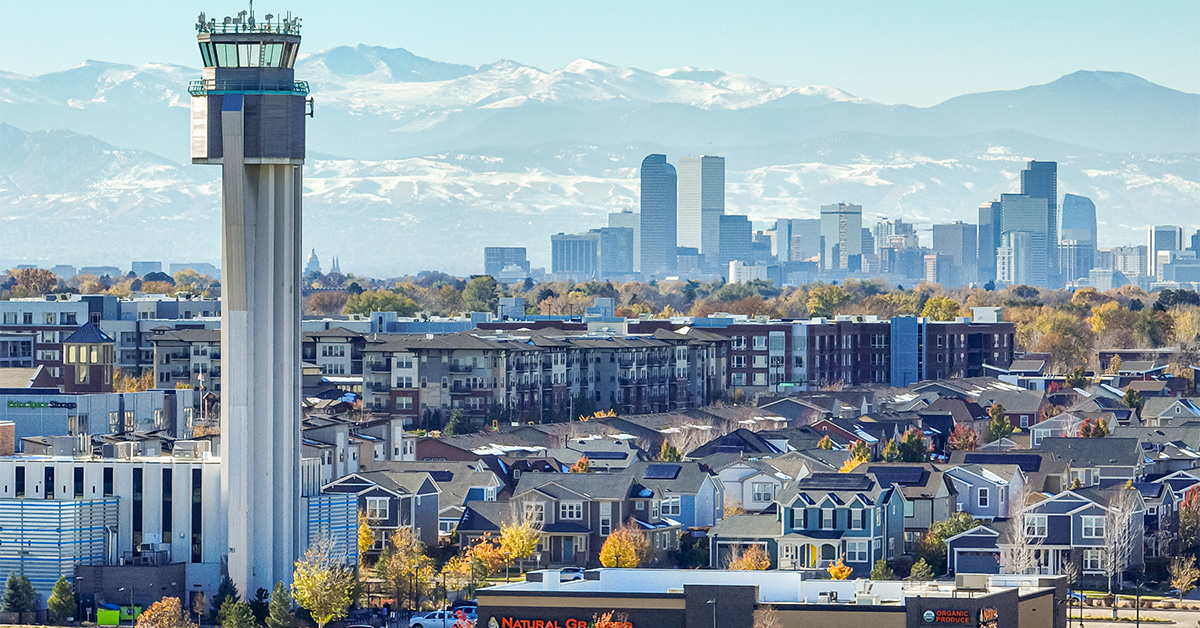
The brewery’s identity is inextricably linked to the history of its location. FlyteCo Tower operates out of the former air traffic control tower of Stapleton International Airport. Opened in 1929, Stapleton was once the third busiest airport in the world and served as a major hub for United Airlines until its closure in 1995, when operations shifted to Denver International Airport (DIA).
The 11-story tower sat vacant for decades until it was repurposed as an entertainment complex. FlyteCo took over the space in 2022, transforming it into a multi-level venue featuring bowling, arcade games, and a brewery. The move was a homecoming for Serani, who grew up in nearby Broomfield and learned to fly at Erie Municipal Airport.
The region itself holds a storied place in aviation history. In 1910, French aviator Louis Paulhan became the first person to fly in Denver, proving that flight was possible at high altitudes—a theory many contemporary scientists doubted. Furthermore, the nearby Stanley Aviation Manufacturing Plant, established in 1954, became a global leader in the production of airline ejection seats. FlyteCo honors this history through its in-house museum, curated by historian Sean Henson, which details the contributions of aviation pioneers like Marlon Green and Emily Howell Warner.
Philanthropy and Community Integration
Beyond the novelty of the hop flight, FlyteCo functions as a social enterprise focused on diversifying the aviation industry. The brewery donates 10% of its profits to aviation-fueled initiatives, including the Experimental Aircraft Association’s (EAA) Young Eagles program.
This commitment stems from Serani’s personal history. After losing his grandfather—his primary aviation mentor—at age 17, the local EAA chapter provided Serani with a scholarship to complete his pilot certification. Today, Serani serves as a flight instructor and uses the brewery’s platform to inspire a new generation of pilots.
"The entire FlyteCo brand is about aviation, about inspiring people to push their limits and do something they don’t think they can do," Serani said. The brewery’s "Hop Is My Co-Pilot" IPA serves as a liquid representation of this ethos, even in years when the flight itself is grounded.
Economic and Operational Evolution
The cancellation of the 2025 flight comes at a time of operational transition for FlyteCo. Earlier this year, the brewery closed its original Tennyson Street location to consolidate operations at the Tower. To maintain its supply of flagship beers, such as the Azacca Pale Ale, FlyteCo entered into a contract brewing agreement with Copper Kettle Brewing Company.
This shift allows the on-site 2.5-barrel system at the Tower to function as a "pilot" brewery, focusing on experimental, small-batch releases. This flexibility is essential for products like fresh hop IPAs, which have a limited shelf life and are typically consumed within weeks of production.
The broader craft beer industry has seen a cooling of the fresh hop trend in some regions due to the high labor costs and logistical risks involved. However, in Colorado, the tradition remains a cornerstone of the late-summer harvest season. For FlyteCo, the "miracle" of the flight is not just about the beer, but about maintaining a connection to a community of pilots and enthusiasts who view the Rocky Mountains not as a barrier, but as a challenge to be navigated.
Conclusion and Outlook for 2026
While the 2025 "Hop Is My Co-Pilot" IPA will lack the literal flight hours of its predecessors, the brewery remains optimistic about the future. The decision to ground the aircraft was a matter of professional pilot judgment, prioritizing safety over marketing.
The inability to fly this year serves as a stark reminder of the "human vs. nature" element inherent in both agriculture and aviation. As the brewery continues to develop its museum and educational programs at the Stapleton Tower, the story of the 2025 "grounded" harvest will likely become part of the venue’s lore—a testament to the unpredictable variables that define Colorado’s brewing landscape.
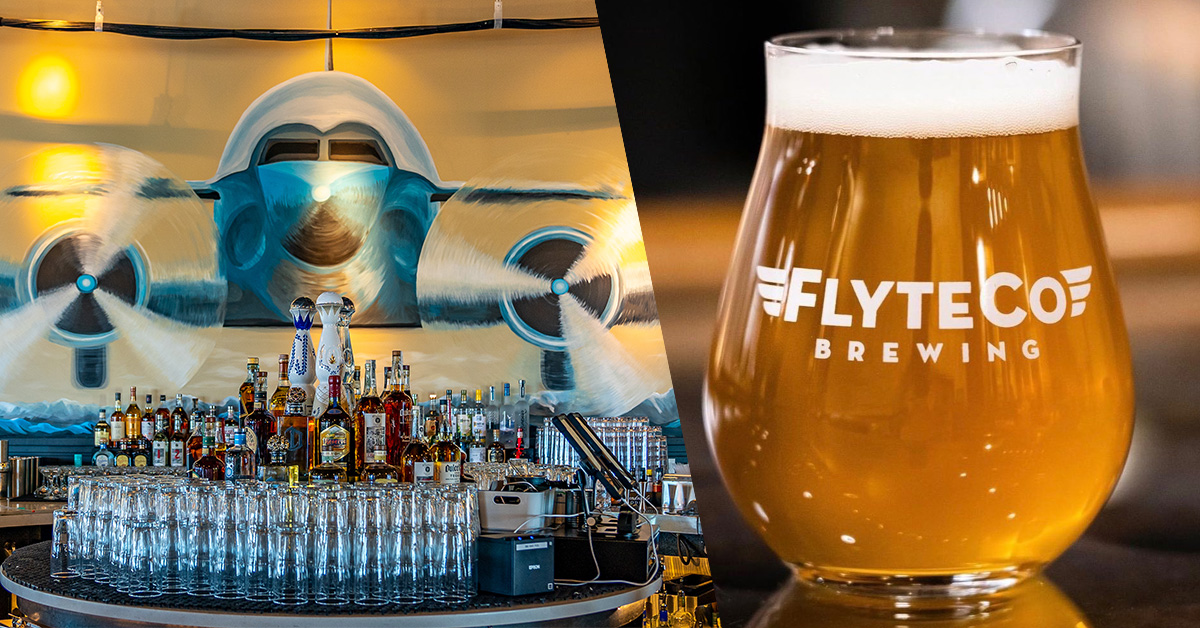
For the patrons at FlyteCo Tower, the experience remains focused on the "power of flight." Surrounded by suspended model planes and aviation memorabilia, the brewery continues to offer a space where the history of the Mile High City is celebrated in every pint. Plans are already being formulated for the 2026 harvest, with the hope that the skies over the Rockies will once again allow the miracle of the hop flight to take wing.